
A car safety check before road trip is a systematic inspection of critical vehicle components designed to identify potential mechanical failures before they cause a breakdown. To perform this effectively, you must verify tyre pressure and tread depth, top up essential fluids including oil and coolant, test all exterior lighting, and ensure your emergency equipment, such as the spare tyre and jack, is fully functional and accessible.
Tyre Health: Pressure, Tread, and Condition
Your tyres are the only point of contact between your vehicle and the road, making them the single most critical safety component to inspect before a long journey. Neglecting tyre maintenance is a leading cause of highway accidents and roadside breakdowns. A thorough car safety check before road trip must prioritize a detailed examination of all four tyres plus the spare.
Checking Tyre Pressure
Incorrect tyre pressure compromises handling, braking distance, and fuel economy. Under-inflated tyres generate excessive heat, which can lead to catastrophic blowouts at highway speeds. Conversely, over-inflated tyres reduce traction and result in a harsh ride.
To check pressure accurately:
- Check when cold: Measure pressure before driving or at least three hours after the vehicle has stopped. Driving heats up the air inside the tyre, giving a false high reading.
- Locate the placard: Do not use the maximum pressure listed on the tyre sidewall. Instead, refer to the manufacturer’s placard located on the driver’s side door jamb, inside the fuel filler flap, or in the owner’s manual.
- Adjust accordingly: If you are carrying a full load of passengers and luggage, you may need to adjust the pressure to the “fully loaded” specification recommended by the manufacturer.
Tread Depth and Physical Condition
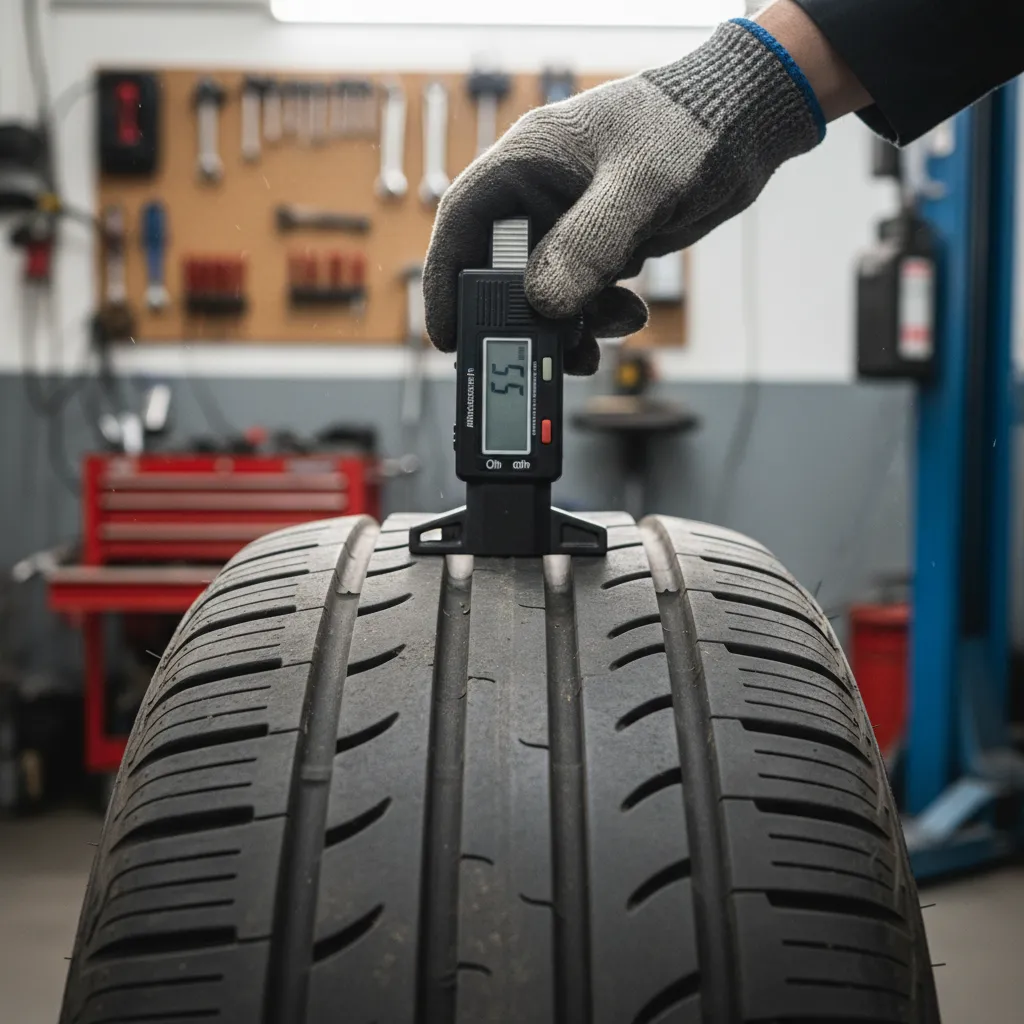
Tread depth is vital for displacing water and preventing hydroplaning. While the legal limit in many jurisdictions is 1.6mm, safety experts recommend at least 3mm for optimal wet-weather performance. You can use a dedicated tread depth gauge or the “penny test” to verify depth.
Beyond tread depth, inspect the sidewalls for:
- Bulges or bubbles: These indicate internal structural damage and require immediate replacement.
- Cracks or rot: Signs of aging rubber, common in vehicles that are not driven frequently.
- Embedded objects: Nails or glass shards that haven’t caused a leak yet but could dislodge during a long trip.
Fluid Levels: The Lifeblood of Your Engine
Fluids lubricate, cool, and facilitate the mechanical functions of your vehicle. Running low on any of these can result in catastrophic engine failure or loss of control. A comprehensive car safety check before road trip involves popping the bonnet and checking the following reservoirs.
Engine Oil
Engine oil lubricates moving parts and reduces friction. To check it, park on level ground and wait for the engine to cool slightly. Pull the dipstick, wipe it clean, reinsert it fully, and pull it out again. The oil level should sit between the minimum and maximum markers. Also, observe the color; if the oil is gritty or milky, it indicates a need for an oil change or a more serious engine issue.
Engine Coolant
Overheating is one of the most common reasons for summer breakdowns. Check the coolant level in the translucent overflow tank—never open the radiator cap when the engine is hot, as pressurized steam can cause severe burns. The fluid should be between the “Min” and “Max” lines. If it is low, top it up with the specific coolant mixture recommended for your vehicle.
Brake Fluid
Brake fluid transfers the force from your foot to the wheel brakes. Locate the reservoir near the back of the engine bay on the driver’s side. The fluid should be translucent and yellowish. If it is dark or below the minimum line, you may have a leak or worn brake pads. This is a critical safety issue that requires professional attention.
Windshield Washer Fluid
Often overlooked, washer fluid is essential for maintaining visibility, especially when driving through bugs, dust, or road spray. Fill the reservoir with a high-quality washer fluid that aids in cleaning, rather than just plain water.
Visibility Systems: Lights, Wipers, and Glass
Seeing and being seen is fundamental to road safety. Before embarking on your journey, you must ensure that your vision will not be compromised by weather or darkness.
Exterior Lighting Inspection
Walk around the vehicle to check every light. It is often helpful to have a second person assist with this, or you can park near a reflective surface (like a garage door) to check brake lights.
- Headlights: Check both low and high beams. Ensure the lenses are clear and not fogged over by oxidation.
- Brake Lights: Crucial for preventing rear-end collisions.
- Indicators: Test all four corners and the side repeaters.
- Fog Lights and Reverse Lights: Ensure these auxiliary lights are functioning.
Wiper Blades and Windshield
Wiper blades degrade over time due to UV exposure. If your wipers streak, chatter, or leave unwiped spots, replace them immediately. They are an inexpensive upgrade that makes a massive difference in heavy rain.
Inspect the windshield for chips or cracks. The vibrations from long-distance driving and temperature fluctuations can turn a small chip into a massive crack that obstructs your view and compromises the structural integrity of the glass.
Brakes and Battery: Stopping Power and Start-Up Reliability
Mechanical reliability centers on your ability to stop safely and start the car reliably after a rest stop. According to the National Highway Traffic Safety Administration (NHTSA), vehicle component failure is a significant factor in road accidents, with brakes and tyres being the primary culprits.
Brake System Check
While you may not be able to inspect the pads directly without removing the wheels, pay attention to how the car behaves during a test drive:
- Noises: Squealing or grinding sounds indicate worn pads or shoes.
- Vibrations: Shuddering in the steering wheel when braking suggests warped rotors.
- Pedal Feel: A spongy pedal could mean air in the lines, while a hard pedal might indicate a brake booster failure.
Battery Health
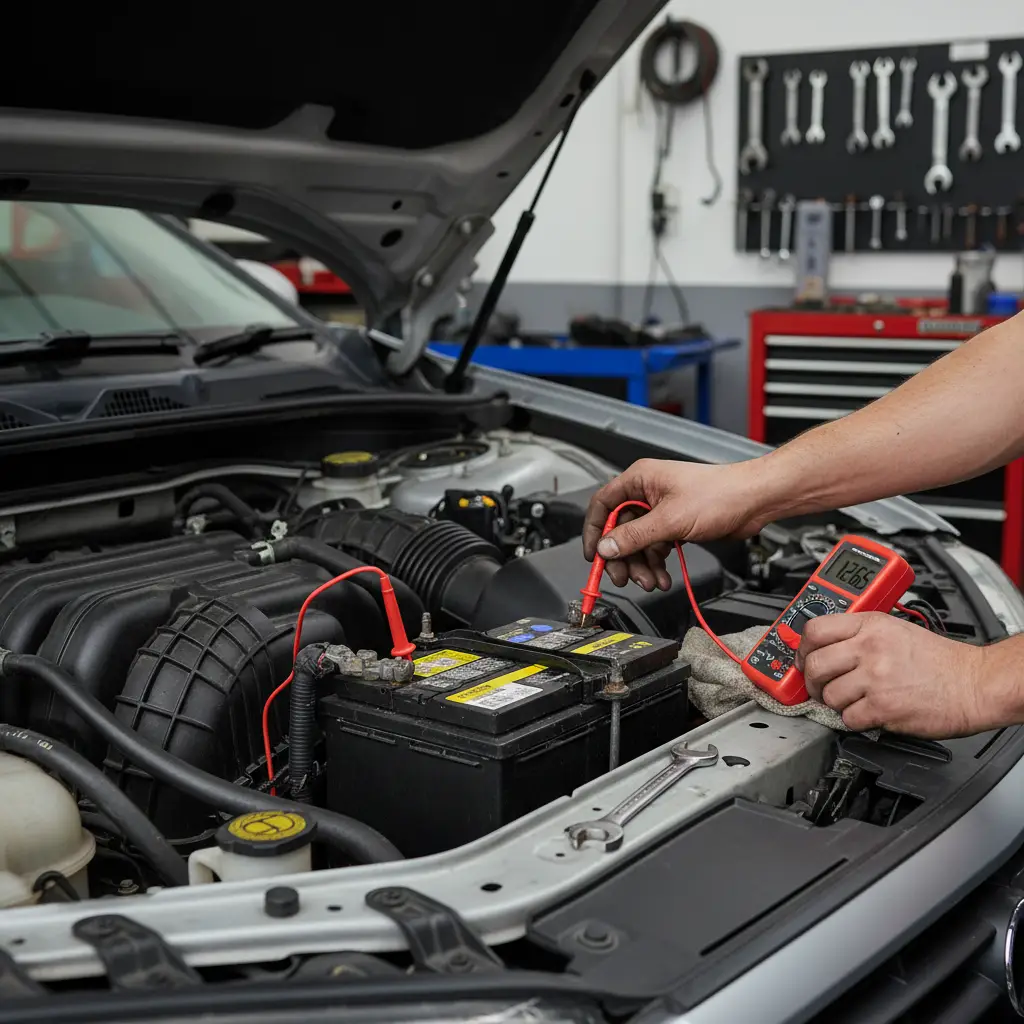
Heat is actually tougher on car batteries than cold. If your battery is more than three years old, have it tested at an auto parts store or service center. Check the terminals for corrosion (a white or blue powdery substance) and clean them with a wire brush if necessary to ensure a solid electrical connection.
Spare Tyre and Emergency Tool Kit Inspection
Even the most meticulous car safety check before road trip cannot guarantee you won’t encounter a hazard. Preparation for the worst-case scenario is the final step in your inspection.
The Spare Tyre
The spare tyre is often the most neglected item in a vehicle. It is buried under luggage or mounted under the chassis and forgotten. Ensure you:
- Remove the spare to inspect its condition.
- Check the pressure. Spare tyres often require higher pressure (up to 60 PSI for space-savers) than standard tyres.
- Ensure it is not expired (check the date code).
Tools and Emergency Gear
Verify that your vehicle’s jack and lug wrench are present and free of rust. If your wheels have locking lug nuts, locate the key and place it in the glove box or with the spare tyre tools. Additionally, pack a roadside emergency kit containing:
- Jumper cables or a portable jump starter.
- A flashlight with extra batteries.
- A first aid kit.
- Reflective triangles or a high-visibility vest.
- Duct tape and gloves.
DIY vs. Professional Pre-Trip Inspections
While a DIY inspection covers the basics, there are limits to what can be checked in a driveway. If you are planning a cross-country journey, towing a heavy load, or driving an older vehicle, booking a professional pre-trip inspection is a wise investment.
A professional mechanic will lift the vehicle to inspect suspension bushings, CV joints, exhaust integrity, and potential fluid leaks that aren’t visible from above. They can also scan the vehicle’s computer for “pending” codes—issues that haven’t triggered the Check Engine Light yet but could manifest 500 miles down the road.
Ultimately, the goal of a car safety check before road trip is peace of mind. Whether you perform it yourself or hire a professional, ensuring your vehicle is road-ready protects you, your passengers, and other drivers on the road.
Frequently Asked Questions
How long before a road trip should I check my car?
Ideally, perform a comprehensive car safety check one week before your trip. This provides a buffer time to order parts, schedule repairs, or replace tyres if you discover any significant issues, avoiding last-minute stress.
What is the most important thing to check on a car before a road trip?
While all checks are important, tyre condition (pressure and tread) is arguably the most critical. Tyres are the primary failure point that leads to accidents and strandings. Fluid levels, specifically oil and coolant, are a close second to prevent engine damage.
How much does a professional pre-trip inspection cost?
The cost varies by location and shop, but a standard pre-trip safety inspection typically ranges from $50 to $150. Some auto repair chains may offer free basic visual inspections if you purchase an oil change or other services.
Can I drive long distance with a cracked windshield?
It is not recommended. Long-distance driving subjects the glass to wind pressure, temperature changes, and road vibrations, which can cause a small crack to spread rapidly, potentially shattering or obstructing your view. In many jurisdictions, it is also illegal.
Do I need to change my oil before a road trip?
If you are within 1,000 miles of your scheduled oil change interval, or if the trip will push you past that interval, you should change it before you leave. Fresh oil provides better protection for the engine under the stress of highway driving.
What should be in a car emergency kit for a road trip?
A complete kit should include jumper cables, a flashlight, first aid supplies, basic tools (screwdriver, pliers), duct tape, a tyre pressure gauge, reflective triangles, water, non-perishable snacks, and a blanket.