
Mobile hybrid car service is a specialized automotive maintenance solution where certified technicians travel to your location to perform diagnostics, repairs, and routine upkeep on hybrid and electric vehicles. This service eliminates the need for towing and workshop visits, covering essential tasks like inverter coolant checks, 12V battery replacements, and brake system inspections directly at your home or workplace.
The Rise of Mobile Hybrid Car Service
The automotive landscape is undergoing a seismic shift. As internal combustion engines (ICE) gradually cede ground to hybrids (HEVs), plug-in hybrids (PHEVs), and battery electric vehicles (BEVs), the infrastructure supporting these machines must also evolve. The traditional model of dropping a car off at a dealership for the day is becoming increasingly obsolete, replaced by the convenience and efficiency of the mobile hybrid car service.
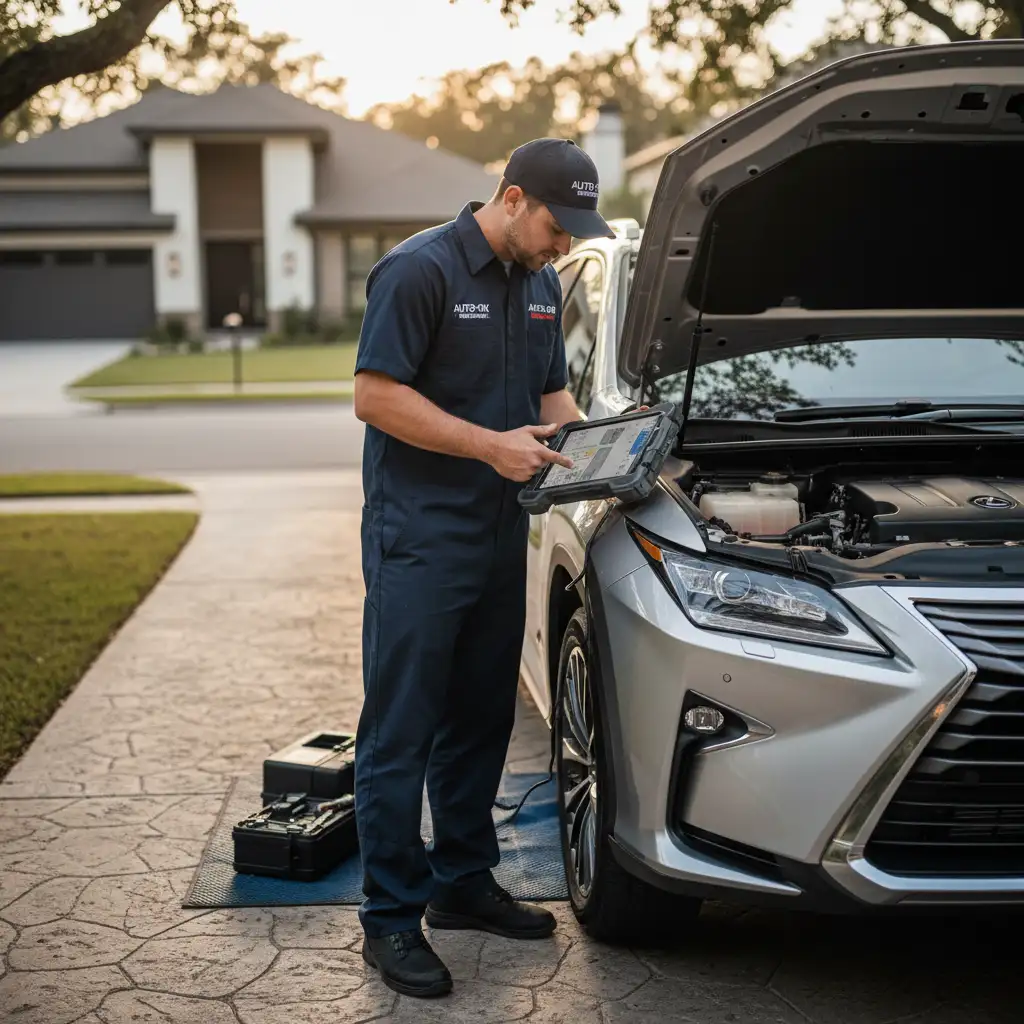
For owners of electrified vehicles, maintenance is a different beast entirely. While there are fewer moving parts in an electric drivetrain compared to a traditional engine, the complexity of the electronics, high-voltage systems, and thermal management requires a specialized skillset. A general mechanic often lacks the high-voltage certification required to safely service a Toyota Prius or a Tesla Model 3. Mobile hybrid specialists bridge this gap, bringing dealership-level expertise and diagnostic tools directly to your driveway.
This shift is not just about convenience; it is about necessity. Many hybrid issues, particularly those related to the 12V auxiliary battery or software glitches, immobilize the vehicle. A mobile service prevents the hassle of arranging a flatbed tow truck, allowing for on-site resuscitation of the vehicle.
The 12V Battery: The Achilles Heel of EVs and Hybrids
It is a common misconception that the massive high-voltage battery pack is the only power source that matters in an EV or hybrid. In reality, the humble 12-volt lead-acid (or sometimes lithium-ion) auxiliary battery remains a critical component. Ironically, it is also the most frequent cause of breakdowns.
In a traditional car, the 12V battery cranks the starter motor. In a hybrid or EV, its role is to boot up the computer systems and close the contactors that engage the high-voltage traction battery. If the 12V battery dies, the car is effectively a brick, regardless of how much charge is left in the main battery pack.
Why They Fail
These batteries often fail due to distinct usage patterns. EVs do not have an alternator constantly charging the battery in the same way a gas car does; they rely on a DC-to-DC converter. Furthermore, the constant drain from telematics, over-the-air updates, and “sentry modes” can deplete the 12V battery when the car is parked. A professional mobile hybrid car service will not only test the voltage but also the health of the DC-to-DC charging system to ensure the new battery won’t fail prematurely.
Thermal Management: Inverter and Coolant Checks
Thermal management is the lifeblood of any electrified powertrain. While you no longer need to worry about engine oil changes as frequently (or at all, in BEVs), coolant checks are arguably more critical. Hybrids and EVs often utilize multiple cooling loops:
- High-Voltage Battery Loop: Keeps the battery cells at optimal operating temperature to prevent degradation and ensure fast charging speeds.
- Inverter/Motor Loop: Cools the power electronics and the electric motor, which generate significant heat during operation.
- Internal Combustion Engine Loop (Hybrids only): Standard cooling for the gas engine.
The coolant used in the inverter and battery loops is often specialized. It must have low electrical conductivity to prevent short circuits in the event of a leak. Over time, the anti-corrosion inhibitors in the coolant can break down, or the fluid can become conductive.
According to the U.S. Department of Energy, maintaining the cooling system is vital for the longevity of the battery pack. A mobile technician can test the conductivity and pH levels of the coolant on-site. If a flush is required, they have the vacuum-fill equipment necessary to prevent airlocks—a critical step, as air bubbles can create hot spots that fry sensitive electronics.
Regenerative Braking: Why Inspections Are Still Vital
One of the primary selling points of hybrid and electric vehicles is reduced brake wear. Thanks to regenerative braking, where the electric motor reverses to slow the car and recapture energy, the friction brakes (pads and rotors) are used significantly less than in conventional vehicles. It is not uncommon for hybrid brake pads to last over 100,000 miles.
However, this longevity creates a new problem: mechanical atrophy.
The “Use It or Lose It” Principle
Because the friction brakes are rarely engaged, especially in aggressive regen settings, the calipers and slide pins can seize up due to corrosion and road grime accumulation. This is particularly prevalent in colder climates where salt is used on roads.
A comprehensive mobile hybrid car service includes a physical strip-down and cleaning of the brake components. This involves:
- Lubricating slide pins: Ensuring the caliper floats freely.
- Cleaning pad shims: Preventing pads from sticking in the bracket.
- Rotor inspection: Checking for pitting or rust ridges that develop from lack of contact.
Ignoring this can lead to uneven braking, reduced range (due to dragging brakes), and expensive caliper replacements down the line.
Tyre Wear Patterns: The Weight and Torque Factor
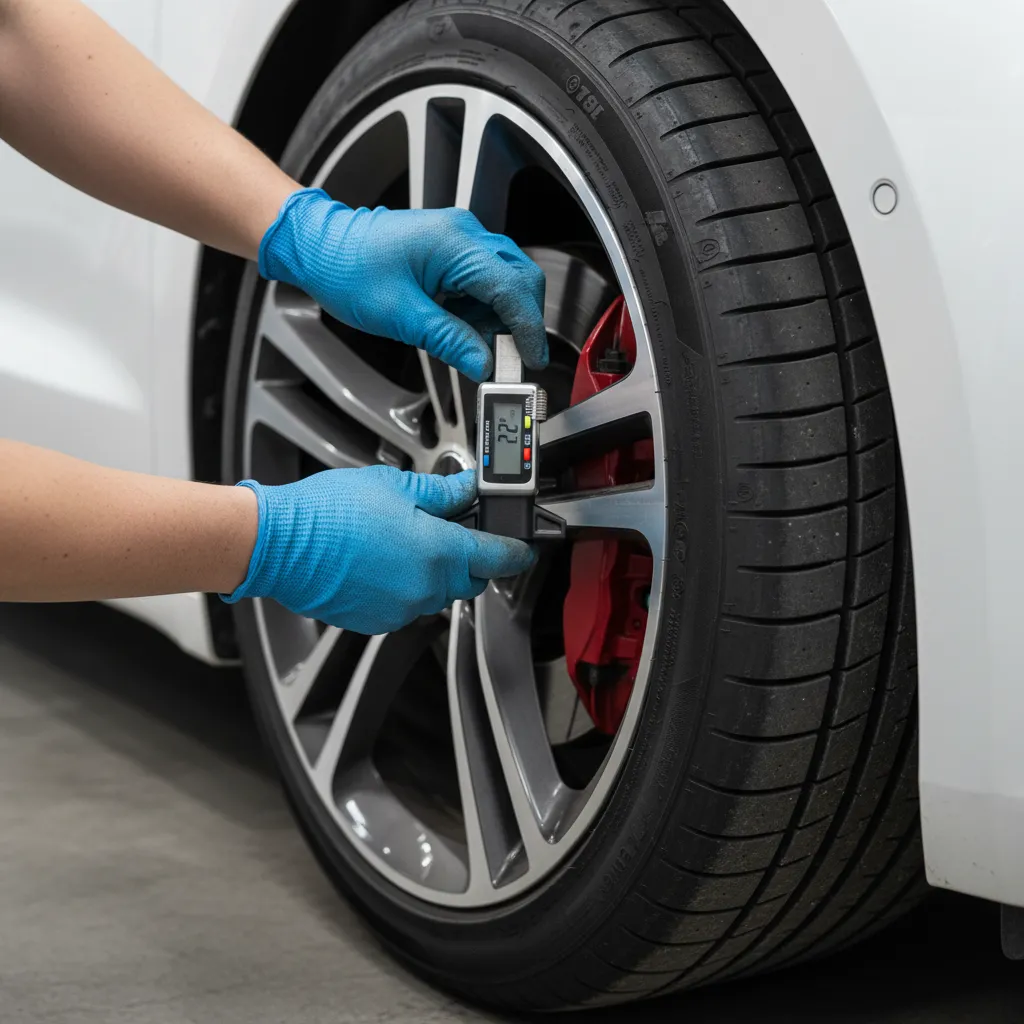
Tyres are the only contact point between your advanced vehicle and the road, and EVs punish them harder than any other vehicle class. There are two main reasons for accelerated tyre wear on electric and hybrid vehicles:
- Weight: Battery packs are heavy. An EV can weigh 20-30% more than its gas-powered equivalent. This increases the load on the tyre sidewalls and tread.
- Instant Torque: Electric motors deliver maximum torque from zero RPM. Even if you aren’t drag racing, the micro-slippages that occur during everyday acceleration scrub rubber off the tyres faster.
Mobile technicians look for specific wear patterns that indicate alignment issues or under-inflation—both of which kill range. Because EVs are sensitive to rolling resistance, using the wrong tyre specification can reduce your driving range by up to 10%. Specialists will ensure that replacement tyres are “EV-rated,” meaning they are designed with stiffer sidewalls to handle the weight and specialized compounds to minimize noise and rolling resistance.
High-Voltage Safety and Specialist Equipment
Safety is the paramount concern when dealing with hybrid systems. We are dealing with voltages ranging from 200V to 800V DC—more than enough to be fatal. This is why the “DIY” approach is strongly discouraged for anything beyond checking tyre pressure and filling washer fluid.
A reputable mobile hybrid car service utilizes technicians trained in high-voltage safety protocols. They carry Class 0 insulated gloves, face shields, and insulated tools. Before performing any deep maintenance, they perform a “Lock Out, Tag Out” procedure, physically disconnecting the high-voltage safety plug (often called the service disconnect) to isolate the battery from the rest of the car.
Furthermore, they use advanced diagnostic scanners capable of reading proprietary codes from the Battery Management System (BMS). These scanners can reveal the health of individual battery cells (Delta V), identifying weak links before the entire pack fails.
Benefits of Mobile Diagnostics for Hybrid Systems
Beyond the mechanical aspects, modern cars are computers on wheels. Hybrids rely on complex logic to switch between gas and electric power seamlessly. When a warning light appears—such as the dreaded “Red Triangle of Death” on a Prius—it requires immediate interpretation.
Mobile diagnostics offer a significant advantage here. By testing the car in its natural environment (your driveway or local roads), technicians can sometimes replicate intermittent faults that might not appear in a static workshop environment. They can perform live data logging while the vehicle is stationary or during a short test drive to monitor inverter temperatures and battery voltage sag under load.
For more detailed information on vehicle safety ratings and the importance of maintaining safety systems in heavier EVs, organizations like NHTSA provide extensive data that underscores the need for professional maintenance.
Conclusion: Future-Proofing Your Vehicle Maintenance
As the automotive world electrifies, the days of the “grease monkey” are fading, replaced by the era of the high-voltage technician. Utilizing a mobile hybrid car service is not just a matter of convenience; it is a strategic decision to extend the life of your vehicle. From monitoring the health of the 12V battery to ensuring the inverter coolant is non-conductive, these specialized tasks require a professional touch.
By opting for mobile service, you ensure that your hybrid or EV receives the specific care it needs without the disruption of traditional repair shops. Whether you are dealing with regenerative braking maintenance or complex thermal management systems, a mobile specialist brings the workshop to you, keeping your eco-friendly vehicle efficient, safe, and ready for the road.
People Also Ask
Do hybrid cars require special maintenance compared to regular cars?
Yes, hybrid cars require specialized maintenance. While they need standard oil changes for the gas engine, they also require checks on the high-voltage battery cooling system, inverter coolant loops, and regenerative braking system. The high-voltage electrical system should only be serviced by certified professionals.
Can a mobile mechanic change a hybrid battery?
Yes, many specialized mobile hybrid car services can replace both the 12V auxiliary battery and the high-voltage traction battery on-site. They bring the heavy lifting equipment and safety gear necessary to perform the swap safely in your driveway.
How often should hybrid inverter coolant be changed?
Intervals vary by manufacturer, but it is typically recommended every 100,000 miles or 10 years for the first change, and more frequently thereafter (e.g., every 50,000 miles). However, the fluid’s conductivity and level should be inspected at every major service interval.
Why do hybrid car brakes last longer?
Hybrid brakes last longer due to regenerative braking. When you lift off the accelerator or press the brake lightly, the electric motor reverses to slow the car and charge the battery, reducing the need for the friction pads and rotors to engage. This can extend brake pad life significantly, often exceeding 100,000 miles.
Is it safe to service a hybrid car at home?
Basic tasks like checking tyre pressure, filling washer fluid, and cleaning the interior are safe. However, any maintenance involving the high-voltage orange cables, the inverter, or the traction battery is extremely dangerous and should only be performed by a certified technician with proper insulation tools.
What is the most common failure in hybrid cars?
The most common failure is actually the 12-volt auxiliary battery, not the expensive high-voltage battery. If the 12V battery dies, the computer cannot start the hybrid system. Other common issues include cooling system pump failures and battery cell degradation over long periods.