
In New Zealand, the average brake fluid change cost typically ranges from $90 to $160 NZD, depending on the service provider and vehicle type. While a simple bleed may cost less, a comprehensive flush involving high-performance DOT 4 fluid or specific requirements for European vehicles can push prices up to $200 NZD due to labor and fluid volume.
Maintaining your vehicle’s braking system is not merely a matter of passing your Warrant of Fitness (WOF); it is the single most critical safety aspect of vehicle ownership. Over time, brake fluid degrades, compromising the hydraulic pressure required to stop your car effectively. This guide provides a definitive look at the costs associated with brake fluid services in New Zealand, alongside a deep technical dive into why this maintenance is non-negotiable.
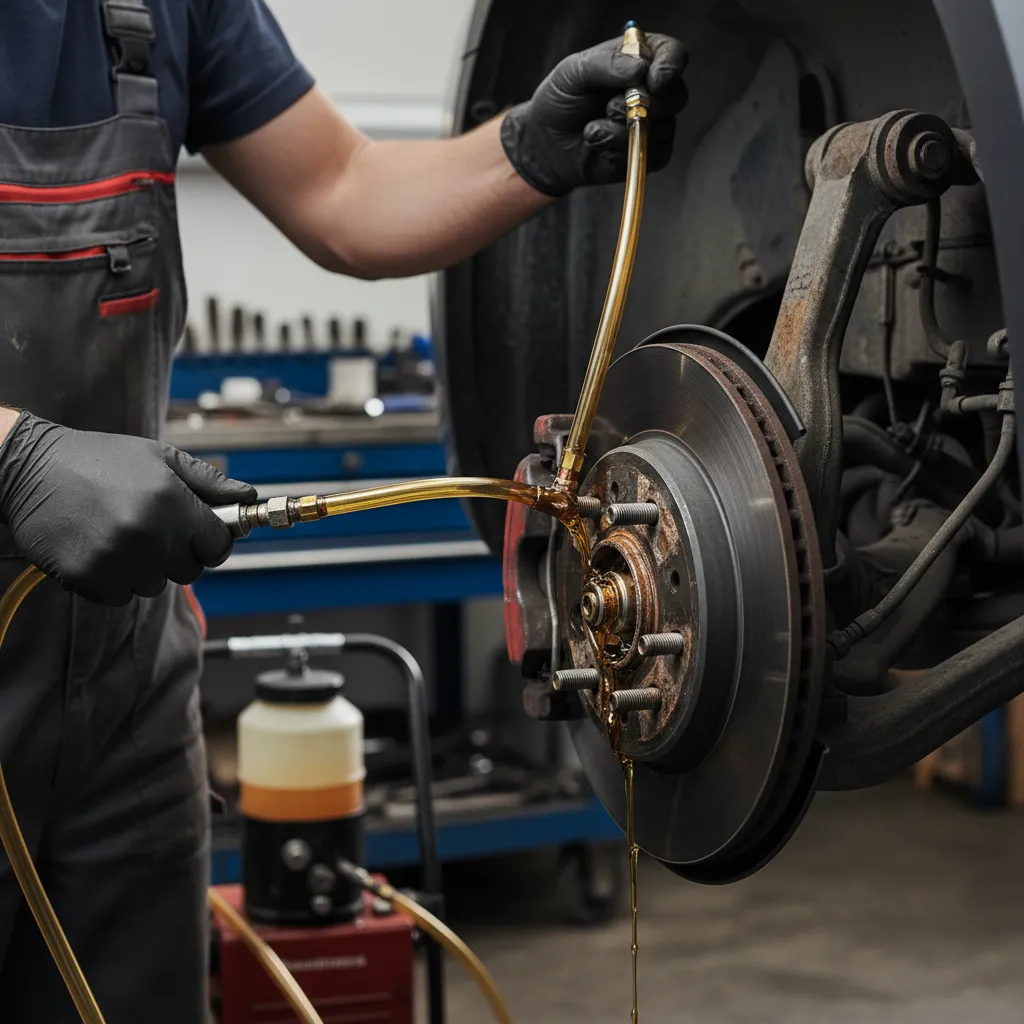
Brake Fluid Change Cost NZ: 2024 Price Breakdown
When investigating the brake fluid change cost NZ market, it is essential to understand that you are paying for both the consumable product (the fluid) and the skilled labor required to safely evacuate air and old contaminants from the system. In major hubs like Auckland, Wellington, and Christchurch, labor rates can vary slightly, but the national averages remain relatively consistent.
Standard Service Costs
For most Japanese and Korean vehicles (Toyota, Mazda, Hyundai) commonly found on New Zealand roads, a standard brake fluid flush costs between $90 and $130 NZD. This service generally includes:
- Visual inspection of the master cylinder and reservoir.
- Complete draining of old fluid.
- Refilling with standard DOT 3 or DOT 4 fluid.
- Bleeding the lines to remove air pockets.
- Disposal of hazardous waste fluid.
European and Performance Vehicle Costs
If you drive a European vehicle (Audi, BMW, VW) or a performance car, the cost usually sits between $140 and $220 NZD. These vehicles often require:
- Low-viscosity DOT 4 (often called DOT 4+) or DOT 5.1 fluid.
- Specialized diagnostic tools to cycle the ABS (Anti-lock Braking System) pump during the bleed process to ensure no old fluid remains in the ABS module.
- More labor-intensive access to bleed nipples on performance calipers.
Additional Factors Influencing Price
- Fluid Volume: Larger SUVs and utes (like the Ford Ranger or Toyota Hilux) have longer brake lines and larger reservoirs, requiring more fluid.
- Seized Bleed Nipples: In older vehicles, the bleed screws on the calipers can seize due to rust. If a mechanic has to spend extra time heating or extracting a snapped screw, labor costs will rise.
- ABS Cycling: As mentioned, vehicles with complex ABS systems require electronic activation to flush the pump, adding time to the service.
Brake Fluid Flush vs. Brake Bleeding: What is the Difference?
While often used interchangeably by laypeople, “flushing” and “bleeding” refer to different procedures with distinct scopes.
Brake Bleeding
Brake bleeding is a localized maintenance task. Its primary goal is to remove air bubbles from the hydraulic lines. Air is compressible, whereas brake fluid is not. If air enters the lines (often after a brake hose replacement or caliper change), the pedal will feel soft. Bleeding involves opening the caliper valve and pushing fluid through until the air escapes. It does not necessarily replace all the fluid in the system.
Brake Fluid Flush
A brake fluid flush is a comprehensive exchange service. The objective is to remove all the old, contaminated, and moisture-laden fluid from the master cylinder, ABS module, lines, and calipers, replacing it entirely with fresh fluid. This is the recommended service for preventative maintenance, typically performed every 24 months or 30,000 kilometers.
Why Brake Fluid Absorbs Moisture: The Hygroscopic Effect
One of the most misunderstood aspects of automotive chemistry is the nature of the fluid itself. Most standard brake fluids (DOT 3, DOT 4, and DOT 5.1) are hygroscopic. This means they actively attract and absorb moisture from the atmosphere.
You might wonder how water gets into a sealed braking system. Moisture can enter through microscopic pores in rubber brake hoses, past seals, and even through the vent in the master cylinder cap as the fluid level changes during brake wear. According to industry data, brake fluid can absorb up to 3% water content by volume within two years.
The Danger of Water Contamination
The absorption of water leads to two catastrophic issues:
- Corrosion: Water causes internal rusting of steel brake lines, caliper pistons, and the ABS modulator. This internal rot can lead to seized calipers or sudden line rupture.
- Reduced Boiling Point: This is the most critical safety factor. Fresh DOT 4 fluid boils at approximately 230°C (Dry Boiling Point). With just 3.7% water content, that boiling point drops to around 155°C (Wet Boiling Point).
Under heavy braking—such as descending the Kaimai Ranges or the Remutaka Hill Road—your brakes generate immense heat. If the fluid boils, it turns into gas (steam). Since gas is compressible, your brake pedal will go straight to the floor without stopping the car. This phenomenon is known as vapor lock.
For a detailed chemical breakdown of glycol-ether based fluids, you can reference external technical resources like Wikipedia’s entry on Brake Fluid, which details the specific chemical composition and boiling points.
Diagnosing the Spongy Pedal and Other Symptoms
How do you know if you need a flush or a bleed? Your vehicle will often communicate the issue through the tactile feedback of the brake pedal.
The “Spongy” Pedal
If you press the brake pedal and it feels mushy, springy, or travels further than usual before engaging, this is the classic symptom of air in the lines. As discussed, air compresses. When you push the pedal, you are compressing the air bubble rather than transferring force to the brake pads. This requires an immediate brake bleed.
The “Long” Pedal (Fade)
If the pedal feels firm initially but gets soft after repeated hard braking, this suggests your fluid is boiling (vapor lock) due to high water content. This indicates the fluid is old and degraded, requiring a complete brake fluid flush.
Discolored Fluid
Open your bonnet and look at the master cylinder reservoir. Fresh brake fluid is clear or slightly yellowish (like cooking oil). Dark, brown, or black fluid indicates heavy contamination with rubber particles and moisture. This is a visual cue that a change is overdue.
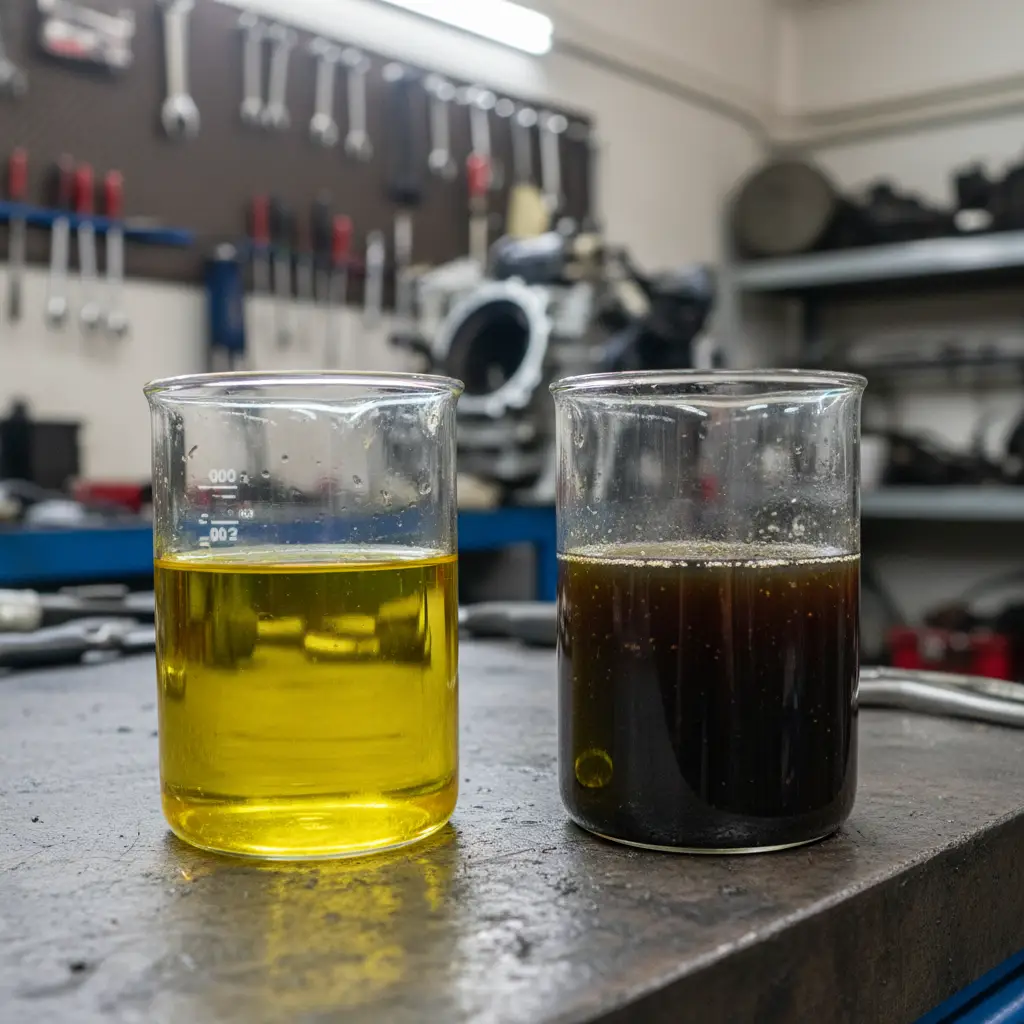
The Professional Procedure: Pressure Bleeding Systems
While the “two-person pump method” (one person pumping the pedal, one cracking the valve) is common for DIYers, professional workshops in New Zealand utilize pressure bleeding systems. This ensures a higher quality service and removes the risk of damaging the master cylinder seals.
How Pressure Bleeding Works
A pressure bleeder is a tank containing new brake fluid that is attached to the master cylinder reservoir via a specialized adapter cap. The machine pressurizes the system (typically to 10-15 psi).
- Constant Supply: The machine forces new fluid into the reservoir, ensuring it never runs dry (which would introduce more air).
- Positive Pressure: The mechanic moves to each wheel cylinder, starting from the one furthest from the master cylinder. When the bleed screw is opened, the pressure from the tank forces the old fluid and air bubbles out rapidly.
- ABS Activation: High-end scan tools are often used simultaneously to open the valves inside the ABS unit, allowing the pressure bleeder to flush out old fluid trapped in the complex ABS matrix.
This method is superior because it prevents the master cylinder piston from traveling into unused, corroded sections of the bore—a common risk when pumping the pedal manually on older cars.
Recommended Fluid Types: DOT 3, DOT 4, and 5.1
Choosing the correct fluid is vital. Using the wrong type can destroy seals or lower the boiling point dangerously. Always check your owner’s manual or the cap of your master cylinder.
- DOT 3: The old standard. Glycol-based. Lower boiling point (Dry: 205°C). Rarely used in modern cars but found in older vehicles.
- DOT 4: The current industry standard for most Japanese and American cars. Glycol-based. Higher boiling point (Dry: 230°C). It handles moisture better than DOT 3.
- DOT 5.1: High performance. Glycol-based (compatible with DOT 3 and 4). Highest boiling point (Dry: 260°C). Used in high-performance vehicles and heavy towing applications.
- DOT 5 (Silicone): WARNING: Do not use DOT 5 in a standard ABS system. It is silicone-based, does not absorb water (causing water to pool and corrode lines), and is not compatible with DOT 3, 4, or 5.1. It is primarily used in classic cars and military vehicles.
For most New Zealand drivers, DOT 4 is the go-to specification. However, many modern European vehicles equipped with ESP (Electronic Stability Program) require a specific low-viscosity DOT 4 (often labeled as DOT 4 LV or ISO 4925 Class 6) to allow the stability control systems to react in milliseconds.
DIY vs. Professional Service: Is It Worth the Risk?
Given the brake fluid change cost NZ is relatively affordable ($90-$160), the argument for DIY is weak unless you are an experienced home mechanic.
The Risks of DIY
- Air Introduction: If you let the reservoir run dry, you will introduce air into the ABS module. Bleeding an ABS module without a scan tool is often impossible, requiring a tow to a mechanic.
- Paint Damage: Brake fluid is highly corrosive to automotive paint. A spill can strip the clear coat off your fender in minutes.
- Environmental Disposal: You cannot dump brake fluid down the drain. It must be taken to a hazardous waste facility.
- Safety: Ultimately, if you make a mistake with an oil change, you ruin an engine. If you make a mistake with brakes, you risk lives.
For reliable advice on vehicle safety standards and WOF requirements regarding braking systems, refer to the NZ Transport Agency (Waka Kotahi).
People Also Ask (FAQ)
How often should brake fluid be changed in NZ?
In New Zealand, it is recommended to change your brake fluid every 2 years or every 30,000 to 40,000 kilometers. NZ’s humid climate can accelerate moisture absorption, making the 2-year interval crucial for preventing corrosion and maintaining WOF standards.
Can I just top up brake fluid instead of flushing?
No, topping up is not a substitute for flushing. Topping up only restores the level, it does not remove the moisture-contaminated fluid already in the lines. Furthermore, a low fluid level usually indicates worn brake pads, so a top-up might mask a mechanical issue that needs inspection.
Does a WOF check brake fluid quality?
A standard Warrant of Fitness (WOF) inspection primarily checks the fluid level and checks for leaks. It does not typically test the boiling point or moisture content of the fluid. Therefore, passing a WOF does not guarantee your brake fluid is in optimal condition.
What happens if I don’t change my brake fluid?
Failure to change brake fluid leads to moisture buildup, which lowers the fluid’s boiling point. This can cause brake fade or total failure during emergency stops or hill descents. It also causes internal corrosion of expensive components like the ABS pump and calipers.
How much does a brake bleed cost vs a flush?
A simple brake bleed to remove air bubbles is generally cheaper, costing around $60 to $90 NZD. A full flush, which replaces all fluid in the system, costs between $90 and $160 NZD. The flush provides significantly better long-term protection.
Is DOT 4 better than DOT 3?
Yes, DOT 4 is generally superior to DOT 3 due to its higher boiling point, making it safer for modern driving conditions. However, you must use the fluid specified by your manufacturer. Most cars designed for DOT 3 can use DOT 4, but you should verify compatibility first.