
Turbocharger repair in Auckland involves expert diagnosis, servicing, and replacement of your vehicle’s turbo system, often performed by mobile mechanics for ultimate convenience. Addressing turbo issues promptly is crucial for maintaining engine performance, fuel efficiency, and preventing more severe, costly damage to your vehicle’s powerplant, ensuring a smooth and powerful drive across Auckland’s roads.
How Turbochargers Work & Common Issues
Turbochargers are sophisticated forced induction devices designed to boost an internal combustion engine’s power output by forcing more compressed air into the combustion chamber. Unlike superchargers, which are belt-driven directly by the engine, turbochargers harness the otherwise wasted energy from exhaust gases to spin a turbine. This turbine is connected by a shaft to a compressor wheel, which then draws in ambient air, compresses it, and feeds it into the engine’s intake manifold. The result is a significant increase in horsepower and torque, often without a corresponding increase in engine size, leading to better fuel efficiency for the power produced. Modern turbos also feature complex wastegate and blow-off valve systems to regulate boost pressure, prevent over-boosting, and protect the engine.
Despite their robust design, turbochargers operate under extreme conditions, including high temperatures (up to 900°C) and rotational speeds exceeding 200,000 RPM. These demanding environments make them susceptible to several common issues that can compromise performance and lead to failure. Understanding these issues is the first step towards effective turbocharger maintenance and repair.
Oil Starvation & Contamination
One of the most prevalent causes of turbocharger failure is insufficient or contaminated oil supply. The turbo’s bearings, which allow the shaft to spin at incredible speeds, rely entirely on a constant supply of clean engine oil for lubrication and cooling. If the oil supply is restricted due to blockages in the oil feed lines, a failing oil pump, or incorrect oil viscosity, the bearings will quickly overheat and wear out. Similarly, if the engine oil is contaminated with carbon deposits, metal shavings, or other debris, these abrasive particles can cause significant damage to the bearing surfaces and the turbo shaft. Regular oil changes with the correct type of oil are paramount for turbo longevity. For more insights into the critical role of engine oil in vehicle longevity, consult reputable automotive maintenance guides.
Foreign Object Damage
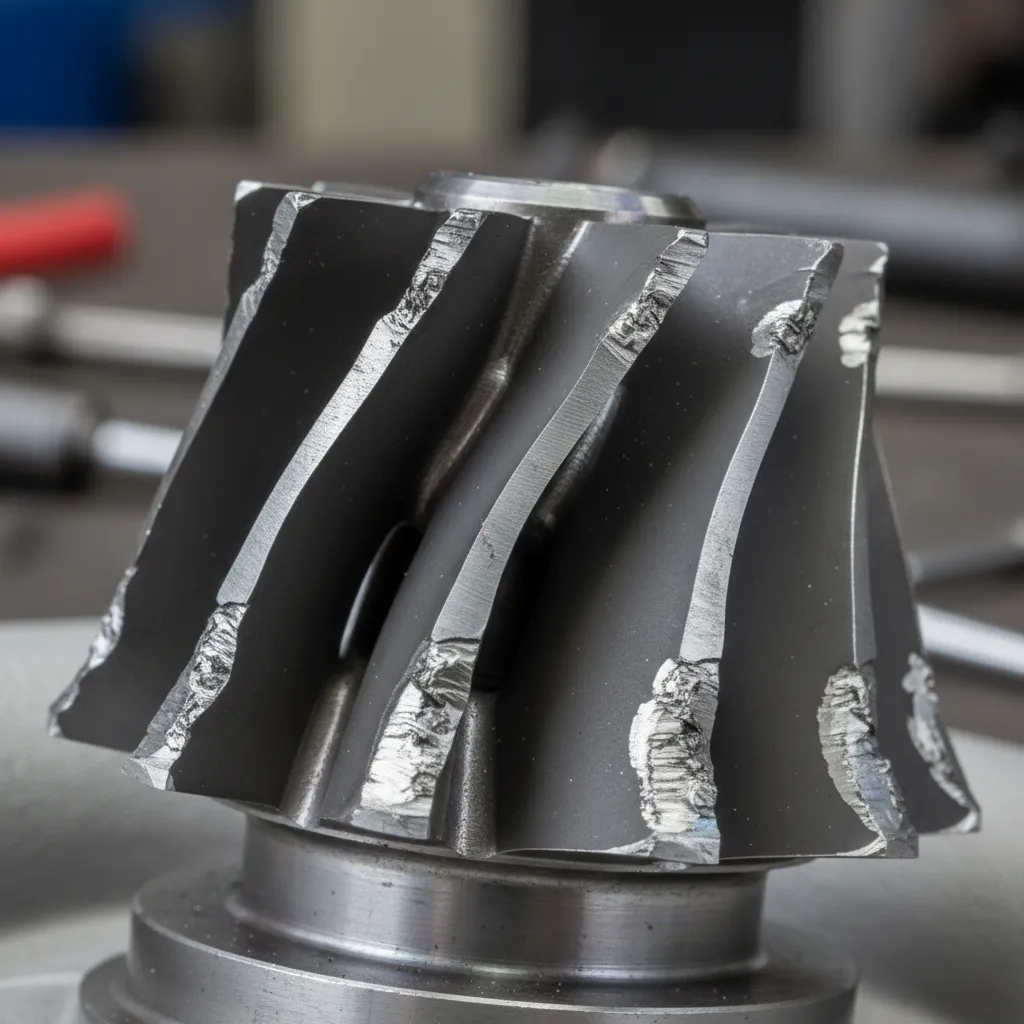
Both the compressor and turbine wheels are delicate components, precisely balanced to operate at high RPMs. Even small foreign objects entering either the intake or exhaust side can cause catastrophic damage. On the intake side, a failing air filter or a breach in the intake pipe can allow dust, debris, or even small stones to be ingested, chipping or bending the compressor blades. On the exhaust side, carbon chunks, metal fragments from a failing catalytic converter, or even pieces of a broken valve can strike and destroy the turbine wheel. A thorough inspection of the air intake system and exhaust manifold is essential during diagnostics.
Excessive Wear & Tear
Over time, even with perfect lubrication, the bearings and seals within a turbocharger will experience wear. This wear can lead to excessive shaft play, where the shaft can move too much radially or axially. This movement allows the compressor and turbine wheels to rub against their respective housings, causing damage and reducing efficiency. Worn seals can also allow oil to leak into the exhaust or intake manifold, leading to blue smoke from the exhaust and increased oil consumption. Age and high mileage are significant factors contributing to this type of wear.
Actuator & Wastegate Problems
Modern turbos often feature electronic or vacuum-actuated wastegates and variable geometry turbine (VGT) systems. These components control boost pressure and optimize turbo performance across different engine speeds. If the actuator or wastegate mechanism fails, gets stuck, or becomes corroded, the turbo can either over-boost (potentially damaging the engine) or under-boost (leading to a significant loss of power). Diagnostic tools are often required to check the proper functioning and calibration of these intricate systems.
Symptoms of a Faulty Turbocharger
Recognizing the early warning signs of a failing turbocharger is critical for preventing further damage and ensuring timely repair or replacement. Ignoring these symptoms can lead to more extensive engine problems and a much higher repair bill. As expert mobile mechanics in Auckland, we often encounter a range of indicators pointing to turbo issues.
Loss of Engine Power & Acceleration
One of the most immediate and noticeable symptoms of a failing turbo is a significant reduction in engine power and acceleration. Since the turbo’s primary role is to force more air into the engine for increased combustion, a faulty unit will fail to provide the necessary boost. This can manifest as sluggish performance, difficulty climbing hills, or a general feeling that the engine is struggling, especially during acceleration. You might experience what is commonly referred to as ‘turbo lag’ becoming more pronounced or constant.
Excessive Exhaust Smoke
The color of your exhaust smoke can provide vital clues about the health of your turbocharger:
- Blue Smoke: Indicates that engine oil is burning. This often points to failing oil seals within the turbocharger, allowing oil to leak into the exhaust housing and be burned off.
- White Smoke: Can indicate coolant burning or, less commonly with turbos, extreme oil burning where the oil is atomized. If combined with a sweet smell, it’s likely coolant.
- Black Smoke: Typically suggests an overly rich fuel mixture or insufficient air supply for combustion. While often related to fuel system issues, a failing turbo not providing enough boost can also lead to incomplete combustion and black smoke, especially under acceleration.
Whining, Siren, or Grinding Noises
A healthy turbocharger operates relatively quietly, often producing a subtle whooshing sound as it spools up. However, if you start hearing unusual noises from under the bonnet, it could be a sign of trouble. A high-pitched whining or siren-like sound that increases with engine RPM often indicates worn bearings within the turbo. If the noise progresses to a grinding or scraping sound, it suggests severe damage, possibly from the compressor or turbine wheels making contact with their housings due to excessive shaft play.
Check Engine Light Illumination
Modern vehicles are equipped with sophisticated engine management systems that constantly monitor various parameters, including boost pressure. If the turbocharger isn’t performing within its specified parameters – either under-boosting or over-boosting – the Engine Control Unit (ECU) will detect an anomaly and illuminate the ‘Check Engine’ light. This light is a general warning, and a diagnostic scan tool will be required to retrieve the specific fault codes (DTCs) that point directly to the turbocharger or related components.
Oil Leaks Around the Turbo
Visible oil leaks originating from or around the turbocharger unit itself are a clear indicator of seal failure. These leaks can stem from the oil feed lines, return lines, or directly from the turbo’s internal seals. While a minor external leak might seem insignificant, it signifies that the turbo is losing lubrication, which can quickly lead to more severe internal damage due to oil starvation.
Increased Oil Consumption
Even without visible external leaks, a failing turbo can contribute to increased oil consumption. As mentioned, worn internal seals can allow oil to bypass the bearing housing and enter either the exhaust or intake system, where it is burned. If you find yourself frequently topping up your engine oil between services, and there are no other obvious leaks from the engine, a failing turbocharger should be a primary suspect in the diagnosis.

Diagnostic Steps for Turbo Problems
Accurately diagnosing a turbocharger issue requires a systematic approach, combining visual inspections, auditory checks, and advanced diagnostic tools. As Auckland’s mobile turbocharger specialists, we bring our expertise and equipment directly to your location, ensuring a thorough and precise assessment of your vehicle’s turbo system.
Initial Visual Inspection
The diagnostic process begins with a comprehensive visual inspection of the entire turbocharger system and surrounding components. This includes checking all intake and charge air hoses for cracks, loose connections, or punctures that could lead to boost leaks. We also inspect the exhaust manifold for cracks or signs of soot, which could indicate exhaust leaks impacting turbo performance. Special attention is paid to the turbo oil feed and return lines, looking for blockages, kinks, or leaks that could starve the turbo of vital lubrication. Evidence of oil contamination or low oil levels is also noted, as these are critical factors in turbo health.
Auditory Checks & Test Drive
Listening for specific sounds is crucial. During a test drive, our mechanics pay close attention to any unusual whining, whistling, grinding, or siren-like noises coming from the engine bay, especially under acceleration. These sounds are often direct indicators of bearing wear or impeller contact with the housing. We also listen for excessive turbo lag or lack of boost build-up, which can be symptomatic of wastegate issues or internal turbo damage.
OBD-II Scan & Fault Code Analysis
A professional OBD-II (On-Board Diagnostics) scan is indispensable. We connect our advanced diagnostic scan tools to your vehicle’s ECU to retrieve any stored Diagnostic Trouble Codes (DTCs). These codes can pinpoint specific sensor malfunctions, boost pressure deviations, or actuator errors that directly relate to turbocharger operation. Interpreting these codes correctly, along with live data monitoring (e.g., boost pressure, MAF sensor readings, exhaust gas temperatures), allows us to understand the precise nature of the fault and its impact on the engine’s performance. This data-driven approach helps differentiate between a genuine turbo failure and an issue with a peripheral component affecting turbo operation.
Boost Pressure Testing
Measuring actual boost pressure is a direct way to assess the turbo’s performance. Using specialized gauges or live data from the OBD-II scanner, we can compare the actual boost pressure being generated by the turbo against the manufacturer’s specified boost targets. If the actual pressure is consistently lower than expected, it indicates a problem with the turbo’s ability to compress air, potentially due to internal damage, wastegate issues, or significant boost leaks within the intake system. Conversely, over-boosting can also indicate wastegate problems.
Turbine Shaft Play Inspection
For more definitive diagnosis, and where accessible, a physical inspection of the turbo’s shaft play can be performed. This involves carefully removing intake or exhaust piping to access the compressor or turbine wheel. By gently attempting to move the shaft side-to-side (radial play) and in-and-out (axial play), our technicians can assess the condition of the bearings. While some minor radial play is normal (as the oil film provides hydraulic cushioning), excessive play, or any detectable axial play, is a strong indicator of worn bearings and impending turbo failure, necessitating immediate attention to prevent severe engine damage.

Expert Turbo Repair & Replacement Solutions
When your vehicle’s turbocharger encounters issues, choosing the right repair and replacement solution is paramount. Our Auckland-based mobile mechanics specialize in providing expert, convenient, and reliable turbocharger services, ensuring your vehicle regains its optimal performance without the hassle of taking it to a workshop.
Why Professional Mobile Service is Crucial
Turbocharger systems are incredibly complex and integrated tightly with your engine’s performance. Attempting DIY repairs without specialized knowledge and tools can lead to further damage, costly mistakes, and even safety hazards. Our professional mobile service brings certified expertise directly to your driveway or workplace. This means no towing fees, no waiting in workshops, and the convenience of having your vehicle serviced where it’s most comfortable for you. We provide transparent communication, detailed assessments, and high-quality workmanship backed by experience across a wide range of makes and models.
Repair vs. Replacement: Making the Right Choice
The decision to repair or replace a turbocharger is often a complex one, influenced by several factors:
- Severity of Damage: Minor issues like a faulty actuator or a boost leak might be repairable. However, if there’s extensive damage to the compressor or turbine wheels, significant shaft play due to worn bearings, or severe housing damage, replacement is typically the more cost-effective and reliable long-term solution.
- Cost-Effectiveness: Turbocharger repairs, especially rebuilding, can sometimes be cheaper than a full replacement. However, if the repair cost approaches the cost of a new or remanufactured unit, replacement offers better peace of mind and often comes with a new warranty.
- Vehicle Age & Value: For older vehicles with high mileage, a full replacement might not be economically viable unless the vehicle has significant sentimental value. In such cases, a quality rebuild or a used, tested unit might be considered. For newer vehicles, a new OEM or high-quality aftermarket replacement is often recommended to maintain performance and resale value.
- Root Cause Identification: Before any repair or replacement, it’s crucial to identify the root cause of the turbo failure (e.g., oil starvation, foreign object ingestion). Failing to address the underlying problem will lead to a repeat failure of the new or repaired turbo. Our mobile mechanics conduct thorough diagnostics to ensure the root cause is resolved, not just the symptom.
We work with you to explain all options, providing clear cost breakdowns and recommendations based on the diagnosis, your vehicle’s condition, and your budget. Our goal is to empower you to make an informed decision that provides the best value and longest-lasting solution.
Comprehensive Turbocharger Services in Auckland
Our mobile turbocharger services in Auckland cover a full spectrum of needs, from minor repairs to complete unit replacements:
- Turbocharger Rebuilding: For certain types of damage, particularly bearing wear, rebuilding the existing turbo can be a viable option. This involves disassembling the unit, replacing worn components (bearings, seals, thrust collars), rebalancing the core assembly, and thoroughly cleaning all parts. This can restore the turbo to near-new condition at a lower cost than a full replacement.
- New & Remanufactured Turbo Installation: When a rebuild isn’t feasible or recommended, we provide professional installation of new or high-quality remanufactured turbochargers. We source parts from reputable suppliers, ensuring compatibility and durability for your specific vehicle make and model. Our installation process includes meticulous attention to detail, proper lubrication, and pre-priming to prevent immediate oil starvation upon startup.
- Intercooler & Piping Inspection/Replacement: The intercooler is an essential component of the turbo system, cooling the compressed air before it enters the engine. We inspect intercoolers for leaks or blockages and replace damaged units, ensuring maximum efficiency and preventing power loss. All associated piping and hoses are also checked and replaced if compromised.
- Oil Feed & Return Line Service: Critical for turbo longevity, the oil lines are thoroughly inspected for blockages, kinks, or deterioration. We clean or replace these lines as needed, ensuring a consistent and clean oil supply to and from the turbo, which is vital to prevent future failures.
- Actuator & Wastegate Repair/Replacement: Issues with electronic or vacuum actuators, or the wastegate mechanism itself, can often be repaired or replaced independently of the turbo unit. We diagnose and rectify these components to ensure proper boost control.
Our commitment is to deliver not just a fix, but a holistic solution that addresses the root cause of your turbo issues, using quality parts and expert techniques. With our mobile service, you can have confidence in a professional, efficient, and reliable turbocharger repair or replacement, all completed at your convenience anywhere in Auckland.
People Also Ask
How long does a turbocharger last on average?
The lifespan of a turbocharger can vary significantly, typically ranging from 100,000 to 150,000 miles, but often lasting the entire life of the vehicle if properly maintained. Factors like regular oil changes, driving habits, and engine health play a crucial role. Oil starvation, contamination, and foreign object damage are common reasons for premature failure.
Can I drive my car with a faulty turbocharger?
Driving with a faulty turbocharger is generally not recommended. While your car might still run, a failing turbo can cause severe engine damage by contaminating the oil, introducing metal fragments, or causing critical engine components to seize. It will also lead to significant power loss and increased fuel consumption. It’s best to address the issue immediately.
What are the signs that my turbocharger is failing?
Key signs of a failing turbocharger include a noticeable loss of engine power and acceleration, excessive exhaust smoke (especially blue or black), a distinct whining or siren-like noise from under the bonnet, the illumination of the ‘Check Engine’ light, visible oil leaks around the turbo, and increased engine oil consumption without external leaks.
Is it better to repair or replace a turbocharger?
The decision to repair (rebuild) or replace a turbocharger depends on the extent of the damage, the cost-effectiveness, and the overall value of your vehicle. Minor issues like actuator problems might be repairable, but significant internal damage often warrants a full replacement for long-term reliability. A professional diagnosis is crucial to make an informed decision.
How much does turbocharger repair or replacement cost in Auckland?
The cost of turbocharger repair or replacement in Auckland can vary widely depending on the vehicle make and model, the specific parts required (new vs. remanufactured vs. rebuilt), and the complexity of the job. Minor repairs might be a few hundred dollars, while a full replacement with a new unit can range from $1,500 to $4,000+ NZD, including labour. Mobile service may offer competitive rates without towing costs. Always get a detailed quote.
Why choose a mobile mechanic for turbocharger services in Auckland?
Choosing a mobile mechanic for turbocharger services in Auckland offers unparalleled convenience. You avoid towing fees and the hassle of dropping off your vehicle, as certified experts come directly to your home or workplace. This saves you time and allows for on-site diagnosis and repair, ensuring your vehicle is back on the road efficiently with minimal disruption to your day.