
When your transmission warning light illuminates on your dashboard in Auckland, it signals a critical issue with your vehicle’s complex transmission system. This light indicates that your vehicle’s computer has detected a fault, requiring immediate professional attention to prevent potentially catastrophic damage and ensure your safety on Auckland roads. Acting quickly is paramount.
What the Transmission Warning Light Means
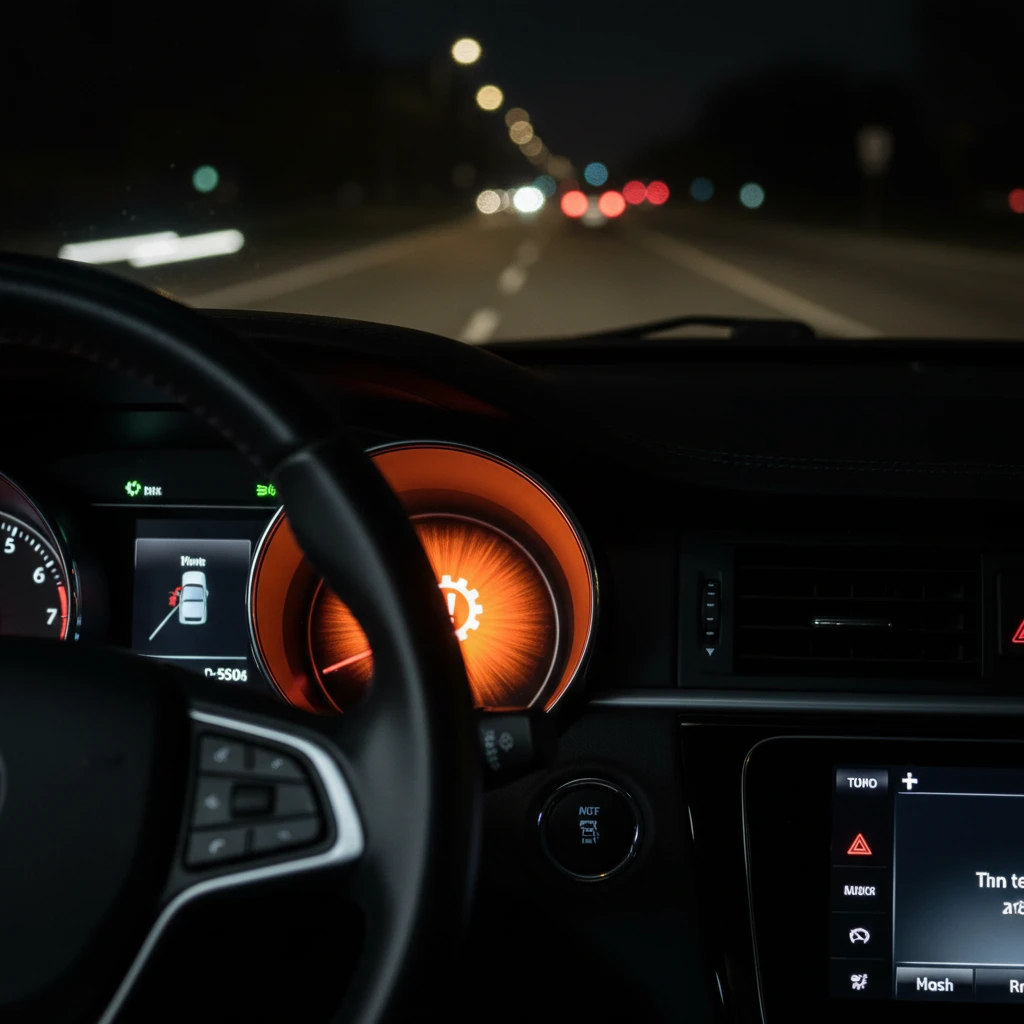
The transmission warning light is a critical indicator of your vehicle’s health, specifically concerning one of its most vital and intricate components: the transmission. This light, often appearing as a gear icon with an exclamation mark, a thermometer, or simply the word ‘TRANS’, is triggered when your car’s onboard computer (ECU) detects an anomaly or malfunction within the transmission system. It serves as an urgent alert, indicating that something is amiss, ranging from minor sensor issues to severe mechanical failures that could leave you stranded or lead to extremely costly repairs.
Understanding the specific nuance of what the light indicates is crucial. While some vehicles might have a general transmission warning light, others may offer more specific alerts, such as an overheating transmission light or a low fluid pressure warning. Regardless of the specific icon, the underlying message is clear: do not ignore it. The transmission is responsible for transferring power from the engine to the wheels, allowing your vehicle to shift gears smoothly and maintain optimal performance. Any fault within this system can severely impact your car’s driveability, fuel efficiency, and overall safety.
Common underlying issues that can trigger this warning light include insufficient transmission fluid levels, excessive heat causing the fluid to degrade, faulty sensors sending incorrect data to the ECU, worn-out clutch packs, issues with the valve body, or electrical problems affecting solenoids. Each of these problems, if left unaddressed, can rapidly escalate from a manageable repair to a complete transmission overhaul or replacement, which can easily be one of the most expensive repairs your vehicle might ever need. Prompt diagnosis by a qualified professional in Auckland is therefore not just recommended, but essential.
Immediate Steps to Take When Your Transmission Warning Light Comes On
When the transmission warning light suddenly illuminates, panic can set in, but a calm and methodical approach is vital to prevent further damage. Your immediate actions can significantly influence the severity of the problem and the eventual repair costs. The first and most crucial step is to reduce speed safely and pull over to the side of the road as soon as it is safe to do so. Continuing to drive with a transmission fault can rapidly exacerbate the issue, turning a minor repair into a major breakdown.
Once safely stopped, engage your hazard lights. Before deciding whether to proceed, observe your vehicle for any other noticeable symptoms. Are you experiencing strange noises, such as grinding or whining? Is there any burning smell, which often indicates overheating transmission fluid? Does the vehicle struggle to engage gears, or is it stuck in ‘limp mode,’ where it only allows low speeds to protect itself? If you notice any of these severe symptoms, it is highly advisable not to drive the vehicle further. Instead, turn off the engine to prevent potential damage from escalating.
If your vehicle permits, and you are comfortable doing so, you can perform a rudimentary check of your transmission fluid. Consult your owner’s manual for the correct procedure, as some vehicles require the engine to be running and warm, while others need it to be off. Check for both the level and the condition of the fluid. Healthy transmission fluid is typically red or pink and clear, with no burning smell. If the fluid is low, dark, murky, or smells burnt, it is a strong indication of a problem. However, even if the fluid appears fine, the light signals an internal issue that only professional diagnostic tools can accurately pinpoint. At this stage, your best course of action is to contact a reliable mobile mechanic in Auckland to arrange for an on-site inspection and diagnostic scan, avoiding the need for costly towing.
Why a Mobile Diagnostic Scan is Crucial for Error Codes in Auckland
In today’s automotive landscape, modern vehicles are equipped with sophisticated onboard diagnostic (OBD-II) systems that monitor various components, including the transmission. When a fault occurs, the vehicle’s computer logs a specific diagnostic trouble code (DTC) and often illuminates the transmission warning light. While the light tells you there’s a problem, it doesn’t tell you *what* the problem is. This is where a professional diagnostic scan becomes indispensable, especially when conducted by a mobile mechanic in Auckland.
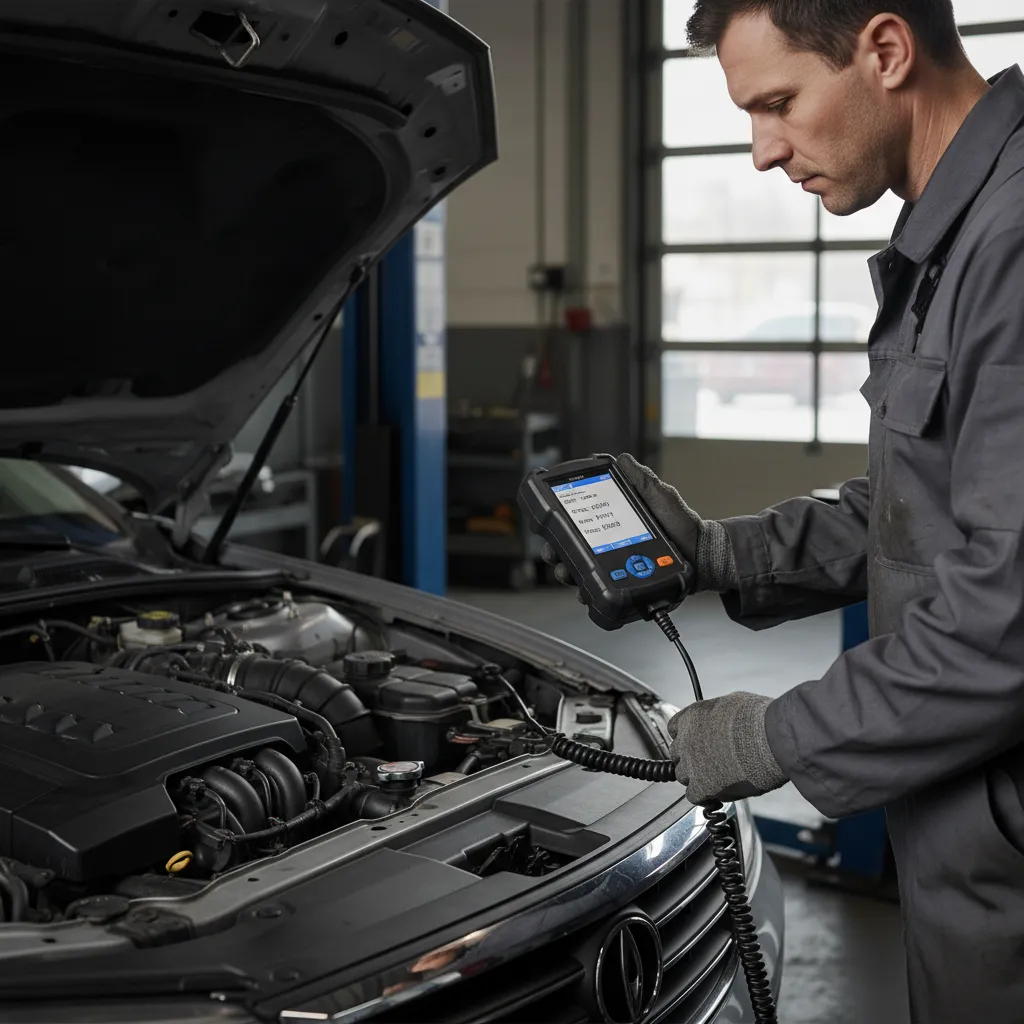
A mobile diagnostic scan involves connecting a specialised scan tool to your vehicle’s OBD-II port. This tool communicates with the ECU, retrieves any stored DTCs, and provides crucial insights into the nature of the transmission issue. These codes are not just random numbers; they are specific identifiers that point to particular system malfunctions, such as ‘P0700 Transmission Control System Malfunction,’ ‘P0740 Torque Converter Clutch Circuit Malfunction,’ or ‘P0720 Output Shaft Speed Sensor Circuit Malfunction.’ Understanding these codes is the first step towards an accurate and efficient repair.
The advantage of using a mobile mechanic for this service in Auckland is convenience and speed. Instead of arranging for a tow truck, incurring additional costs, and waiting for an appointment at a traditional garage, a mobile mechanic can come directly to your location – whether you’re at home, work, or stranded by the roadside. They can perform the diagnostic scan on-site, providing you with immediate information about the severity and potential cost of the repair. This eliminates guesswork, saves you time and money on towing, and allows for a more rapid assessment of whether your vehicle can be safely driven or if further assistance is required. An accurate diagnostic scan is the cornerstone of effective transmission repair, preventing unnecessary part replacements and ensuring that the real problem is addressed from the outset.
Common Transmission Problems Indicated by the Warning Light
The transmission warning light can be triggered by a wide array of underlying issues, each with its own set of symptoms and potential repair complexities. Identifying these common problems is crucial for understanding the mechanic’s diagnosis and making informed decisions about your vehicle’s care.
Low or Contaminated Transmission Fluid
Perhaps the most frequent culprit, low transmission fluid can lead to overheating, poor lubrication, and increased wear on internal components. Contaminated fluid, often appearing dark, murky, or smelling burnt, indicates degradation and loss of its lubricating properties, potentially causing sludge buildup and restricting fluid flow. Regular fluid checks and timely changes are essential preventative measures.
Overheating Transmission
Excessive heat is the transmission’s worst enemy. Overheating, often caused by low fluid, heavy towing, aggressive driving, or a clogged transmission cooler, can quickly break down the fluid and warp internal components. A dedicated transmission temperature warning light may illuminate, or the general warning light will appear. Ignoring overheating can lead to complete transmission failure.
Solenoid Failures
Solenoids are electronic valves that control the flow of transmission fluid, enabling gear changes. If a solenoid malfunctions or gets stuck, it can cause erratic shifting, delayed engagement, or prevent certain gears from being selected. The ECU will detect this inconsistency and trigger the warning light.
Sensor Malfunctions
Modern transmissions rely on various sensors, such as input and output speed sensors, pressure sensors, and temperature sensors, to provide the ECU with vital data for precise operation. A faulty sensor can send incorrect readings, leading the transmission to operate incorrectly or go into ‘limp mode,’ and naturally, the warning light will activate.
Valve Body Issues
The valve body is the hydraulic control center of an automatic transmission, directing fluid pressure to activate clutches and bands for gear changes. Problems like clogged passages, worn valves, or sticking components within the valve body can lead to rough shifting, delayed engagement, or complete loss of gears, prompting the warning light.
Clutch Pack Wear (Automatic Transmissions)
Inside automatic transmissions, clutch packs engage and disengage to facilitate gear changes. Over time, these friction materials wear down, leading to slipping gears, delayed engagement, or a burning smell. As the wear becomes significant, the transmission’s computer detects the abnormal operation and activates the warning light.
Gear Synchronization Problems (Manual Transmissions)
While less common for the light to solely indicate this in manual transmissions, issues with synchronizers can lead to difficulty shifting gears or grinding noises. More typically, manual transmission warnings relate to associated sensors or electrical components rather than internal mechanical wear directly.
The Risks of Ignoring Your Transmission Warning Light
Ignoring a glowing transmission warning light is akin to ignoring a severe pain signal from your body; it rarely leads to a positive outcome. The consequences of delaying inspection and repair can range from inconvenient and costly to outright dangerous, especially given Auckland’s varied driving conditions.
Firstly, a minor issue, if left unaddressed, almost invariably escalates into a major, more expensive problem. For instance, a small leak leading to low fluid can cause overheating and eventually seize internal components. What might have been a simple fluid top-up or gasket replacement can quickly morph into a complete transmission rebuild or replacement, costing thousands of dollars. The longer you drive with a fault, the greater the internal wear and damage become, reducing the chances of a cost-effective repair.
Secondly, complete transmission failure is a very real possibility. When a transmission fails entirely, your vehicle loses its ability to transmit power to the wheels, leaving you stranded. This can happen suddenly and without much warning once the initial light is ignored. Being stuck on a busy Auckland motorway or a remote road can be not only incredibly frustrating but also a significant safety hazard, putting you and other road users at risk.
Beyond the financial burden and the risk of stranding, ignoring transmission issues can compromise your vehicle’s safety. Erratic shifting, sudden loss of power, or unexpected jerking can occur, making the vehicle unpredictable and difficult to control. This increases the risk of accidents, especially in stop-and-go traffic or when merging onto busy roads. Furthermore, sustained damage due to neglect can significantly reduce your vehicle’s resale value, as potential buyers are wary of a car with a history of major mechanical problems.
In summary, the immediate inconvenience or cost of addressing the transmission warning light pales in comparison to the potential expenses, dangers, and frustrations associated with ignoring it. Timely action is not just about saving money; it’s about ensuring your safety and the longevity of your vehicle.
Preventing Serious Transmission Damage and Future Warning Lights in Auckland
While some transmission issues can arise unexpectedly, many can be prevented through diligent maintenance and responsible driving habits. Proactive care is the best defence against the expense and inconvenience of transmission failure, especially for Auckland drivers who navigate diverse urban and sometimes challenging terrains.
Regular Transmission Fluid Changes
Transmission fluid is the lifeblood of your transmission, lubricating components, cooling the system, and enabling hydraulic pressure for gear changes. Over time, it degrades and loses its effectiveness. Consult your vehicle’s owner’s manual for recommended service intervals, typically every 40,000 to 100,000 kilometres, or more frequently if you tow heavy loads or drive aggressively. Using the correct type of fluid is paramount, as specified by the manufacturer. Regularly checking the fluid level and condition is also vital.
Scheduled Maintenance and Inspections
Beyond fluid changes, adhere to your vehicle’s overall service schedule. During routine maintenance, a qualified mechanic can often spot early signs of transmission trouble, such as leaks, worn hoses, or unusual noises, before they escalate into major problems. Preventative inspections can identify potential issues with sensors, solenoids, or wiring that might otherwise trigger a warning light down the line. For further insights on comprehensive vehicle care, consider resources like Wikipedia’s guide to car maintenance.
Mindful Driving Habits
Your driving style significantly impacts transmission longevity. Avoid harsh acceleration and braking, which put undue stress on the transmission. If your vehicle has a ‘sport’ mode, use it judiciously. When towing, ensure you stay within your vehicle’s specified towing capacity and consider using an external transmission cooler if you frequently haul heavy loads. Allowing your vehicle to warm up slightly before driving aggressively, especially in colder weather, can also help.
Addressing Minor Issues Promptly
Don’t wait for the transmission warning light to illuminate before addressing minor concerns. If you notice subtle changes in shifting behaviour, slight delays in engagement, or unusual noises, get them checked out immediately. Early intervention can prevent these small anomalies from developing into serious and costly repairs. A mobile mechanic can offer convenient assessments at your home or workplace.

Choosing the Right Mobile Mechanic for Transmission Issues in Auckland
When faced with a transmission warning light in Auckland, selecting the right mechanic is as crucial as addressing the issue itself. A specialized and trustworthy professional can make all the difference in accurately diagnosing the problem and providing a reliable, cost-effective solution. Here’s what to consider when choosing a mobile mechanic for your transmission concerns.
Experience with Transmissions
Transmissions are complex systems. Look for a mobile mechanic who has specific experience and expertise in diagnosing and repairing transmission problems across various vehicle makes and models. Ask about their qualifications and any specialized training they have received regarding transmission systems. An experienced mechanic will be more adept at accurately interpreting diagnostic codes and identifying the root cause of the issue.
Advanced Diagnostic Equipment
As discussed, modern transmissions rely heavily on electronic controls. Ensure the mobile mechanic uses up-to-date, professional-grade diagnostic scan tools capable of communicating with your vehicle’s specific ECU and retrieving transmission-related error codes. Basic OBD-II readers might identify a general fault, but advanced scanners provide more detailed data streams and manufacturer-specific codes essential for precise diagnosis.
Reputation and Reviews
In Auckland, as anywhere, word-of-mouth and online reviews are powerful indicators of a mechanic’s reliability and quality of service. Check online platforms for customer testimonials and ratings. Look for mechanics with consistently positive feedback regarding their professionalism, diagnostic accuracy, transparency in pricing, and the effectiveness of their repairs. A good reputation often correlates with high-quality service.
Transparent Pricing and Communication
Before any work begins, a reputable mobile mechanic should provide a clear and detailed estimate of the diagnostic and repair costs. They should be able to explain the problem in understandable terms, outline the necessary repairs, and answer any questions you may have. Avoid mechanics who are vague about pricing or push for extensive, unexplained repairs. Transparency fosters trust, which is vital when dealing with significant vehicle repairs. For general advice on consumer rights when dealing with mechanics, resources like Consumer NZ’s guide to car repairs and servicing can be helpful.
Convenience of Mobile Service
The primary benefit of a mobile mechanic is convenience. Confirm their service area covers your location in Auckland and inquire about their availability. The ability to have the repair done at your home or workplace saves you the hassle and expense of towing your vehicle to a workshop, making a stressful situation much more manageable.
Ultimately, choosing the right mobile mechanic ensures that your transmission issue is handled expertly, providing peace of mind and getting you back on the road safely and efficiently.
The illumination of your transmission warning light in Auckland is a serious indicator that demands immediate attention. Ignoring it can lead to catastrophic damage, costly repairs, and potential safety hazards. By taking immediate steps to pull over safely, contacting a reputable mobile mechanic for an on-site diagnostic scan, and committing to preventative maintenance, you can protect your vehicle’s vital transmission system and ensure your safety on the road. Don’t delay; act swiftly to address this critical warning and keep your vehicle running smoothly.
People Also Ask
What does the transmission warning light look like?
The transmission warning light typically appears as a gear icon with an exclamation mark in the center, or sometimes a thermometer icon if it indicates overheating. In some vehicles, it might be a simple text message like “TRANS” or “TRANSMISSION WARNING.” Its color is usually amber or red, signaling an urgent issue.
Can I drive with the transmission warning light on?
It is strongly advised not to drive with the transmission warning light on. Doing so risks exacerbating the underlying problem, leading to more severe and costly damage, or even complete transmission failure. If the light illuminates, pull over safely as soon as possible and contact a qualified mechanic for immediate assistance.
How much does a transmission diagnostic scan cost in Auckland?
The cost of a transmission diagnostic scan in Auckland can vary, but generally, mobile mechanics offer competitive rates, often between $80-$150. This fee typically covers the mechanic coming to your location, connecting to your vehicle’s OBD-II system, retrieving error codes, and providing an initial assessment of the problem.
What are the signs of a bad transmission?
Signs of a bad transmission include delayed or rough shifting, grinding or whining noises, a burning smell, slipping gears, fluid leaks (red or brown liquid under the car), or your vehicle refusing to go into gear. The transmission warning light illuminating is often one of the earliest and most critical indicators.
How often should transmission fluid be changed?
Transmission fluid change intervals vary significantly by vehicle manufacturer and driving conditions. Generally, it’s recommended every 40,000 to 100,000 kilometres. Always consult your vehicle’s owner’s manual for the specific recommendation, and consider more frequent changes if you frequently tow or drive in demanding conditions.
Is it cheaper to repair or replace a transmission?
Repairing a transmission is almost always cheaper than replacing it, provided the damage is not catastrophic. A repair might involve replacing specific components like solenoids or sensors, whereas a full replacement means installing an entirely new or reconditioned transmission. A thorough diagnostic scan is crucial to determine if a repair is viable and cost-effective.