
Toyota service Auckland refers to professional automotive maintenance tailored to Toyota vehicles within the Auckland region, encompassing routine oil changes, safety inspections, and model-specific repairs. To ensure vehicle longevity and warranty compliance, owners must utilize qualified technicians who adhere to the manufacturer’s scheduled maintenance logbook, using appropriate viscosity oils and diagnostic tools compatible with Toyota’s proprietary systems.
Understanding Toyota Maintenance Needs
Toyota has built a global reputation for reliability, often cited as the gold standard in automotive durability. However, the perception that these vehicles can run indefinitely without care is a misconception. While Toyotas are engineered to withstand significant wear, their longevity is directly tied to the quality of maintenance they receive. In the context of Auckland’s diverse driving environment—ranging from the stop-start traffic of the Southern Motorway to the winding coastal roads of the North Shore—regular servicing is the firewall between a car that lasts 300,000 kilometers and one that fails prematurely.
Professional servicing goes beyond a simple oil change. It involves a holistic health check of the vehicle’s critical systems, including braking components, suspension geometry, and electronic engine management systems. For modern Toyotas, which are increasingly reliant on complex sensors and hybrid powertrains, a specialized understanding of the brand’s engineering logic is essential.
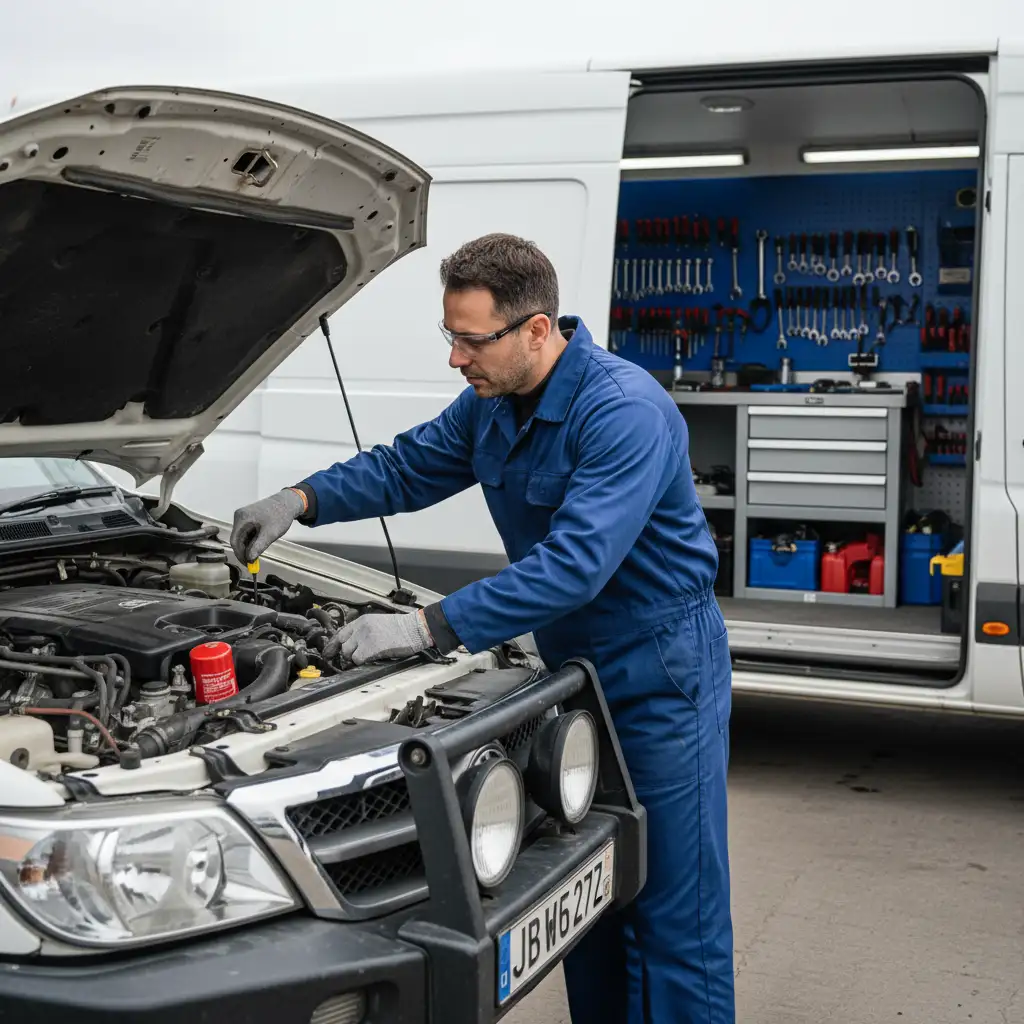
Recommended Service Intervals for NZ Conditions
One of the most common debates among vehicle owners is the frequency of servicing. While the owner’s manual provides a baseline, New Zealand driving conditions are often classified under “severe” categories due to short trips, hilly terrain, and high humidity.
Standard vs. Severe Service Schedules
Typically, Toyota recommends servicing intervals of every 15,000 kilometers or 12 months, whichever comes first. However, for many Auckland drivers, a 10,000-kilometer interval is far more appropriate. Frequent short trips—common in Auckland suburbs—prevent the engine oil from reaching optimal operating temperatures, leading to sludge build-up. Furthermore, heavy traffic idling places stress on the cooling system and transmission fluid that isn’t reflected on the odometer.
The Importance of Fluid Specifications
Using the correct fluids is critical. Modern Toyota engines, particularly those with Variable Valve Timing-intelligent (VVT-i) technology, require low-viscosity oils (such as 0W-20 or 5W-30) to function correctly. Using a generic, thicker oil can starve the upper cylinder head of lubrication during cold starts, causing long-term damage to the camshafts and timing chain tensioners.
Common Toyota Problems by Model
While Toyotas are robust, specific models exhibit recurring issues that a specialized Auckland mobile mechanic will be on the lookout for. Understanding these potential failure points allows for preventative maintenance.
Toyota Hilux: DPF and Injector Seals
The Toyota Hilux is a staple of NZ roads. However, the diesel variants, particularly the 1GD-FTV engines, have faced scrutiny regarding the Diesel Particulate Filter (DPF). In city driving conditions where high exhaust temperatures are rarely sustained, the DPF can become clogged, forcing the vehicle into “limp mode.” Regular forced regeneration or chemical cleaning during a service can mitigate this.
Additionally, copper injector seating washers in older D-4D engines are prone to failure. If left unchecked, this causes blow-by gases to enter the crankcase, leading to oil carbonization (sludge) that can block the oil pickup screen and cause catastrophic engine failure.
Toyota Prius & Hybrids: Battery and Inverter Cooling
Auckland has a high density of hybrid vehicles. The primary concern for aging Prius or Aqua models is the High Voltage (HV) battery degradation. A specialized service should always include a “hybrid health check” to analyze the voltage delta between battery blocks. Furthermore, the inverter coolant pump is a known weak point; failure here can lead to the inverter overheating, a repair that is significantly more expensive than the pump replacement.
Toyota Corolla: CVT Transmission Issues
The Corolla is the epitome of reliability, but models equipped with the CVT (Continuously Variable Transmission) require strict maintenance. Neglecting transmission fluid changes can lead to a “shudder” during acceleration. Unlike traditional automatics, CVTs rely heavily on the friction properties of the fluid. Once the fluid degrades, the metal belt can slip, causing permanent damage to the pulleys.
Toyota Hiace: Cooling System and Turbos
Widely used by Auckland tradespeople, the Hiace is a workhorse. Common issues often stem from the cooling system. Because the engine is situated under the seats, airflow is restricted compared to a bonneted vehicle. Radiators can crack along the plastic tanks due to heat cycling. Turbocharger failures are also seen in high-mileage units, often caused by infrequent oil changes leading to oil starvation in the turbo bearing cartridge.

The Mobile Mechanic Advantage in Auckland
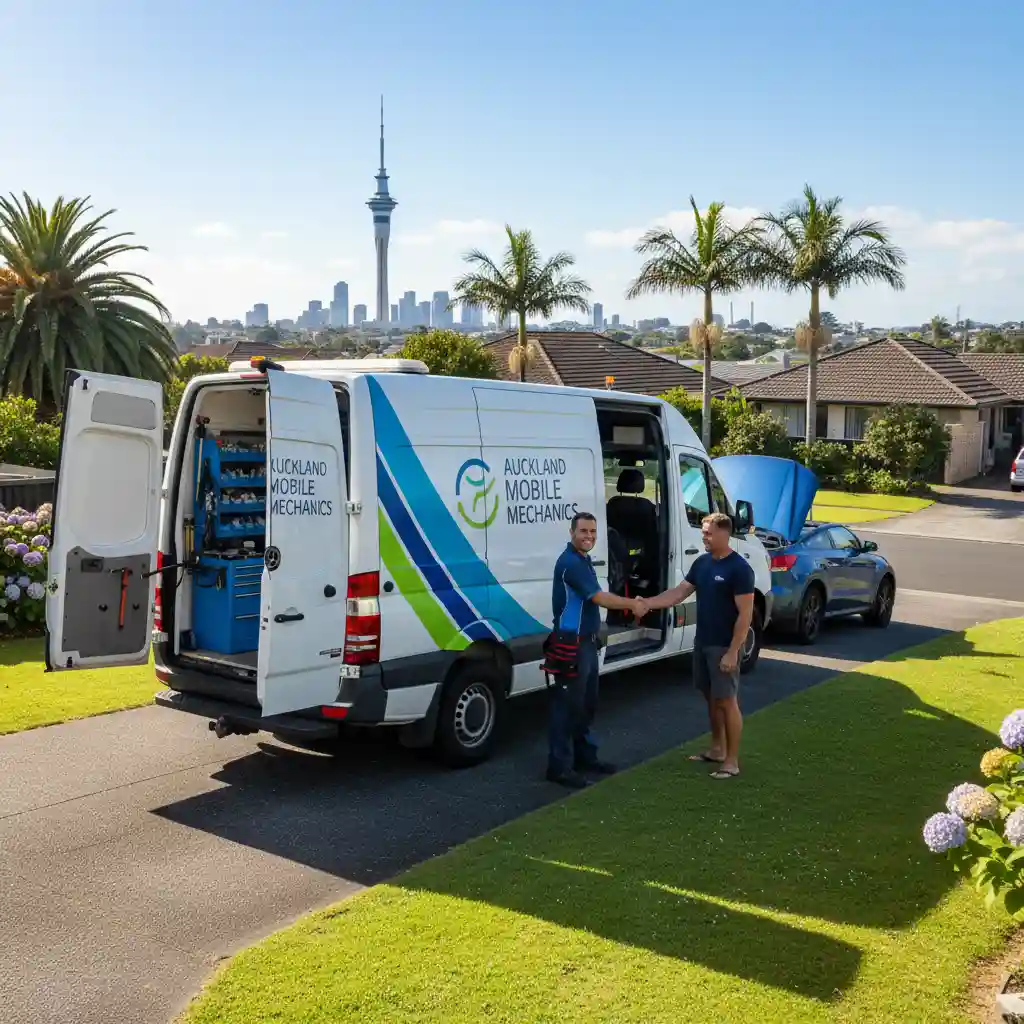
The traditional model of dropping a car off at a dealership and finding your own way to work is becoming obsolete, especially given Auckland’s challenging traffic congestion. This shift in consumer behavior has given rise to the high-demand niche of the Auckland mobile mechanic.
Convenience and Time Efficiency
A mobile Toyota service eliminates the logistical nightmare of car maintenance. Whether you are in the CBD, West Auckland, or the North Shore, a mobile unit comes to you. This is particularly beneficial for fleet owners (like those running Hiace vans) who cannot afford the downtime of having vehicles sitting in a workshop queue for hours.
Transparency and Trust
One of the hidden benefits of mobile mechanics is transparency. You can physically see the work being done on your driveway. There is no “behind closed doors” workshop. If a mechanic recommends replacing brake pads, they can show you the wear indicator immediately. This direct interaction builds a level of trust that is often missing in large dealership environments.
Genuine vs. High-Quality Aftermarket Parts
A critical decision during any service is the choice of parts. Should you stick strictly to Toyota Genuine Parts, or are aftermarket alternatives acceptable?
When to Use Genuine
For critical sensors, electronic components, and internal engine parts (like timing belts or chains), genuine parts are strongly recommended. Toyota’s strict quality control ensures these parts communicate perfectly with the ECU. For example, aftermarket oxygen sensors often have slightly different resistance values, which can trigger a Check Engine Light even if the part is technically working.
When Aftermarket is Acceptable
For consumables like brake pads, rotors, and cabin filters, high-quality aftermarket brands (such as Brembo, Ryco, or Bendix) often offer performance that equals or exceeds OEM specifications at a lower price point. A knowledgeable mechanic will know which aftermarket brands are reliable. According to Wikipedia, Toyota’s production system emphasizes quality, but reputable third-party manufacturers often supply the OEM parts initially, meaning the “aftermarket” box sometimes contains the exact same part as the “genuine” box, just without the Toyota branding.
Auckland Specific Driving Challenges
Servicing a Toyota in Auckland requires an understanding of the local geography and climate.
Corrosion and Coastal Air
Auckland is an isthmus, meaning no location is far from the sea. Salt-laden air accelerates corrosion on underbody components, brake lines, and suspension bolts. A thorough service in this region should always include an underbody inspection for rust, particularly for vehicles imported from Japan that may not have adequate undersealing.
Topography and Brake Wear
The hilly terrain of suburbs like Titirangi or the steep driveways of the North Shore puts extra strain on braking systems and parking brakes. It is common to see uneven brake pad wear on Auckland vehicles. Regular caliper slide lubrication is essential to prevent brakes from seizing, a service step often skipped by quick-lube shops.
For more information on vehicle safety standards in New Zealand, you can refer to the NZ Transport Agency (Waka Kotahi) guidelines on Warrants of Fitness, which align closely with regular service checks.
Frequently Asked Questions
Below are common questions regarding Toyota servicing in the Auckland region.
How much does a standard Toyota service cost in Auckland?
The cost of a Toyota service in Auckland typically ranges from $180 to $350 for a basic service, depending on the model and oil requirements. Comprehensive services including transmission fluids or spark plugs can range from $450 to $800. Mobile mechanics often offer competitive pricing due to lower overheads compared to dealerships.
Do I have to service my Toyota at a dealership to keep the warranty?
No, you do not. Under New Zealand consumer law, you can have your vehicle serviced by any qualified independent mechanic without voiding the manufacturer’s warranty, provided the service is carried out according to the manufacturer’s specifications and genuine or equivalent quality parts and fluids are used.
How often should I service my Toyota Hybrid battery?
The high-voltage hybrid battery does not require traditional “servicing” like an engine, but the cooling fan intake filter should be checked and cleaned every 15,000km. A diagnostic health check of the battery cells is recommended annually for vehicles over 8 years old to detect early signs of degradation.
What is included in a major Toyota service?
A major service typically includes engine oil and filter replacement, air filter replacement, cabin filter replacement, spark plug replacement (if due), brake fluid flush, coolant check/flush, a comprehensive safety inspection of brakes/suspension, and a diagnostic scan of the vehicle’s electronic systems.
Why is my Toyota Hilux DPF light on?
The DPF (Diesel Particulate Filter) light usually indicates the filter is becoming clogged with soot. This often happens with frequent short trips where the engine doesn’t get hot enough to burn off the soot. You may need a “forced regeneration” performed by a mechanic with a diagnostic tool.
Can a mobile mechanic do everything a dealership can?
Mobile mechanics can perform 90% of maintenance and repair tasks, including servicing, brake repairs, alternator replacement, and diagnostics. However, heavy jobs requiring a vehicle hoist for extended periods (like an engine rebuild or clutch replacement) are usually better suited to a workshop environment.