
Toyota Hilux problems in Auckland typically involve Diesel Particulate Filter (DPF) blockages caused by city traffic, fuel injector seal failures in 1KD-FTV engines, and suspension wear from heavy towing. Addressing these issues requires specialized diagnostics. Mobile mechanics in Auckland offer convenient, on-site solutions to identify and repair these common faults without the need for towing.
The Toyota Hilux is arguably New Zealand’s most iconic vehicle, serving as the backbone for tradespeople, farmers, and outdoor enthusiasts across the region. Its reputation for indestructibility is legendary, yet no machine is immune to wear and tear. For owners in the Auckland region, the specific combination of stop-start city traffic, humid coastal air, and rugged weekend terrain can accelerate specific mechanical failures.
Understanding the common pitfalls of the Hilux—spanning the older N70 generation to the modern N80 series—is crucial for maintaining the vehicle’s longevity. Whether you are dealing with the notorious “death rattle” of the diesel engine or a stubborn DPF warning light on the Southern Motorway, knowing when to call a mobile mechanic can save you thousands in catastrophic repair bills. This guide provides a comprehensive breakdown of the most frequent Toyota Hilux problems Auckland owners face and how mobile diagnostic services provide efficient solutions.
Known Hilux Engine & Drivetrain Issues
The heart of the Hilux is its diesel powertrain. While generally robust, specific engine codes—particularly the 3.0L 1KD-FTV and the newer 2.8L 1GD-FTV—have documented weaknesses that every owner should monitor.
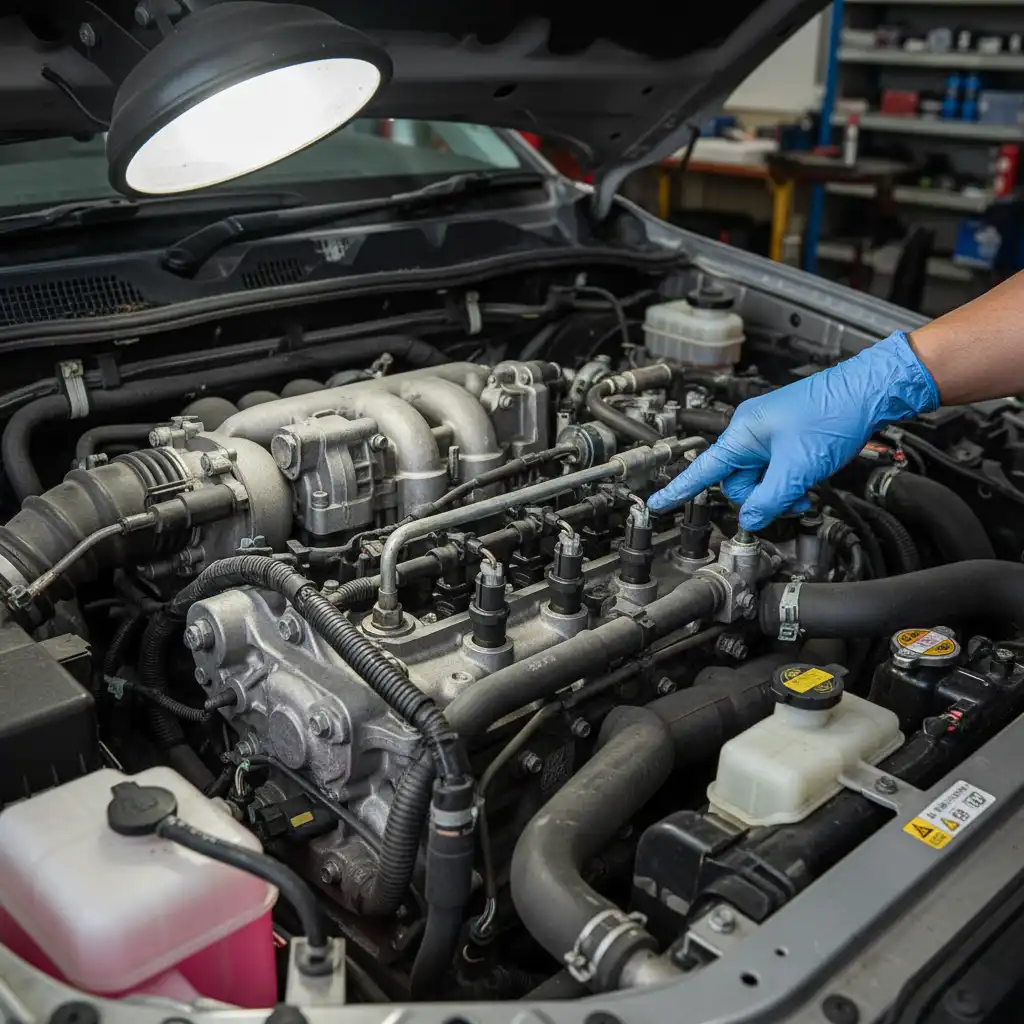
1. The 1KD-FTV Injector Seal Failure
For Hilux models produced between 2005 and 2015, the 3.0L D-4D engine is a workhorse, but it suffers from a critical flaw: the copper injector seals. Over time, these seals degrade, allowing combustion gases to blow back into the rocker cover. This process, often referred to as “blow-by,” causes the engine oil to carbonize and thicken into a sludge that blocks the oil pickup screen.
If left unchecked, this leads to oil starvation and catastrophic engine seizure. Auckland owners should listen for a distinct rattling noise on cold starts—often called the “cold start knock.” Mobile mechanics can perform an injector feedback value test using diagnostic software to catch this issue before the engine is destroyed.
2. Diesel Particulate Filter (DPF) Blockages
The newer 2.8L 1GD-FTV engines (2015 onwards) are equipped with a Diesel Particulate Filter to meet emissions standards. However, the DPF system relies on high exhaust temperatures to burn off accumulated soot (regeneration). Auckland’s heavy traffic conditions often prevent the vehicle from reaching the necessary speeds or temperatures for a complete burn cycle.
This results in the dreaded “DPF Full” warning mode, which can send the vehicle into limp mode. While Toyota has retrofitted manual burn switches in some models, chronic blockages often require a forced regeneration or a chemical clean, which a mobile technician can perform on-site.
3. Turbocharger Stepper Motor Issues
The Variable Nozzle Turbo (VNT) on the Hilux provides excellent torque, but the stepper motor controlling the vanes can fail, particularly in vehicles exposed to high heat cycles or moisture. Symptoms include a sudden loss of power, the engine warning light illuminating, and the vehicle entering limp mode. This is often misdiagnosed as a turbo failure, but frequently, it is just the electronic actuator that needs replacement or calibration.
4. Automatic Transmission Overheating
For those towing boats or trailers around the hilly suburbs of Auckland, the automatic transmission can run hot. The factory transmission cooler is adequate for standard driving but struggles under heavy load. Overheating fluid degrades quickly, leading to shuddering shifts and premature clutch pack wear. Installing an aftermarket transmission cooler is a common preventative measure recommended for work vehicles.
Suspension & Electrical System Faults
Beyond the engine, the Hilux’s chassis and electrical systems face their own set of challenges, exacerbated by New Zealand’s road conditions and environmental factors.
Leaf Spring Squeak and Sag
The rear suspension of a Hilux utilizes leaf springs to handle heavy payloads. However, the factory springs are known for two issues: squeaking and sagging. The squeaking is often caused by dirt and grit from construction sites or unsealed roads getting trapped between the leaves or in the bushings. More concerning is the sag; constant heavy loading can flatten the springs, altering the vehicle’s geometry and causing uneven tyre wear. Upgrading to heavy-duty aftermarket springs is a standard fix for tradies carrying permanent loads.
Alternator Failure Due to Mud Ingress
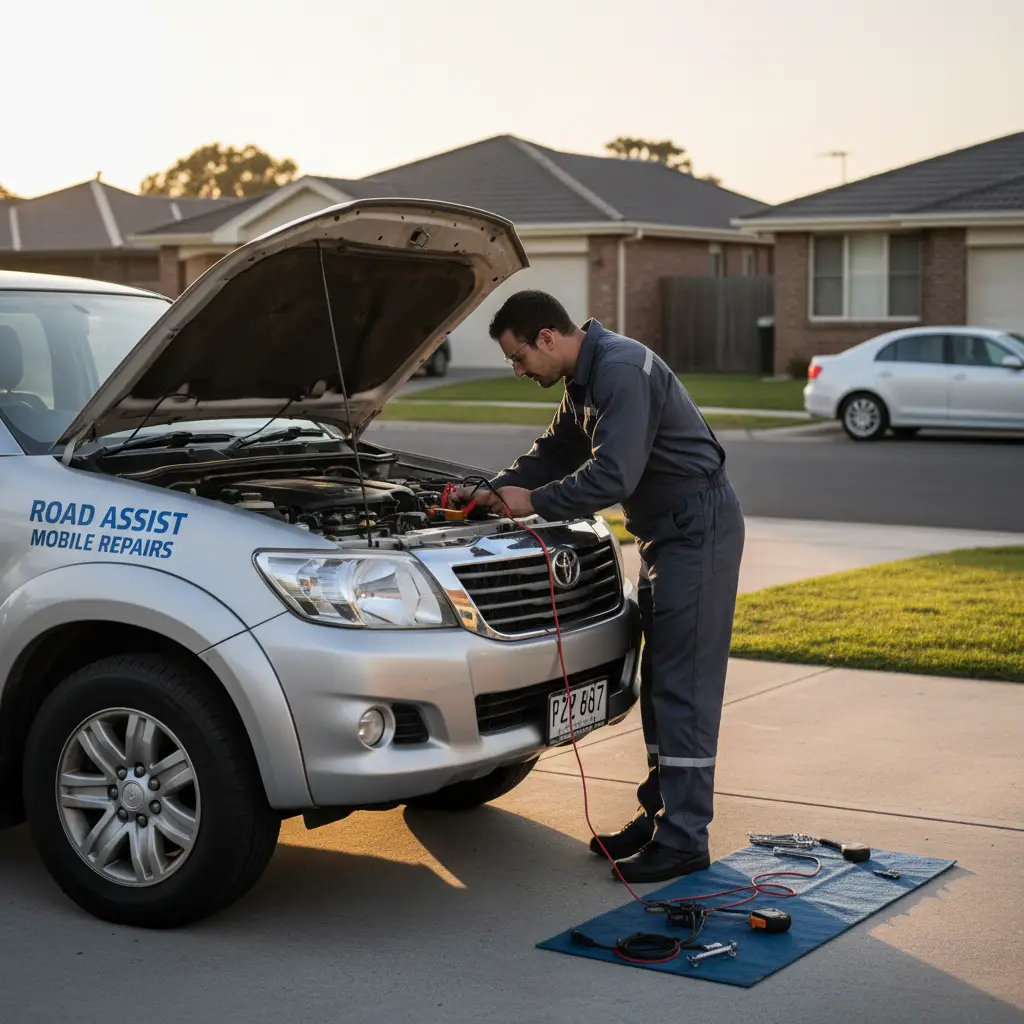
The alternator on the Hilux is mounted relatively low in the engine bay. For owners who take their vehicles off-road or drive through deep puddles during Auckland’s torrential downpours, mud and water ingress can destroy the alternator brushes and regulator. Symptoms include a battery warning light and dimming headlights. A mobile mechanic can replace the alternator on the roadside, restoring charge to the system immediately.
Spiral Cable (Clock Spring) Failure
A common electrical fault inside the cabin is the failure of the spiral cable located in the steering wheel. This component maintains the electrical connection for the airbag, horn, and steering wheel controls while the wheel turns. When it fails, the airbag warning light will illuminate, and the horn may stop working. This is a safety-critical failure that requires immediate attention to ensure the airbag deploys in an accident.
Mobile Diagnostics & Specific Fixes
The evolution of the Hilux into a computer-controlled machine means that mechanical intuition is no longer enough; advanced diagnostics are required. This is where the value of an Auckland mobile mechanic becomes apparent. Instead of towing a non-running vehicle to a dealership, a mobile technician brings the dealership-level tools to your driveway or job site.
The Importance of Techstream Diagnostics
Toyota uses a proprietary diagnostic protocol known as Techstream. While generic OBD2 scanners can read basic codes, they cannot access deep data streams such as injector compensation values, automatic transmission fluid temperatures, or specific ABS module codes. A qualified mobile mechanic specializing in Toyota Hilux problems Auckland will utilize high-level scan tools that mimic Techstream capabilities.
On-Site Injector Replacement
If diagnostics confirm injector failure, replacement is a complex job that involves removing the intercooler, throttle body, and rocker cover. Mobile mechanics are equipped to handle this heavy repair on-site. The critical step often missed by amateurs is the “coding” of new injectors. Each injector has a unique calibration code that must be programmed into the Engine Control Unit (ECU) for the engine to run smoothly. Failure to code the injectors results in rough idling and poor fuel economy.
EGR Valve Cleaning
The Exhaust Gas Recirculation (EGR) system reduces nitrogen oxide emissions by recirculating exhaust gas back into the engine intake. Over time, this mixes with oil mist to form a thick, tar-like carbon buildup that chokes airflow. This is a leading cause of power loss and black smoke. Mobile mechanics can perform an EGR clean, physically removing the valve and cooler to scrape and dissolve the carbon deposits, restoring engine breathability.
For more detailed technical information on how Diesel Particulate Filters function and why they clog, you can refer to Wikipedia’s guide on Diesel Particulate Filters, which explains the regeneration process in depth.
Maintain Your Hilux’s Reliability in Auckland
Preventative maintenance is the key to avoiding the most expensive Toyota Hilux problems Auckland owners encounter. Given the local climate and driving conditions, sticking to the factory schedule is the bare minimum; proactive care is better.
Strict Oil Change Intervals
For the 1KD and 1GD engines, oil is the lifeblood. Extended service intervals (e.g., 15,000km) are often too long for vehicles subjected to city driving or towing. Reducing the oil change interval to every 7,500km or 10,000km ensures that soot suspension in the oil doesn’t reach levels that damage the turbo bearings or timing chain tensioners.
Fuel System Defense
Diesel fuel quality can vary, and water contamination is the enemy of high-pressure common rail injection systems. Installing a secondary fuel filter (pre-filter) with a water separator is one of the best investments for a Hilux. This catches contaminants before they reach the expensive factory filter and injectors. Additionally, using a diesel fuel additive can help keep the injectors clean and lubricate the fuel pump.
Chassis and Underbody Care
Auckland is a coastal city, meaning salt air is omnipresent. Furthermore, many Hilux owners launch boats at local ramps. Surface rust on the chassis rails is common. Regular pressure washing of the underbody and the application of a lanolin-based rust inhibitor can significantly extend the life of the vehicle’s frame and suspension components.
According to the Consumer NZ automotive reliability surveys, consistent maintenance is the single biggest factor in reducing unexpected breakdown costs for utility vehicles.
Frequently Asked Questions
What are the most common problems with a Toyota Hilux?
The most common problems include fuel injector seal leaks (1KD engines), DPF blockages (1GD engines), alternator failure due to mud/water, and weak factory clutches in manual models. Suspension squeaks and leaf spring sag are also frequent issues.
Why is my Hilux DPF light on?
The DPF light indicates the filter is clogged with soot. This usually happens if the vehicle is driven only on short trips where the exhaust doesn’t get hot enough to burn off the soot. You may need a highway drive or a forced regeneration by a mechanic.
How much does it cost to replace Hilux injectors?
Replacing all four injectors on a Toyota Hilux is a significant expense, typically ranging from $2,500 to $4,000 NZD depending on whether you use genuine Toyota parts or high-quality aftermarket alternatives, including labor.
Can a mobile mechanic fix my Hilux on the side of the road?
Yes, mobile mechanics can fix many issues roadside, including alternator replacements, starter motor repairs, battery replacements, belt changes, and diagnostic scans. However, major internal engine work usually requires a workshop.
How often should I service my Toyota Hilux in Auckland?
While the factory may suggest 15,000km, it is highly recommended to service diesel Hiluxes every 10,000km (or 6 months) in Auckland due to the stop-start traffic conditions which are considered “severe driving” conditions.
What is the “death rattle” in a Hilux?
The “death rattle” is a loud knocking noise heard on cold startup, usually caused by failing fuel injectors or leaking injector seals in the 1KD-FTV engine. It indicates incorrect combustion timing and requires immediate attention to prevent piston damage.