
Timing belt replacement in Auckland is a crucial maintenance task involving the removal of an old, worn timing belt or chain and installation of a new one. This service, often performed by a mobile mechanic, prevents catastrophic engine damage, ensures optimal vehicle performance, and maintains your car’s reliability and resale value, making it a vital investment for any vehicle owner in the region.
The Critical Importance of Regular Timing Belt & Chain Changes
The timing belt or chain is one of the most vital components within your vehicle’s engine, acting as the conductor of an intricate orchestra of moving parts. Its primary role is to synchronize the rotation of the engine’s camshaft and crankshaft, ensuring that the engine valves open and close at precisely the right time in relation to the piston movement. This intricate dance is fundamental to internal combustion, allowing your engine to perform efficiently and reliably. Neglecting this crucial component can lead to catastrophic and extremely costly engine damage, often rendering the vehicle irreparable.
Understanding the Function of Your Timing Belt or Chain
While often used interchangeably in general discussion, timing belts and timing chains serve the same purpose but differ in material and typical lifespan. Timing belts are usually made of durable rubber compounds with fiber reinforcement, offering quiet operation. Timing chains, on the other hand, are constructed from metal and resemble bicycle chains, known for their enhanced durability. Regardless of whether your vehicle uses a belt or a chain, their synchronized operation is paramount. A worn timing belt or a stretched timing chain disrupts this synchronization, leading to misfires, reduced power, or, in the worst-case scenario, bent valves, damaged pistons, or even complete engine failure.
Why Regular Service Intervals are Non-Negotiable
Manufacturers provide specific service intervals for timing belt or chain replacement, typically ranging from 60,000 to 100,000 kilometers or every 5-7 years, depending on the vehicle model and operating conditions. For drivers in Auckland, factors such as frequent stop-and-go traffic, varying temperatures, and humidity can contribute to accelerated wear and tear. Adhering to these recommendations is not merely a suggestion; it’s a critical preventative measure. Replacing your timing belt or chain proactively is a significantly smaller investment than the cost of a complete engine overhaul or replacement, which can easily run into thousands of dollars. Think of it as investing in your engine’s longevity and your peace of mind.
Moreover, timing belt replacement often includes the inspection and potential replacement of related components such as the water pump, tensioners, and idler pulleys, as they are typically accessed during the same service. Replacing these items concurrently can save you additional labor costs down the line and prevent potential failures of these associated parts, which could also lead to similar severe engine damage if they seize or fail.
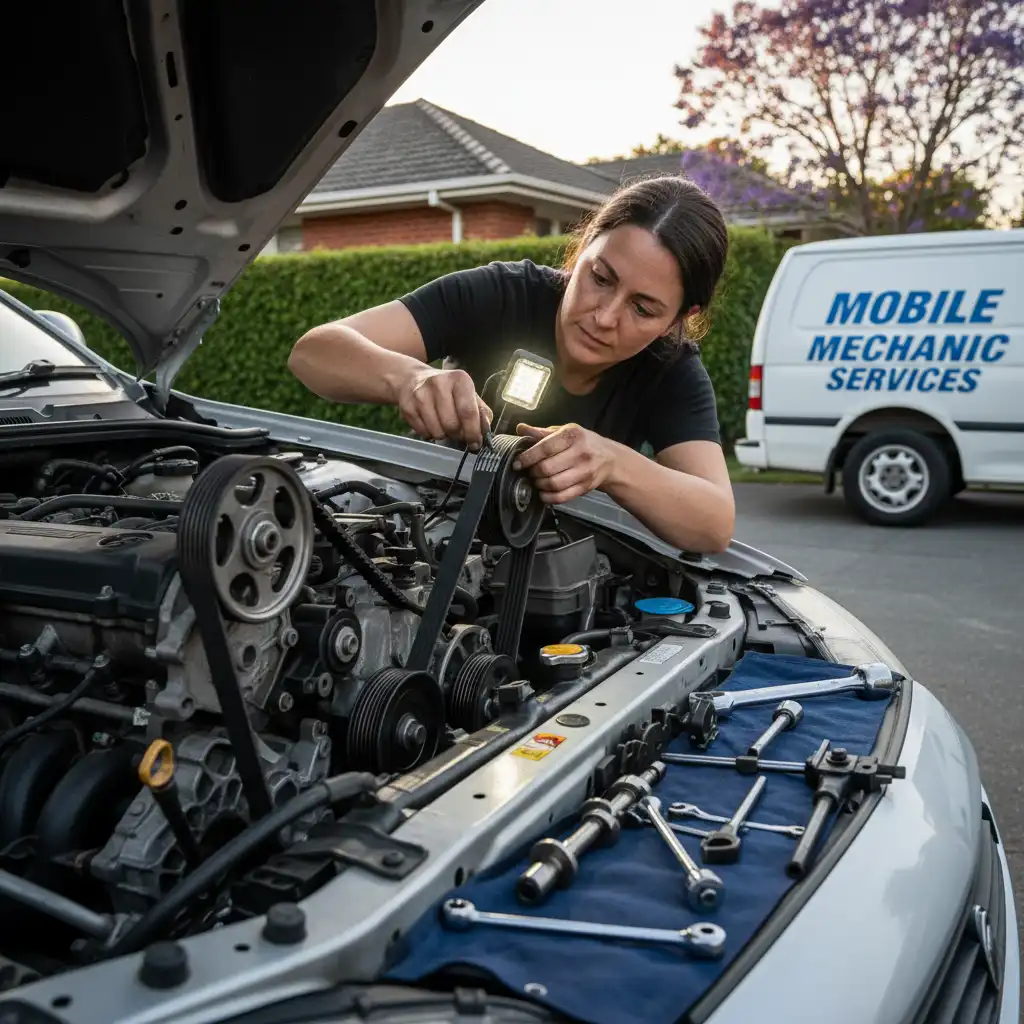
Recognizing the Symptoms of a Worn or Failing Timing Belt/Chain
Identifying the early warning signs of a failing timing belt or chain can save you from an unexpected breakdown and significant repair costs. While a timing belt often fails without immediate warning due to its internal placement, certain indicators can signal that it’s nearing the end of its service life or that an issue is developing. Being observant and understanding these symptoms is crucial for prompt action.
Common Warning Signs of Timing Belt Wear
- Ticking Noise from the Engine: A persistent ticking sound, particularly from the front of the engine, can indicate a worn timing chain or a low oil pressure issue causing the chain to not be properly tensioned. For timing belts, a slight squealing or chirping might be heard if it’s slipping, though this is less common before catastrophic failure.
- Engine Misfires or Rough Idling: If the timing belt or chain has stretched or skipped a tooth, the engine’s timing will be off. This can lead to improper valve operation, causing misfires, a rough idle, or a noticeable loss of power and acceleration. You might also experience reduced fuel efficiency.
- Difficulty Starting the Engine: A significantly worn or failing timing component can make it difficult for your engine to start. If the timing is severely out of sync, the engine may crank but not turn over, or it might struggle extensively before firing up.
- Visual Cracks or Fraying on the Belt (if accessible): While often enclosed, if your timing belt is partially visible or if you’re undergoing another service, a mechanic might spot visible cracks, fraying, or missing teeth on the belt’s surface. These are clear indicators that replacement is imminent.
- Oil Leaks Near the Engine Front: Sometimes, the timing cover gasket can fail, leading to oil leaks. While not directly a symptom of the belt itself, it suggests that components in the timing system area are experiencing issues and warrant inspection.
The Urgency of Addressing These Symptoms
It cannot be overstated: if you notice any of these symptoms, especially combined with your vehicle approaching or exceeding its recommended timing belt replacement interval, immediate professional inspection is imperative. Ignoring these signs significantly increases the risk of a complete timing belt failure. In interference engines (the vast majority of modern engines), a snapped timing belt causes the pistons to collide with the valves, leading to severe, irreparable damage to critical engine components. This scenario typically results in the need for a costly engine rebuild or a complete engine replacement, dwarfing the cost of a preventative timing belt service.
Understanding the specifics of your vehicle’s engine design is also important. Some non-interference engines might not suffer catastrophic damage from a broken timing belt, but the vehicle will still be immobilized. However, given the prevalence of interference engines, it is always safer to assume the worst and act quickly. Regular maintenance and attentive driving are your best defense against such major automotive failures.
Efficient On-Site Timing Belt & Chain Replacement Service in Auckland
In the bustling environment of Auckland, convenience and efficiency are paramount, especially when it comes to vehicle maintenance. Our mobile mechanic service specializes in providing expert timing belt and chain replacement directly at your location, whether that’s your home, workplace, or even a roadside assistance scenario. This on-site approach eliminates the traditional hassles associated with garage visits, offering a seamless and stress-free service experience tailored to your schedule.
The Unmatched Convenience of Mobile Mechanic Services
Imagine needing a critical service like a timing belt replacement but without the need to arrange transportation to and from a workshop, lose valuable time waiting, or disrupt your daily routine. Our mobile mechanics bring the fully equipped workshop to you. This means:
- Time Savings: No travel time to and from a garage, no waiting in a reception area. Your vehicle is serviced while you continue with your day.
- Flexibility: Schedule your service at a time and place that suits you best, accommodating your busy Auckland lifestyle.
- Transparency: All work is performed right in front of you, allowing for direct communication with the technician and a clear understanding of the service being performed.
- No Towing Required: If your timing belt has already failed and rendered your vehicle immobile, our mobile service saves you the considerable expense and inconvenience of towing your car to a repair shop.
Our On-Site Timing Belt & Chain Replacement Process
Our process is designed for maximum efficiency and customer satisfaction:
- Initial Consultation & Booking: Contact us with your vehicle details. We’ll provide a transparent quote and discuss suitable booking times.
- On-Site Arrival & Diagnostic Check: Our certified mobile mechanic arrives punctually at your specified location with all necessary tools, equipment, and parts. A preliminary inspection confirms the diagnosis and ensures all related components are accounted for.
- Professional Replacement: The mechanic carefully disassembles the necessary engine components to access the timing belt or chain. The old component is removed, and the new, high-quality timing belt/chain is meticulously installed, along with any associated components such as the water pump, tensioners, and idler pulleys, as deemed necessary or requested. Precision is key in this process, as incorrect tension or alignment can lead to immediate issues or premature wear.
- Post-Installation Checks & Testing: After installation, the engine is carefully reassembled, and a series of checks are performed. The engine is started and thoroughly tested to ensure correct timing, smooth operation, and no leaks or unusual noises.
- Customer Walkthrough & Payment: The mechanic will provide a detailed explanation of the work completed, offer any relevant advice for future maintenance, and answer any questions you may have. Payment is processed conveniently on-site.
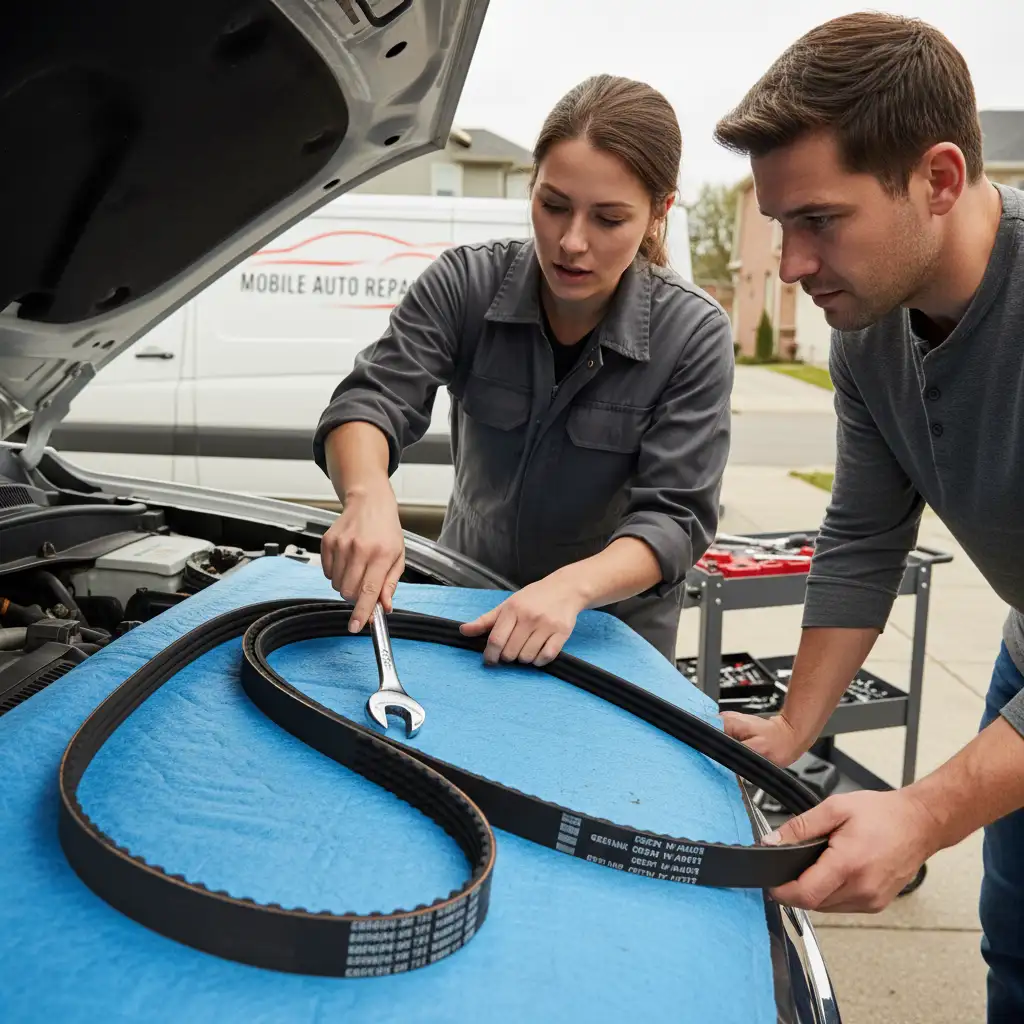
Genuine Parts & Expert Installation: Ensuring Long-Term Reliability
When it comes to a critical engine component like the timing belt or chain, the quality of the parts and the expertise of the installation are equally paramount. Opting for anything less can compromise your vehicle’s safety, performance, and longevity. Our commitment to using genuine or OEM-equivalent parts, combined with the skills of our certified technicians, ensures that your timing belt or chain replacement service in Auckland delivers lasting reliability.
The Uncompromised Value of Genuine and OEM-Equivalent Parts
Using cheap, generic aftermarket parts for a timing belt replacement is a false economy. These components often do not meet the stringent quality and durability standards of original equipment manufacturer (OEM) parts, potentially leading to premature failure and, consequently, expensive engine damage. We exclusively utilize:
- Genuine OEM Parts: These are the exact parts your vehicle was built with, designed and tested by the manufacturer for perfect fit and performance.
- High-Quality Aftermarket Parts: In cases where OEM parts are not readily available or a cost-effective alternative is preferred, we source premium aftermarket parts from reputable manufacturers that meet or exceed OEM specifications. These parts undergo rigorous testing and are backed by strong warranties.
The benefits of using quality parts extend beyond just preventing a broken belt. They include:
- Correct Fit and Functionality: Ensures proper tension, alignment, and synchronization with other engine components.
- Durability and Longevity: Designed to withstand the extreme temperatures and stresses within the engine for the recommended service interval.
- Manufacturer Warranty: Provides peace of mind and protection against manufacturing defects.
Understanding the difference between an interference engine and a non-interference engine can highlight the importance of high-quality components. Most modern engines are interference engines, meaning the valves and pistons occupy the same space at different times. A timing belt failure in such an engine almost certainly leads to catastrophic engine damage. More information on engine types and timing belt considerations can be found on resources like Wikipedia’s Interference Engine page, underscoring the necessity of using only the best parts.
The Precision and Expertise of Certified Technicians
A high-quality timing belt is only as good as its installation. Timing belt and chain replacement is one of the most complex and time-consuming services an engine requires, demanding specialized tools, precise torque settings, and an intricate understanding of engine mechanics. Our mobile mechanics are:
- Certified and Experienced: Possessing extensive training and hands-on experience with a wide range of vehicle makes and models.
- Equipped with Specialized Tools: Utilizing OEM-specific locking tools and tensioning equipment to ensure perfect alignment and tension, critical for preventing premature wear or immediate failure.
- Detail-Oriented: Every step, from disassembling peripheral components to setting timing marks and reassembling the engine, is performed with meticulous attention to detail. This includes inspecting associated components like the water pump, camshaft and crankshaft seals, and all pulleys for wear and recommending replacement if necessary.
Our commitment to combining premium parts with expert installation guarantees that your vehicle receives a timing belt or chain replacement service that restores its performance, safeguards its engine, and provides you with thousands of kilometers of reliable driving. We stand by the quality of our work, offering warranties on both parts and labor for your complete satisfaction.

People Also Ask About Timing Belt & Chain Replacement
How often should a timing belt be replaced in Auckland?
In Auckland, it’s generally recommended to replace your timing belt every 60,000 to 100,000 kilometers or every 5 to 7 years, whichever comes first. This interval can vary by vehicle manufacturer and model, so always consult your car’s owner’s manual for specific guidelines. Driving conditions, such as frequent short trips or heavy traffic, common in Auckland, can also influence wear, making regular checks important.
What are the signs of a failing timing belt?
Key signs of a failing timing belt include a ticking noise from the engine, engine misfires or rough idling, difficulty starting the engine, and, if visible, cracks or fraying on the belt itself. If your vehicle is approaching its recommended service interval and you notice any of these symptoms, it’s crucial to seek immediate professional inspection to prevent catastrophic engine damage.
Can a mobile mechanic replace a timing belt in Auckland?
Yes, absolutely! A skilled and properly equipped mobile mechanic in Auckland can efficiently replace a timing belt or chain at your home, workplace, or any convenient location. This service offers significant benefits, including time savings, flexibility, and the elimination of towing costs, providing a professional and convenient solution for this complex repair.
Is it better to replace a timing belt or chain?
Whether your vehicle uses a timing belt or chain is determined by its manufacturer and engine design; you don’t typically choose between them. Timing belts are usually quieter and require replacement at specific intervals, while timing chains are more durable, lasting longer (often the lifetime of the engine) but can stretch and make noise if not properly lubricated. Both require professional attention if showing signs of wear.
How much does timing belt replacement cost in Auckland?
The cost of timing belt replacement in Auckland can vary significantly depending on your vehicle’s make, model, engine type, and whether associated components like the water pump are replaced concurrently. It is a labor-intensive job. Expect a quote that reflects both parts and extensive labor hours. Getting a detailed, transparent quote from a reputable mobile mechanic or service center is always recommended.
What happens if I don’t replace my timing belt?
Failing to replace your timing belt can lead to catastrophic engine failure, especially in ‘interference’ engines common in modern vehicles. If the belt snaps, the engine’s pistons can collide with the valves, causing severe damage that often requires a complete engine rebuild or replacement – a significantly more expensive repair than a preventative timing belt replacement. Your vehicle will also become completely immobile.