
Subaru Forester head gasket replacement in Auckland is a critical engine repair service designed to address the common internal coolant and oil leaks found in Boxer engines. This procedure involves removing the engine or cylinder heads, machining the surfaces for flatness, and installing high-quality multi-layer steel gaskets to ensure long-term reliability for your vehicle.
Owning a Subaru Forester in Auckland offers the perfect blend of city utility and off-road capability, ideal for weekend trips to the Waitakere Ranges or navigating the daily commute across the Harbour Bridge. However, Subaru owners are often all too familiar with one specific mechanical Achilles’ heel: the head gasket. While the Subaru Boxer engine is renowned for its low center of gravity and balance, it has a historical predisposition to head gasket failure, particularly in models produced between the late 1990s and early 2010s.
If you are experiencing overheating or noticing mysterious puddles under your car, you are likely searching for a definitive solution. This guide covers everything you need to know about Subaru Forester head gasket replacement in Auckland, from identifying the symptoms to understanding the repair process provided by expert mobile mechanics.
Recognizing Head Gasket Failure in Forester
Identifying the early warning signs of a blown head gasket can save you thousands of dollars in catastrophic engine damage. The head gasket acts as the seal between the engine block and the cylinder head, keeping combustion gases, coolant, and oil separate. When this seal is breached, the results can be immediate and severe.
Overheating Issues
The most common symptom of a failing head gasket is engine overheating. In Auckland’s stop-and-go traffic, your cooling system is already under stress. If the head gasket fails, combustion gases can push into the cooling system, displacing coolant and causing the engine temperature to spike rapidly. You may notice the temperature gauge climbing into the red zone, especially when idling or climbing hills.
Coolant Loss and External Leaks
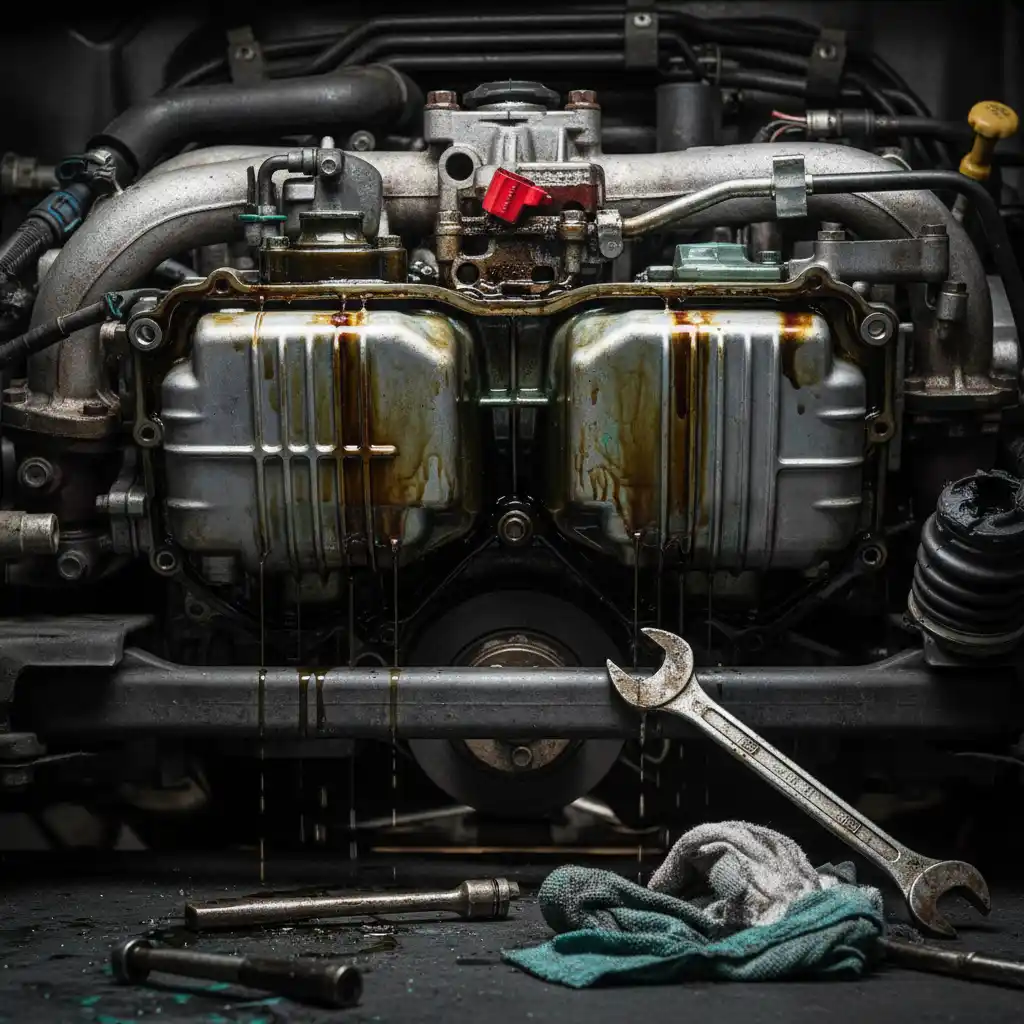
Subaru Foresters are unique in that they often develop external head gasket leaks before internal ones. You might smell a sweet, syrup-like odor (burning coolant) or see drops of oil or coolant on your driveway. Unlike other vehicles where the failure is almost always internal, the flat design of the Boxer engine allows fluids to pool and drip externally from the bottom of the cylinder heads.
The Dreaded “Milky Oil”
When a leak occurs internally between an oil gallery and a coolant passage, the two fluids mix. This results in a frothy, milkshake-like substance that can be seen on the oil dipstick or under the oil filler cap. This is a critical emergency; coolant destroys the lubricating properties of oil, which can lead to spun bearings and total engine seizure if not addressed immediately.
Why Subaru Head Gaskets Can Fail
Understanding why this happens helps in choosing the right repair method. It is not necessarily a sign of poor driving, but rather a combination of engineering design and material choices.
The Boxer Engine Design
Subaru utilizes a horizontally opposed “Boxer” engine configuration. While this provides excellent balance and handling, it also means the fluids (oil and coolant) sit against the head gaskets constantly, even when the engine is off. In an inline or V-engine, gravity drains fluids away from the gasket level when stopped. This constant exposure in a Boxer engine can accelerate the degradation of the gasket material.
Material Degradation Over Time
Early Subaru Foresters used single-layer graphite-coated composite gaskets. Over time, the graphite coating would degrade due to the thermal expansion and contraction of the aluminum engine block and heads. The scrubbing action caused by the heating and cooling cycles eventually wears away the sealing material, leading to leaks. Modern replacements utilize Multi-Layer Steel (MLS) gaskets, which are significantly more durable. For a deeper technical understanding of engine configurations, Wikipedia’s entry on Flat Engines offers extensive details on the mechanics involved.
Expert Mobile Head Gasket Repair in Auckland
Dealing with a major engine repair can be stressful, especially regarding logistics. This is where the “Auckland Mobile Mechanic” niche provides immense value. You do not always need to tow your vehicle to a distant workshop; expert help can come to you for the diagnosis and initial breakdown.
The Convenience of Mobile Mechanics
A mobile mechanic service in Auckland can arrive at your home or workplace to perform the initial pressure tests and chemical block tests to confirm the head gasket failure. This saves you the hassle and cost of towing a potentially overheating car across the city. While the heavy lifting of a head gasket job often requires a workshop environment for machining, many mobile services manage the entire logistics chain—picking up the vehicle or the engine, performing the work, and returning it to you.
Our Diagnostic Process
We don’t just guess; we verify. Our diagnostic process includes:
- TK Block Test: Testing the coolant for the presence of combustion gases (hydrocarbons).
- Cooling System Pressure Test: Pressurizing the radiator to identify external leaks.
- Cylinder Leak-Down Test: Pinpointing exactly where compression is being lost.
Machining and Resurfacing Heads
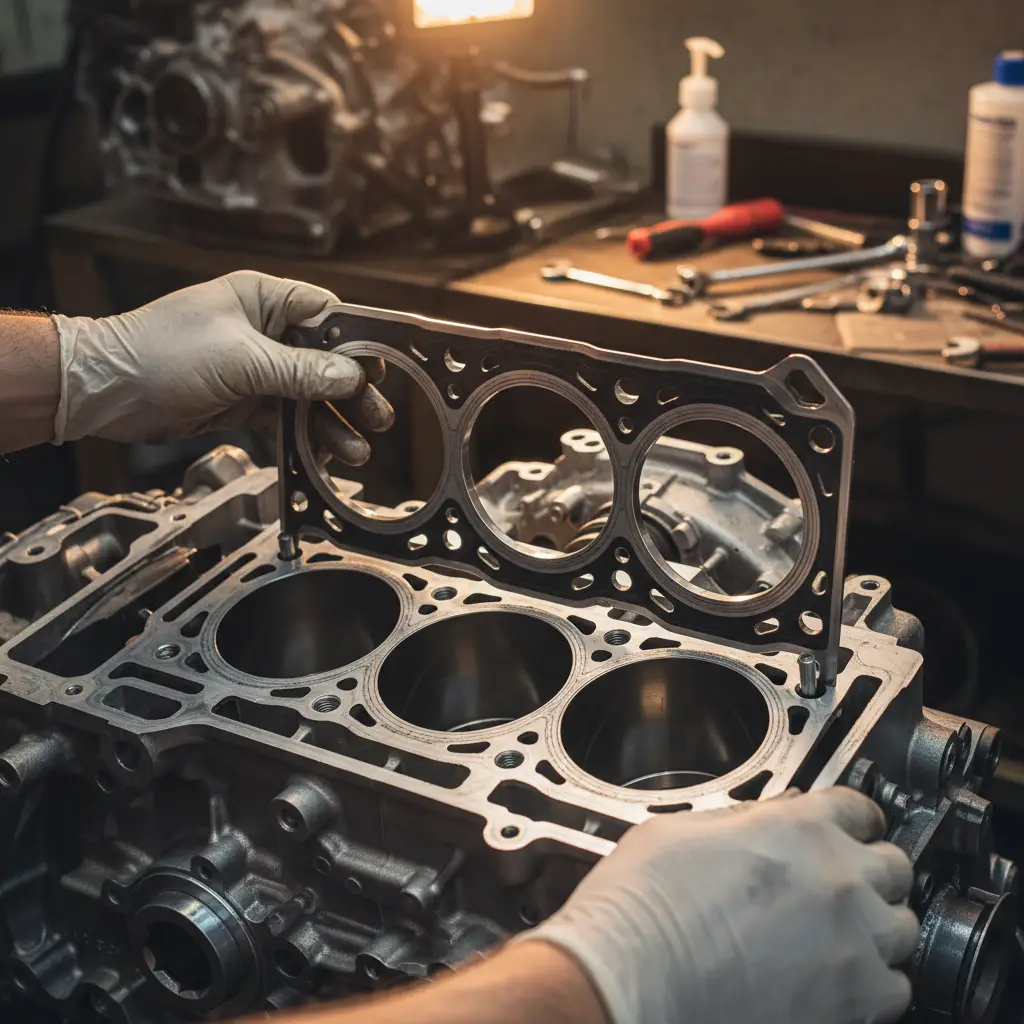
You cannot simply slap a new gasket on an old engine. When a head gasket blows, the aluminum cylinder head often warps due to heat. Expert repair must include sending the cylinder heads to a specialist machine shop to be “skimmed” or resurfaced. This ensures the mating surface is perfectly flat, which is a requirement for the new MLS gaskets to seal correctly.
The Replacement Process: Step-by-Step
A proper Subaru Forester head gasket replacement is labor-intensive. Here is what the procedure generally entails to ensure high authority and transparency.
- Engine Removal: While it is possible to do the job in the car, it is far more effective to remove the engine. This allows full access to the heads, rear main seal, and timing components.
- Disassembly: The intake manifold, exhaust manifold, and timing belt system are removed.
- Head Removal: The cylinder heads are unbolted and removed from the block.
- Cleaning and Inspection: The block surface is meticulously cleaned. The pistons are inspected for carbon buildup.
- Resurfacing: As mentioned, heads are machined to a mirror finish.
- Reassembly with Upgrades: We install high-quality Multi-Layer Steel (MLS) gaskets, which are far superior to the OEM composite gaskets.
- Timing Belt Kit: Since the timing belt must be removed to access the gaskets, it is standard practice to replace the belt, tensioner, and water pump simultaneously.
Cost-Effective Solutions for Your Forester
Auckland drivers are often concerned about the cost. A head gasket repair is an investment, but it is usually cheaper than purchasing a new vehicle.
Repair vs. Replacement Engine
Some mechanics might suggest swapping in a used engine. However, a used engine likely has the same old gaskets and could fail in six months. Rebuilding your current engine with new, upgraded gaskets is often the more cost-effective and reliable long-term solution. You know the history of your engine, and with new gaskets, it is essentially “reset” for another 150,000 kilometers.
Understanding the Costs in NZD
In Auckland, the cost for this service can vary based on the model year (SOHC vs. DOHC engines) and whether the engine is turbo or non-turbo. Generally, the price reflects the high labor hours (10-15 hours) and the machine shop fees. Investing in quality parts now prevents paying for the same job twice.
Preventing Future Head Gasket Issues
Once your Forester is repaired, or if you are trying to extend the life of your current gaskets, maintenance is key. The most critical factor is the coolant. Coolant becomes acidic over time, which eats away at gasket material and aluminum.
We recommend a coolant flush every 2 years or 30,000 kilometers using Subaru-approved coolant. Additionally, ensuring your battery is grounded correctly is surprisingly important; electrolysis caused by bad grounds can accelerate corrosion within the cooling system. For authoritative advice on general vehicle maintenance schedules, AAA’s guide on engine coolant provides excellent general benchmarks.

Why Choose Us for Your Subaru Service
Choosing the right mechanic in Auckland is crucial for this specific job. General mechanics may not be aware of the nuances of the Boxer engine, such as the specific torque sequence required for the head bolts or the necessity of using MLS gaskets.
Our team specializes in Subaru repairs. We combine the convenience of mobile assessment with the precision of workshop-grade repairs. We use only high-quality Japanese parts and offer a warranty on our workmanship, giving you peace of mind as you drive through Auckland’s diverse terrain.
Frequently Asked Questions
How much does a Subaru Forester head gasket replacement cost in Auckland?
The cost typically ranges between $2,500 and $4,500 NZD, depending on whether the engine is Single Overhead Cam (SOHC) or Double Overhead Cam (DOHC), and if other components like the timing belt and water pump are replaced simultaneously.
Is it worth fixing a blown head gasket on a Subaru Forester?
Yes, in most cases it is worth it. If the rest of the vehicle is in good condition, repairing the head gaskets with upgraded Multi-Layer Steel (MLS) gaskets can extend the engine’s life by another 100,000+ kilometers, which is far cheaper than buying a replacement vehicle.
Can a mobile mechanic fix a head gasket?
While a mobile mechanic can perform the diagnosis, disassembly, and reassembly at your location, the cylinder heads usually need to be taken to a machine shop for resurfacing. Many mobile mechanics manage this entire process for you, offering a seamless service.
How long does it take to replace a Subaru head gasket?
The repair generally takes 3 to 5 days. This includes time for engine removal, disassembly, sending the heads out for machining (which usually takes 1-2 days), and careful reassembly and testing.
What are the symptoms of a blown head gasket in a Subaru?
Common symptoms include engine overheating, a sweet smell of coolant, bubbles in the radiator overflow tank, white smoke from the exhaust, and “milky” oil caused by coolant mixing with the engine oil.
Should I replace the timing belt during a head gasket repair?
Absolutely. Since the timing belt must be removed to access the head gaskets, it is highly recommended to replace the belt, tensioner, idlers, and water pump at the same time to save on future labor costs.