
A pre purchase inspection Auckland is a comprehensive vehicle assessment performed by a qualified mobile mechanic to evaluate the mechanical, structural, and safety condition of a used car before you buy it. This detailed check identifies hidden issues, estimated repair costs, and maintenance history, ensuring buyers avoid costly lemons and make informed financial decisions.
Buying a used vehicle is one of the most significant financial commitments many Aucklanders make, second only to purchasing a home. The used car market in New Zealand is vast, ranging from Japanese imports to European luxury vehicles. However, a shiny exterior often masks serious mechanical failures or structural damage that only a trained eye can detect. Relying solely on the seller’s word or a brief test drive can lead to thousands of dollars in unforeseen repair bills shortly after ownership transfers.
This is where a professional pre-purchase inspection proves invaluable. By utilizing expert mobile mechanics who travel to the vehicle’s location, buyers gain peace of mind and leverage for price negotiations. This guide details everything you need to know about securing a top-tier vehicle inspection in the Auckland region.
What is a Pre-Purchase Inspection?
A pre-purchase inspection (PPI) is an independent, third-party evaluation of a vehicle’s condition. Unlike a standard service, no repairs are performed during this visit. Instead, the mechanic acts as a detective, scrutinizing the vehicle for current faults, evidence of past poor repairs, and signs of impending failure.
In the context of Auckland mobile mechanics, this service is designed for maximum efficiency. The mechanic arrives at the seller’s home, workplace, or a car dealership equipped with diagnostic tools, jacks, and inspection gear. The goal is to provide a snapshot of the car’s health at that specific moment in time.
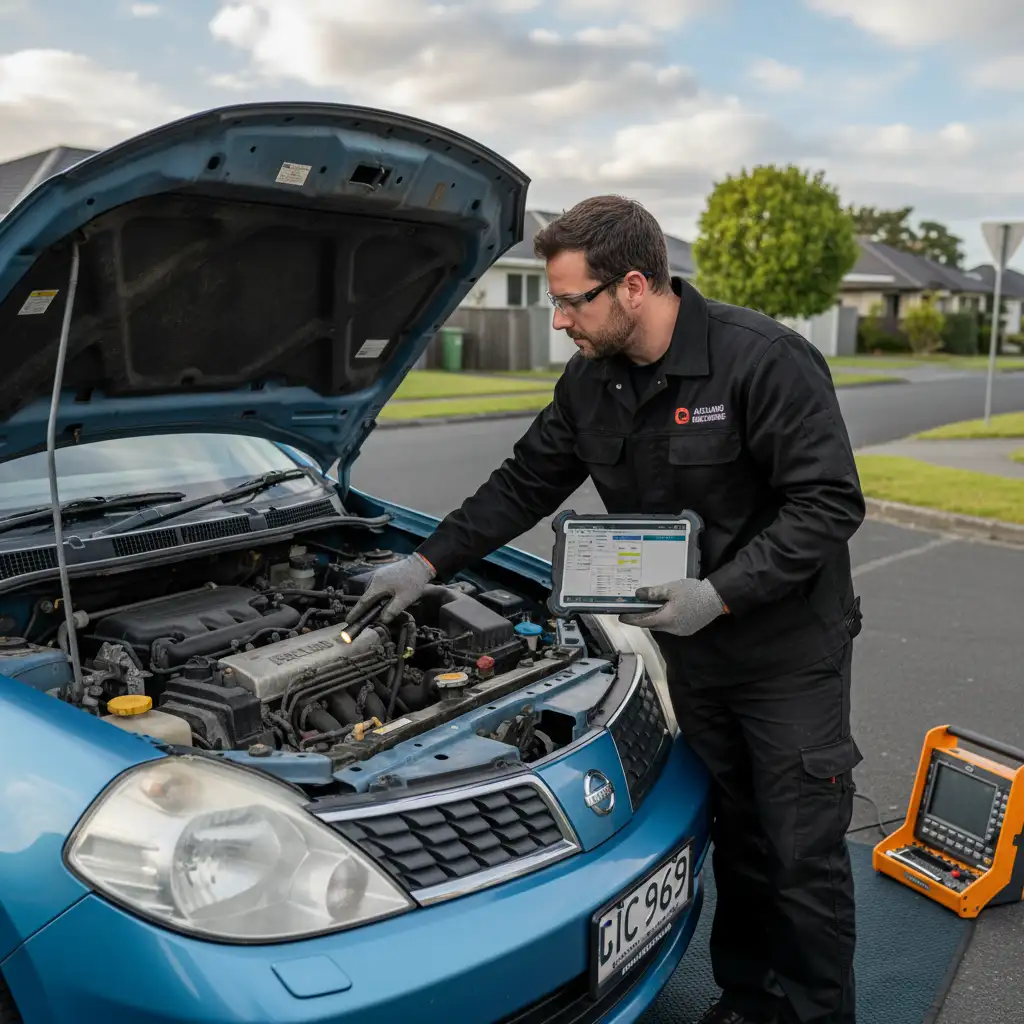
Why You Need a Pre-Purchase Inspection in Auckland
The Auckland used car market presents unique challenges. With the city’s humid, coastal environment, vehicles are prone to rust and corrosion faster than in drier climates. Furthermore, the stop-start nature of Auckland traffic places immense stress on transmissions, cooling systems, and brakes.
Avoiding the “Lemon” Trap
The primary benefit of an inspection is risk mitigation. A car might look pristine and have a low odometer reading, but it could be harboring a blown head gasket, a slipping transmission, or electrical gremlins. Identifying these issues before handing over cash saves you from buying a “lemon.”
Negotiation Leverage
Knowledge is power. If an inspection reveals that the brake pads are at 20% life or the cambelt is due for replacement, you can use this information to negotiate a lower purchase price. Often, the savings negotiated exceed the cost of the inspection itself.
Safety Assurance
Beyond financial concerns, safety is paramount. Mechanics check safety-critical systems like airbags, seatbelts, and ABS modules to ensure they are functional. This is particularly vital for families buying vehicles to transport children.
The Convenience of Mobile Mechanics
Traditionally, getting a car inspected meant coordinating with the seller to drop the car off at a garage, waiting for hours, and then picking it up. This process is often logistically difficult, especially if the car is unregistered or uninsured.
Mobile pre-purchase inspections in Auckland solve this friction. Here is why they are the superior choice for modern buyers:
- On-Site Assessment: The mechanic travels to the vehicle, whether it is in the North Shore, West Auckland, or Manukau. This minimizes disruption for the seller, making them more likely to agree to the inspection.
- Immediate Feedback: Many mobile mechanics provide a verbal summary immediately after the inspection, followed by a digital report.
- No Transport Risks: There is no need to drive a potentially unsafe or unregistered vehicle to a workshop.
Comprehensive Checklist: What Is Included?
A high-quality pre-purchase inspection covers hundreds of individual checkpoints. While specific inclusions vary by provider, a comprehensive assessment by an Auckland mobile mechanic generally covers the following four major categories.
1. Engine and Mechanical Components
The engine is the heart of the vehicle. Mechanics will check for:
- Fluid Leaks: Identifying oil, coolant, or transmission fluid leaks that indicate poor maintenance or failing gaskets.
- Noises: Listening for knocking, tapping, or hissing sounds that suggest internal engine wear.
- Cooling System: Pressure testing the radiator and checking hoses for brittleness to prevent overheating—a common issue in Auckland traffic.
- Belts and Chains: Inspecting the condition of the serpentine belt and checking the history of the cambelt (timing belt) replacement.
2. Structural Integrity and Chassis
This is arguably the most critical part of the inspection. Mechanics look for evidence of previous accidents that may have been poorly repaired.
- Rust and Corrosion: Checking the underbody, wheel arches, and sills for structural rust, which can lead to a vehicle being written off.
- Panel Gaps: Uneven gaps between panels often indicate crash repairs.
- Chassis Rails: Inspecting for kinks, welds, or clamps marks that suggest major frame damage.
3. Interior and Electronics
Modern cars are computers on wheels. The inspection includes:
- Diagnostic Scan: Plugging an OBD2 scanner into the car’s computer to read fault codes from the ECU, ABS, and SRS systems.
- Amenities: Testing air conditioning, windows, door locks, and infotainment systems.
- Upholstery: Checking for tears, water damage, or mold, which can indicate leaking seals.
4. The Road Test
A static check is not enough. The mechanic will take the car for a drive to assess real-world performance.
- Transmission: Checking for smooth shifting and lack of slipping in automatic gearboxes or clutch slippage in manuals.
- Steering and Suspension: Listening for clunks over bumps and ensuring the car tracks straight without pulling to one side.
- Braking: Testing emergency braking performance and checking for shuddering or squealing.
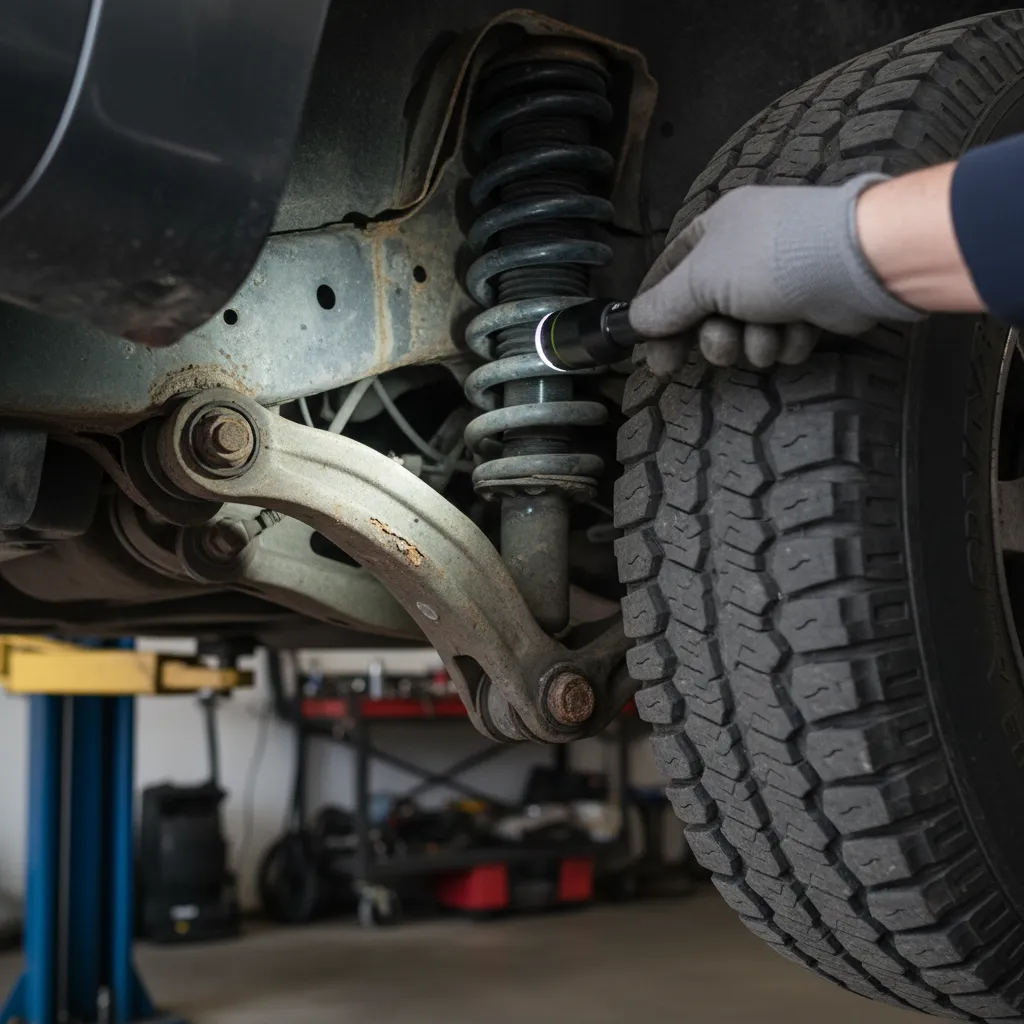
Warrant of Fitness (WoF) vs. Pre-Purchase Inspection
A common misconception among Kiwi buyers is that a current Warrant of Fitness (WoF) guarantees a car is in good condition. This is false. It is crucial to understand the distinction between the two.
A Warrant of Fitness is a mandatory safety inspection required by the NZ Transport Agency (Waka Kotahi). It checks minimum safety standards: are the tires legal? Do the lights work? Is there structural rust in key areas? It does not check the engine’s internal health, the transmission’s longevity, or whether the car will break down next week.
A Pre-Purchase Inspection goes far beyond the WoF. It assesses reliability, mechanical health, and upcoming maintenance requirements. A car can easily pass a WoF with a dying engine or a slipping clutch, provided it stops and steers safely. Therefore, relying solely on a fresh WoF is a risky strategy when buying a used car.
Interpreting Your Vehicle Condition Report
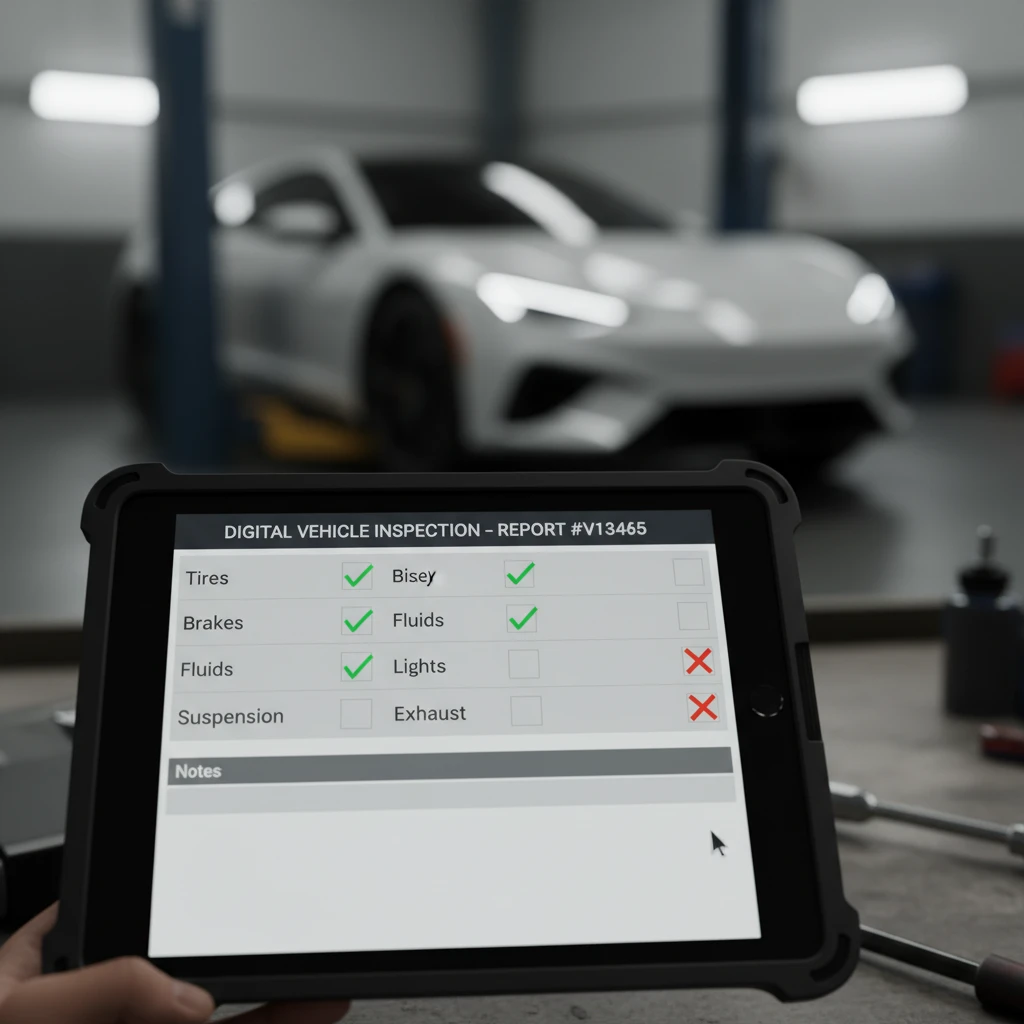
Once the inspection is complete, you will receive a detailed report. This document usually categorizes findings into traffic light systems (Green for good, Amber for monitor, Red for immediate attention).
Do not expect a perfect report for a used car. Even well-maintained vehicles will have minor wear and tear. The key is to distinguish between minor maintenance items (like wiper blades or an upcoming oil change) and deal-breakers (like a blown head gasket or structural rust).
If the report highlights significant issues, you have three options:
- Walk Away: If the problems are structural or the repair costs exceed the car’s value.
- Renegotiate: Ask the seller to deduct the cost of repairs from the asking price.
- Proceed: If the issues are minor and you are comfortable addressing them later.
How to Book Your Inspection
Booking a mobile pre-purchase inspection in Auckland is straightforward, but speed is often of the essence in a competitive market.
- Find a Reputable Provider: Look for mobile mechanics with high star ratings and specific experience in vehicle inspections.
- Get the Seller’s Permission: Ensure the seller is willing to have the car inspected and confirm the location of the vehicle.
- Schedule the Appointment: Most mobile mechanics can attend within 24 to 48 hours. You will need to provide the vehicle’s location, make, model, and registration number.
- Receive the Report: After the inspection, review the digital report and call the mechanic if you have specific questions about the findings.
For more information on your rights when buying a vehicle in New Zealand, you can refer to resources provided by Consumer NZ.
Frequently Asked Questions
How much does a pre-purchase car inspection cost in Auckland?
The cost of a pre-purchase inspection in Auckland typically ranges from $180 to $300 NZD, depending on the type of vehicle (standard, European, or 4WD) and the depth of the inspection. While this is an upfront cost, it can save thousands in potential repairs.
Can a mobile mechanic inspect a car at a dealership?
Yes, mobile mechanics frequently visit car dealerships to perform inspections. Most reputable dealers welcome independent inspections. If a dealer refuses an inspection, it is often a red flag regarding the vehicle’s condition.
Does a pre-purchase inspection include a compression test?
Standard pre-purchase inspections usually do not include a compression test as it requires removing engine parts (spark plugs), which sellers may not permit. However, mechanics can detect compression issues through other diagnostic methods and test drives.
How long does a mobile car inspection take?
A comprehensive mobile car inspection generally takes between 60 to 90 minutes. This allows the mechanic sufficient time to check the mechanical systems, interior, bodywork, and perform a road test.
Is a pre-purchase inspection worth it for a cheap car?
Yes, it is often even more critical for cheaper cars. Older, cheaper vehicles are more likely to have wear and tear or deferred maintenance. An inspection prevents you from buying a $3,000 car that requires $4,000 in repairs.
What happens if the car fails the inspection?
Technically, a car does not ‘pass’ or ‘fail’ a pre-purchase inspection like a WoF. Instead, the report highlights the car’s condition. If the report reveals major faults, you can choose not to buy the car or use the report to negotiate a lower price.