
Car overheating causes typically stem from a failure within the cooling system preventing effective heat dissipation. The most common culprits include low coolant levels due to leaks, a stuck thermostat, a failing water pump, a clogged radiator, or a malfunctioning cooling fan. In severe cases, a blown head gasket may be the root issue requiring extensive engine repair.
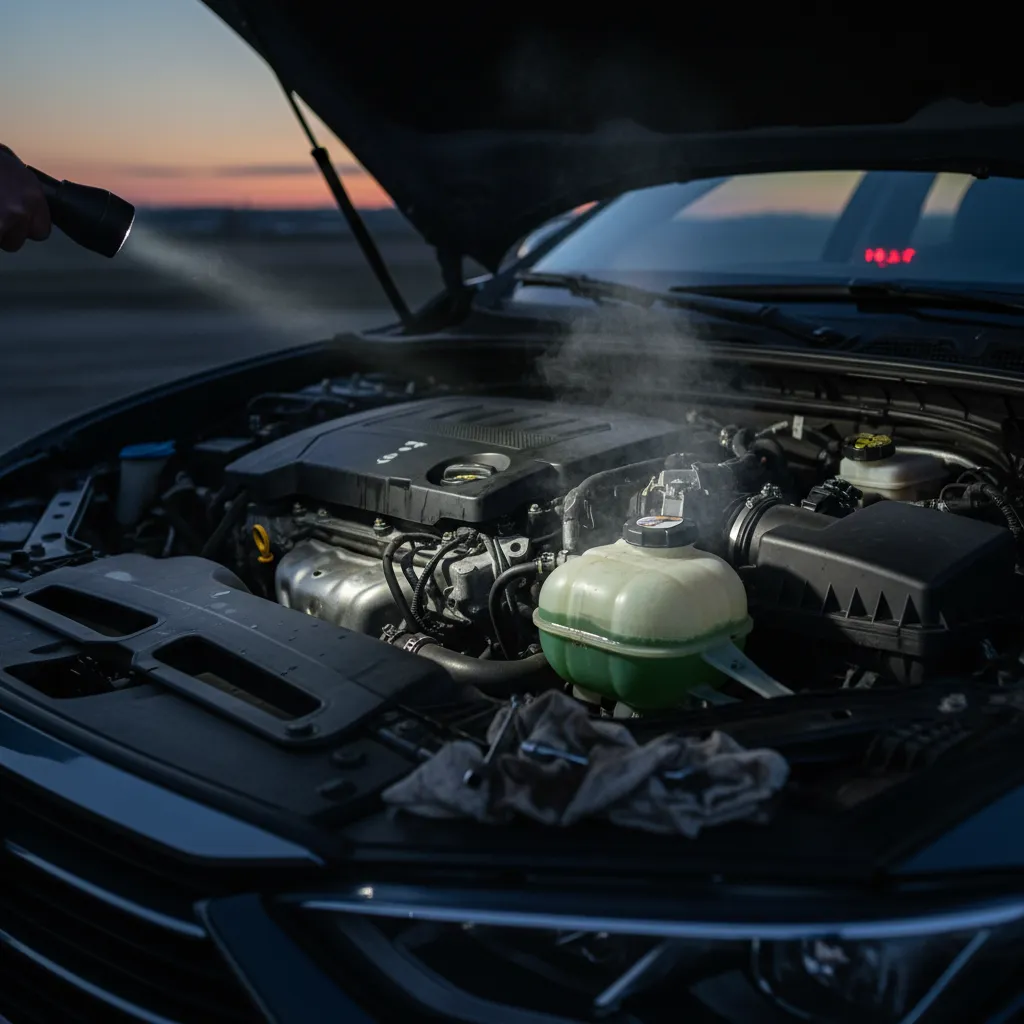
An overheating engine is one of the most stressful scenarios a driver can face. The temperature gauge spikes into the red, steam may billow from under the hood, and the distinct smell of sweet, burning coolant fills the cabin. Ignoring these signs can lead to catastrophic engine failure, including warped cylinder heads or a seized engine block. Understanding the root causes of overheating is essential for accurate diagnosis and timely repair.
The Mechanics of Engine Cooling
To diagnose why a vehicle is overheating, one must first understand how the cooling system operates. An internal combustion engine generates immense heat during the power cycle. Without a functional cooling system, metal components would expand, melt, and fuse together within minutes.
The system works on a loop: the water pump circulates coolant (a mixture of antifreeze and water) through the engine block, where it absorbs heat. This hot fluid then travels to the radiator, where airflow (aided by the cooling fan) dissipates the heat into the atmosphere. The cooled fluid then returns to the engine to repeat the process. A disruption at any point in this loop results in rapid temperature elevation.
Common Car Overheating Causes Explained
While modern vehicles are equipped with robust cooling systems, components eventually degrade. Identifying the specific cause requires a systematic approach. Below are the primary reasons your vehicle may be running hot.
Low Coolant Levels and Leaks
The most frequent cause of overheating is simply a lack of coolant. If the system does not have enough fluid to circulate, it cannot absorb heat from the engine block. Low levels are almost always caused by a leak. Common leak points include:
- Hoses: Rubber radiator hoses become brittle and crack over time.
- Radiator: Corrosion or road debris can puncture the radiator fins.
- Heater Core: A leak here often manifests as a sweet smell inside the cabin or wet floor mats.
- Loose Clamps: Vibration can loosen the hose clamps that secure the plumbing.
Air Pockets in the System
Even if the coolant level appears full in the reservoir, air pockets trapped inside the engine block or radiator can obstruct the flow of fluid. Air does not conduct heat as efficiently as liquid, creating “hot spots” that can trick the thermostat or temperature sensor.
Thermostat Testing and Malfunctions
The thermostat is a temperature-sensitive valve that regulates the flow of coolant between the engine and the radiator. When the engine is cold, the thermostat remains closed to help the engine reach operating temperature quickly. Once the engine warms up, the valve opens to allow coolant to flow to the radiator for cooling.
Symptoms of a Stuck Thermostat
A thermostat can fail in two positions:
- Stuck Open: The engine runs cooler than normal and takes a long time to warm up. This rarely causes overheating but affects fuel efficiency and emissions.
- Stuck Closed: This is the dangerous failure mode. Coolant is trapped inside the engine block and cannot reach the radiator. The engine will overheat rapidly, often within the first 10-15 minutes of driving.
How to Test a Thermostat
To diagnose this, feel the upper radiator hose after the engine has warmed up (use caution as it may be hot). If the engine is overheating but the upper radiator hose remains cool to the touch, the thermostat is likely stuck closed, preventing hot coolant from entering the radiator. For a definitive test, mechanics often remove the thermostat and place it in a pot of boiling water to observe if the valve opens at the rated temperature.
Blocked Radiator Symptoms and Solutions
The radiator is the heat exchanger responsible for cooling the fluid. Over time, it can become compromised both internally and externally. A blocked radiator is a leading contributor to car overheating causes in older vehicles.
External Blockages
Leaves, dirt, insects, and road debris can accumulate on the front of the radiator, blocking the airflow needed to cool the fluid. This is common in vehicles driven off-road or in autumn months. Visually inspecting the front of the radiator and cleaning it with low-pressure water or compressed air can resolve this issue.
Internal Clogging
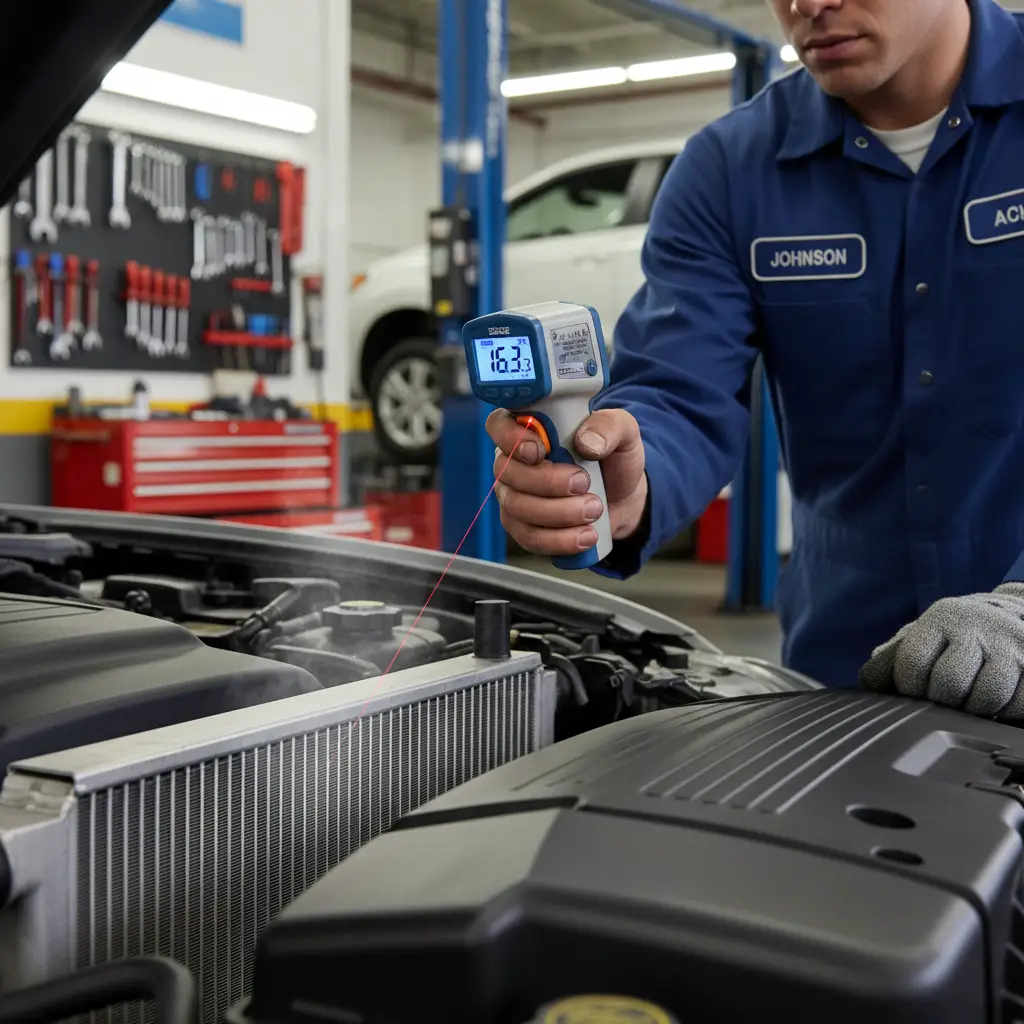
Neglecting coolant flushes can lead to sediment build-up, rust, and scale inside the radiator tubes. This restricts fluid flow. A clear symptom of an internal blockage is “cold spots” on the radiator surface. Using an infrared thermometer, you can scan the face of the radiator; significant temperature differences indicate areas where hot coolant is not flowing.
Cooling Fan Failure Checks
The radiator relies on airflow to dissipate heat. While driving at highway speeds, the air rushing through the grille is sufficient. However, in stop-and-go traffic or at idle, the cooling fan is critical. If your car overheats only when idling but cools down when moving, a fan failure is the primary suspect.
Electric Fan Diagnosis
Most modern cars use electric fans controlled by a temperature sensor and a relay. To check for failure:
- Fuse and Relay Check: Inspect the fuse box for blown fuses or a faulty relay.
- Fan Motor Test: Mechanics may apply direct battery voltage to the fan motor connector to see if it spins. If it doesn’t, the motor is dead.
- Temperature Switch: If the fan works with direct power but doesn’t turn on when the car is hot, the temperature sensor or switch may be faulty.
Mechanical Clutch Fans
Older rear-wheel-drive vehicles often use a mechanical fan connected to the engine via a viscous clutch. This clutch should allow the fan to spin freely when cold but lock up (spin faster) when hot. If the clutch leaks fluid or fails, the fan won’t spin fast enough to cool the radiator at idle. You can test this by spinning the fan by hand when the engine is off and cold; it should have some resistance but spin. If it spins freely with no resistance, the clutch is likely bad.
Water Pump Failure: The Silent Killer
The water pump is the heart of the cooling system. It uses an impeller to force coolant through the engine passages and hoses. Water pumps can fail in two ways: a total mechanical seizure or an impeller failure.
Common signs of a failing water pump include:
- Coolant Leaks: Many pumps have a “weep hole” designed to leak coolant when the internal seal fails, providing a visual warning.
- Whining or Grinding Noises: A worn bearing inside the pump will often create a high-pitched whine that increases with engine RPM.
- Loose Pulley: If the water pump pulley wiggles, the shaft bearings are shot.
In some cases, the plastic impellers inside the pump can shear off or erode. The pump pulley will still spin, but no fluid is being moved internally. This is difficult to diagnose without removing the pump, but it mimics the symptoms of a blockage.
Head Gasket Failure Signs
A blown head gasket is the most severe cause of overheating and often the most expensive to repair. The head gasket seals the combustion chambers from the coolant channels. When it fails, hot combustion gases can enter the cooling system, superheating the coolant instantly.
Symptoms of a Blown Head Gasket
- White Exhaust Smoke: Coolant entering the combustion chamber burns white.
- Milky Oil: Coolant mixing with engine oil creates a substance resembling chocolate milk on the dipstick or oil cap.
- Bubbles in the Radiator: Combustion gases escaping into the cooling system cause constant bubbling in the radiator or overflow tank, even when the engine is cold.
- Unexplained Coolant Loss: If you are losing coolant but see no external leaks, the engine is likely consuming it.
To confirm this diagnosis, mechanics use a “block tester” or “combustion leak detector.” This tool uses a chemical fluid that changes color (usually from blue to yellow) in the presence of combustion gases in the radiator.
For more detailed technical information on internal combustion engine cooling systems, you can refer to this reputable resource from Wikipedia.
Immediate Steps for an Overheating Engine
If you suspect your vehicle is succumbing to any of these car overheating causes while driving, immediate action is required to save the engine.
- Turn Off the A/C: Air conditioning puts a heavy load on the engine. Turning it off reduces stress.
- Turn on the Heater: Crank the heat and blower fan to the maximum setting. This acts as a secondary radiator, pulling heat away from the engine block. It will be uncomfortable in the cabin, but it might save your engine.
- Pull Over Safely: Do not try to “make it home.” Stop the car as soon as it is safe to do so.
- Wait: Turn off the engine and wait at least 30 to 45 minutes.
- DO NOT Open the Radiator Cap: The system is under extreme pressure. Opening the cap while hot can result in severe steam burns.
Regular maintenance is the best defense against overheating. According to the Car Care Council, checking coolant levels and inspecting hoses should be part of your routine vehicle upkeep. Flushing the cooling system at manufacturer-recommended intervals prevents the buildup of rust and scale that leads to component failure. For comprehensive auto services, consider Mobile Vehicle Service: Expert Care for Your Car On-the-Go. This includes specialized Luxury Limo Care in Auckland: How Mobile Mechanics Keep You Rolling, and expert assistance with Starter Motor Problems Diagnosis & Repair Auckland.
Frequently Asked Questions (PAA)
Can I drive my car if it’s overheating?
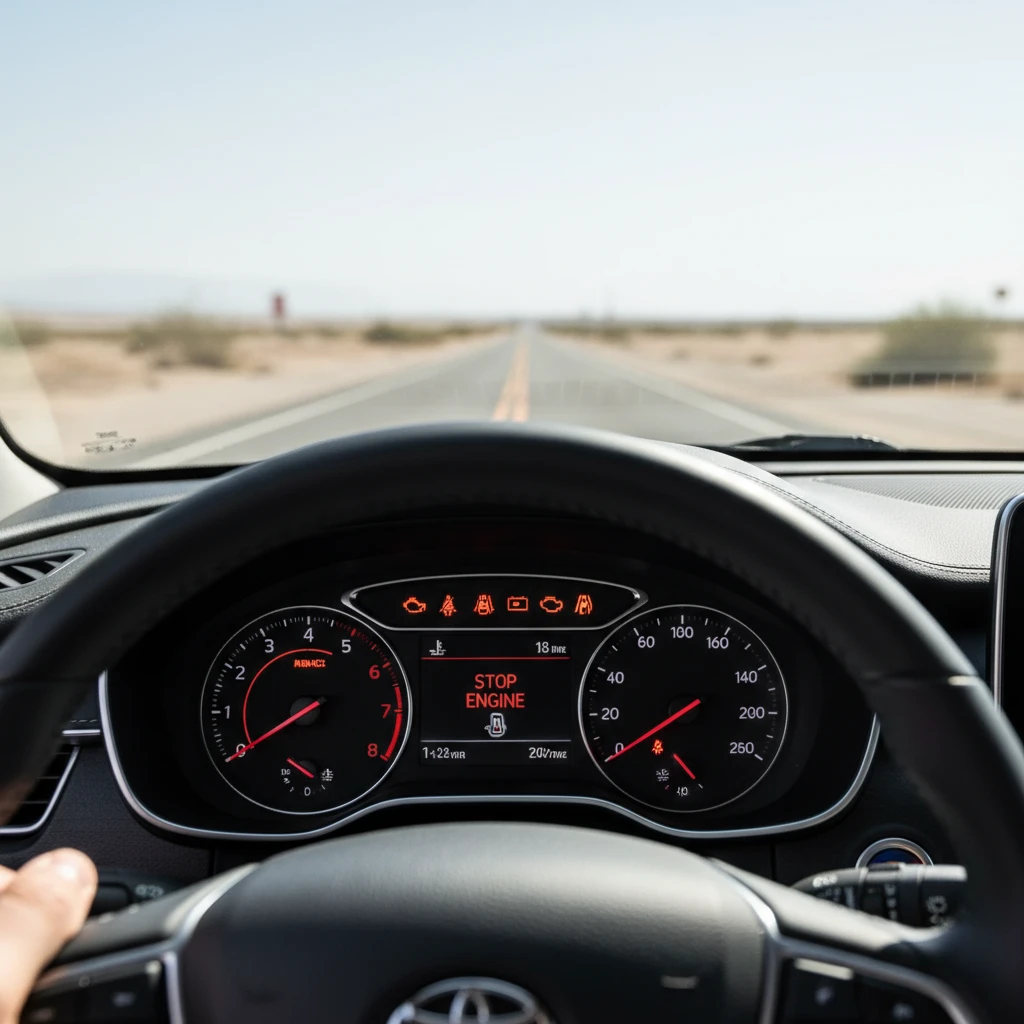
No, you should not drive a car that is overheating. Driving an overheating vehicle can cause the cylinder head to warp, the engine block to crack, or the pistons to seize. These repairs are catastrophic and often require a complete engine replacement. Pull over immediately if the temperature gauge hits the red zone.
How do I know if my water pump or thermostat is bad?
If the water pump is bad, you may hear a whining noise, see coolant leaking near the pump, or notice the engine overheating at all speeds. If the thermostat is stuck closed, the upper radiator hose will remain cool while the engine is hot, and the car will overheat very quickly (within 10-15 minutes).
What is the most common cause of overheating?
The most common cause of overheating is a coolant leak leading to low fluid levels. Leaks often occur in radiator hoses, the radiator itself, or the water pump. Without enough fluid to circulate, the engine cannot dissipate heat.
How much does it cost to fix an overheating car?
The cost varies significantly based on the cause. A thermostat replacement might cost between $150 and $250. A water pump replacement can range from $300 to $800. However, repairing a blown head gasket is labor-intensive and can cost between $1,500 and $3,000 or more.
Does the AC affect engine overheating?
Yes, running the air conditioning puts a significant load on the engine and generates additional heat near the radiator (via the AC condenser). If your car is on the verge of overheating, turning off the AC can help reduce engine temperature.
Why is my car overheating with full coolant?
If coolant levels are full, the overheating is likely caused by a mechanical failure such as a stuck thermostat, a broken water pump impeller, a malfunctioning cooling fan, or a blockage in the radiator preventing flow. It could also indicate a head gasket failure pushing gas into the system.