
Mobile car battery replacement is a specialized automotive service where a certified technician travels to your vehicle’s location to diagnose, remove, and install a new battery. This on-demand solution eliminates the need for towing, offering professional installation, memory saver usage to protect vehicle electronics, and environmentally safe disposal of the old lead-acid unit.
What Is Mobile Car Battery Replacement?
In the modern automotive landscape, convenience is paramount. Mobile car battery replacement has emerged as a critical service for drivers who find themselves stranded in driveways, office parking lots, or on the side of the road. Unlike the traditional model, which requires jump-starting a vehicle and driving it to a repair shop or auto parts store, mobile services bring the shop to you.
This service is designed to be a comprehensive solution. It is not merely a delivery service; it involves a trained technician arriving with the necessary diagnostic tools to ensure the battery is indeed the culprit. Modern vehicles are complex computers on wheels, and a “dead” car can sometimes indicate alternator failure or a parasitic drain rather than a bad battery. Mobile replacement services bridge the gap between roadside assistance and full-service mechanical repair, ensuring you don’t waste money on a battery you don’t need.
Critical Signs of a Failing Battery
Batteries rarely fail without warning. While a sudden cold snap can finish off a weak battery, there are usually tell-tale signs leading up to the failure. Recognizing these symptoms early can save you from being stranded and allow you to schedule a mobile car battery replacement proactively.
1. Slow Engine Crank
The most common symptom of a dying battery is a sluggish engine turnover. When you turn the key or push the start button, the engine may sound like it is “whining” or cranking slower than usual before it catches. This indicates that the battery can no longer deliver the necessary Cold Cranking Amps (CCA) required to engage the starter motor efficiently.
2. Dim Headlights and Electrical Issues
Your battery powers all the electronics in your vehicle when the alternator is not running. If you notice your headlights are dimmer than usual before you start the car, or if power windows move slower than normal, your battery’s voltage is likely low. In modern cars, a failing battery can also trigger random dashboard warning lights or cause infotainment systems to reset unexpectedly.
3. The Check Engine or Battery Light
Most vehicles are equipped with a battery warning light on the dashboard (often shaped like a battery). If this illuminates, it indicates a charging system issue. While this could be the alternator, it often signals a battery that refuses to hold a charge. Occasionally, the Check Engine light may also appear if the low voltage triggers false sensor readings.
4. Corroded Connectors
If you pop the hood and see a white, ashy, or blue substance built up around the metal battery terminals, you are looking at corrosion. This buildup creates resistance, making it harder for the battery to transmit power to the starter. While cleaning it can help, excessive corrosion is often a sign that the battery casing is leaking acid or venting gas improperly.
5. Old Age
Car batteries have a finite lifespan. According to automotive experts like AAA, the average car battery lasts between three to five years. If your battery is older than three years, it is living on borrowed time, especially if you live in a climate with extreme temperatures. Heat accelerates internal corrosion, while cold weather inhibits the chemical reaction necessary to generate power.
Professional Battery Testing and Diagnosis
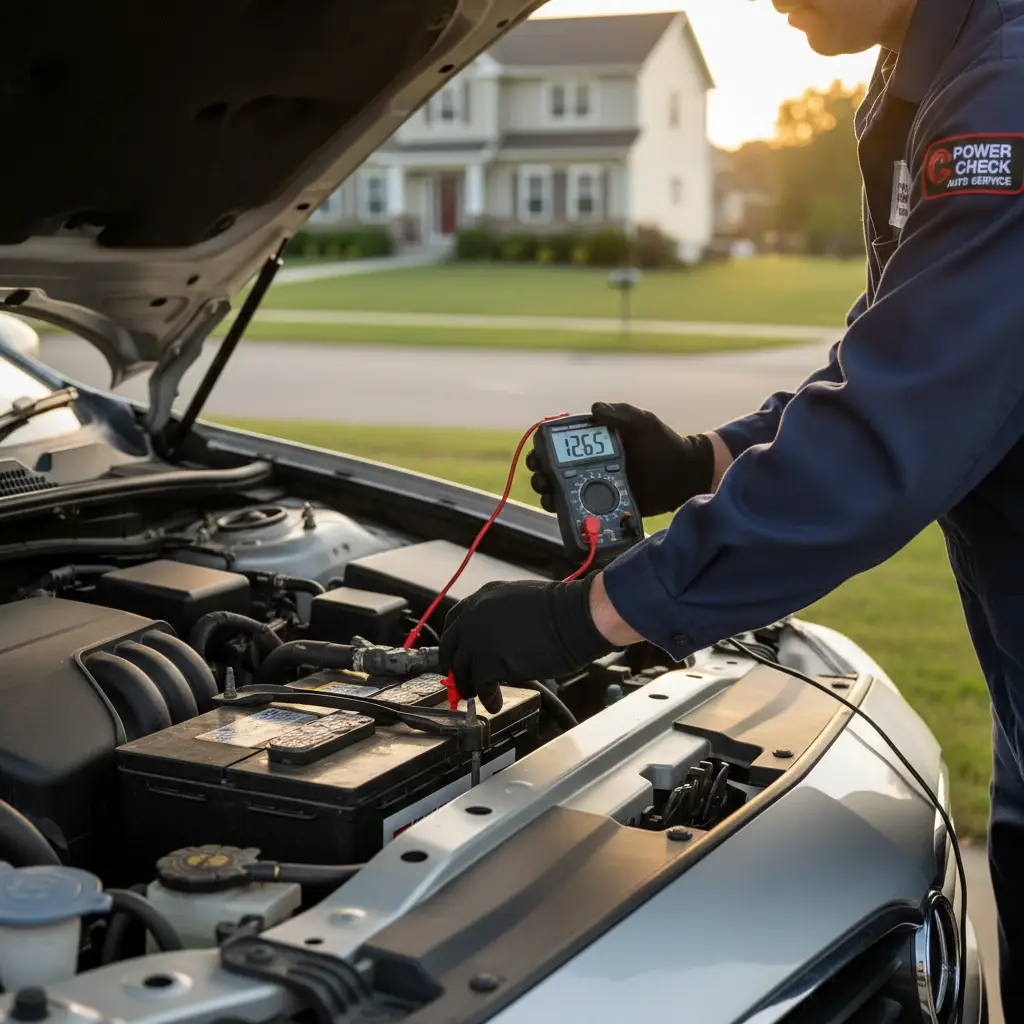
One of the primary advantages of professional mobile car battery replacement is the diagnostic phase. A reputable technician will never simply swap a battery without testing the system first. This prevents the “parts cannon” approach where components are replaced unnecessarily.
Load Testing vs. Conductance Testing
Technicians typically use two types of tests. A load test simulates the electrical draw of starting the engine to see if the battery can maintain voltage under stress. However, modern technicians more frequently use electronic conductance testers. These devices send a low-frequency signal through the battery to measure the surface area of the plates capable of holding a chemical charge. This method is safer, faster, and accurately predicts the remaining life of the battery.
System Check: Alternator and Starter
A quality mobile service will also check the starting and charging system. If the alternator is not recharging the battery while the car runs, a new battery will die within hours. By verifying the alternator’s output voltage (typically between 13.5V and 14.5V), the technician ensures that the replacement is the correct solution to your problem.
The Installation and Disposal Process
Replacing a battery in a modern vehicle is more complex than it was twenty years ago. It requires precision, safety protocols, and environmental responsibility.
Safe Removal and Memory Saving
Before disconnecting the old battery, a professional technician will often use a “memory saver” device. This device plugs into the OBD-II port or a 12V outlet to maintain a small amount of power to the vehicle’s computer (ECU). This prevents the loss of radio presets, seat positions, and, more importantly, the engine’s idle relearn strategy. Without this step, some cars may run roughly or stall until the computer “relearns” the engine parameters.
Selecting the Right Battery
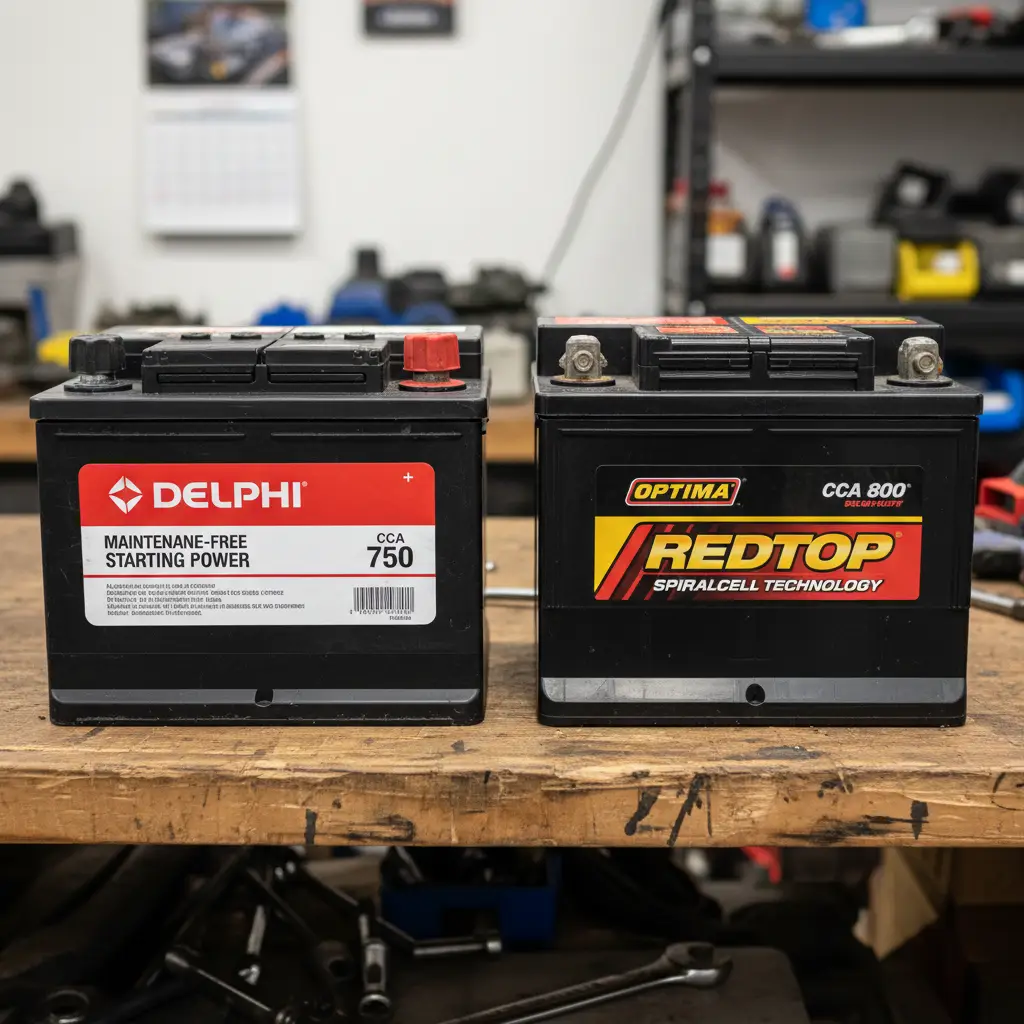
The technician will ensure the new battery matches the OEM specifications for:
- Group Size: The physical dimensions and terminal placement.
- Cold Cranking Amps (CCA): The power output required to start the engine in cold weather.
- Chemistry: Choosing between standard Flooded Lead-Acid batteries or Absorbed Glass Mat (AGM) batteries, which are required for vehicles with Start-Stop technology.
Environmental Disposal
Car batteries contain lead and sulfuric acid, making them hazardous waste. Proper disposal is not just a suggestion; it is a legal requirement in many jurisdictions. Mobile battery replacement services include the “core” return process. The technician takes your old battery and transports it to a recycling facility. According to the U.S. Environmental Protection Agency (EPA), lead-acid batteries have a recycling rate of nearly 99%, making them one of the most recycled consumer products in the world. By using a mobile service, you ensure the toxic materials are handled responsibly and reintroduced into the manufacturing supply chain.
Understanding Battery Warranties
When purchasing a mobile car battery replacement, the warranty is a major component of the value proposition. Not all warranties are created equal, and understanding the terms can save you money down the line.
Free Replacement Period
The best warranties offer a “Free Replacement” period, typically ranging from 12 to 36 months. If the battery fails due to a manufacturing defect within this window, the provider will replace it at no cost to you. This is the gold standard for battery warranties.
Prorated Warranties
Some warranties are prorated after the initial free replacement period expires. For example, if a battery with a 5-year prorated warranty fails in year 4, you will receive a partial credit based on the remaining life of the battery towards the purchase of a new one. While better than nothing, a full free replacement warranty is generally preferred for peace of mind.
Nationwide Coverage
If you travel frequently, look for a mobile service provider that offers a nationwide warranty. This ensures that if your battery fails while you are on a road trip three states away, you can call an affiliate network and get a replacement honored under your original warranty terms.
Cost Factors for On-Site Service
Is mobile car battery replacement more expensive than going to a shop? Generally, the price is competitive, and when factoring in the value of your time and the cost of towing, it is often cheaper. However, several factors influence the final price:
- Battery Type: AGM batteries generally cost 40-60% more than standard lead-acid batteries due to their advanced construction and durability.
- Vehicle Complexity: Some luxury or modern vehicles house the battery in difficult-to-access locations, such as under the passenger seat, in the trunk, or inside the wheel well. These installations require more labor time and may incur a surcharge.
- Location and Timing: While many services offer flat rates, requesting emergency service during holidays, late nights, or in remote locations may affect the service fee.

How to Choose a Service Provider
With the rise of the gig economy, many providers offer mobile mechanical services. To ensure you receive quality service, consider the following criteria:
- Certifications: Look for technicians who are ASE (Automotive Service Excellence) certified. This ensures they understand the electrical nuances of modern vehicles.
- Reviews and Reputation: Check Google and Yelp reviews specifically for “battery replacement.” Look for comments regarding punctuality and the technician’s professionalism.
- Transparency: A reputable provider should be able to give you a firm quote over the phone based on your vehicle’s make and model. Avoid providers who are vague about pricing until they arrive.
- Equipment: Ensure they carry modern testing equipment and memory savers. A technician showing up with just a wrench and a battery is a red flag for modern vehicle maintenance.
Frequently Asked Questions
How long does a mobile car battery replacement take?
Typically, the entire process takes between 30 to 45 minutes once the technician arrives. This includes testing the old battery, cleaning terminals, installing the new unit, and verifying the charging system. Complex vehicles with batteries located in hard-to-reach areas may take longer.
Do I need to tip the mobile battery technician?
While tipping is not mandatory for mobile mechanics, it is appreciated for exceptional service, especially during bad weather or late-night calls. If you choose to tip, $10 to $20 is a standard range for this type of service.
Can a mobile technician replace a hybrid or EV battery?
Most standard mobile battery services focus on the 12-volt auxiliary battery found in gas, hybrid, and electric vehicles. Replacing the high-voltage traction battery pack for hybrids or EVs usually requires a specialized shop or dealership due to the high voltage risks and specialized equipment required.
Will changing the battery reset my car’s computer?
If the technician does not use a memory saver device, disconnecting the battery can reset radio presets, clock settings, and the Engine Control Unit (ECU) learning data. Professional mobile services typically use memory savers to prevent this data loss.
What is the difference between an AGM and a standard battery?
AGM (Absorbent Glass Mat) batteries are designed to handle higher electrical loads and are spill-proof and vibration-resistant. They are required for vehicles with Start-Stop technology. Standard lead-acid batteries are traditional wet-cell batteries suitable for older vehicles with fewer electrical demands.
Does the service price include the disposal of the old battery?
Yes, reputable mobile battery replacement services include the recycling fee and physical removal of the old battery in their pricing. They will transport the hazardous waste to a certified recycling center for you.