
For residents and vehicle owners in Auckland, oil leak repair involves specialized services to diagnose and fix various engine and transmission fluid leaks, ensuring your vehicle operates safely and efficiently. Expert mobile mechanics in Auckland provide convenient, on-site solutions, preventing potential damage, maintaining performance, and saving you time and hassle, directly addressing the critical need for prompt and professional service.
An oil leak is more than just a messy inconvenience; it’s a critical indicator that your vehicle requires immediate attention. Neglecting even a seemingly minor leak can lead to severe mechanical damage, compromise safety, and result in costly repairs down the line. In Auckland’s dynamic environment, where vehicles are essential for daily life, ensuring your car is in optimal condition is paramount. Our comprehensive guide delves into everything you need to know about identifying, understanding the implications of, and securing professional oil leak repair services right here in Auckland, often from the convenience of your home or workplace.
Identifying Different Types of Oil Leaks
Understanding the source of an oil leak is the first step toward effective repair. Vehicles contain various fluids, and each leak type signals a different underlying problem. Distinguishing between them can help you provide valuable information to your mechanic and understand the repair process better. Common leaks include engine oil, transmission fluid, power steering fluid, and brake fluid, each with distinct characteristics and potential locations.
Engine Oil Leaks: Common Sources and Signs
Engine oil is arguably the most common type of fluid leak owners encounter. These leaks are often dark brown or black, especially in older, used oil, and typically have a distinctive petroleum smell. You might notice puddles under your car, oil splatters on engine components, or a burning oil smell as it drips onto hot exhaust parts.
- Valve Cover Gasket: Located on top of the engine, leaks here manifest as oil seeping down the sides of the engine block.
- Oil Pan Gasket/Drain Plug: The oil pan is at the bottom of the engine. Leaks here, or from a stripped drain plug, result in puddles directly underneath the vehicle.
- Crankshaft/Camshaft Seals: These seals prevent oil from leaking where shafts exit the engine block. Leaks can be significant and are often harder to access.
- Oil Filter Housing/Oil Pressure Sensor: These components can develop leaks due to age, wear, or improper installation.
- Timing Cover Gasket: Located at the front of the engine, this can be a more involved repair due to its location behind other components.
Transmission Fluid Leaks: What to Look For
Transmission fluid is typically red or reddish-brown, clear, and has a slightly sweet or tart odor. Leaks usually appear towards the middle or rear of the vehicle, often coinciding with where the transmission is located. A low transmission fluid level can lead to shifting problems or even transmission failure.
- Transmission Pan Gasket: Similar to the oil pan, this gasket can wear out, causing fluid to seep from the bottom of the transmission.
- Output Shaft Seal/Axle Seals: These seals can leak where the drive shafts connect to the transmission.
- Torque Converter Seal: A leak here can be more complex to address, often requiring transmission removal.
Other Critical Fluid Leaks: Power Steering and Brake Fluid
While not engine oil, leaks from these systems are equally critical for your vehicle’s safety and performance.
- Power Steering Fluid: This is often reddish, clear, and thin, sometimes resembling transmission fluid. Leaks typically occur around the power steering pump, hoses, or steering rack. Signs include difficulty steering, whining noises when turning, or fluid puddles near the front wheels.
- Brake Fluid: This fluid is usually clear to amber, thin, and has a slightly oily feel. Brake fluid leaks are extremely dangerous as they can lead to brake failure. Puddles near the wheels or master cylinder, and a soft brake pedal, are severe indicators.
The Role of Gaskets and Seals
Most fluid leaks stem from compromised gaskets and seals. These components are designed to create a tight barrier between engine or transmission parts, preventing fluids from escaping. Over time, due to heat cycling, vibration, chemical exposure, and general wear and tear, these materials (often rubber or cork) can harden, crack, or shrink, leading to a loss of seal integrity. Proper diagnosis often involves identifying which specific gasket or seal has failed, as this dictates the repair strategy and complexity.
Why Oil Leaks Need Prompt Attention
Ignoring an oil leak is a costly mistake that can compromise your vehicle’s health, your safety, and even the environment. In Auckland, where vehicle reliability is crucial, addressing these issues swiftly is not just good practice, it’s a necessity.
Preventing Catastrophic Engine Failure
The primary function of engine oil is lubrication. When oil leaks, the engine’s oil level drops, leading to insufficient lubrication of critical moving parts. This causes increased friction, excessive heat, and accelerated wear. Ultimately, prolonged low oil levels can result in components seizing, leading to catastrophic engine damage that often necessitates a complete engine rebuild or replacement, a far more expensive repair than fixing a leak.
Environmental and Safety Concerns
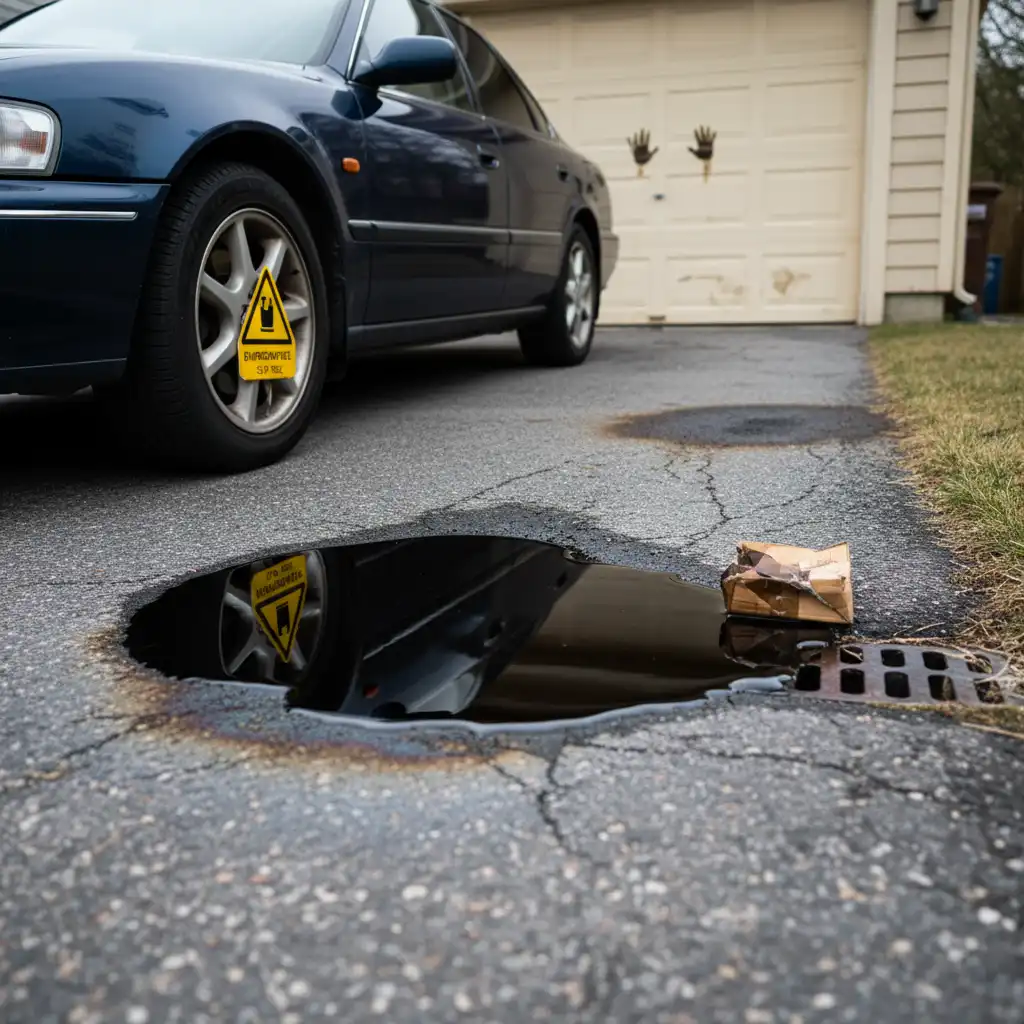
Oil leaks are an environmental hazard. Dripping oil can contaminate storm drains and local waterways, harming ecosystems. Furthermore, oil on roadways or driveways can create slippery surfaces, posing a risk to pedestrians and other vehicles. For your vehicle, oil dripping onto hot exhaust components can produce noxious fumes entering the cabin or, in severe cases, ignite a fire, posing a significant safety risk to occupants. According to Wikipedia, oil leaks are a common cause of vehicle fires.
Avoiding Costly Secondary Damages
Beyond direct engine damage, oil leaks can prematurely wear out other vehicle components. Oil can degrade rubber bushings, belts, and hoses it comes into contact with, leading to their early failure. For instance, oil dripping onto alternator belts can cause them to slip or break, leading to charging system issues. It can also foul spark plugs and oxygen sensors, leading to reduced fuel efficiency and increased emissions. Addressing the leak early saves you from a cascade of related repairs.
Compliance with Auckland’s Vehicle Regulations (WoF)
In New Zealand, vehicles are required to pass a Warrant of Fitness (WoF) inspection regularly. Significant oil leaks can lead to a WoF failure, as they are considered an environmental and safety hazard. Failing to rectify a leak means your vehicle cannot legally be driven on Auckland roads until it passes inspection. This adds additional stress and inconvenience, highlighting why a prompt repair is essential for compliance and peace of mind. For more details on WoF requirements, you can consult the official NZTA website.
Mobile Oil Leak Inspection & Repair in Auckland
Modern life in Auckland demands convenience, and that extends to vehicle maintenance. Mobile oil leak inspection and repair services offer an unparalleled level of flexibility, bringing expert diagnostics and repairs directly to your location, whether at home, work, or even roadside.
The Convenience of On-Site Diagnostics
Imagine not having to tow your leaking vehicle to a garage or arrange for transport. Mobile mechanics eliminate this hassle entirely. They arrive equipped with all the necessary tools and diagnostic equipment to assess your oil leak on the spot. This convenience is particularly valuable in Auckland’s busy urban landscape, saving you time, money on towing, and the disruption of your daily schedule. For businesses with fleets, on-site repairs minimize downtime, keeping operations smooth.
Advanced Diagnostic Techniques Used by Mobile Mechanics
Pinpointing the exact source of an oil leak can be challenging, as oil can spread and make it seem like the leak is originating from a different spot. Professional mobile mechanics employ a range of diagnostic techniques:
- Thorough Visual Inspection: The first step involves meticulously inspecting the engine bay, underside of the vehicle, and all potential leak points.
- Oil Dye Test: A UV-reactive dye is added to the engine oil. After driving for a short period, a UV light is used to pinpoint the exact source of the leak, making even small, elusive leaks visible.
- Pressure Testing: In some cases, a pressure test of the cooling or oil system can help identify cracks or weak points that lead to leaks.
- Boroscope Inspection: For hard-to-reach areas, a flexible boroscope camera can be used to visually inspect internal engine components or tight spaces.
Typical On-Site Oil Leak Repairs
Many common oil leak repairs can be performed by a mobile mechanic right where your vehicle is located. This includes:
- Gasket Replacements: Valve cover gaskets, oil pan gaskets, and even some timing cover gaskets can often be replaced on-site.
- Seal Replacements: Oil filter housing seals, oil pressure sensor seals, and some crankshaft/camshaft seals are within the scope of mobile repair.
- Drain Plug Repair/Replacement: A quick and often simple fix for a leaking drain plug or stripped oil pan threads.
- Hose and Line Replacements: Leaking oil lines or power steering hoses can be replaced efficiently.
More complex repairs requiring specialized heavy equipment or extensive disassembly might need a workshop visit, but a good mobile mechanic can diagnose this and advise you on the best course of action.
Why Choose an Auckland Mobile Mechanic for Oil Leaks
Choosing a reputable mobile mechanic in Auckland for your oil leak repair offers several advantages:
- Expertise: Specialised knowledge in diagnosing and repairing various types of oil leaks across different vehicle makes and models.
- Transparency: Repairs are often performed in front of you, allowing for clear communication and understanding of the work being done.
- Convenience: Service comes to you, saving you time and stress.
- Cost-Effectiveness: Reduced overheads for mobile services can sometimes translate to more competitive pricing, along with savings on towing.

Cost-Effective Solutions for Oil Leaks
Addressing an oil leak is an investment in your vehicle’s longevity and performance. While the immediate cost might be a concern, understanding the factors that influence pricing and embracing preventative measures can lead to truly cost-effective solutions in the long run.
Factors Influencing Oil Leak Repair Costs
The cost of oil leak repair in Auckland can vary significantly based on several key factors:
- Severity and Location of the Leak: A minor leak from an easily accessible component (e.g., oil drain plug gasket) will be far less expensive to fix than a major leak from a deep-seated part (e.g., rear main seal or timing cover gasket) that requires extensive engine disassembly.
- Parts Required: Genuine OEM (Original Equipment Manufacturer) parts typically cost more than aftermarket alternatives, though quality aftermarket parts can be a good value. The type of gasket or seal needed also impacts cost.
- Labour Time: This is often the most significant factor. Accessing certain leak sources can be labour-intensive, requiring removal of numerous other components. Mechanics charge by the hour, so more complex jobs will naturally incur higher labour costs.
- Vehicle Make and Model: European luxury cars or highly specialized vehicles often have more complex designs and require specific tools or parts, driving up repair costs compared to more common Japanese or Korean models.
- Diagnostic Complexity: If the leak is difficult to pinpoint, the diagnostic process itself can add to the overall cost, especially if specialized dye tests or extended time is needed.
An initial inspection from a mobile mechanic can provide a more accurate estimate, breaking down parts and labour so you understand the investment.
Preventative Measures to Safeguard Your Vehicle
The most cost-effective solution is always prevention. Regular maintenance is your best defence against oil leaks:
- Regular Oil Changes: Using the correct type and viscosity of oil, and changing it at recommended intervals, helps maintain engine health and prevents sludge buildup that can degrade seals.
- Routine Inspections: During every service, ask your mechanic to perform a visual inspection for any signs of leaks. Early detection is key.
- Check Fluid Levels: Periodically check your oil, transmission, and power steering fluid levels. A consistent drop in level without a visible puddle might still indicate a slow leak that’s burning off.
- Address Minor Issues Promptly: Don’t ignore minor drips. What starts as a small leak can quickly escalate into a larger, more expensive problem.
The True Value of Professional Mobile Repair
While DIY videos might tempt some, professional oil leak repair offers peace of mind and long-term savings. An experienced mobile mechanic uses the right tools, quality parts, and possesses the expertise to correctly diagnose and fix the leak the first time. This prevents recurring leaks, further damage, and ensures your vehicle remains reliable. The convenience of mobile service also translates to indirect savings from not taking time off work or arranging alternative transport.
Getting a Clear Quote for Your Oil Leak
When seeking oil leak repair services in Auckland, always request a detailed quote. A reputable mobile mechanic will provide a breakdown of:
- Parts Cost: Itemizing each part needed and its price.
- Labour Cost: Estimated hours and hourly rate.
- Diagnostic Fee: If applicable, often waived upon proceeding with the repair.
This transparency allows you to understand where your money is going and compare services effectively, ensuring you get the best value for your oil leak repair needs.

Choosing the Right Oil Leak Repair Service in Auckland
When your vehicle develops an oil leak, selecting the right repair service is paramount. In Auckland’s competitive automotive market, making an informed decision can save you time, money, and future headaches. Here’s what to look for:
Experience and Certification
Opt for mechanics with proven experience specifically in leak detection and repair. Look for technicians who are certified and have a strong understanding of various vehicle makes and models. Experience translates to quicker, more accurate diagnostics and reliable repairs.
Customer Reviews and Reputation
Online reviews on platforms like Google, Facebook, or local Auckland directories offer invaluable insights into a mechanic’s reputation. Look for consistent positive feedback regarding professionalism, honesty, quality of work, and customer service. A strong local reputation is a reliable indicator of trustworthy service.
Warranty on Repairs
A reputable service provider will offer a warranty on both parts and labour. This demonstrates confidence in their work and provides you with protection should the same issue reoccur shortly after the repair. Always inquire about warranty terms before proceeding with any work.
Mobile Service Capabilities
If convenience is a priority, ensure the service offers comprehensive mobile capabilities for oil leak repair. Verify their service area within Auckland and confirm they can perform the likely scope of your repair on-site. Ask about their mobile diagnostic tools and how they handle situations where a leak might require workshop facilities.
By considering these factors, you can confidently choose an oil leak repair service in Auckland that meets your needs, provides excellent value, and ensures your vehicle is safely and effectively returned to optimal condition.
Ignoring an oil leak is a gamble not worth taking. For vehicle owners in Auckland, swift and professional oil leak repair services are essential for maintaining your car’s health, ensuring your safety, and complying with local regulations. By understanding the types of leaks, the critical reasons for prompt attention, and the benefits of expert mobile repair, you can make informed decisions that protect your investment. Don’t wait for a minor drip to become a major problem; contact a reputable Auckland mobile mechanic today for an inspection and peace of mind.
People Also Ask About Oil Leak Repair
How much does it cost to fix an oil leak in Auckland?
The cost to fix an oil leak in Auckland varies widely, typically ranging from NZD $150 for minor issues like a drain plug gasket to upwards of NZD $1000+ for complex repairs such as a rear main seal or timing cover gasket. Factors include the leak’s location, parts needed, vehicle make/model, and labour time. A mobile mechanic can provide an accurate quote after a diagnostic inspection.
What are the common signs of an oil leak?
Common signs of an oil leak include dark puddles or spots under your parked car, a burning oil smell (especially when driving), smoke coming from the engine bay, a consistently low oil level on your dipstick, and visible oil residue or stains on engine components. The colour and consistency of the fluid can also help identify its source.
Can I drive my car with a small oil leak?
While it might seem minor, driving with any oil leak is risky. A small leak can quickly worsen, leading to critically low oil levels and severe engine damage. It also poses environmental and safety hazards (e.g., fire risk). It’s always recommended to have any oil leak inspected and repaired promptly, even if it appears small, to prevent greater issues.
How do mechanics find an oil leak?
Mechanics use several methods to find an oil leak. These include a thorough visual inspection of the engine and underside of the vehicle, adding a UV dye to the oil and using a black light to pinpoint the exact source, and in some cases, pressure testing the system. They also assess the colour and smell of the leaking fluid to narrow down the potential source.
Is fixing an oil leak worth it?
Yes, fixing an oil leak is almost always worth it. Neglecting an oil leak can lead to catastrophic engine failure, costly secondary damages to other components, environmental harm, and safety risks. Proactively repairing a leak is a crucial preventative measure that extends your vehicle’s lifespan, maintains its performance, and avoids far more expensive repairs in the future.
What causes an oil leak in a car?
Oil leaks are most commonly caused by worn or hardened gaskets and seals (e.g., valve cover gaskets, oil pan gaskets, crankshaft seals) due to age, heat cycles, and chemical exposure. Other causes include a loose or damaged oil drain plug, a faulty oil filter housing, cracked engine components, or degraded oil lines and hoses.