
An NZ WOF guide for Auckland drivers defines the Warrant of Fitness as a mandatory periodic safety inspection ensuring vehicles meet Waka Kotahi standards. To pass in Auckland, your vehicle must demonstrate structural integrity, effective braking, safe tyres, and functional lighting, verified by an authorized inspector to ensure road legality and safety.
Navigating the landscape of vehicle ownership in New Zealand requires more than just filling up the tank and driving. For Aucklanders, dealing with heavy traffic, varying road conditions, and strict regulatory standards means staying on top of your vehicle’s compliance is critical. Whether you are commuting over the Harbour Bridge or navigating the winding roads of the Waitakere Ranges, ensuring your car is legal and safe is a primary responsibility.
This comprehensive guide delves deep into the regulations that govern New Zealand roads, specifically tailored for Auckland vehicle owners. From understanding the nuances of the Warrant of Fitness (WOF) to decoding the recent changes in Road User Charges (RUC) and vehicle modifications, this resource provides the expert mechanical insight you need to stay on the road.
Understanding the NZ Warrant of Fitness (WOF) Process
The Warrant of Fitness (WOF) is not merely a bureaucratic sticker on your windshield; it is the baseline standard for vehicle safety in New Zealand. Administered under the authority of Waka Kotahi (NZ Transport Agency), the WOF ensures that a vehicle is safe to be operated on public roads at the time of inspection.
Inspection Frequency
The frequency of your WOF inspection depends entirely on the age of your vehicle. This tiered system is designed to acknowledge that older vehicles require more frequent monitoring to catch wear and tear issues before they become dangerous hazards.
- Vehicles first registered anywhere in the world on or after 1 January 2000: These require a WOF inspection every 12 months.
- Vehicles first registered before 1 January 2000: These require a WOF inspection every 6 months.
- New Vehicles: A brand new vehicle usually receives an initial WOF that lasts for three years before reverting to the 12-month cycle.
The Inspection Checklist
When you take your vehicle to an authorized testing station or a mechanic in Auckland, the inspector follows a rigorous checklist. It is crucial to note that a WOF is not a comprehensive mechanical service; it does not check the engine’s internal health, clutch life, or gearbox condition unless these affect safety. The primary focus areas include:
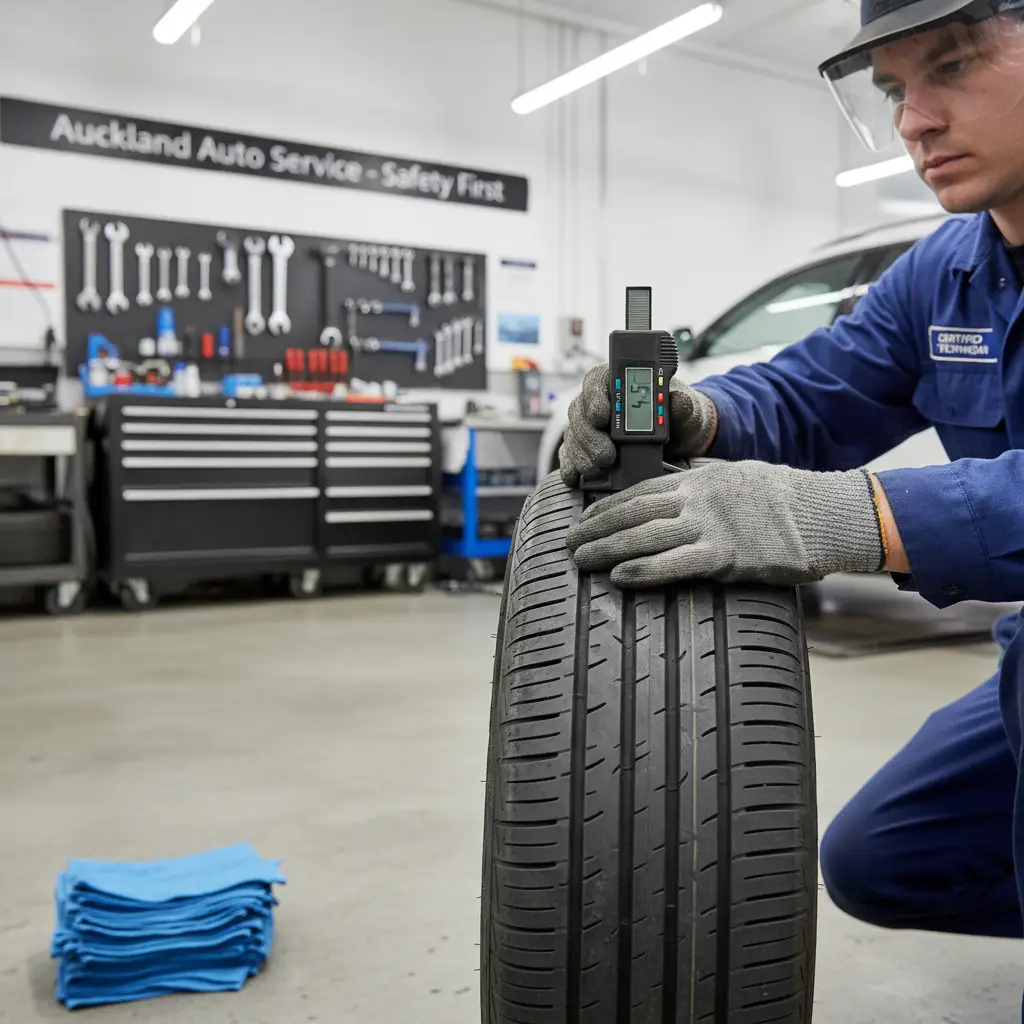
- Tyre Condition: Tread depth must be at least 1.5mm across 75% of the tread width. Inspectors also look for deep cuts, bulges, or cracks in the sidewall.
- Brake Performance: The vehicle is placed on brake rollers to test stopping power and balance. The handbrake must also be capable of holding the vehicle stationary.
- Structural Condition: Rust is a major concern in New Zealand’s coastal climate. Any structural rust within 150mm of a load-bearing point (like suspension mounts or seatbelt anchorages) is an automatic fail.
- Lights and Glazing: All lights must function correctly, and lenses cannot be cracked. The windscreen must be free of damage in the critical vision area (CVA).
- Safety Belts and Airbags: Webbing must not be frayed, buckles must operate smoothly, and airbag warning lights must function correctly.
Common WOF Failures in Auckland
Auckland’s unique driving environment contributes to specific wear patterns that often lead to WOF failures. The stop-start nature of motorway traffic and the city’s topography put immense stress on specific vehicle components.
Tyres and Suspension
Auckland roads vary significantly in quality. Potholes and uneven surfaces can wreak havoc on suspension components. It is common for Auckland mechanics to see worn suspension bushes, leaking shock absorbers, and play in steering rack ends. Furthermore, tyres often wear unevenly due to alignment issues caused by these road impacts. Checking your tyre pressure regularly can help, but once the alignment is out, the tyre will scrub quickly, leading to a failure on tread depth or exposed cords.
Braking Systems
In heavy traffic, drivers are constantly on and off the brakes. This generates significant heat and wear. Brake pads wearing down below the manufacturer’s limit is a top reason for failure. However, a more subtle issue often seen in Auckland is the imbalance of braking force. If a caliper seizes due to grime or lack of use (common in second cars), the vehicle may pull to one side during the roller test, resulting in a fail.
Lighting and Electrical
It sounds simple, but a blown bulb is one of the most frustratingly preventable reasons to fail a WOF. Modern vehicles with LED systems are less prone to blown bulbs but can suffer from moisture ingress, which fogs up the lens. If the light output is diminished or the beam pattern is scattered, the vehicle will not pass. For older vehicles, yellowing or “oxidized” headlight lenses are a frequent fail point because they reduce light transmission.
Vehicle Modification Rules: Keeping It Legal
New Zealand has a vibrant car culture, and Auckland is often the hub of vehicle customization. However, the line between a cool upgrade and an illegal modification is strictly policed. Understanding the Low Volume Vehicle (LVV) certification process is essential for anyone looking to modify their ride.
The LVV Certification Threshold
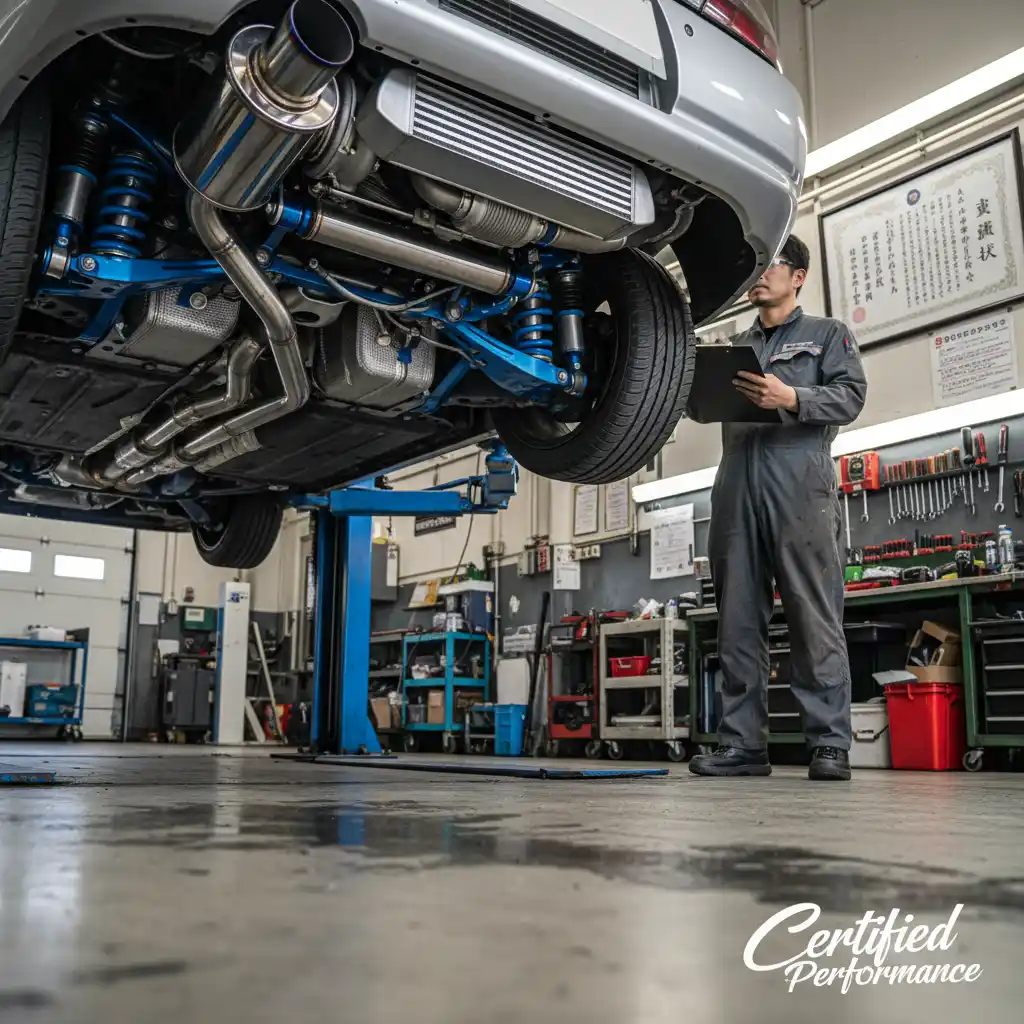
Minor modifications often do not require certification, provided they meet general safety standards. However, once you cross a certain threshold, you need an LVV plate (often called a “cert”). This is a metal plate attached to the vehicle listing the approved modifications. According to the Low Volume Vehicle Technical Association (LVVTA), common triggers for certification include:
- Adjustable Suspension: Fitting height-adjustable coilovers usually requires certification to ensure the vehicle retains enough suspension travel and ground clearance (minimum 100mm).
- Engine Swaps: Installing an engine significantly more powerful than the original, or of a different configuration, requires a cert.
- Significant Brake Upgrades: Fitting larger calipers or converting rear drums to discs alters the braking balance and requires testing.
- Seats and Seatbelts: Retrofitting racing bucket seats or changing seatbelt anchor points affects occupant safety and must be certified.
Window Tinting Rules
Window tints are a popular modification in Auckland to combat the sun, but strict rules apply. For a standard passenger car (Class MA), the front windscreen can have no tint (except a glare strip at the top). The front side windows must allow at least 35% visible light transmission (VLT). Rear windows on sedans also require 35% VLT. However, vans and SUVs often have different allowances for rear windows, sometimes allowing for darker “privacy glass.” Applying a tint that is too dark will result in a WOF failure and a requirement to strip the film.
Road User Charges (RUC) Explained
While petrol tax covers road maintenance for most petrol vehicles, diesel vehicles and, more recently, electric vehicles (EVs) and plug-in hybrids (PHEVs) contribute through Road User Charges (RUC). This system ensures that all road users pay their fair share toward the National Land Transport Fund.
Who Must Pay RUC?
Traditionally, any vehicle powered by a fuel not taxed at the pump (like diesel) or any vehicle over 3.5 tonnes required RUC. This involves purchasing a license for a set distance (e.g., 1,000km blocks). The RUC label must be displayed on the windscreen, similar to a registration label. If the odometer exceeds the distance purchased, you are driving illegally and can be fined.
The Shift for EVs and PHEVs
As of April 1, 2024, the exemption for light electric vehicles and plug-in hybrid electric vehicles ended. This was a significant shift in the regulatory landscape. Owners of EVs and PHEVs must now purchase RUC licenses.
- Electric Vehicles (EVs): Owners pay a standard RUC rate (currently $76 per 1000km) similar to light diesel vehicles.
- Plug-in Hybrid Electric Vehicles (PHEVs): Because PHEV owners also pay petrol tax when they fill up, they pay a reduced RUC rate (currently $38 per 1000km) to avoid double taxation.
It is vital for Auckland EV owners to stay on top of this. WOF inspectors check the odometer reading during an inspection. While they may not fail a WOF solely for expired RUC (this is a police enforcement issue), discrepancies can be flagged. You can find the latest rates and purchase licenses via the NZ Transport Agency website.
The Mobile Mechanic Advantage for Compliance
In a sprawling metropolis like Auckland, taking time off work to drop a car at a workshop for a WOF or compliance repair can be a logistical nightmare. This has given rise to the popularity of mobile mechanics. While a mobile mechanic cannot typically issue the WOF sticker on the roadside (as this requires a fixed brake roller machine and specific hoist setup approved by NZTA), they play a crucial role in the ecosystem.
Pre-WOF Inspections and Repairs
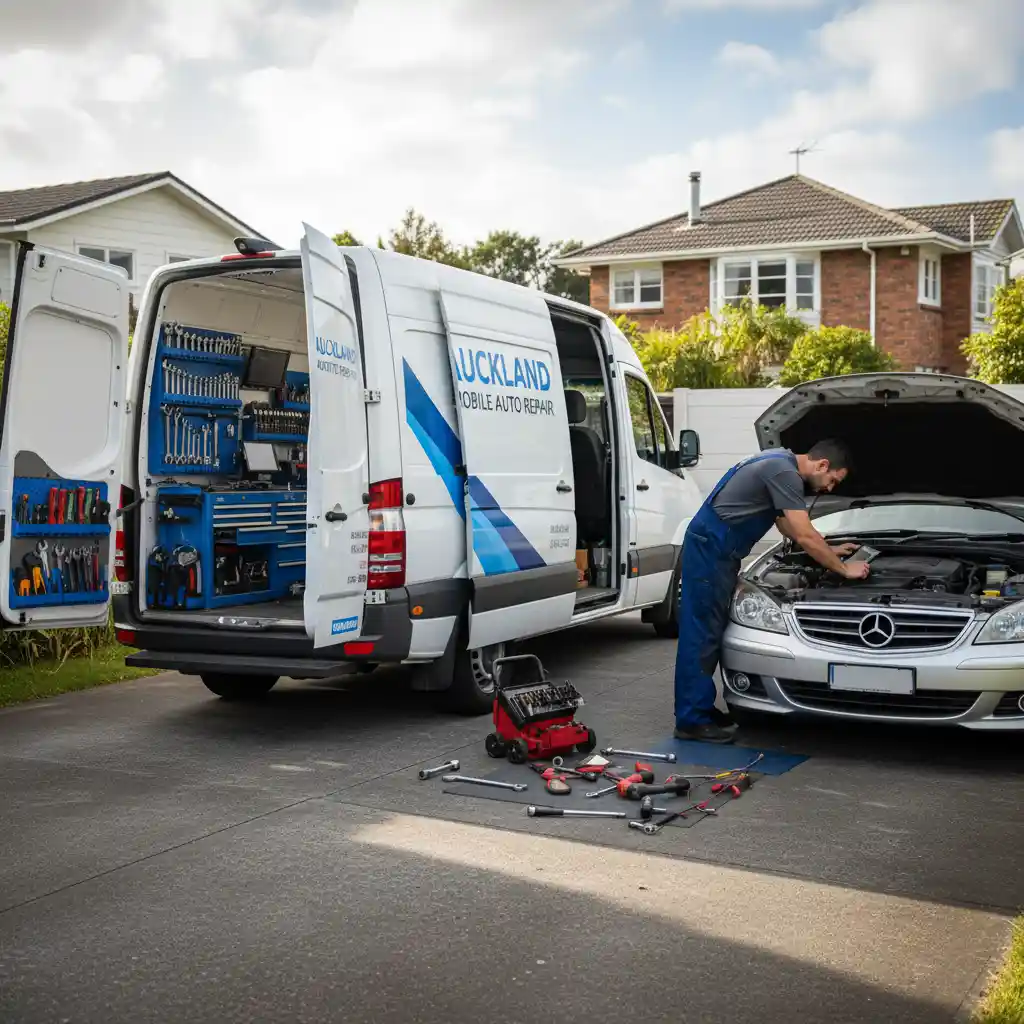
A skilled mobile mechanic can perform a pre-WOF inspection at your home or workplace. They can identify the obvious fail points—blown bulbs, worn tyres, oil leaks, or worn brake pads—and repair them on-site before you go for the official test. This saves the hassle of failing, booking a repair, and returning for a re-check.
Convenience and Transparency
Using a mobile service for compliance repairs (like replacing CV joints or fixing suspension issues flagged on a check sheet) offers transparency. You can see the work being done on your driveway. For Aucklanders juggling busy schedules, this service ensures that vehicle regulations and safety standards are met without the downtime associated with traditional garages.
Frequently Asked Questions
Can a mobile mechanic issue a WOF in Auckland?
Generally, no. A Warrant of Fitness inspection requires specific stationary equipment like brake rollers and headlamp aligners that are permanently installed at an authorized site. However, mobile mechanics can perform pre-WOF checks and fix failure items.
What happens if I drive without a current WOF?
Driving without a current WOF is illegal. You can be fined $200 by the police. Furthermore, if you crash, your insurance company may decline your claim if the lack of a WOF contributed to the accident or if the vehicle was in an unroadworthy condition.
How much does a WOF cost in Auckland?
The price varies between providers. In Auckland, a WOF inspection typically costs between $50 and $75. Some workshops offer cheaper rates if combined with a service, while specialized testing stations may charge slightly more for the speed and independence of the test.
My car failed its WOF. How long do I have to fix it?
You have 28 days from the date of the initial inspection to fix the issues and return for a re-check. During this time, you are only allowed to drive the vehicle for the purpose of getting it repaired or re-inspected. You cannot use it for general driving.
Do I need a WOF to sell my car?
Legally, yes. A vehicle sold for use on the road must have a WOF issued no more than one month before the date of delivery to the purchaser. However, a buyer can agree in writing to accept the vehicle “as is” without a current WOF, provided they undertake to fix it.
What is the minimum tyre tread depth for a WOF?
The minimum legal tread depth is 1.5mm across 75% of the tyre’s width and around the entire circumference. However, mechanics recommend replacing tyres at 3mm, as wet weather braking performance drops significantly below this level.