
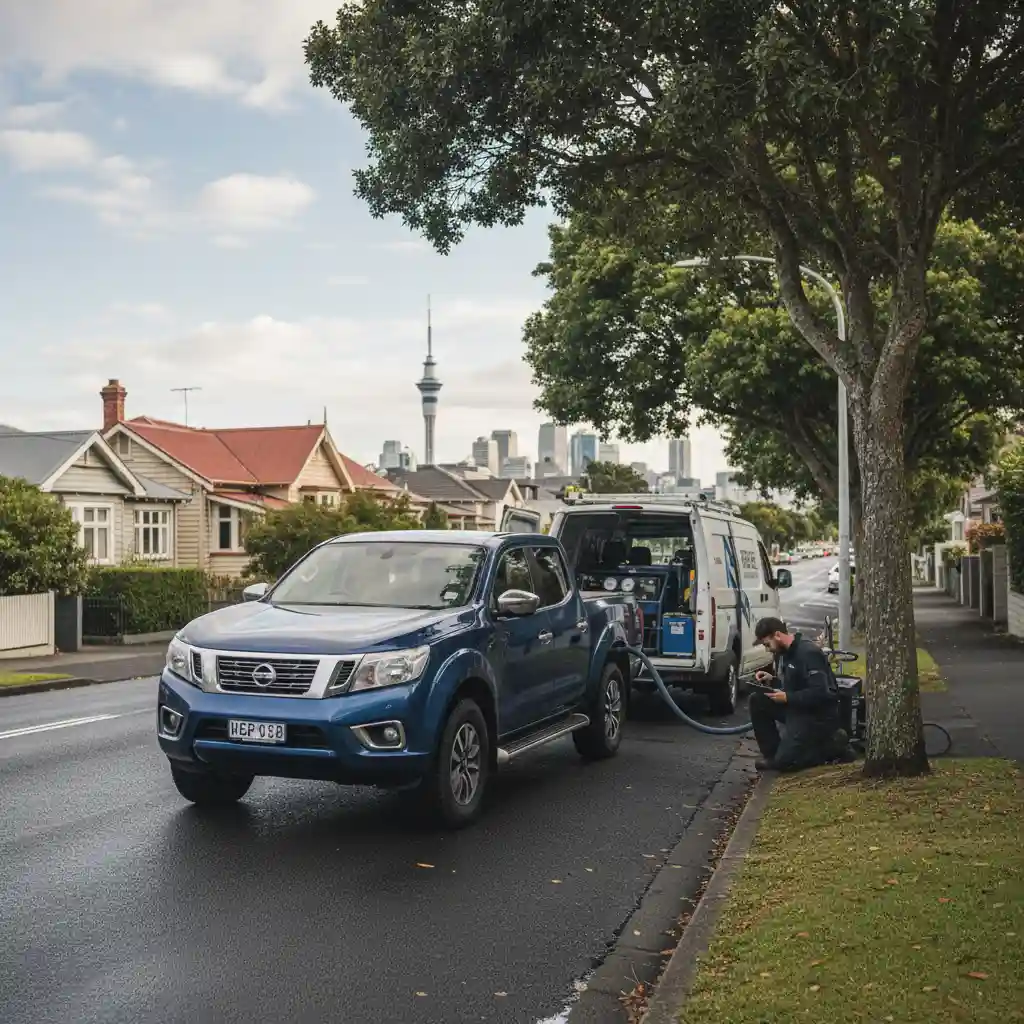
Nissan Navara DPF solutions in Auckland involve specialized mobile mechanic services designed to diagnose, clean, regenerate, and repair diesel particulate filters directly at your location. These essential services address common DPF issues in Navara vehicles, restoring optimal engine performance, reducing emissions, and preventing costly engine damage effectively and conveniently across Auckland.
Understanding Navara DPF Issues
The Diesel Particulate Filter (DPF) is a critical component in modern diesel vehicles, including the Nissan Navara, designed to capture and store exhaust soot to reduce emissions. While highly effective, DPFs are also a common source of frustration for many Navara owners, particularly in urban environments like Auckland where driving conditions often exacerbate DPF clogging.
What is a DPF and How Does it Work?
A Diesel Particulate Filter (DPF) is an exhaust after-treatment device engineered to remove diesel particulate matter or soot from the exhaust gas of a diesel engine. It’s essentially a ceramic filter with a honeycomb structure, located in the exhaust system. As exhaust gases pass through the DPF, soot particles are trapped. Periodically, the DPF must undergo a process called regeneration, where the accumulated soot is burned off at high temperatures, converting it into a fine ash that is then expelled. This process ensures the filter remains clear and continues to function effectively, meeting stringent emission standards.
Why Navaras Are Prone to DPF Problems
Nissan Navara models, like many other modern diesels, can be particularly susceptible to DPF issues due to a combination of factors. Short journeys and stop-start city driving – common in Auckland traffic – prevent the engine from reaching the high temperatures required for passive DPF regeneration. When the engine doesn’t get hot enough for long enough, soot accumulates rapidly, leading to blockages. Furthermore, inferior fuel quality, incorrect engine oils (not low-ash specification), and other engine-related issues can contribute to excessive soot production, overwhelming the DPF’s capacity and hindering its ability to regenerate effectively. Ignoring early warning signs can lead to severe blockages, potentially damaging the DPF beyond repair or causing further engine complications.
The Impact of a Clogged DPF
A clogged DPF is not merely an inconvenience; it can have significant detrimental effects on your Nissan Navara’s performance, fuel efficiency, and long-term reliability. When the DPF becomes excessively blocked, exhaust gas flow is restricted, leading to increased back pressure in the exhaust system. This back pressure forces the engine to work harder, resulting in a noticeable reduction in power and acceleration. You might experience your Navara entering ‘limp home’ mode, a protective measure by the engine’s ECU to prevent damage. Furthermore, a struggling engine will consume more fuel, leading to higher running costs. Prolonged DPF issues can also place undue stress on other engine components, potentially causing damage to the turbocharger, injectors, or even the engine itself, culminating in expensive repair bills.
Signs of a Clogged DPF in Navaras
Recognizing the early warning signs of a clogged DPF in your Nissan Navara is crucial for preventing more severe and costly issues. Prompt action can often resolve the problem with a simple cleaning or regeneration, whereas prolonged neglect can lead to DPF replacement or even engine damage.
Warning Lights on Your Dashboard
The most immediate and obvious indicators of DPF trouble are warning lights appearing on your Navara’s dashboard. The DPF warning light, typically an icon resembling an exhaust filter, will illuminate when the filter is accumulating soot and requires regeneration. If the DPF warning light is ignored and the blockage worsens, the engine management light (often a yellow engine outline) may also light up, potentially accompanied by the vehicle entering ‘limp mode’. Limp mode severely restricts engine power to prevent damage, forcing you to seek immediate professional attention. For more detailed information on DPF operation and warning signs, consult Wikipedia’s Diesel Particulate Filter page.
Performance Degradation
A clogged DPF directly impacts your Navara’s engine performance. You might notice a significant loss of power, making acceleration sluggish, and the vehicle feeling less responsive than usual. The engine may struggle to maintain speed on inclines or during overtakes. This reduction in performance is a direct result of the exhaust back pressure created by the blocked filter, which hinders the engine’s ability to efficiently expel exhaust gases.
Increased Fuel Consumption and Emissions
As the DPF becomes blocked, your Navara’s engine has to work harder to push exhaust gases through the restricted filter. This increased effort translates directly into higher fuel consumption. You may find yourself filling up more frequently, negatively impacting your running costs. Additionally, while the DPF is designed to reduce emissions, a severely clogged or malfunctioning DPF can actually lead to an increase in visible exhaust smoke, particularly black smoke, indicating unburnt soot being forced through or around the filter, or failed regeneration attempts.
Unpleasant Smells
Another less common but notable sign of DPF issues can be unusual or unpleasant smells emanating from your vehicle. A strong smell of diesel, particularly inside the cabin, or a burning smell during attempted regeneration cycles can indicate that the DPF is not functioning correctly or is trying excessively hard to clear itself. This could also suggest an exhaust leak or other related issues, all of which warrant professional inspection.
Mobile DPF Cleaning & Regeneration Services
When your Nissan Navara starts exhibiting DPF-related symptoms, specialized mobile DPF cleaning and regeneration services in Auckland offer an unparalleled level of convenience and expertise. These services are designed to address DPF issues efficiently, right at your doorstep.
The Convenience of Mobile DPF Solutions in Auckland
Mobile DPF solutions bring the workshop to you, eliminating the need to tow your struggling Navara to a garage. Whether you’re at home, work, or even stranded, a professional mobile mechanic can reach you anywhere in Auckland. This on-site service saves you time, hassle, and potentially towing fees, allowing for a swift diagnosis and resolution of your DPF problems with minimal disruption to your day. It’s particularly beneficial for vehicles in limp mode, providing immediate relief without further travel.
Active vs. Passive Regeneration Explained
DPF regeneration is the process of burning off accumulated soot. Passive regeneration occurs naturally during long drives at high speeds, where exhaust gas temperatures are sufficient to incinerate soot. Active regeneration is initiated by the engine’s ECU when passive regeneration is insufficient; the ECU injects extra fuel to raise exhaust temperatures. However, frequent short trips common in Auckland often prevent both passive and active regeneration from completing successfully, leading to blockages that require professional intervention.
Forced Regeneration by a Professional
When the vehicle’s passive or active regeneration cycles fail, a professional mobile mechanic can perform a ‘forced regeneration’. Using specialized diagnostic equipment, the mechanic manually initiates a regeneration cycle, raising the engine and exhaust temperatures to levels that burn off the trapped soot. This process is more intensive and requires monitoring to ensure it is performed safely and effectively, clearing the DPF and restoring its functionality. It’s a critical step before considering more aggressive cleaning methods or DPF replacement.
Deep Cleaning Techniques
For DPFs that are heavily clogged and resistant to forced regeneration, deep cleaning techniques may be necessary. These often involve injecting specialized chemical cleaning solutions directly into the DPF to break down stubborn soot and ash deposits. Another advanced method is hydro-cleaning, which uses high-pressure water and cleaning agents to thoroughly flush out the DPF. These techniques are highly effective in restoring DPF efficiency, but they require skilled application and proper disposal of waste, making professional mobile service the ideal choice.
DPF Assessment and Diagnosis
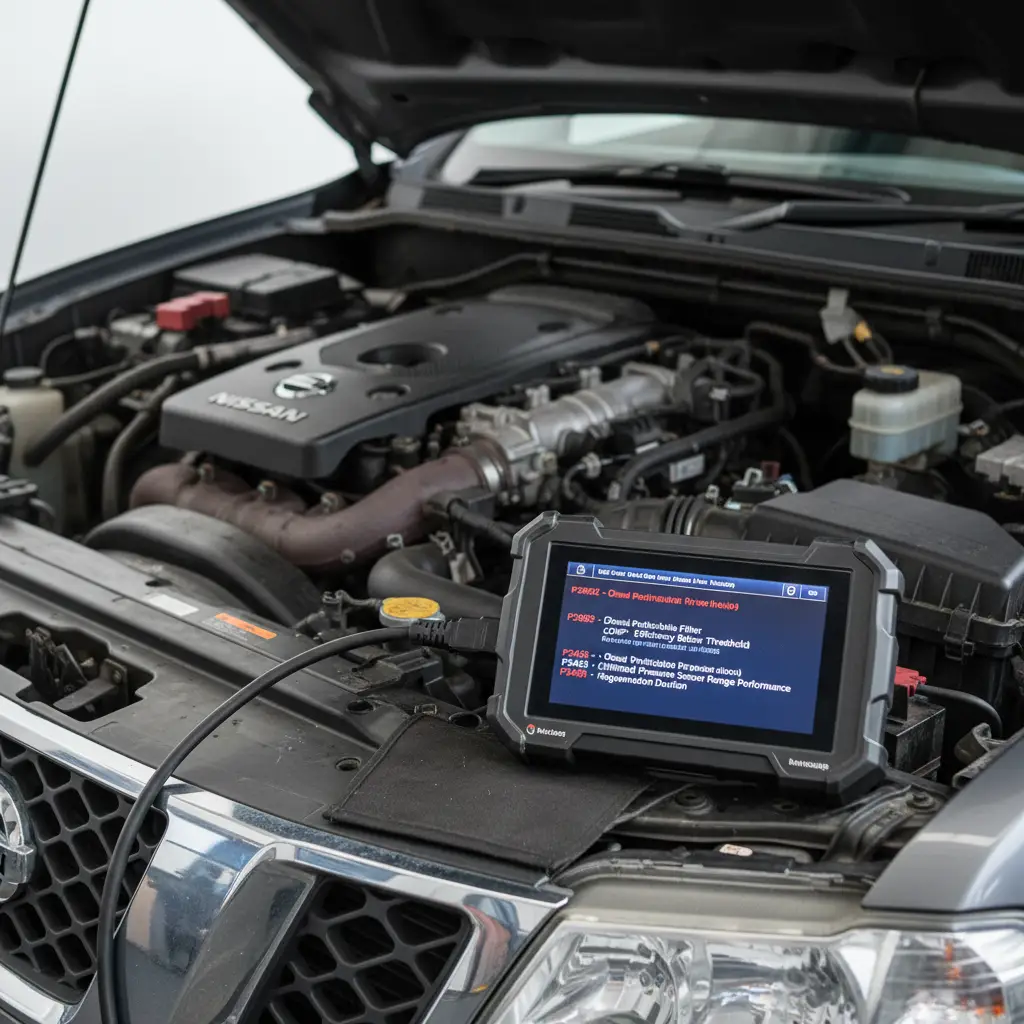
Before any cleaning or regeneration, a thorough DPF assessment and diagnosis are paramount. Mobile mechanics use advanced diagnostic scanners to read fault codes, assess DPF saturation levels, back pressure, and monitor various engine parameters. This detailed analysis helps in accurately identifying the root cause of the DPF issue, whether it’s merely a blockage, a faulty sensor, or a deeper engine problem, ensuring the correct solution is applied. A comprehensive diagnosis prevents guesswork and ensures long-lasting repairs.
Why Choose a Specialist for Your Navara DPF
Dealing with a Nissan Navara DPF requires specific knowledge, tools, and experience. Choosing a specialist mobile mechanic in Auckland ensures that your vehicle is handled by professionals who understand the intricacies of Navara DPF systems. They have access to manufacturer-specific diagnostic tools, high-quality cleaning agents, and the expertise to perform forced regenerations and deep cleaning safely and effectively. Their specialization means they can often provide more precise solutions, reducing the risk of further damage and ensuring your DPF operates optimally for longer. For further insights into diesel engine maintenance and emissions, you might find resources from the European Environment Agency relevant.

Maintain Your Navara’s Performance
Proactive maintenance and conscious driving habits are essential for prolonging the life of your Nissan Navara’s DPF and ensuring its consistent performance. Preventing DPF issues is far more cost-effective and less disruptive than reacting to a severe blockage.
Driving Habits for DPF Health
The way you drive your Navara significantly impacts DPF health. Regular long journeys at consistent speeds, typically on highways, allow the engine and exhaust system to reach the high temperatures necessary for passive regeneration. If your driving primarily consists of short city trips in Auckland, make an effort to take your Navara for a sustained drive (e.g., 20-30 minutes at speeds above 60km/h) at least once a week. This helps clear accumulated soot and prevents the DPF from becoming overly clogged, reducing the need for professional intervention.
Regular Servicing and Maintenance
Adhering to your Nissan Navara’s recommended service schedule is vital for DPF longevity. Ensure that your mobile mechanic uses the correct low-ash engine oil specification (typically C3 or C4 for DPF-equipped diesels). Using incorrect oil can lead to excessive ash buildup in the DPF, which cannot be regenerated and will eventually necessitate DPF replacement. Regular oil and filter changes, along with fuel filter replacement, contribute to overall engine health and reduce soot production, indirectly protecting your DPF.
The Role of AdBlue and Fuel Additives
For Navara models equipped with Selective Catalytic Reduction (SCR) technology, maintaining adequate AdBlue (Diesel Exhaust Fluid) levels is crucial. While AdBlue primarily targets NOx emissions, a malfunctioning SCR system can indirectly impact DPF performance and trigger related warnings. Additionally, certain high-quality diesel fuel additives designed for DPF-equipped engines can assist in keeping the fuel system clean and promoting more efficient combustion, which in turn can help reduce soot formation and support DPF regeneration.
Early Detection and Prevention
Never ignore the DPF warning light or any other dashboard indicators. Early detection of DPF issues can save you significant time and money. If a warning light appears, or you notice a decline in performance, seek professional diagnosis promptly. Regular checks by a mobile mechanic, even between scheduled services, can help identify potential issues before they escalate into major problems. Proactive monitoring and timely intervention are key to effective DPF management.
Long-Term DPF Care Strategy
A comprehensive long-term DPF care strategy involves a combination of mindful driving, diligent maintenance, and prompt professional attention when needed. Regularly assess your driving patterns, ensure your Navara receives proper servicing with the correct fluids, and be vigilant for any early warning signs. By investing in the health of your DPF, you’ll not only avoid expensive repairs but also ensure your Nissan Navara continues to perform optimally, maintain its fuel efficiency, and meet emission standards for years to come. Mobile DPF solutions in Auckland provide the expert support necessary to achieve this.
People Also Ask
What causes DPF problems in Nissan Navara?
DPF problems in Nissan Navaras are commonly caused by frequent short journeys, stop-start city driving (typical in Auckland), using incorrect engine oil, poor fuel quality, and underlying engine issues that lead to excessive soot production, preventing the DPF from regenerating effectively.
How often should a Navara DPF be cleaned or regenerated?
The frequency depends on driving style and conditions. If you mostly do city driving, a forced regeneration or professional cleaning might be needed every 12-18 months, or whenever DPF warning lights appear. Regular highway driving helps with passive regeneration.
Can I drive my Nissan Navara with the DPF warning light on?
It is strongly advised against driving your Nissan Navara with the DPF warning light on for an extended period. This indicates a blockage, and continuing to drive can lead to severe DPF damage, engine limp mode, or even permanent engine issues. Seek professional mobile DPF service immediately.
What is the cost of Nissan Navara DPF cleaning in Auckland?
The cost of Nissan Navara DPF cleaning in Auckland varies depending on the severity of the blockage and the method used (forced regeneration, chemical clean, or hydro-clean). Mobile services can range from NZD 300 to NZD 800+. A full DPF replacement can be significantly more expensive, often NZD 2000+.
How long does a mobile DPF regeneration service take?
A standard mobile DPF regeneration service, including diagnosis and the regeneration process, typically takes between 1 to 2 hours. However, heavily clogged DPFs requiring deep cleaning might take longer, sometimes up to 3-4 hours, depending on the method and severity.
Are DPF removal services legal in Auckland, New Zealand?
No, DPF removal services are generally illegal in New Zealand. Modifying or removing emission control devices like the DPF can result in failed WOF inspections, fines, and legal penalties, as it significantly increases harmful emissions. Always opt for professional DPF repair and cleaning solutions.