
Mobile radiator repair in Auckland involves professional automotive technicians traveling directly to your location to diagnose, service, and repair vehicle cooling systems. This service covers fixing leaks, replacing thermostats, flushing coolant, and conducting pressure tests onsite, eliminating the need for towing and providing immediate relief for overheating engines.
There are few situations more stressful for a driver than watching the temperature gauge climb into the red zone while stuck in traffic on the Southern Motorway or navigating the busy streets of the Auckland CBD. The cooling system is the heart of your vehicle’s thermal management, ensuring that the engine operates within a safe temperature range. When this system fails, the consequences can range from a minor inconvenience to catastrophic engine failure, such as a warped cylinder head or a blown head gasket.
In the past, a radiator failure meant waiting hours for a tow truck and losing your vehicle to a workshop for days. Today, the landscape of automotive repair has shifted towards convenience and efficiency. Our mobile radiator repair services in Auckland bring the workshop to you, whether you are at home, at work, or stranded on the roadside. We specialize in comprehensive cooling system diagnostics and repairs, ensuring you get back on the road safely and quickly.
Why Choose Mobile Radiator Repair in Auckland?
Auckland is a sprawling metropolis, and vehicle breakdowns rarely happen at convenient times or locations. Opting for a mobile mechanic who specializes in cooling systems offers several distinct advantages over traditional garage repairs.
Firstly, the primary benefit is the elimination of towing costs and logistics. Driving a vehicle with an overheating engine, even for a short distance, can cause irreversible damage. By having a technician come to you, you mitigate the risk of exacerbating the problem. Secondly, mobile services offer transparency. You can watch the mechanic perform the pressure test and inspect the leak, giving you complete confidence in the diagnosis and the proposed solution.
Our mobile units are equipped with industrial-grade diagnostic tools, pressure testers, and a wide array of replacement parts, allowing us to handle everything from minor hose replacements to full radiator swaps onsite. We understand the unique driving conditions in Auckland, from the humid summers that tax cooling systems to the stop-start traffic that limits airflow through the radiator grille.
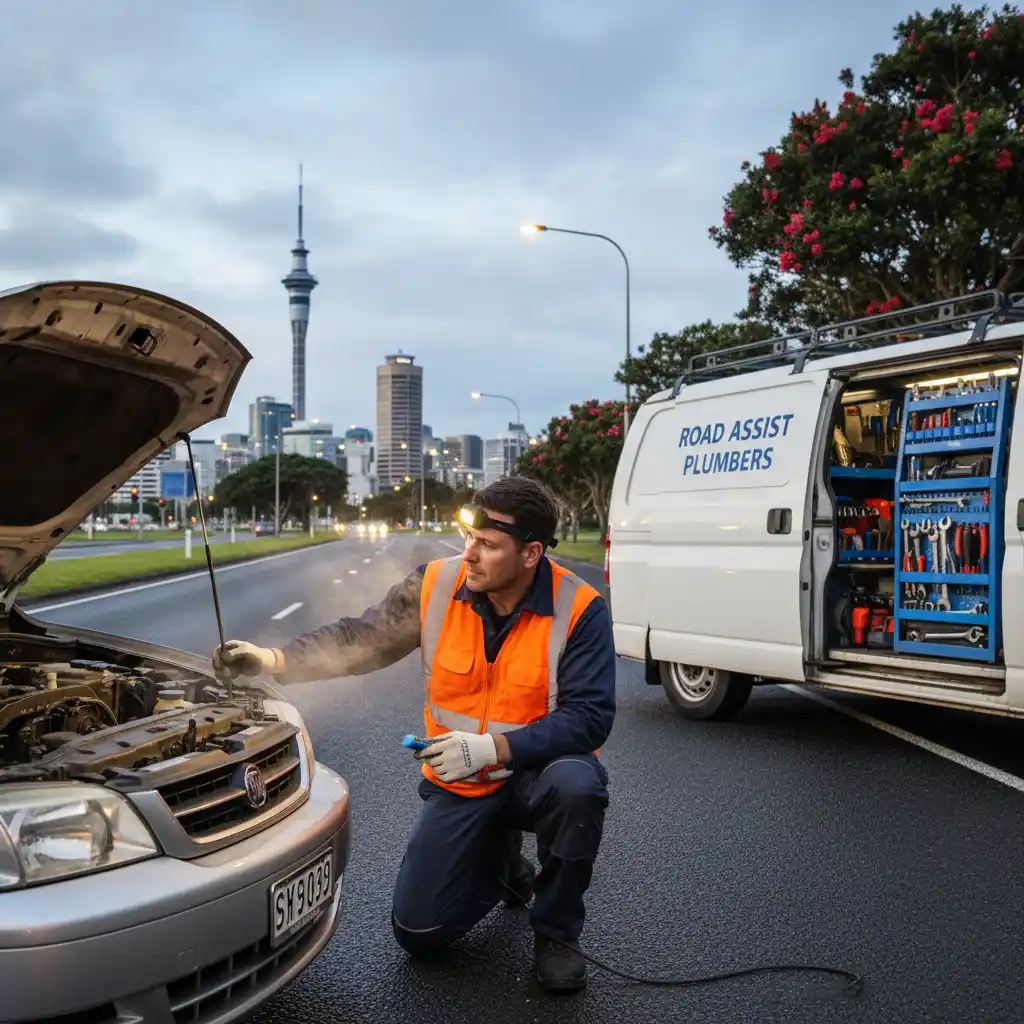
Diagnosing Common Cooling System Issues
Effective repair begins with accurate diagnosis. The cooling system is a closed loop that relies on pressure to raise the boiling point of the coolant. When a component fails, this pressure is compromised, leading to leaks or boiling over. Our technicians are trained to identify the root cause of the failure, not just the symptoms.
Common indicators that you require immediate mobile assistance include:
- Visible Steam: Steam billowing from under the hood is the most obvious sign of a breach in the system.
- Sweet Smell: Ethylene glycol, the active ingredient in antifreeze, has a distinctively sweet, syrupy odor. If you smell this inside or outside the car, you likely have a leak.
- Rising Temperature Gauge: If the needle moves past the halfway mark or the warning light illuminates, pull over immediately.
- Puddles Under the Car: Bright green, pink, or orange fluid on the driveway indicates a coolant leak.
Fixing Leaks and Overheating Issues
Leaks can occur in various parts of the cooling system, including the radiator core, the plastic side tanks, the heater core, or the connection points. One of the most common issues we encounter in Auckland is the failure of the plastic tanks attached to the aluminum radiator core. Over time, the constant thermal cycling (heating up and cooling down) causes the plastic to become brittle and crack.
When addressing leaks and overheating, our process is thorough:
- Visual Inspection: We check for dried coolant residue (white or colored crust) around the radiator seams, hoses, and water pump.
- Component Isolation: We determine if the leak is coming from a repairable hose or if the structural integrity of the radiator is compromised.
- Repair vs. Replace: While some minor pinhole leaks in metal radiators can be brazed or soldered, modern aluminum and plastic radiators generally require replacement to ensure reliability. We carry high-quality aftermarket and OEM-spec radiators to suit most makes and models found in New Zealand.
Ignoring a minor leak often leads to a major overheating event. When the coolant level drops, air pockets form in the system. These air pockets create “hot spots” in the engine block where heat is not being transferred away, leading to rapid metal expansion and potential seizure.
Pressure Testing the System: The First Line of Defense
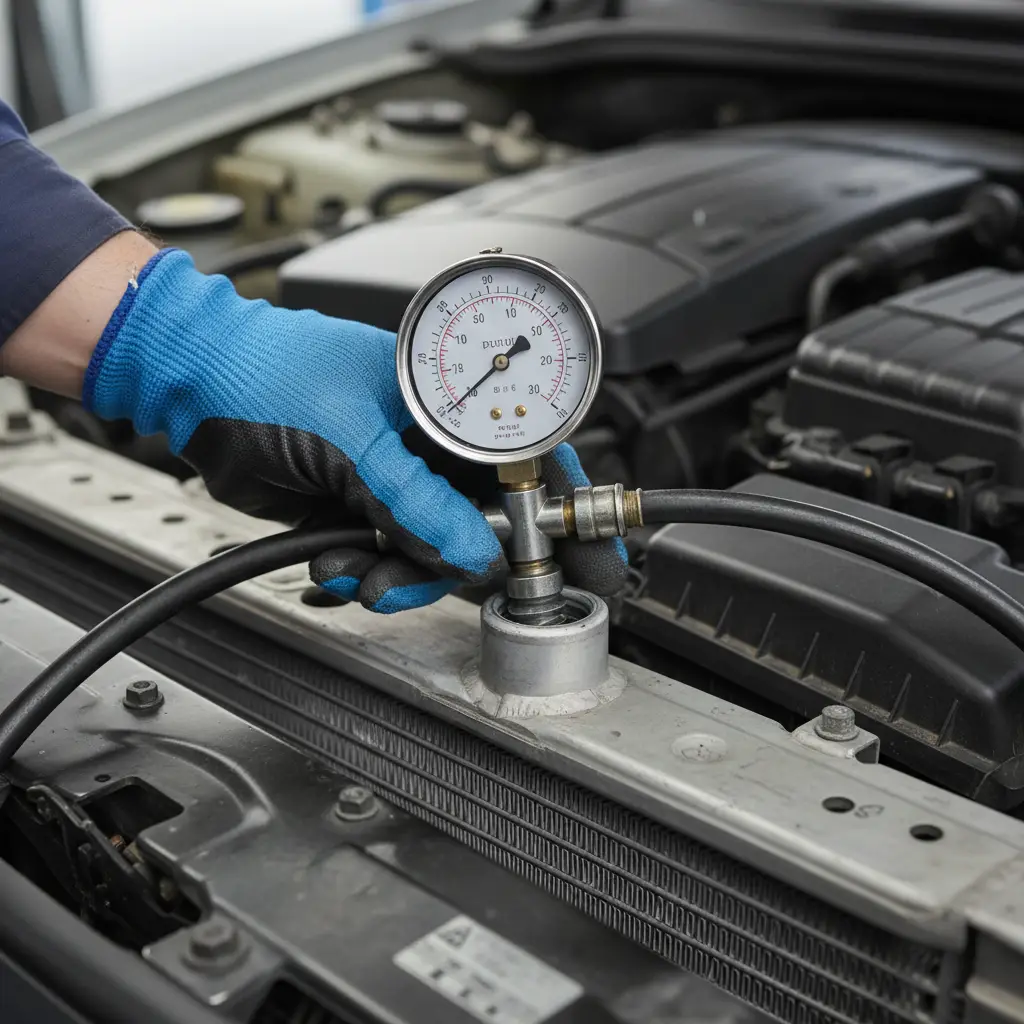
Pressure testing is the definitive method for locating hard-to-find leaks. A cooling system does not just hold water; it holds it under significant pressure (usually between 13 to 16 PSI). A leak that isn’t visible when the engine is cold and off may spray violently when the system is pressurized.
To perform this, we attach a specialized pressure tester to the radiator filler neck or expansion tank. We then manually pump air into the system to simulate the operating pressure of the engine. This forces coolant out of even the smallest hairline cracks or loose hose clamps, revealing the exact location of the failure. This method is crucial for distinguishing between a failed radiator cap, a leaking water pump, or a blown head gasket.
For more information on how vehicle cooling systems function and the physics of heat dissipation, reputable sources like Wikipedia’s entry on Radiators provide excellent technical background.
Thermostat and Hose Replacement
Often, the radiator itself is not the culprit. The thermostat is a small valve that regulates the flow of coolant between the engine and the radiator. It is designed to stay closed when the engine is cold to help it reach operating temperature quickly, and open once the engine is hot to allow coolant to flow to the radiator for cooling.
A thermostat can fail in two ways:
- Stuck Open: The engine runs too cool and fails to reach optimal operating temperature, leading to poor fuel economy and increased emissions.
- Stuck Closed: Coolant is trapped in the engine block and cannot reach the radiator. This causes rapid and severe overheating within minutes of driving.
Our mobile service includes onsite thermostat replacement. We also meticulously inspect all radiator hoses. Rubber hoses suffer from Electrochemical Degradation (ECD), which attacks the rubber from the inside out. A hose might look fine on the outside but be on the verge of bursting. We check for “soft” spots or crunchiness when squeezed and replace them with high-grade, heat-resistant silicone or reinforced rubber hoses.
Radiator Flush and Coolant Top-Up Services
Coolant (or antifreeze) is not permanent. Over time, the corrosion inhibitors in the fluid break down. When this happens, the coolant can become acidic, eating away at the aluminum components of your engine and radiator from the inside. This is why a radiator flush is a critical maintenance task.
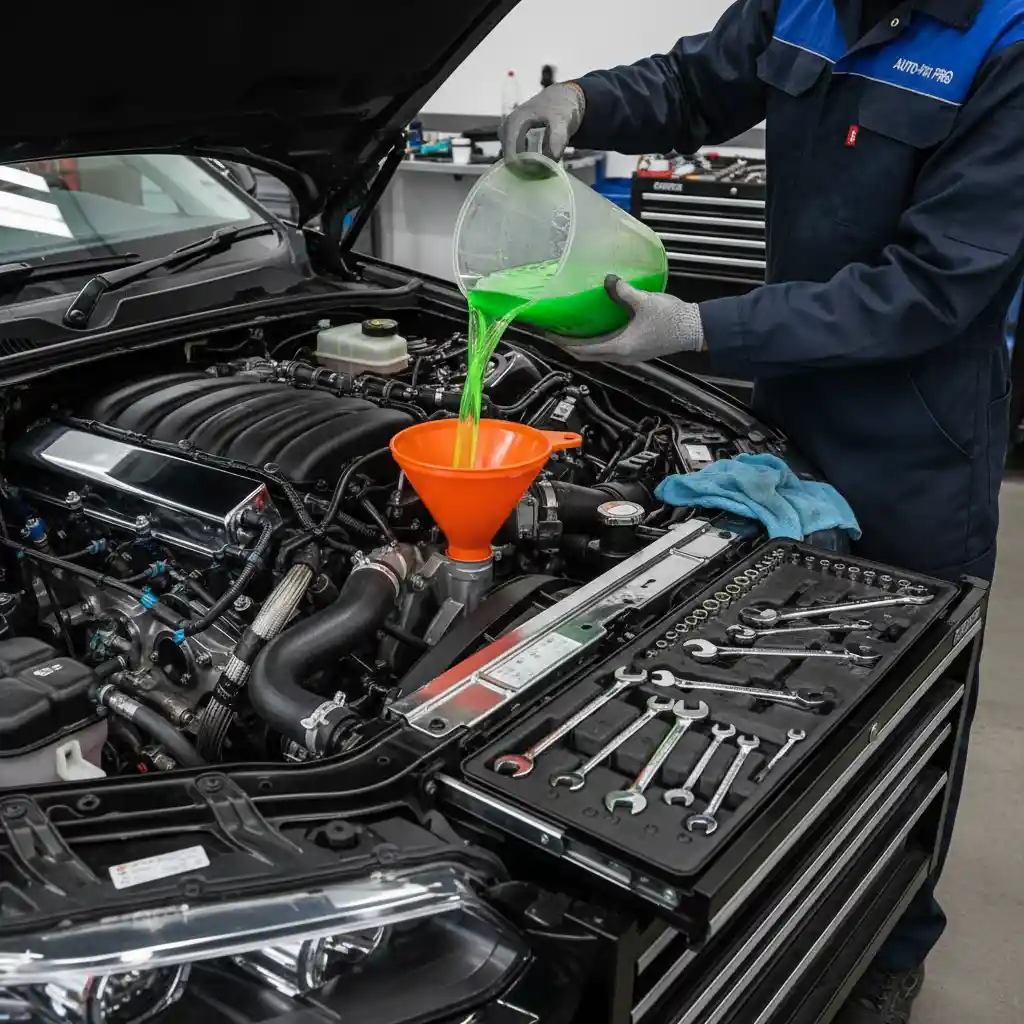
Our mobile radiator flush service involves:
- Draining: Removing the old, contaminated coolant.
- Flushing: Using water and a cleaning agent to flush out sludge, rust, and scale deposits from the heater core and engine block.
- Refilling: Adding fresh, manufacturer-specified coolant mixed at the correct ratio (usually 50/50 with distilled water) to ensure freezing protection in winter and boiling protection in summer.
- Bleeding: Running the engine to remove all air pockets from the system, ensuring smooth flow.
Using the wrong type of coolant can be disastrous. Mixing OAT (Organic Acid Technology) coolant with IAT (Inorganic Additive Technology) coolant can cause a chemical reaction that creates a gel, clogging the radiator. We ensure the correct fluid is used for your specific vehicle make.
Preventative Maintenance for Auckland Drivers
While our mobile repair service is available for emergencies, we always advocate for preventative maintenance. Auckland’s traffic conditions put immense strain on cooling systems. Idling in traffic reduces the airflow that naturally cools the radiator, forcing the electric fans to work harder.
To avoid a breakdown, we recommend:
- Checking coolant levels monthly (when the engine is cold).
- Inspecting the front of the radiator for debris like leaves or bugs that might block airflow.
- Replacing the radiator cap every time you replace the coolant, as the pressure seal wears out.
- Booking a professional pressure test and inspection annually, especially before long summer road trips.
For general advice on vehicle safety and maintenance standards in New Zealand, the NZ Transport Agency (Waka Kotahi) provides guidelines on what is checked during a Warrant of Fitness, including cooling system integrity.
Our Mobile Service Areas Across Auckland
We pride ourselves on offering comprehensive coverage across the Greater Auckland region. Whether you are located on the North Shore, in West Auckland, East Auckland, or South Auckland, our mobile vans are ready to deploy. We service suburbs including Albany, Takapuna, Henderson, New Lynn, Manukau, Papakura, and the central city.
Our goal is to get you back on the road with minimal disruption to your day. By choosing a mobile radiator repair specialist, you are choosing expertise, convenience, and a commitment to quality automotive care right at your doorstep.
People Also Ask
How much does mobile radiator repair cost in Auckland?
The cost varies depending on the vehicle make and the extent of the damage. A simple hose replacement or coolant flush is affordable, while a full radiator replacement will cost more due to parts. However, mobile services often save you money by eliminating towing fees. Contact us for a specific quote based on your vehicle model.
Can a mobile mechanic fix a cracked radiator onsite?
Yes, in most cases. If the radiator needs replacement, mobile mechanics carry or can quickly source the correct replacement unit and install it at your location. If it is a minor leak in a metal radiator, it might be repairable, but replacement is usually the safer, longer-lasting option for modern plastic/aluminum radiators.
Is it safe to drive with a leaking radiator?
No, it is not safe. Driving with a leaking radiator can lead to a rapid loss of coolant, causing the engine to overheat. This can result in severe engine damage, such as a blown head gasket or warped cylinder head, which are extremely expensive to fix.
How long does a mobile radiator replacement take?
A standard radiator replacement typically takes between 2 to 4 hours, depending on the complexity of the vehicle’s engine bay. Some modern cars require the removal of the bumper or other components to access the radiator.
What causes a radiator to crack?
Radiators often crack due to age and thermal stress. The constant heating and cooling cycles cause the plastic side tanks to become brittle. Other causes include excessive system pressure, corrosion from old coolant, or physical damage from road debris.
Do you offer a warranty on mobile radiator repairs?
Yes, reputable mobile mechanics in Auckland provide warranties on both parts and labor. This ensures that if the new radiator fails or a leak persists due to installation issues, you are covered.