
A mobile car diagnostic in Auckland is a specialized service where certified technicians travel to your location to identify vehicle faults using professional-grade OBD2 scanning technology and physical inspection methods. This on-site solution detects engine codes, electrical failures, and mechanical issues, providing immediate, accurate assessments without the need for a tow truck or workshop visit.
The Importance of Mobile Car Diagnostics in Auckland
In the bustling automotive landscape of Auckland, vehicle reliability is paramount. Whether you are commuting through the heavy traffic of the Southern Motorway or navigating the winding roads of the Waitakere Ranges, a breakdown is more than just an inconvenience—it is a significant disruption to your life. The traditional model of vehicle repair involved waiting for a tow truck, transporting the vehicle to a workshop, and waiting days for an assessment. Mobile diagnostics have revolutionized this process.
Modern vehicles are no longer just mechanical machines; they are sophisticated networks of computers on wheels. From the Engine Control Unit (ECU) to the Transmission Control Module (TCM), your car relies on complex data streams to function. When a warning light appears on your dashboard, it is the car’s way of communicating a specific error within this network. A professional mobile car diagnostic service brings the workshop to your driveway, office, or roadside, bridging the gap between a breakdown and a solution with speed and precision.
By choosing a mobile service in Auckland, you eliminate the logistical nightmare of moving a non-running vehicle. Furthermore, seeing the diagnostic process happen right in front of you builds trust and transparency, ensuring you understand exactly what is wrong with your vehicle before authorizing any repairs.
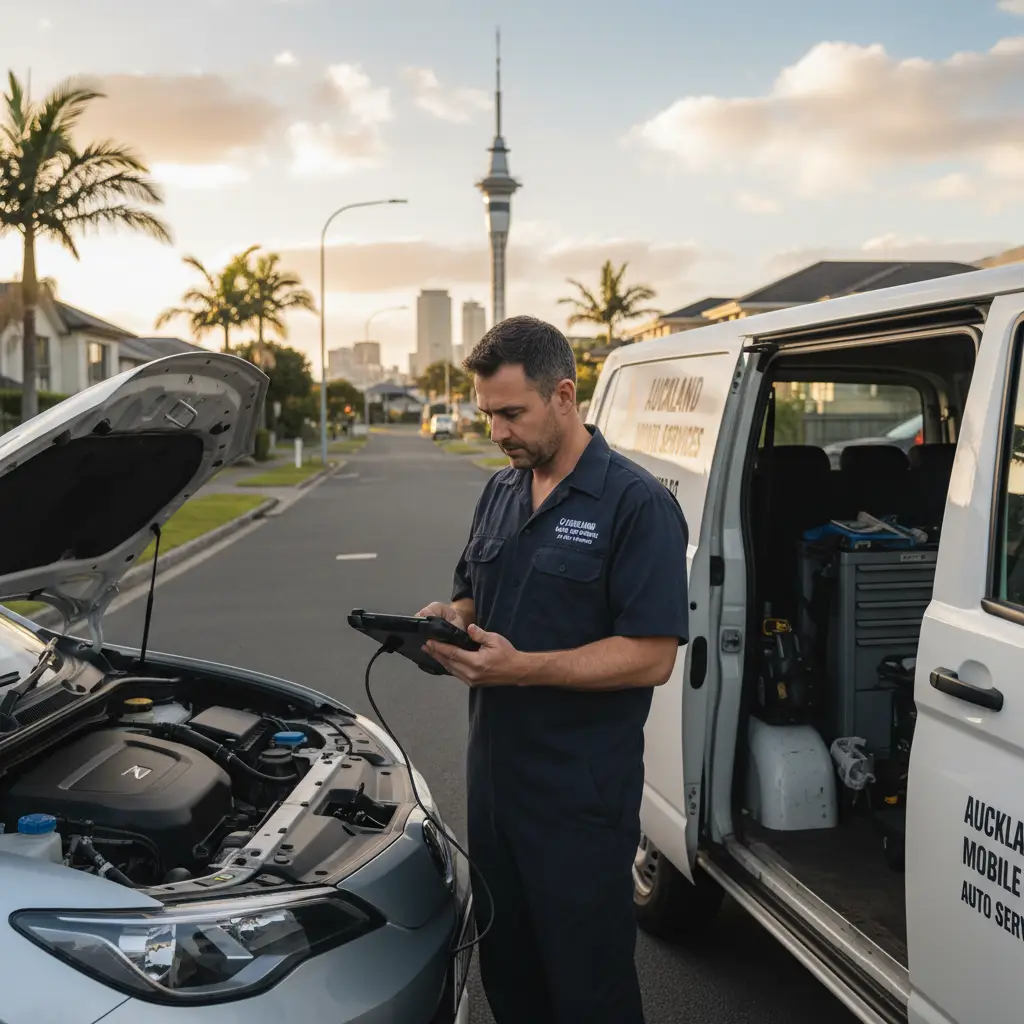
Advanced Computer Scanning Tools Explained
One of the primary pillars of a high-quality mobile diagnostic service is the caliber of the equipment used. Many car owners assume that a cheap Bluetooth dongle purchased online can replace a professional diagnostic scan. However, there is a vast difference between reading a generic error code and interpreting live data streams to pinpoint a root cause.
Professional mobile mechanics utilize dealership-level scanning tools that go far beyond generic OBD-II code reading. These advanced computers communicate with every module in the vehicle, not just the engine. They can access the Body Control Module (BCM), Airbag Control Module (ACM), and Anti-lock Braking System (ABS).
Interpreting Live Data
A code might tell you that an oxygen sensor is failing, but it won’t tell you why. Advanced tools allow technicians to view “live data”—real-time graphs of fuel trim, air intake temperatures, voltage fluctuations, and sensor activity. By analyzing this data while the engine is running, a skilled technician can distinguish between a faulty sensor, a wiring issue, or a vacuum leak.
Bi-Directional Controls
Top-tier diagnostic tools feature bi-directional control, allowing the technician to command specific components to operate. For example, they can remotely activate the fuel pump, cycle the A/C compressor, or open and close solenoids. This active testing confirms whether a component is mechanically dead or if the computer simply isn’t sending the signal to activate it. This level of depth is crucial for accurate diagnosis and prevents the costly “parts cannon” approach where mechanics guess and replace parts unnecessarily.
Pre-Purchase Peace of Mind
Auckland has a vibrant market for used vehicles, particularly Japanese imports. However, buying a used car comes with inherent risks. A shiny exterior can easily hide a multitude of mechanical sins, from flood damage to impending transmission failure. This is where a mobile pre-purchase inspection becomes an invaluable investment.
A comprehensive pre-purchase inspection combines advanced computer scanning with a rigorous physical examination. The goal is to provide the buyer with a complete health report of the vehicle before money changes hands. This service is designed to uncover hidden issues that the seller may not be aware of—or may be actively trying to conceal.
Key areas covered during a mobile pre-purchase inspection include:
- Scan Analysis: Checking for cleared fault codes (indicating someone recently erased errors to hide a problem) and verifying monitor readiness status.
- Fluid Analysis: Checking the condition of engine oil, transmission fluid, coolant, and brake fluid for signs of contamination or neglect.
- Structural Integrity: Looking for signs of previous accident damage, rust, or poor-quality body repairs.
- Test Drive Performance: Evaluating transmission shifting, suspension noise, braking efficiency, and steering responsiveness.
According to consumer protection guidelines, understanding the true condition of a vehicle is essential for making an informed decision. For more on vehicle safety ratings and standards, you can refer to the NZ Transport Agency (Waka Kotahi).
Electrical Fault Finding and Troubleshooting
As vehicles become more electrified, electrical faults have become the most common and frustrating issues for car owners. An electrical problem can manifest as a battery drain, a non-functional power window, intermittent lighting issues, or a car that simply refuses to start.
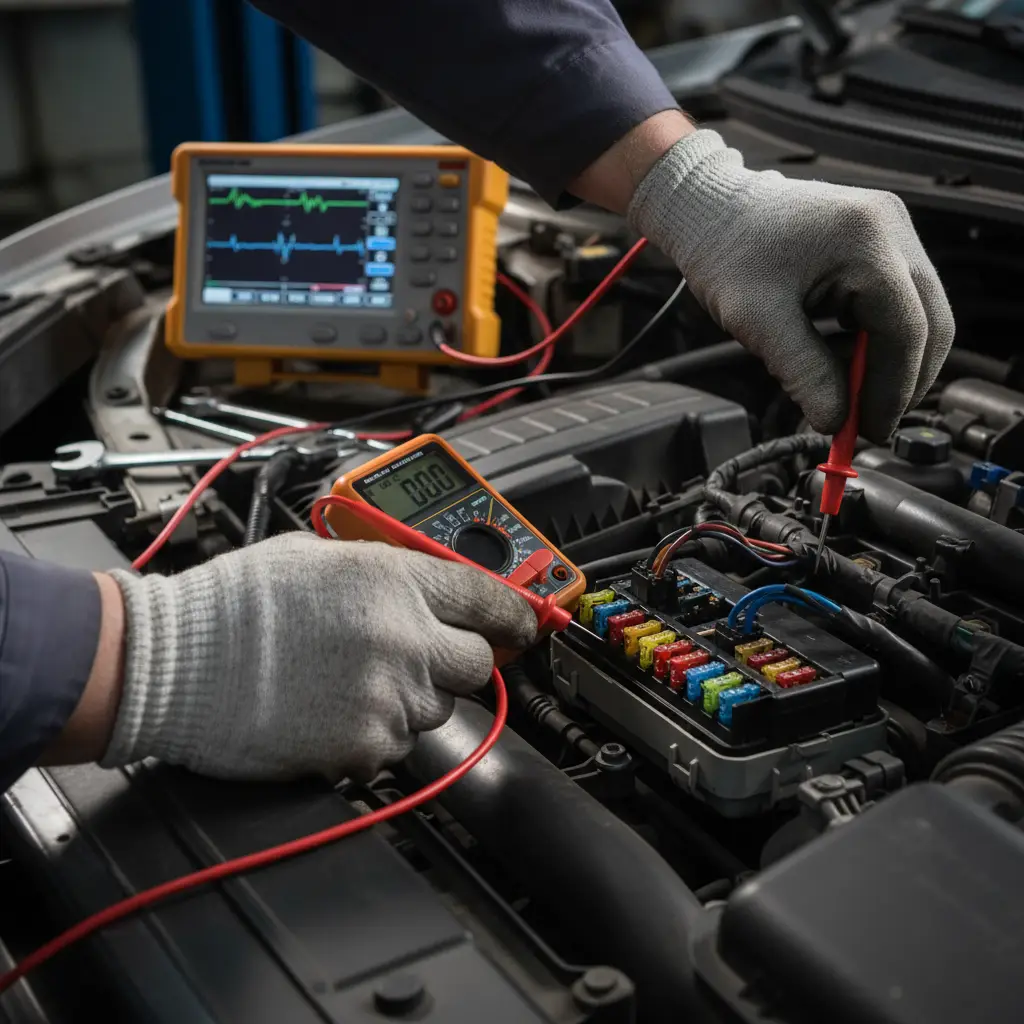
Mobile electrical fault finding requires a high level of expertise. Unlike mechanical parts, you cannot always “see” electricity. Technicians must use multimeters, oscilloscopes, and wiring diagrams to trace circuits and identify where the flow of electricity is being interrupted.
Parasitic Battery Drains
One of the most frequent requests for mobile diagnostics in Auckland is for parasitic battery drains. This occurs when a component in the car continues to draw power even when the ignition is off, causing the battery to go flat overnight. Tracking this down requires patience and a systematic approach, isolating individual circuits (fuses) until the culprit—often an aftermarket alarm, radio, or a stuck relay—is found.
Wiring and Sensor Repairs
The harsh New Zealand UV rays and humidity can degrade wiring insulation over time, leading to shorts and corrosion. Rodent damage is also a surprising but common cause of wiring failure. A mobile diagnostic expert can repair damaged harnesses on-site, soldering and heat-shrinking connections to restore factory-level conductivity and reliability.
Comprehensive Engine Health Checks
While computer scanning is critical, it does not replace the need for physical engine health checks. A sensor might tell you a cylinder is misfiring, but it won’t tell you if that cylinder has lost compression due to worn piston rings or a bent valve. Comprehensive engine diagnostics involve “getting your hands dirty” to assess the mechanical condition of the motor.
Mobile technicians are equipped to perform several critical mechanical tests on-site:
- Compression Testing: This measures the pressure built up inside the cylinders. Low compression indicates internal engine wear or damage that electronic scans cannot fix.
- Cylinder Leak-Down Testing: If compression is low, a leak-down test pinpoints exactly where the air is escaping—past the rings, the exhaust valves, the intake valves, or into the cooling system (head gasket failure).
- Fuel Pressure Testing: Ensuring the fuel pump and injectors are delivering the correct pressure is vital for performance and fuel economy.
- Timing Component Inspection: Checking for rattle in timing chains or wear on timing belts to prevent catastrophic engine failure.
Regular engine health checks are vital for longevity. For a deeper understanding of how internal combustion engines and on-board diagnostics work, Wikipedia provides an extensive overview of OBD standards.
When to Book a Mobile Diagnostic Service?
Waiting until your car breaks down completely often leads to more expensive repairs. Recognizing the early warning signs can save you thousands of dollars. You should book a mobile car diagnostic in Auckland immediately if you notice any of the following symptoms:
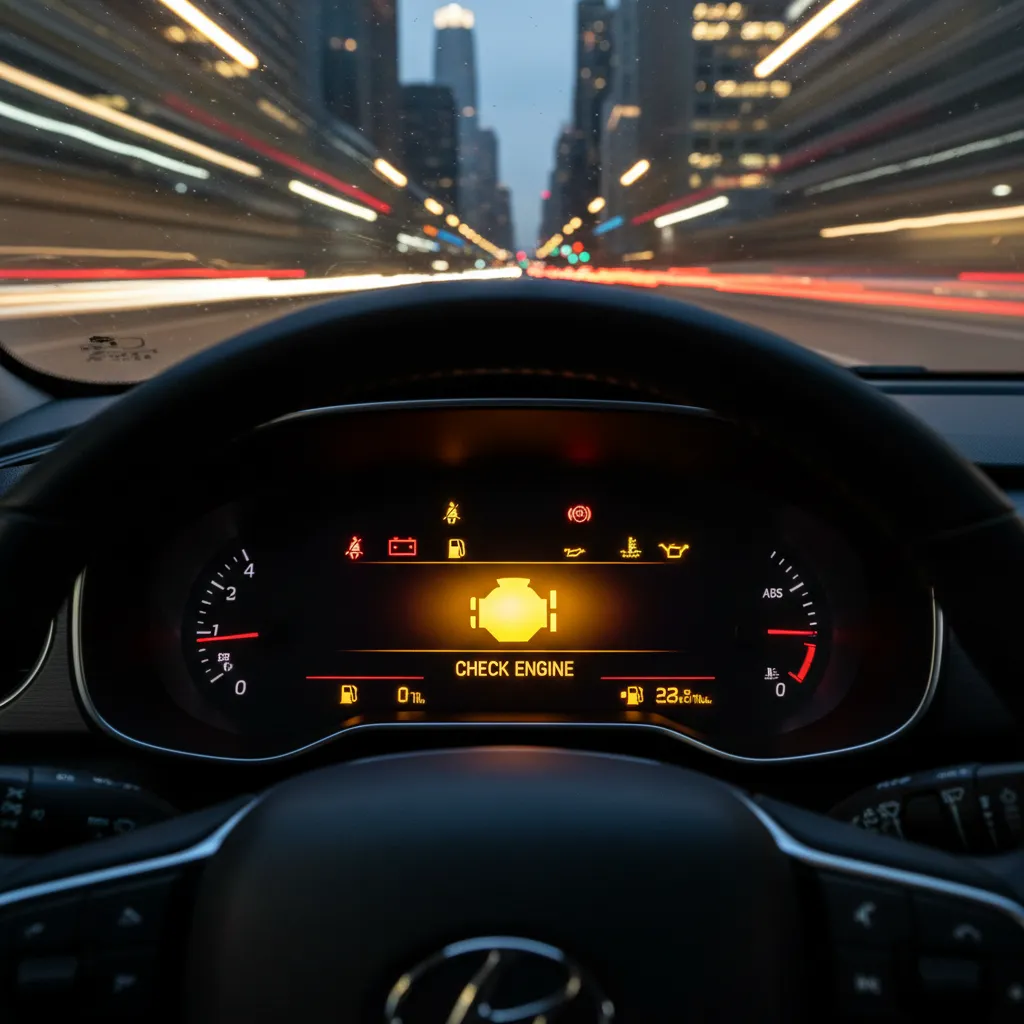
- Check Engine Light (CEL): Even if the car seems to be driving fine, a flashing or solid CEL indicates a fault that needs attention. Ignoring it can damage your catalytic converter.
- Limp Mode: If your car suddenly loses power and refuses to accelerate past a certain speed, the computer has entered “limp mode” to protect the engine and transmission from damage.
- Increased Fuel Consumption: A sudden drop in fuel economy often points to issues with oxygen sensors, mass airflow sensors, or fuel injectors.
- Rough Idling or Stalling: If the car shakes while stopped at traffic lights or stalls unexpectedly, there is likely an issue with the air/fuel mixture or ignition system.
- Strange Noises or Smells: Squealing belts, knocking sounds, or the smell of raw fuel or burning rubber are urgent indicators of mechanical failure.
Frequently Asked Questions
How much does a mobile car diagnostic cost in Auckland?
The cost for a mobile car diagnostic in Auckland typically ranges between $120 and $200 NZD. This price usually includes the call-out fee to your location and the first hour of labor or the initial computer scan. Complex electrical fault finding may incur additional hourly charges if the issue requires extensive physical troubleshooting beyond the digital scan.
Can a mobile mechanic fix the problem on the spot?
In many cases, yes. Mobile mechanics carry a range of common parts and tools. If the diagnostic reveals a sensor failure, battery issue, or minor electrical fault, it can often be repaired immediately. However, if the issue requires major engine disassembly or a specialized part that needs to be ordered, a follow-up appointment will be necessary.
Is a mobile diagnostic as accurate as a workshop scan?
Yes, provided the mobile technician uses professional-grade equipment. Reputable mobile diagnostic services use the same high-end scanners (such as Snap-on, Autel, or launch) found in dealerships. The accuracy depends more on the skill of the technician interpreting the data than on the location of the service.
What is the difference between a basic scan and a full diagnostic?
A basic scan simply retrieves the error codes stored in the computer (e.g., P0300 Random Misfire). A full diagnostic involves the technician taking those codes, analyzing live data, performing physical tests (like checking spark plugs or testing voltage), and verifying the root cause of the failure to ensure the correct repair is recommended.
Do you offer mobile diagnostics for all car makes and models?
Most professional mobile diagnostic services in Auckland are equipped to handle a wide variety of makes, including Japanese imports (Toyota, Nissan, Mazda), European vehicles (BMW, Audi, VW), and Australian models. However, some luxury or exotic vehicles may require proprietary software, so it is always best to mention your car’s make and model when booking.
Will a mobile diagnostic reset my dashboard warning lights?
Yes, part of the process involves clearing the error codes which resets the dashboard lights. However, a reputable technician will only clear the codes after the underlying issue has been identified or repaired. If the problem is not fixed, the light will simply come back on after a few drive cycles.