
Mobile brake repair Auckland refers to a premium automotive service where certified mechanics travel directly to a vehicle’s location to perform essential braking system maintenance, including pad replacement, rotor machining, and fluid flushes. This service eliminates the safety risk of driving a compromised vehicle to a workshop while offering unparalleled convenience for vehicle owners.
The Evolution of Mobile Brake Repair in Auckland
In the bustling automotive landscape of Auckland, the traditional model of vehicle maintenance is undergoing a significant transformation. For decades, vehicle owners were forced to disrupt their schedules, arrange drop-offs, and wait in uncomfortable reception areas just to ensure their vehicles were safe to drive. Today, the demand for mobile brake repair in Auckland has surged, driven by a need for efficiency and a heightened awareness of road safety.
Auckland’s unique geography, characterized by steep hills, frequent rain, and heavy stop-and-go traffic, places immense stress on vehicle braking systems. The constant friction and heat generation accelerate wear on brake pads and rotors, making regular maintenance not just a recommendation, but a critical necessity. Mobile specialists bridge the gap between professional workshop standards and the convenience of at-home service.
Modern mobile mechanic vans are essentially workshops on wheels. They are equipped with advanced diagnostic tools, heavy-duty jacks, and specialized equipment capable of handling everything from a simple pad swap to complex caliper overhauls. This shift ensures that safety-critical repairs are accessible without the logistical nightmare of towing a dangerous vehicle across the city.
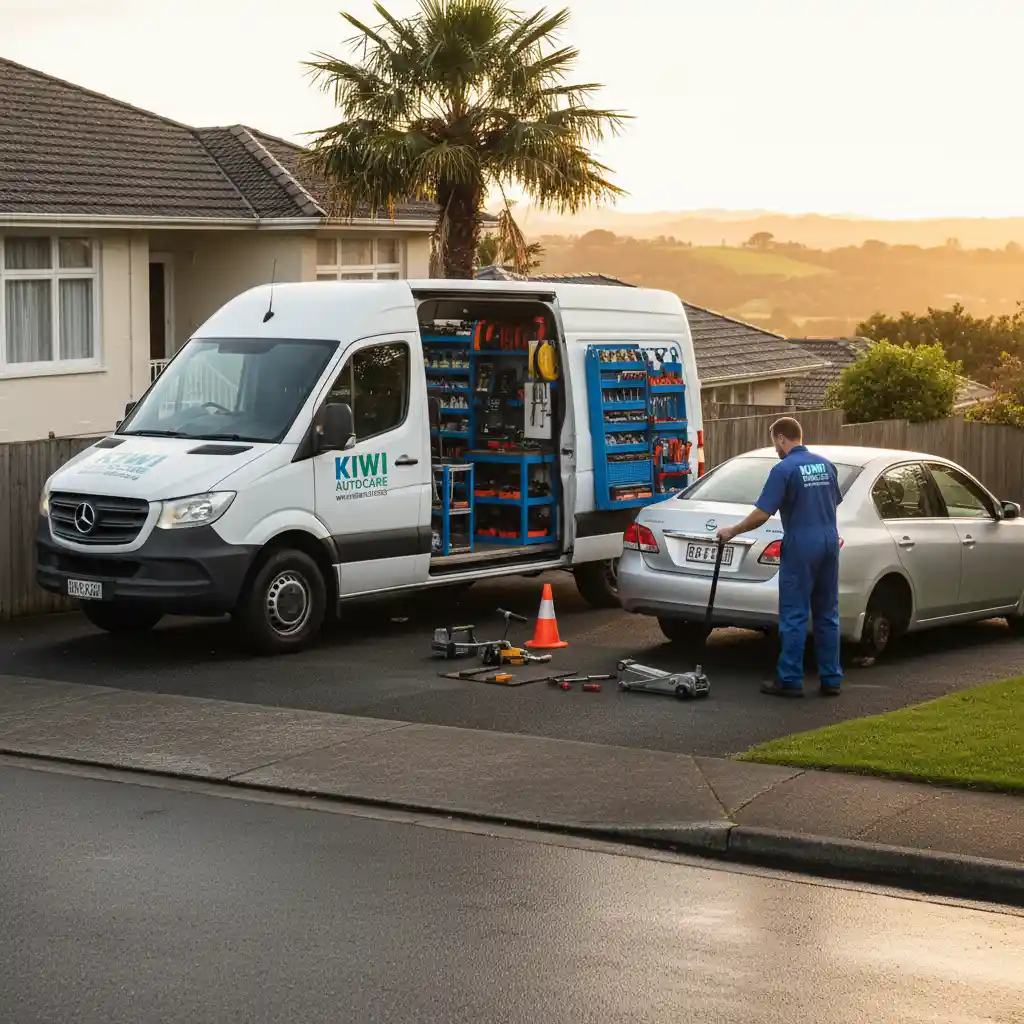
Safety Critical Repairs at Your Home or Workplace
When it comes to automotive safety, the braking system is the single most important component of your vehicle. A failure in the engine might leave you stranded, but a failure in the brakes can lead to catastrophic consequences. Mobile brake and suspension specialists focus on bringing “safety critical” repairs directly to you, ensuring that no vehicle is driven on public roads when it is unfit to do so.
The process of performing these repairs at a client’s location involves rigorous safety protocols. Professional mobile mechanics utilize industrial-grade hydraulic jacks and jack stands to ensure the vehicle is completely stable, regardless of the surface (provided it is relatively flat and hard, like a driveway or car park). They also employ spill containment mats to protect your property from brake fluid or grease, ensuring the site is left as clean as it was found.
One of the hidden benefits of mobile repair is the transparency it offers. Unlike a traditional garage where your car disappears behind a “No Entry” sign, mobile repairs allow you to speak directly with the technician. You can see the worn parts firsthand. A specialist can show you the difference between a brake pad that has 5mm of life left versus one that is metal-on-metal. This direct interaction builds trust and ensures you understand exactly what you are paying for and why it is necessary for your safety.
Comprehensive Brake Pad and Rotor Services
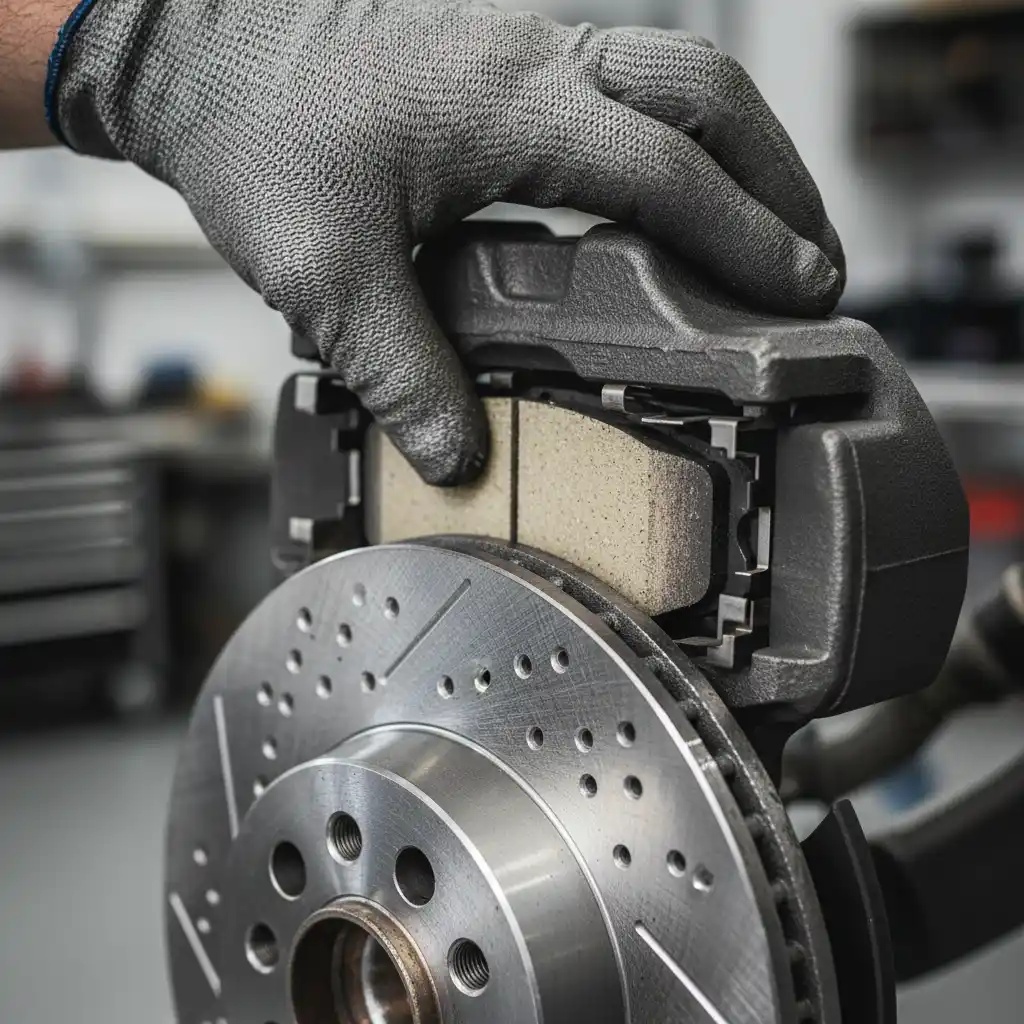
The core of any mobile brake service revolves around the friction materials: the pads and the rotors. These components are designed to wear down over time, sacrificing themselves to stop the vehicle. Understanding the nuances of these services is key to maintaining optimal vehicle performance.
Identifying Worn Brake Pads
Brake pads are the first line of defense. When you press the brake pedal, hydraulic pressure forces the pads against the spinning rotor. Over time, the friction material wears away. Mobile specialists in Auckland are trained to identify the subtle signs of wear before they become critical failures:
- Squealing Noises: Often caused by the wear indicator, a small metal tab designed to scrape the rotor when the pad is low.
- Grinding Sounds: A severe sign indicating the friction material is gone, and metal is grinding against metal.
- Brake Dust Accumulation: Excessive dust can sometimes indicate low-quality pads or uneven wear.
Rotor Resurfacing vs. Replacement
Rotors (discs) must provide a smooth, flat surface for the pads to grip. If a rotor is warped, scored, or too thin, braking efficiency drops. Mobile vans are often equipped with on-car brake lathes or the mechanic will carry a range of replacement rotors. While resurfacing (skimming) was common in the past, modern rotors are often designed to be lighter and thinner, meaning replacement is frequently the safer and more cost-effective option in the long run.
Furthermore, mobile specialists ensure that the brake calipers are functioning correctly. A seized slide pin can cause a new set of pads to wear out unevenly in a matter of weeks. Part of the comprehensive service includes cleaning and lubricating these slide pins with high-temperature silicone paste, a step often skipped by budget quick-lube shops.
Advanced Suspension Diagnostics and Repair
While brakes stop the wheels, the suspension stops the car. Many drivers fail to realize that the suspension system is integral to braking performance. If your suspension is worn, your tires will not maintain consistent contact with the road surface, drastically reducing the effectiveness of your brakes.
The Synergy Between Brakes and Suspension
When you apply the brakes, the weight of the vehicle shifts forward—a phenomenon known as “dive.” Your shock absorbers and struts are responsible for controlling this weight transfer. If the shocks are worn, the front end of the car will dive excessively, lifting the rear tires and reducing their traction. This can increase stopping distances by up to 20%.
Mobile Suspension Services
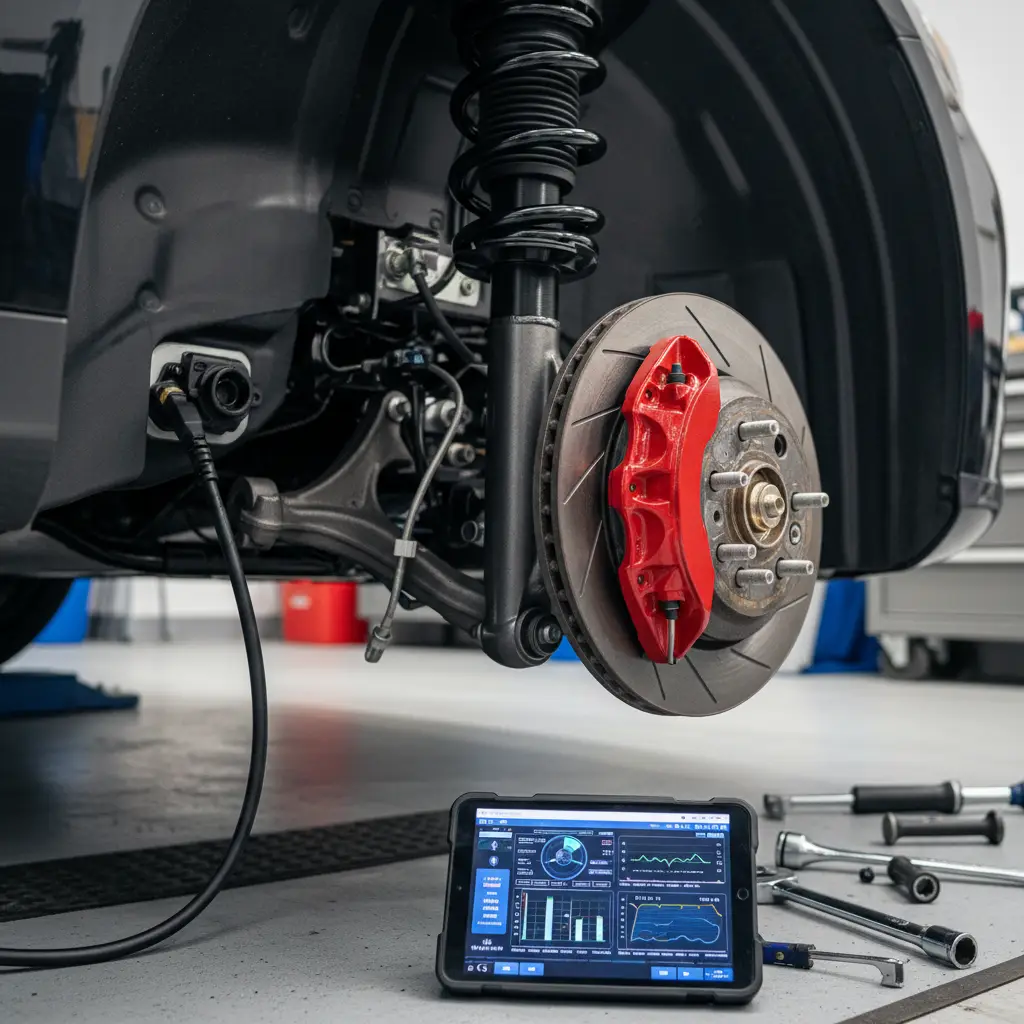
Mobile specialists carry the tools necessary to diagnose and repair suspension issues on-site. This includes:
- Shock Absorbers and Struts: Replacing leaking or gas-depleted units to restore ride control.
- Control Arms and Bushings: Worn bushings can cause the vehicle to wander or pull to one side during braking.
- Sway Bar Links: Often the culprit of clunking noises when going over bumps or driveways.
Diagnosing suspension issues requires a keen eye and experience. A mobile mechanic will perform a “bounce test” and visually inspect components for hydraulic leaks, torn rubber boots, or excessive play. By addressing these issues alongside brake repairs, you ensure a holistic approach to vehicle safety.
The Physics of Stopping Distance and Safety
The ultimate goal of any brake and suspension service is to minimize stopping distance. In an emergency situation on Auckland’s motorways, every meter counts. Stopping distance is calculated as the sum of reaction distance (the distance traveled while the driver moves their foot to the pedal) and braking distance (the distance traveled once the brakes are applied).
A vehicle with new brake pads but worn shock absorbers will still take longer to stop than a well-maintained vehicle. This is because the tires are bouncing rather than gripping. Furthermore, the quality of brake fluid plays a massive role. Brake fluid is hygroscopic, meaning it absorbs moisture from the air over time. Water in the brake lines lowers the boiling point of the fluid. Under heavy braking (like descending the Bombay Hills), this water can boil, creating gas bubbles that lead to complete brake failure—a terrifying scenario known as “brake fade.”
For authoritative information on vehicle safety standards and Warrant of Fitness requirements in New Zealand, you can refer to the NZ Transport Agency (Waka Kotahi) guidelines. They outline the strict legal requirements for braking performance that all mobile specialists must adhere to.
Additionally, understanding the mechanics of how braking systems dissipate heat is crucial. For a deeper technical dive, resources like Wikipedia’s overview of Disc Brakes provide excellent background on the thermodynamics involved in bringing a 1.5-tonne vehicle to a halt.
Why Choose a Mobile Specialist Over a Traditional Garage?
Choosing a mobile brake repair service in Auckland is not just a matter of convenience; it is a strategic decision for vehicle longevity and personal safety. Here is a breakdown of why this sector is growing rapidly:
- Cost-Effectiveness: Mobile mechanics do not have the massive overheads of a physical workshop (rent, electricity, reception staff). These savings are often passed on to the customer, or reinvested into higher quality parts.
- Time Efficiency: A brake job might take 4 hours out of your day at a shop due to queuing. A mobile mechanic can complete the same job in your driveway in 60 to 90 minutes while you continue to work or relax.
- Safety First: The most significant advantage is avoiding the risk of driving a car with failing brakes. If your pedal is spongy or you hear grinding, driving to a mechanic is a gamble. Having the mechanic come to you eliminates this risk entirely.
- Personalized Service: You are not just a job number. The mechanic is focused solely on your vehicle for the duration of the appointment, ensuring meticulous attention to detail.
In conclusion, maintaining your vehicle’s braking and suspension systems is non-negotiable. With the advent of high-quality mobile brake repair services in Auckland, there is no longer an excuse to delay these critical repairs. Whether you are in the North Shore, Central Auckland, or Manukau, a mobile specialist can provide the expertise, parts, and peace of mind you need to stay safe on the road.
Frequently Asked Questions
How much does mobile brake repair cost in Auckland?
The cost varies depending on the vehicle make and model, but generally, mobile brake repair in Auckland is competitive with, or slightly cheaper than, traditional workshops. You save on towing fees and travel time. Expect to pay for parts (pads/rotors) plus a labor fee and a call-out charge, though many providers include the call-out in the total service price.
Is it safe to have brakes repaired on a driveway?
Yes, it is perfectly safe provided the ground is relatively level and hard (concrete or asphalt). Mobile mechanics carry industrial jack stands and safety equipment to ensure the vehicle is stable. They cannot perform repairs on soft grass or steep inclines for safety reasons.
How do I know if my brake pads need replacing?
Common signs include a high-pitched squealing noise when braking, a grinding sound (metal-on-metal), the vehicle pulling to one side, a vibrating steering wheel, or a warning light on your dashboard. If you notice any of these, book a mobile diagnostic immediately.
Can mobile mechanics fix suspension issues?
Yes, most mobile brake specialists are also fully qualified mechanics capable of diagnosing and repairing suspension issues. This includes replacing shock absorbers, struts, control arms, and sway bar links, which are often inspected during a brake service.
How long does a mobile brake service take?
A standard replacement of front or rear brake pads typically takes between 45 minutes to an hour. If rotors need replacing or the fluid needs flushing, allow for 1.5 to 2 hours. The mechanic focuses solely on your car, making it faster than leaving it at a busy workshop.
Do mobile mechanics offer a warranty on brake repairs?
Reputable mobile mechanics in Auckland will offer a warranty on both parts and labor. This is typically 12 months or 20,000km, but you should always confirm the specific warranty terms before authorizing the work.