
A mobile auto electrician in Auckland provides specialized on-site diagnostic and repair services, including Mobile Fleet Maintenance Services, for vehicle electrical systems, eliminating the need for towing. By utilizing advanced scan tools and mobile workstations, these professionals diagnose wiring faults, repair central locking, fix window regulators, and resolve starting issues directly at your home or workplace.
Modern vehicles are no longer just mechanical beasts; they are sophisticated computers on wheels. When an electrical fault occurs, it can range from a minor inconvenience, like a stuck window, to a critical failure that prevents the engine from starting. For residents in New Zealand’s largest city, the logistical nightmare of towing a non-running vehicle through traffic to a workshop is a significant deterrent. This is where the specialized services of a mobile auto electrician in Auckland become indispensable.
This comprehensive guide explores the critical services offered by mobile automotive electrical experts, detailing the technical intricacies of diagnosing wiring shorts, repairing fuse boxes, and maintaining the complex electronic ecosystems of modern cars.
Why Choose a Mobile Auto Electrician in Auckland?
The primary advantage of hiring a mobile auto electrician is convenience, but the benefits extend far beyond simply saving time. In a sprawling metropolis like Auckland, vehicle breakdowns rarely happen at convenient locations. Whether you are stuck in a driveway in the North Shore or a parking lot in Manukau, a mobile service brings the workshop to you.
Mobile units are typically equipped with the same high-level diagnostic equipment found in brick-and-mortar garages. This includes oscilloscope scanners, battery load testers, and proprietary software capable of reading manufacturer-specific error codes. By diagnosing the vehicle in its current location, you avoid the risk of causing further damage by attempting to drive a car with a compromised electrical system.
Furthermore, mobile technicians often provide a more personalized service. You have the opportunity to speak directly with the technician working on your car, gaining immediate feedback on the issue. This transparency builds trust and ensures you understand exactly what repairs are required.
Diagnosing Wiring Shorts and Electrical Gremlins
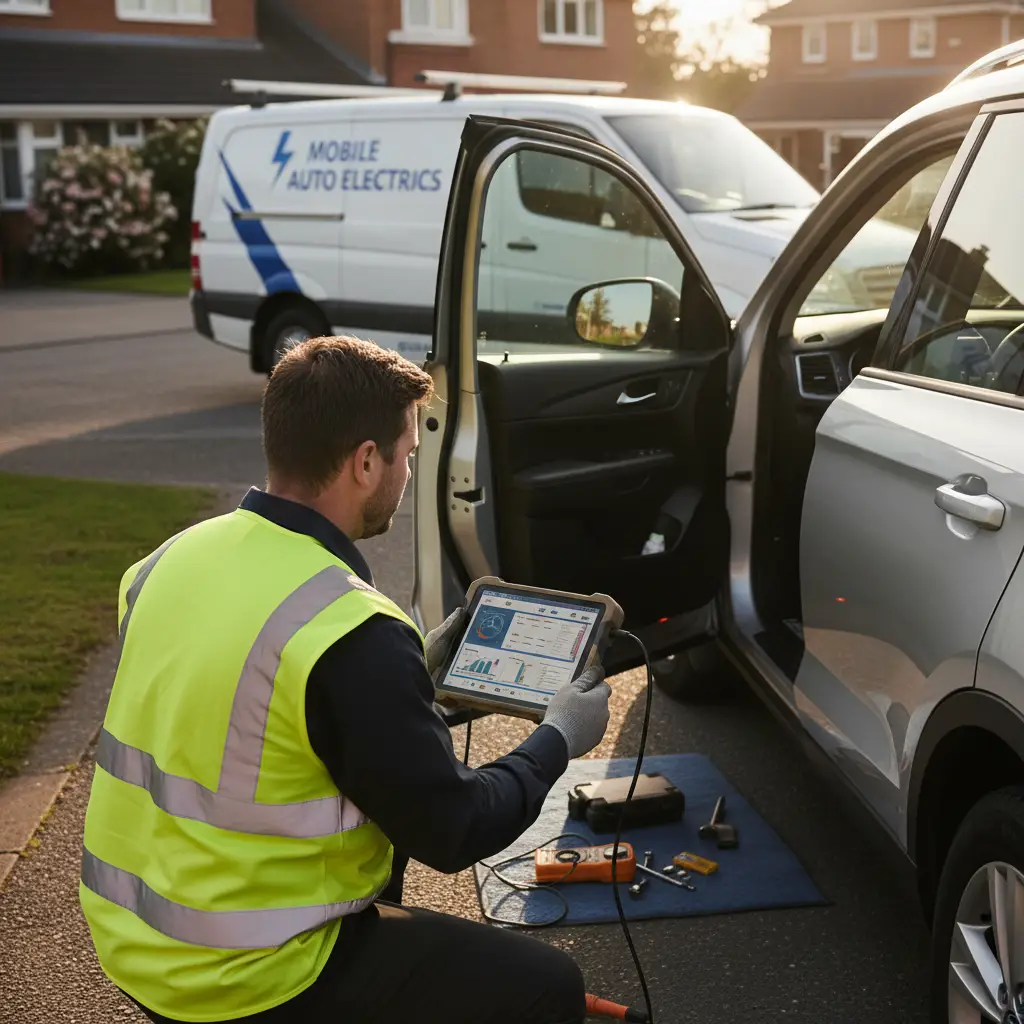
One of the most complex tasks for any automotive technician is tracing a wiring short. Often referred to as “electrical gremlins,” these intermittent faults can cause lights to flicker, fuses to blow repeatedly, or the engine to cut out unexpectedly. A mobile auto electrician employs a systematic approach to isolate and repair these issues.
Identifying the Symptoms
A wiring short occurs when an electrical circuit is interrupted or diverted, usually because a live wire touches a metal part of the car (short to ground) or another wire (short to power). Common symptoms include:
- Burning Smell: The distinct odor of melting plastic often indicates overheating wires.
- Blown Fuses: If you replace a fuse and it blows immediately, there is a hard short in the circuit.
- Battery Drain: A parasitic draw caused by a short can drain a battery overnight.
The Diagnostic Process
To find the fault, technicians use a multimeter and a wiring diagram specific to the vehicle’s make and model. They perform voltage drop tests and continuity checks to narrow down the location of the break or short. In modern vehicles, wiring harnesses are often tucked behind dashboards or under carpets, making access difficult. A skilled mobile electrician knows the common failure points for specific models—such as the wiring loom in a door hinge that flexes every time the door opens—allowing for faster diagnosis without unnecessary disassembly.
For more information on the fundamental principles of automotive electronics, you can refer to Automotive Engineering resources on Wikipedia, which detail the complexity of modern vehicle architectures.
Fuse Box Issues and Power Distribution
The fuse box, or power distribution center, is the heart of your vehicle’s electrical system. It houses the fuses and relays that protect and control every electrical component in the car. Over time, these boxes can succumb to environmental factors, leading to failure.
Corrosion and Moisture Ingress
In humid environments, moisture can seep into the fuse box, causing corrosion on the terminals. This creates high resistance, which generates heat and can melt the surrounding plastic. A mobile auto electrician will inspect the underside of the fuse box for green or white powdery deposits—classic signs of copper and aluminum corrosion. Cleaning these terminals or replacing the entire module is often necessary to restore reliable power flow.
Relay Failures
Relays are electromagnetic switches that control high-current circuits (like fuel pumps and cooling fans) using a low-current signal. When a relay fails, the component it controls stops working completely. Unlike a fuse, you cannot visually see if a relay is “blown.” Technicians test relays by energizing them and measuring the resistance across the contacts. Mobile service vans carry a wide assortment of standard relays to ensure immediate replacement.
Window Regulator Repairs and Motor Replacement
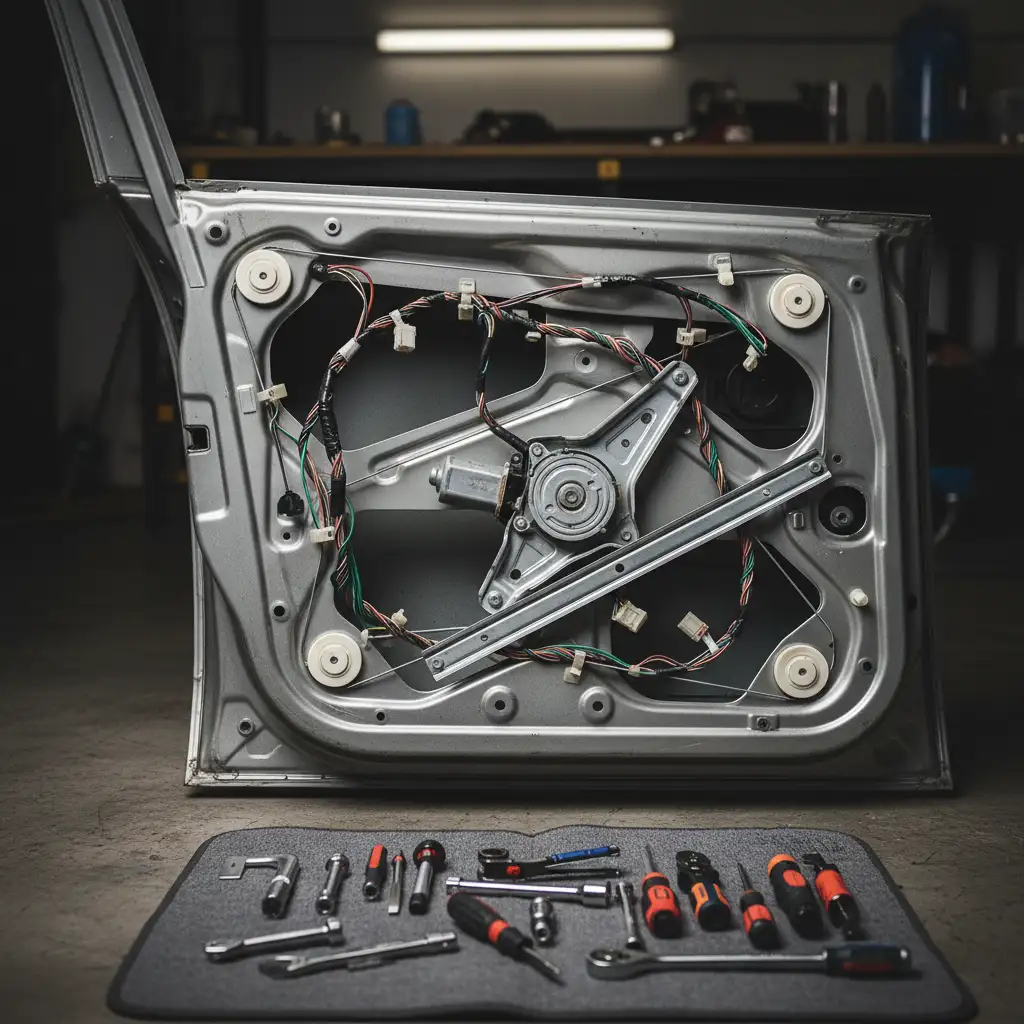
Few things are as frustrating as a car window that refuses to close, especially when rain is in the forecast. Power window systems consist of the switch, the motor, and the regulator (the mechanical track mechanism). Failure in this system is a common call-out for mobile auto electricians.
Mechanical vs. Electrical Failure
Diagnosing a window fault requires distinguishing between a mechanical jam and an electrical break.
- Electrical Failure: If pressing the switch results in absolute silence, the issue is likely the switch itself, a blown fuse, or a burnt-out motor.
- Mechanical Failure: If you hear the motor whirring or grinding but the glass doesn’t move (or moves slowly/unevenly), the regulator mechanism has likely failed. Plastic clips often become brittle and snap, or the steel cables can fray and tangle.
The Repair Procedure
Repairing a window regulator is an involved process that requires removing the interior door panel. This must be done carefully to avoid damaging the trim clips, speaker wiring, or the side-impact airbag sensors often housed in the door. A mobile auto electrician carries the necessary trim removal tools to dismantle the door safely. Once exposed, the entire regulator assembly is usually replaced as a unit. Attempting to repair the cables manually is rarely a long-term solution.
Central Locking Faults and Security Systems
Central locking systems provide security and convenience, but when they malfunction, they can leave you locked out of your car or unable to secure it. These systems are integrated with the vehicle’s Body Control Module (BCM) and alarm system.
Actuator Failure
The most common cause of central locking failure is a dead door lock actuator. These are small motors inside the door latch that physically move the lock rod. Because they are used thousands of times, they eventually wear out. Symptoms include a door that won’t lock/unlock with the remote but works manually with the key, or a “machine gun” sound when locking, indicating the motor is slipping gears.
Key Fob and Transponder Issues
Sometimes the issue lies not with the car, but with the key. If the remote battery is dead, or if the transponder chip has lost synchronization with the car’s immobilizer, the central locking will not function. Mobile auto electricians possess key programming tools that can re-sync existing keys or program new remotes to the vehicle, often saving a trip to the dealership.
Advanced ECU Diagnostics and Sensor Calibration
Modern vehicles rely on an Electronic Control Unit (ECU) to manage engine performance, emissions, and transmission shifting. When a dashboard warning light appears—such as the Check Engine Light, ABS light, or Airbag light—it indicates that the ECU has detected a reading outside of normal parameters.
Mobile electricians use diagnostic scanners that go far beyond the cheap code readers available to consumers. These professional tools can view “live data,” allowing the technician to see exactly what the sensors are reporting in real-time. For example, if an Oxygen sensor is reading lean, the technician can watch the fuel trim data adjust in real-time to confirm the diagnosis before replacing parts.
Furthermore, many modern repairs require “coding” or “calibration.” Installing a new battery in a luxury European car often requires telling the ECU that a new battery has been installed so the alternator charges it correctly. Mobile technicians have the software capabilities to perform these adaptations on-site.
Battery, Alternator, and Starter Motor Solutions
While complex electronics are a major part of the job, the “Big Three”—battery, alternator, and starter motor—remain the bread and butter of auto electrical work. These components form the starting and charging system.
Battery Health Checks
A battery that is simply old may not hold a charge, but a battery that dies repeatedly might indicate a charging system fault. Mobile technicians perform a load test to determine the battery’s Cold Cranking Amps (CCA) capacity. If the battery is good but keeps dying, they test for parasitic drain.
Alternator Output Testing
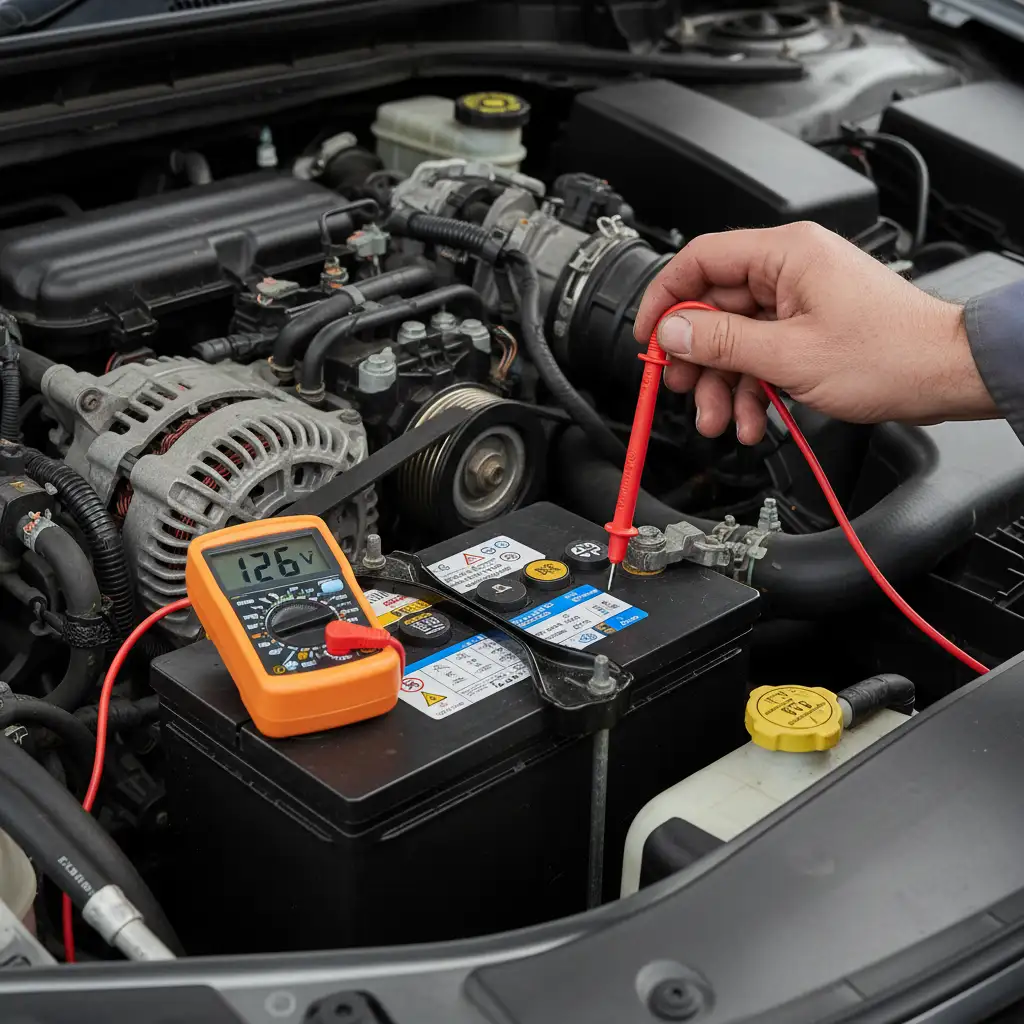
The alternator replenishes the battery while the engine runs. If the alternator’s voltage regulator fails, it can either undercharge the battery (causing the car to die while driving) or overcharge it (boiling the battery acid and damaging sensitive electronics). A precise output test confirms if the alternator is generating the correct voltage (typically between 13.5V and 14.5V).
For reputable advice on vehicle safety standards and electrical modifications in New Zealand, the NZ Transport Agency (Waka Kotahi) provides guidelines on vehicle equipment requirements.
People Also Ask (FAQ)
How much does a mobile auto electrician cost in Auckland?
The cost varies depending on the complexity of the job and the travel distance. Most mobile auto electricians in Auckland charge a call-out fee (typically between $80 and $120 NZD) which may include the first 30 minutes of labor or diagnostics. Hourly rates for repairs generally range from $90 to $150 NZD. Always ask for a quote prior to booking.
Can a mobile auto electrician fix a car that won’t start?
Yes, diagnosing non-starting vehicles is a primary service. Whether the issue is a dead battery, a faulty starter motor, a bad alternator, or an ignition switch failure, a mobile auto electrician carries the tools to diagnose the root cause and can often repair or replace the faulty component on-site.
Do mobile auto electricians carry spare parts?
Mobile vans are stocked with common parts such as fuses, relays, bulbs, wire, terminals, and batteries. For specific parts like alternators, starter motors, or window regulators, the electrician will usually diagnose the fault first, source the part from a local supplier, and return to install it, or bring it with them if the issue was identified over the phone.
Is it worth fixing a window regulator or should I replace the door?
It is almost always more cost-effective to replace the window regulator than the entire door. Replacing a door involves painting and aligning, whereas a regulator replacement is a mechanical repair. A mobile auto electrician can replace the regulator mechanism inside your existing door panel, restoring function without affecting the vehicle’s exterior appearance.
How long does it take to trace an electrical short?
Tracing an electrical short is unpredictable. It can take anywhere from 30 minutes to several hours. It depends on the location of the short and how accessible the wiring harness is. A professional uses specialized tracking equipment to locate the fault as quickly as possible to minimize labor costs.
Can a mobile electrician install aftermarket accessories?
Yes, mobile auto electricians are fully qualified to install aftermarket accessories such as dash cams, reverse cameras, GPS trackers, alarm systems, and upgraded stereo units. They ensure that these devices are wired correctly into the vehicle’s power supply without causing battery drain or voiding warranties.