
Manual transmission repair cost in Auckland can vary significantly based on the nature and severity of the issue, ranging from minor adjustments to major component replacements. Understanding common problems, the diagnostic process, and factors influencing pricing is crucial for Auckland vehicle owners seeking reliable and affordable solutions from reputable mobile mechanics.
Manual Transmission Repair Costs in Auckland: An Overview
For many Auckland motorists, the manual transmission remains a preferred choice, offering a direct connection to the road and superior fuel efficiency in many older models. However, like all complex mechanical systems, manual gearboxes are susceptible to wear and tear, eventually necessitating repair. When facing issues, the primary concern often revolves around the cost of rectifying the problem. Manual transmission repair costs in Auckland are influenced by a multitude of factors, including the make and model of the vehicle, the specific components requiring attention, the labour rates of the mechanic, and the complexity of the repair.
Minor repairs, such as replacing a worn clutch cable or adjusting linkages, might only incur a few hundred dollars. In contrast, more extensive work, like a full clutch kit replacement, synchronizer repair, or a complete gearbox rebuild, can escalate into the thousands. It’s imperative to obtain a detailed diagnosis and transparent quote to fully understand the financial implications. Opting for a mobile mechanic in Auckland often presents a more convenient and sometimes more cost-effective solution, as they bring the expertise directly to your location, potentially reducing towing costs and workshop overheads.
Understanding the Value of Quality Repair
While cost is a significant consideration, prioritizing quality and reliability in manual transmission repair is paramount. A cheap, shoddy repair can lead to recurring problems, further expenses, and even compromise vehicle safety. Investing in a professional, guaranteed repair ensures longevity, optimal performance, and peace of mind. Experienced technicians possess the specialized knowledge and tools required to accurately diagnose complex manual gearbox issues and perform repairs to manufacturer specifications, restoring your vehicle’s drivability.
Common Manual Gearbox Problems in Auckland Vehicles
Manual transmissions, while robust, are subject to several common issues that signal the need for professional attention. Recognising these symptoms early can prevent more extensive and costly damage.
Difficulty Shifting Gears
One of the most frequent complaints involves gears becoming hard to shift, grinding during shifts, or popping out of gear. This can be indicative of several problems:
- Worn Synchronizers: These components help match the speed of gears during a shift. If worn, gears will grind.
- Low or Contaminated Transmission Fluid: Insufficient or degraded fluid can impede smooth shifting and lead to increased friction and wear.
- Clutch Issues: A worn, misaligned, or improperly adjusted clutch can prevent the transmission from disengaging fully, making shifts difficult.
- Shift Linkage Problems: Loose or bent shift linkages can directly affect the transmission’s ability to engage gears.
Clutch Slippage or Chatter
Symptoms of clutch issues include the engine revving high without a corresponding increase in speed (slippage) or a shuddering sensation when engaging the clutch (chatter). These typically point to a worn clutch disc, pressure plate, or flywheel, all integral to the manual transmission’s operation.
Unusual Noises
Any abnormal noises emanating from the transmission, such as whining, humming, clunking, or grinding, should be investigated immediately. These sounds often indicate:
- Bearing Wear: Worn input shaft, countershaft, or output shaft bearings can cause a distinct whining or humming noise, especially in certain gears.
- Gear Tooth Damage: Chipped or worn gear teeth will often produce grinding or clunking sounds.
- Low Fluid Levels: Can exacerbate friction and noise within the gearbox.
Fluid Leaks
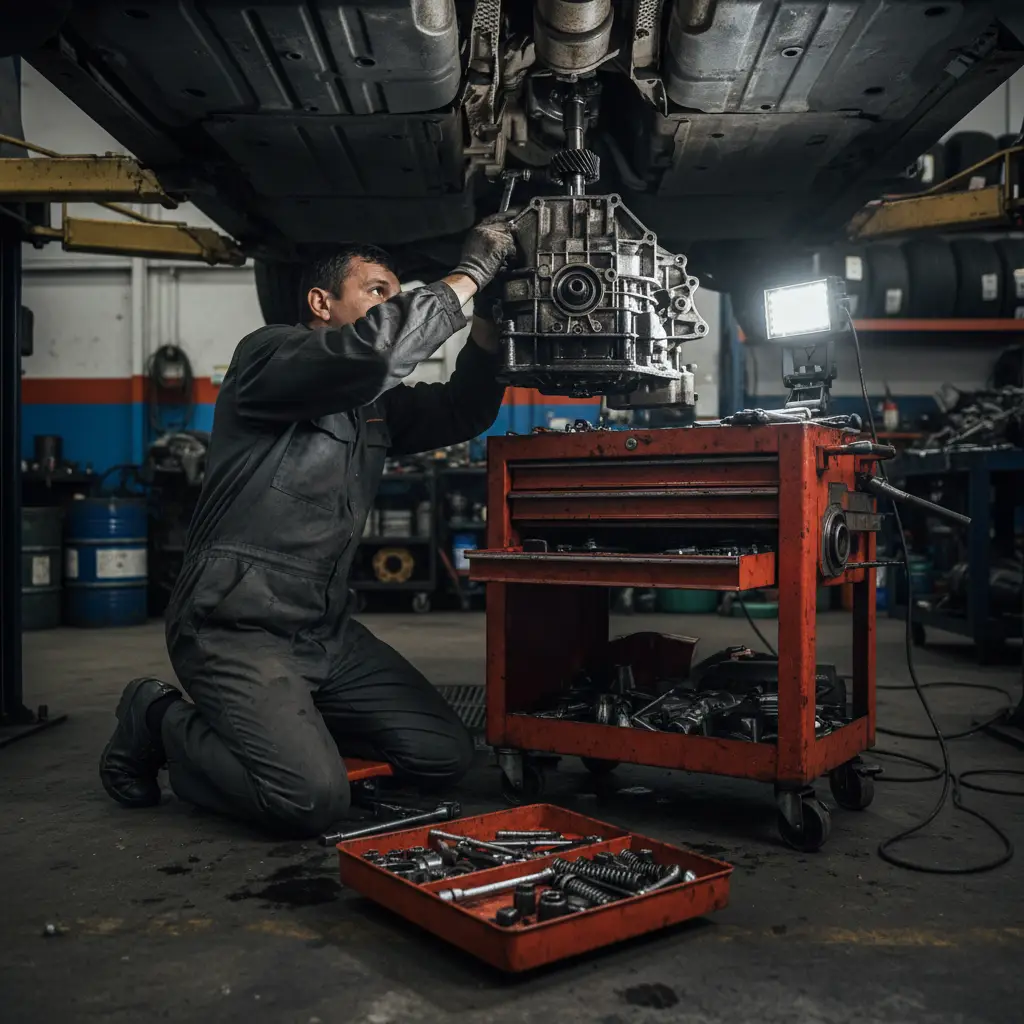
Visible puddles or drips of red or brown fluid beneath your vehicle are a clear sign of a transmission fluid leak. Leaks can occur from various seals (input shaft, output shaft, shifter shaft) or gaskets. Addressing leaks promptly is crucial to prevent internal damage caused by low fluid levels.
Key Factors Influencing Manual Transmission Repair Costs
The total cost of repairing a manual transmission in Auckland is not static; it’s a dynamic figure shaped by several critical elements. Understanding these factors helps vehicle owners anticipate and budget for potential expenses.
Extent of Damage and Type of Repair
The most significant cost driver is the severity of the damage. A minor seal replacement or fluid flush will naturally be less expensive than rebuilding the entire gearbox. Repairs can range from:
- Minor Adjustments: Linkage adjustments, slave cylinder replacement, or fluid top-ups are typically on the lower end.
- Clutch Kit Replacement: A common repair, involving replacing the clutch disc, pressure plate, and throw-out bearing. Often requires removal of the transmission.
- Internal Component Replacement: Replacing synchronizers, gears, or bearings due to wear.
- Full Transmission Rebuild: Involves disassembling the entire unit, inspecting all components, replacing worn parts, and reassembling. This is the most extensive and costly repair short of a full replacement.
Vehicle Make, Model, and Age
Different vehicles use different types of manual transmissions, and the availability and cost of parts can vary widely. European luxury cars or rare models often have more expensive parts and may require specialized tools or knowledge. Older vehicles might have parts that are harder to source, potentially leading to higher costs. Newer vehicles might have integrated systems that increase complexity.
Parts Cost and Availability
The price of individual components (e.g., clutch kits, bearings, gears, seals) directly impacts the overall repair bill. OEM (Original Equipment Manufacturer) parts are generally more expensive but guarantee compatibility and quality. Aftermarket parts can be cheaper but vary in quality. The availability of parts in Auckland can also affect lead times and pricing.
Labour Rates and Repair Complexity
Labour is a significant portion of any transmission repair cost. Experienced mechanics with specialized transmission knowledge command higher hourly rates, but their expertise can save money in the long run by ensuring the job is done right the first time. The complexity of accessing and removing the transmission, which varies greatly by vehicle, also contributes to labour hours. For instance, some front-wheel-drive vehicles require extensive engine bay disassembly to access the transmission.
Location and Mechanic Type (e.g., Mobile Mechanic vs. Workshop)
While Auckland as a region has a competitive market, specific suburbs or types of services can influence costs. Mobile mechanics often have lower overheads compared to traditional workshops, potentially translating to more competitive labour rates. However, for extremely complex repairs requiring specialized lifts or diagnostic equipment not portable, a workshop might be necessary.
The Importance of Professional On-Site Manual Transmission Diagnosis
Accurate diagnosis is the cornerstone of effective and economical manual transmission repair. Without a precise understanding of the root cause, repairs can be misdirected, leading to wasted time, money, and continued vehicle issues. This is where professional on-site diagnosis, particularly from a mobile mechanic, offers significant advantages.
Benefits of On-Site Diagnosis
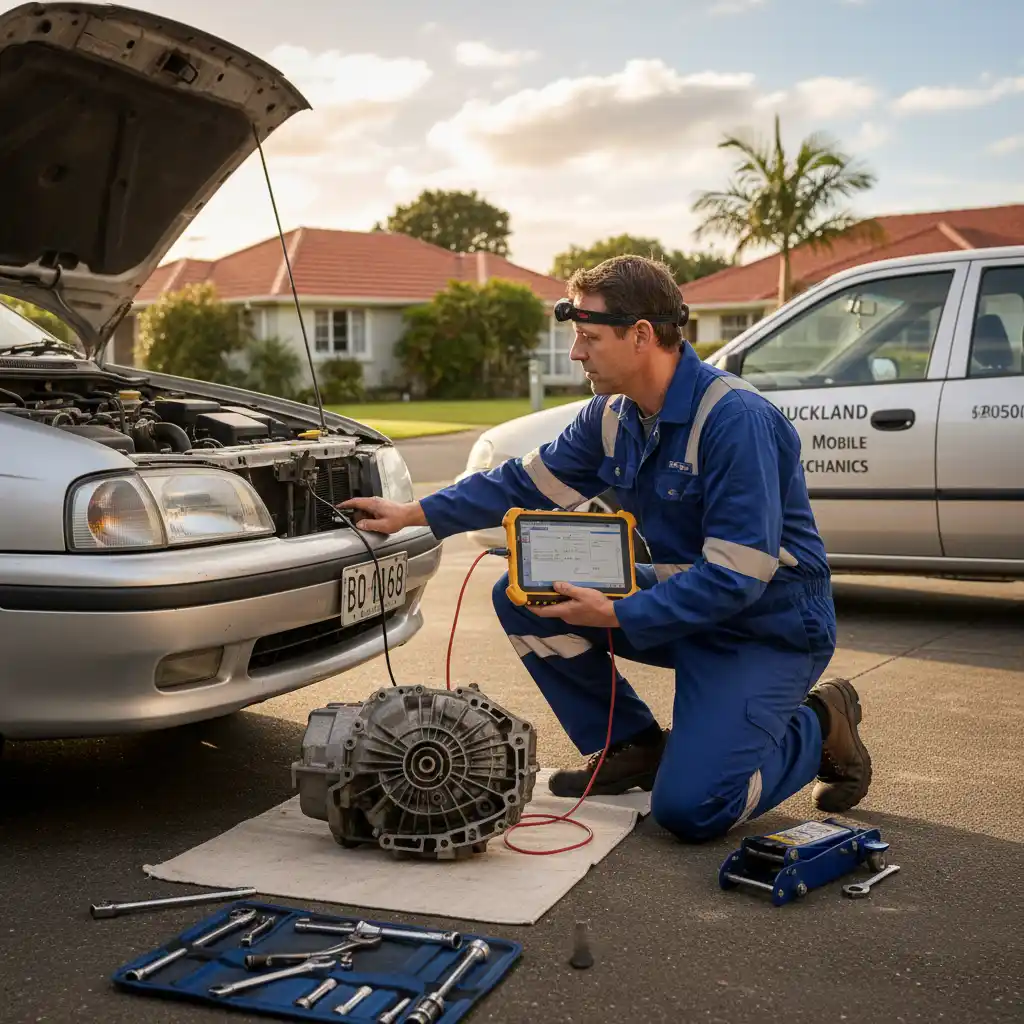
A reputable mobile mechanic can bring their diagnostic tools and expertise directly to your home or workplace in Auckland. This immediate assessment offers several key benefits:
- Convenience: No need to arrange for towing or take time off work to drop off your vehicle at a workshop.
- Real-Time Assessment: The mechanic can often observe the problem in its natural environment, whether it’s difficult shifting on your driveway or peculiar noises during a test drive from your location.
- Cost Savings: Eliminates towing fees, which can be substantial for a non-drivable vehicle.
- Transparency: You can be present during the diagnostic process, ask questions, and gain a clearer understanding of the issue firsthand.
The Diagnostic Process
A thorough manual transmission diagnosis involves a combination of techniques:
- Test Drive: To experience the symptoms firsthand (e.g., grinding gears, slipping clutch, unusual noises).
- Visual Inspection: Checking for fluid leaks, damaged linkages, worn clutch cables, and general condition of external components.
- Fluid Check: Assessing the level, colour, and smell of the transmission fluid for signs of contamination or burning.
- Clutch System Inspection: Examining the clutch pedal free play, hydraulic system (master and slave cylinders), and often the internal clutch components once the transmission is accessed.
- Linkage and Cable Inspection: Ensuring all connections are secure and operating smoothly.
- Listening for Noises: Pinpointing the source of any abnormal sounds using specialized tools if necessary.
Only after a comprehensive diagnosis can the mechanic provide an accurate repair plan and a precise quote, ensuring you’re paying for exactly what’s needed. For more general information on how manual transmissions work, you might find Wikipedia’s article on Manual Transmissions helpful.
Finding Affordable & Reliable Manual Transmission Repair Solutions in Auckland
When your manual transmission falters, the goal is always to find a solution that is both effective and doesn’t break the bank. Auckland offers a range of options, but discerning the best value requires careful consideration.
Research and Customer Reviews
Start your search by looking for mechanics or mobile repair services in Auckland with strong positive reviews specifically related to transmission work. Online platforms, local forums, and word-of-mouth recommendations are excellent resources. Look for consistent praise regarding honesty, transparency, diagnostic accuracy, and fair pricing.
Getting Multiple Quotes and Detailed Estimates
It’s always wise to obtain at least two, preferably three, detailed quotes for manual transmission repair. A reputable mechanic should provide a written estimate that clearly itemizes parts, labour, and any additional fees. Be wary of quotes that seem unusually low or high without clear justification. Comparing quotes helps you understand the market rate for the specific repair needed.
Ask About Warranties and Guarantees
A sign of a confident and reliable repair service is a warranty on both parts and labour. Enquire about the duration and terms of their guarantee. This provides crucial protection should the repair fail prematurely. A standard warranty on transmission work can range from 3 to 12 months, or specific mileage.
Leveraging the Mobile Mechanic Advantage
As highlighted, mobile mechanics in Auckland can often offer competitive pricing due to lower overheads compared to traditional brick-and-mortar workshops. Beyond cost, the convenience of on-site service cannot be overstated, saving you time and the hassle of vehicle transport. For many common manual transmission issues, a fully equipped mobile mechanic can perform the repair at your location, making them an excellent choice for both affordability and convenience.
Why Choose a Mobile Mechanic for Manual Transmission Repair?
In the bustling urban landscape of Auckland, convenience and efficiency are highly valued. Mobile mechanics are revolutionizing vehicle repair, especially for intricate issues like manual transmission problems.
Unparalleled Convenience
The primary advantage of a mobile mechanic is the unparalleled convenience they offer. Instead of driving a potentially problematic vehicle to a workshop, you can have a qualified technician come to your home, workplace, or even roadside location. This saves you time, fuel, and the stress associated with coordinating vehicle drop-offs and pick-ups. For a transmission issue that might render your vehicle undrivable, avoiding towing costs is a significant benefit.
Cost-Effectiveness
Mobile mechanics often operate with lower overheads than traditional repair shops, which can translate into more competitive pricing for labour and services. While parts costs remain consistent, the reduction in labour rates and the elimination of towing expenses can lead to overall savings on your manual transmission repair in Auckland.
Personalized Service and Transparency
When a mechanic comes to you, the interaction is often more direct and personal. You can discuss the problem face-to-face, observe parts of the diagnostic process, and receive immediate explanations for the repairs needed. This transparency builds trust and ensures you’re fully informed about the work being done on your vehicle.
Speedy Response and Repair
For urgent manual transmission problems, a mobile mechanic can often provide a quicker response time than a booked-out workshop. This can be crucial if your vehicle is essential for daily commuting or business operations. Many common manual transmission repairs, once diagnosed, can be completed efficiently on-site by a well-equipped mobile technician.
Preventative Maintenance: Extending Your Manual Transmission’s Life
While repairs are sometimes inevitable, proactive maintenance can significantly extend the life of your manual transmission and potentially defer costly repairs. Implementing a routine maintenance schedule is an investment in your vehicle’s longevity.
Regular Fluid Checks and Changes
Transmission fluid is the lifeblood of your manual gearbox, lubricating components, preventing wear, and dissipating heat. It’s crucial to check its level periodically and adhere to manufacturer recommendations for fluid changes. Over time, fluid can degrade, accumulate metal particles, and lose its lubricating properties. A mobile mechanic can perform this service conveniently at your location in Auckland.
Clutch System Inspection and Adjustment
The clutch is integral to a manual transmission’s operation. Regular inspection of the clutch pedal’s free play and the condition of the hydraulic system (master and slave cylinders) or cable can prevent premature wear of the clutch disc and pressure plate. Proper adjustment ensures smooth engagement and disengagement, reducing strain on the gearbox.
Mindful Driving Habits
How you drive has a profound impact on your manual transmission’s health. Avoid resting your hand on the gear stick, which puts pressure on the shift forks. Do not ride the clutch; fully depress it when shifting and fully release it when not in use. Smooth, timely shifts reduce wear on synchronizers and gears. Avoid aggressive downshifting and excessive engine braking, especially at high RPMs. Always use the parking brake when parked, especially on hills, to take strain off the transmission.
Address Minor Issues Promptly
Any unusual noises, difficulties shifting, or changes in how your transmission feels should be investigated immediately. Ignoring minor symptoms can lead to exacerbated damage, turning a small, inexpensive fix into a major, costly overhaul. Early intervention is always the most cost-effective strategy for manual transmission care.

Frequently Asked Questions About Manual Transmission Repair
What are the typical signs that my manual transmission needs repair?
Common signs include difficulty shifting gears, gears grinding or popping out, a slipping or chattering clutch, unusual noises (whining, humming, clunking) coming from the gearbox, or fluid leaks under your vehicle. Any of these symptoms warrant immediate professional inspection.
Is it cheaper to repair or replace a manual transmission in Auckland?
Generally, repairing a manual transmission is cheaper than a full replacement, especially for common issues like clutch wear or synchronizer replacement. However, if the damage is catastrophic, such as a cracked casing or multiple gear failures, a replacement or a factory-rebuilt unit might be more cost-effective. A professional diagnosis is crucial to determine the best approach.
How long does a manual transmission repair usually take?
The duration of a manual transmission repair varies significantly. Minor issues like a fluid change or linkage adjustment might take a few hours. A clutch replacement can take 4-8 hours. A full transmission rebuild could take 1-3 days, depending on parts availability and the complexity of the specific vehicle. Mobile mechanics often aim for same-day service for many common repairs.
Can a mobile mechanic in Auckland repair my manual transmission on-site?
Yes, many manual transmission repairs can be performed by a mobile mechanic on-site. This includes clutch replacements, fluid changes, slave cylinder replacements, and addressing linkage issues. For more complex repairs requiring specialized heavy equipment, a traditional workshop might be necessary, but a mobile mechanic can often diagnose and advise on such situations.
What causes a manual transmission to fail prematurely?
Premature manual transmission failure can be caused by several factors, including neglecting fluid changes, aggressive driving habits (harsh shifts, riding the clutch), consistent overloading of the vehicle, manufacturing defects, or ignoring early warning signs of problems, leading to compounded damage.
How much does a clutch replacement typically cost in Auckland?
A clutch replacement in Auckland typically ranges from NZD $800 to $2000, but this can vary based on the vehicle’s make and model, the type of clutch kit required, and the labour rates. This estimate usually includes parts (clutch disc, pressure plate, throw-out bearing) and labour. Some vehicles are more labour-intensive than others for this job.