
Hyundai i30 brake service in Auckland involves a thorough inspection, maintenance, and replacement of critical braking components to ensure optimal safety and performance for your vehicle. This essential service, often conveniently provided by mobile mechanics, addresses wear and tear, fluid levels, and overall system integrity, keeping your i30 responsive and reliable on Auckland’s roads.
Understanding Hyundai i30 Brake Systems & Common Issues
The Hyundai i30, a popular compact car across Auckland, relies on a robust braking system for safe and controlled driving. Understanding the common issues that can affect these brakes is the first step towards proactive maintenance. The system typically comprises discs (rotors), pads, calipers, brake lines, and brake fluid, all working in unison to bring your vehicle to a halt. Over time and with consistent use, these components are subject to wear and tear, necessitating regular inspection and timely replacement.
Signs Your i30 Brakes Need Attention
Recognising the warning signs that your Hyundai i30 brakes require professional attention is crucial for preventing more significant problems and ensuring your safety. Ignoring these indicators can lead to decreased braking efficiency, increased stopping distances, and potentially dangerous situations. Common symptoms include a persistent squealing or grinding noise when braking, which often indicates worn brake pads that need immediate replacement. A soft or spongy brake pedal, on the other hand, can suggest air in the brake lines, a leak in the system, or low brake fluid levels. If your steering wheel vibrates or the car pulls to one side when braking, this could point to warped brake rotors or uneven pad wear. Furthermore, if your brake warning light illuminates on your dashboard, it’s a clear signal that a professional diagnosis is needed.
Specific i30 Brake Component Wear
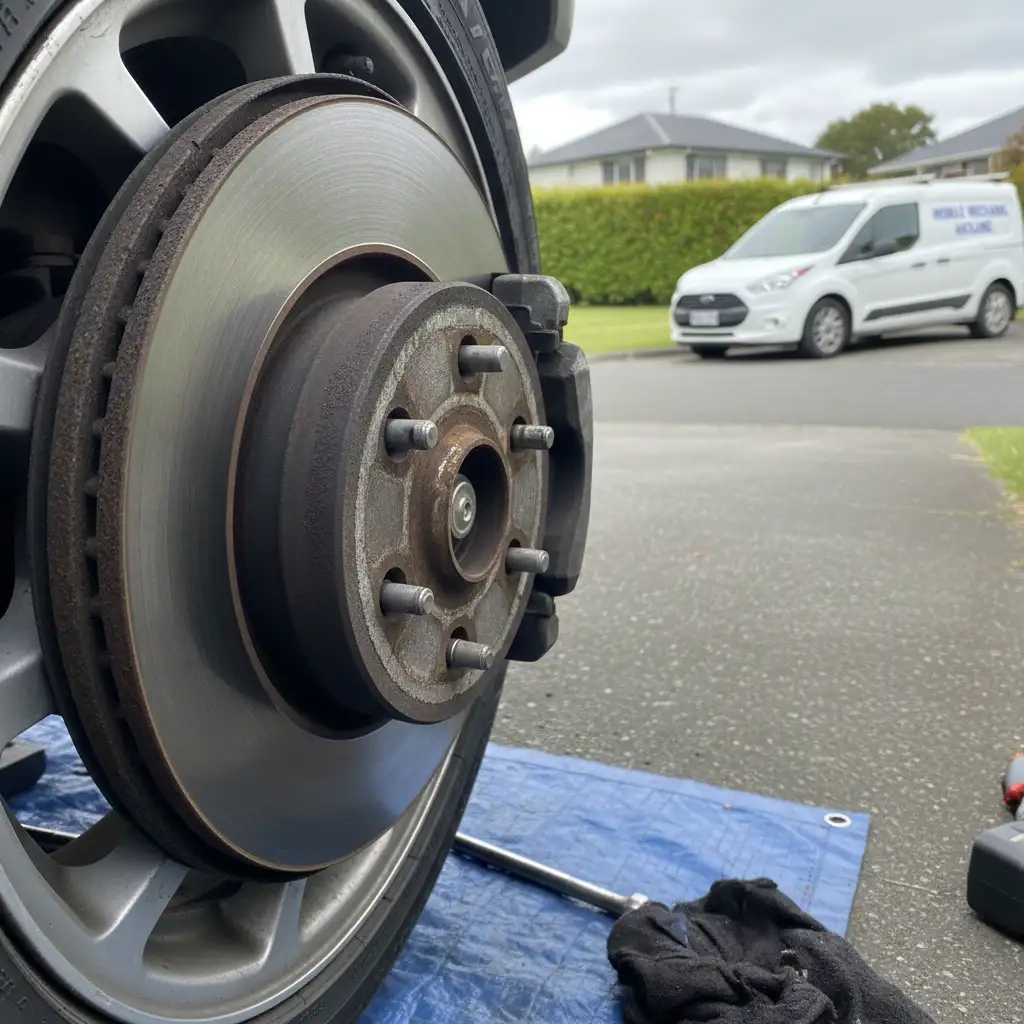
Each component of your Hyundai i30’s braking system has a specific role and lifespan. Brake pads, made from a friction material, are designed to wear down as they press against the rotors. Their lifespan varies significantly based on driving style, traffic conditions, and the type of pads used, but typically ranges from 30,000 to 70,000 kilometres. Brake rotors, the metal discs that the pads clamp onto, can warp from excessive heat or become too thin to effectively dissipate heat, leading to vibrations and reduced braking power. Calipers, which house the brake pads and piston, can seize due to corrosion or wear in their seals, preventing the pads from engaging or disengaging properly. Brake fluid, a hydraulic fluid, can absorb moisture over time, reducing its boiling point and compromising braking effectiveness. Regular checks of these specific components by a qualified mobile mechanic in Auckland ensure that any potential issues are identified and addressed before they escalate.
The Critical Importance of Regular Hyundai i30 Brake Maintenance
Regular maintenance of your Hyundai i30’s braking system is not merely about addressing problems as they arise; it’s a proactive measure that underpins your safety, extends your vehicle’s lifespan, and contributes to a more enjoyable driving experience. In a bustling city like Auckland, where stop-and-go traffic is common and varied road conditions demand reliable braking, consistent brake servicing is non-negotiable. Timely interventions prevent minor issues from becoming major, costly repairs, and ensure your vehicle adheres to safety standards.
Enhancing Safety and Performance
The primary benefit of routine Hyundai i30 brake maintenance is the significant enhancement of vehicle safety. A well-maintained braking system guarantees optimal stopping power, allowing you to react quickly and effectively in emergencies, thereby reducing the risk of accidents. Beyond safety, regular service also maintains your i30’s performance. When brakes are in top condition, they operate smoothly and quietly, providing predictable and consistent stopping distances. This contributes to a more comfortable and confident driving experience, ensuring your i30 handles as intended by the manufacturer. Neglecting brake maintenance can lead to a gradual degradation of performance, making your vehicle feel sluggish or less responsive when you need it most.
Preventing Costly Repairs
Proactive brake maintenance is an investment that saves you money in the long run. Addressing minor wear, such as thin brake pads, before they cause damage to other components like rotors or calipers, can significantly reduce your overall repair costs. For instance, replacing brake pads when they are worn but before they grind against the rotors can prevent the need for more expensive rotor resurfacing or replacement. Similarly, flushing brake fluid periodically prevents moisture buildup and corrosion within the brake lines, safeguarding the entire hydraulic system. Expert mobile mechanics in Auckland can identify these potential issues early, offering solutions that are both effective and economical. For further reading on the general importance of vehicle maintenance, consult resources such as Wikipedia’s overview of car maintenance.
Seamless On-Site Hyundai i30 Brake Service & Replacement in Auckland
For Hyundai i30 owners in Auckland, getting your brakes serviced or replaced has never been easier. The advent of professional mobile mechanic services has revolutionised vehicle maintenance, bringing expert care directly to your doorstep. This convenience is particularly valuable for brake services, which can be time-consuming and often require specialist tools and knowledge. Our dedicated mobile mechanics are equipped to handle all aspects of Hyundai i30 brake service and pad replacement, ensuring minimal disruption to your daily schedule.
The Convenience of Mobile Mechanics
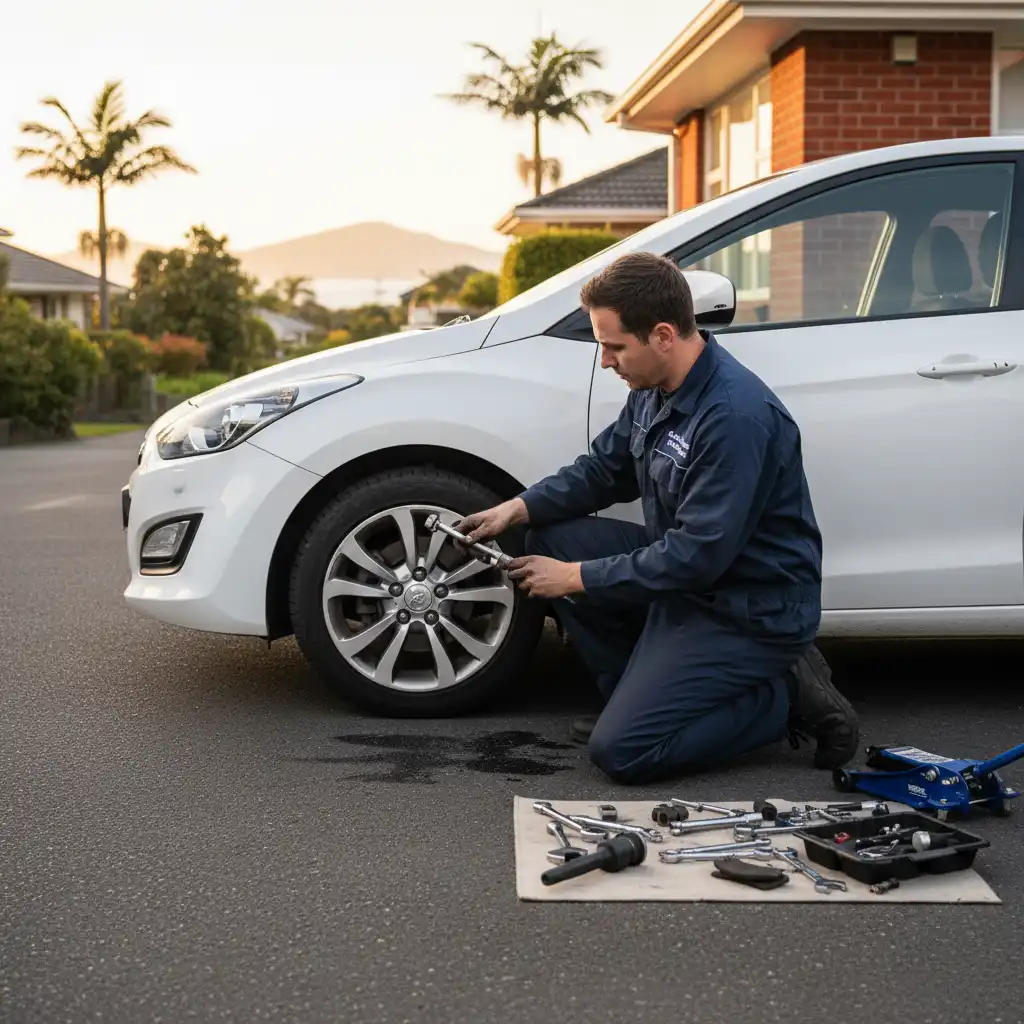
Imagine needing a crucial brake service but not having to take time off work, arrange transport, or wait at a workshop. That’s the core advantage of a mobile mechanic service in Auckland. We come to your home, office, or any preferred location at a time that suits you. This eliminates travel time, parking hassles, and the inconvenience often associated with traditional garage visits. For Hyundai i30 owners, this means your brake inspection, pad replacement, or rotor service can be performed while you’re at work, enjoying a coffee, or simply going about your day. Our service is designed to be efficient, professional, and entirely focused on your convenience, ensuring your i30’s brakes are expertly maintained without disrupting your life.
Our Comprehensive Brake Service Process
Our Hyundai i30 brake service in Auckland is thorough and meticulously executed. It begins with a comprehensive visual and functional inspection of all brake components, including pads, rotors, calipers, brake lines, and fluid levels. We assess the wear of brake pads, measure rotor thickness and runout, and check for any signs of leaks, corrosion, or damage within the hydraulic system. If replacement is necessary, we use high-quality, reputable aftermarket or genuine Hyundai parts to ensure compatibility and performance. The service includes careful removal of old components, cleaning of the brake system, installation of new parts, proper lubrication, and bleeding of the brake lines if required, followed by a post-service road test to confirm optimal braking performance and pedal feel. Every step is explained clearly, so you’re always informed about the work being done on your i30.
Quality Parts and Expert Technicians
The efficacy and longevity of any brake service are heavily dependent on the quality of parts used and the expertise of the technicians performing the work. As a leading mobile mechanic service in Auckland, we are committed to using only high-quality brake pads, rotors, and other components that meet or exceed OEM (Original Equipment Manufacturer) specifications for your Hyundai i30. Our technicians are fully qualified, highly experienced, and continuously trained in the latest automotive repair techniques. They possess a deep understanding of Hyundai i30 brake systems, ensuring that every service and replacement is carried out with precision, attention to detail, and adherence to manufacturer guidelines. This commitment to quality parts and expert labour guarantees that your i30’s braking system is restored to its peak condition, providing you with peace of mind on every journey.
Ensuring Optimal Safety and Longevity for Your i30’s Braking System
After investing in professional Hyundai i30 brake service and pad replacement in Auckland, it’s essential to understand how to maintain that optimal performance and ensure the longevity of your newly serviced braking system. Proper post-service care and mindful driving habits play a significant role in maximising the life of your brake components and continuing to guarantee your safety on the road. A little attention to detail after a service can make a big difference in how your brakes perform over time.
Post-Service Care and Driving Tips
Immediately after your Hyundai i30 brake service, particularly if new pads and rotors have been installed, it’s crucial to follow a ‘bedding-in’ procedure. This process helps to transfer a thin, even layer of friction material from the new pads onto the rotors, optimising braking performance and preventing premature wear. Typically, this involves a series of moderate stops from varying speeds (e.g., 60 km/h to 10 km/h) without coming to a complete stop, allowing the brakes to cool between applications. Avoid harsh braking or sustained heavy braking immediately after service. Additionally, keep an eye on your brake fluid level and check for any unusual noises or changes in pedal feel. For more detailed instructions on bedding in new brakes, automotive resources like Consumer Reports often provide helpful guides.
When to Schedule Your Next Brake Check
Consistent vigilance is key to the long-term health of your Hyundai i30’s braking system. While brake components have varying lifespans, a general recommendation is to have your brakes inspected by a qualified mobile mechanic in Auckland at least once a year or every 15,000 to 20,000 kilometres, whichever comes first. This preventative approach allows for early detection of wear and tear, ensuring that minor issues are addressed before they compromise safety or necessitate more extensive repairs. However, if you notice any of the warning signs discussed earlier – such as grinding noises, a spongy pedal, or vibrations – do not wait for your scheduled service; contact your mobile mechanic immediately for a prompt inspection. Regular checks contribute significantly to the overall safety and reliability of your Hyundai i30.
People Also Ask About Hyundai i30 Brake Service Auckland
How often should I get my Hyundai i30 brakes serviced in Auckland?
It is generally recommended to have your Hyundai i30 brakes inspected by a qualified mechanic in Auckland at least once a year or every 15,000 to 20,000 kilometres, whichever comes first. However, specific driving conditions, such as heavy city traffic or frequent stopping, might warrant more frequent checks. Always consult your vehicle’s owner’s manual for manufacturer-specific recommendations.
What are the signs that my Hyundai i30 needs new brake pads?
Common signs that your Hyundai i30 needs new brake pads include a squealing or grinding noise when braking, a vibrating steering wheel or brake pedal, a soft or spongy brake pedal, and an illuminated brake warning light on your dashboard. If you notice any of these symptoms, it’s important to have your brakes inspected promptly by a professional mobile mechanic in Auckland.
Can a mobile mechanic replace brake rotors on a Hyundai i30 in Auckland?
Yes, absolutely. Professional mobile mechanics in Auckland are fully equipped to perform comprehensive brake services, including the replacement of brake rotors, for your Hyundai i30. They carry the necessary tools and expertise to conduct this service efficiently at your chosen location, providing a convenient alternative to traditional workshops.
How long does a Hyundai i30 brake pad replacement typically take with a mobile mechanic?
The time taken for a Hyundai i30 brake pad replacement by a mobile mechanic can vary slightly depending on whether both front and rear pads are being replaced, and the overall condition of the braking system. However, typically, a standard brake pad replacement can be completed within 1 to 2 hours per axle, making it a very efficient on-site service.
Is it necessary to replace brake fluid during a Hyundai i30 brake service?
While not always required during every routine brake pad replacement, brake fluid replacement (or ‘flushing’) is a critical part of comprehensive brake maintenance for your Hyundai i30. Brake fluid absorbs moisture over time, which can reduce its effectiveness and lead to corrosion. It’s generally recommended to replace brake fluid every 2-3 years, regardless of mileage, or as per your manufacturer’s schedule.
What is the typical cost for Hyundai i30 brake service and pad replacement in Auckland?
The cost for Hyundai i30 brake service and pad replacement in Auckland can vary based on whether only pads are needed, or if rotors and other components also require replacement, and the type of parts used (e.g., genuine vs. aftermarket). For an accurate quote tailored to your specific i30 and service needs, it’s best to contact a local mobile mechanic directly for a detailed estimate.