
Experiencing unusual noises from your vehicle’s gearbox while driving can be a cause for significant concern. These sounds often indicate underlying mechanical issues that, if left unaddressed, could lead to costly repairs or even complete transmission failure. For car owners in Auckland, identifying the source of these noises quickly and accurately is paramount to maintaining vehicle safety and longevity. This comprehensive guide will delve into the various causes of gearbox noises, explain when it’s crucial to seek expert assistance, detail the convenient mobile diagnostic process available in Auckland, and offer valuable preventative tips to keep your gearbox running smoothly.
Gearbox noisy diagnosis in Auckland involves a thorough inspection by a qualified mechanic to pinpoint the exact cause of unusual sounds emanating from your vehicle’s transmission. This process typically includes a road test, fluid checks, visual inspection, and often advanced diagnostic tools to identify issues ranging from low fluid levels to worn internal components, ensuring a precise and effective repair strategy.
Causes of Gearbox Noises
A noisy gearbox can manifest in several ways, each potentially pointing to a different underlying problem. Understanding these sounds and their common origins is the first step toward effective diagnosis and repair. Ignoring these early warning signs can escalate minor issues into major, expensive failures.
Whining or Humming Noises
Whining or humming sounds often indicate issues with bearings or gears. If the noise changes with engine speed, road speed, or when shifting gears, it’s highly indicative of transmission-related trouble. Worn bearings, particularly those supporting the input shaft, output shaft, or countershaft, can produce a distinct whine. Similarly, gears that are worn, pitted, or incorrectly meshed due to improper adjustment can also generate a persistent humming sound.
- Worn Bearings: Over time, the internal bearings within your gearbox can wear out due to friction and stress. This wear leads to increased play and friction, resulting in a characteristic whining or humming sound that often becomes more pronounced at certain speeds or loads.
- Low or Contaminated Fluid: Gearbox fluid (transmission fluid) is essential for lubricating internal components and dissipating heat. If the fluid level is low, or if it has become contaminated with metallic particles or debris, it loses its lubricating properties, causing gears and bearings to wear prematurely and generate noise.
- Gear Wear or Damage: Constant engagement and disengagement of gears can lead to wear on the gear teeth. Pitting, chipping, or excessive wear on the gear surfaces can create a whining or grinding noise as they mesh together. This is more common in manual transmissions but can also occur in automatic transmissions with planetary gear sets.
Grinding or Clunking Sounds
Grinding noises, especially during gear changes, are typically associated with manual transmissions and often point to clutch or synchronizer issues. Clunking noises, on the other hand, can affect both manual and automatic transmissions and suggest more severe mechanical problems.
- Synchronizer Problems (Manual Transmission): Synchronizers are crucial for matching the speed of gears before engagement, allowing for smooth shifts. If they are worn or damaged, you’ll experience grinding when trying to select a gear. This can also be exacerbated by a failing clutch.
- Worn Gears or Components: A persistent grinding sound, particularly in specific gears, can indicate severely worn or damaged gear teeth. If the clunking sound occurs when shifting into gear or accelerating/decelerating, it could be loose mounts, a worn universal joint (U-joint) or CV joint (constant velocity joint), or even excessive backlash within the differential.
- Low Fluid or Incorrect Fluid Type: As mentioned, inadequate or incorrect fluid can cause gears to grind due to lack of lubrication. The wrong type of fluid might not offer sufficient protection or may even react negatively with internal components, leading to premature wear.
Buzzing or Rattling Noises
These sounds can be more subtle but are equally important to diagnose. They often suggest loose components or issues with external parts connected to the gearbox.
- Loose Components: A loose bolt, a rattling heat shield, or even a worn-out exhaust component can transmit vibrations through the drivetrain and mimic a gearbox noise. It’s important to rule out these simpler issues first.
- Dual Mass Flywheel (DMF) Issues: In many modern manual transmission vehicles, a dual mass flywheel helps to reduce drivetrain vibrations. If the DMF starts to fail, it can produce a distinct rattling or buzzing sound, particularly at idle or low RPMs, which may disappear when the clutch pedal is pressed.
- Input Shaft Bearing: A buzzing sound that changes with clutch engagement or disengagement might point to a failing input shaft bearing within the gearbox.
Each of these noises demands careful investigation. A professional mobile mechanic in Auckland has the experience and equipment to accurately differentiate between these sounds and diagnose the root cause.
When to Seek Professional Help for a Noisy Gearbox
Any unusual noise from your gearbox should be taken seriously. While some minor sounds might not be immediately critical, it’s always best to have them checked by a professional. Delaying diagnosis and repair can turn a relatively simple fix into a catastrophic and expensive rebuild or replacement. This is especially true for complex components like transmissions.
The Urgency of Early Diagnosis
The moment you notice any new or unusual noise emanating from your gearbox, it’s a red flag. Transmissions are intricate systems with many moving parts working in close proximity. A small amount of wear on one component can quickly lead to accelerated wear on others if not addressed. For instance, a worn bearing can cause excessive play, leading to improper gear engagement and rapid wear of the gears themselves. Early diagnosis means catching these issues before they cascade into more severe problems, potentially saving you thousands of dollars in repairs.
Consequences of Delayed Action
Ignoring a noisy gearbox can lead to several serious consequences:
- Increased Repair Costs: A simple bearing replacement or fluid flush can become a full gearbox rebuild or replacement if the issue progresses and damages other components.
- Vehicle Breakdown: A failing gearbox can leave you stranded, often at inconvenient times and locations. This not only causes stress but can also incur towing costs.
- Safety Hazards: In severe cases, a complete transmission failure can lead to a sudden loss of power or control, posing a significant safety risk to you and other road users.
- Reduced Vehicle Lifespan: Persistent issues with major components like the gearbox will inevitably shorten the overall lifespan of your vehicle.
Why Choose a Mobile Mechanic in Auckland?
For Auckland residents, a mobile mechanic offers unparalleled convenience when dealing with gearbox issues. Instead of arranging a tow or driving a potentially damaged vehicle to a workshop, the mechanic comes directly to your home or workplace. This eliminates the hassle and risk, allowing for immediate assessment and diagnosis where your car is located. This service is particularly valuable for vehicles with suspected transmission problems, as driving them further could cause more damage.
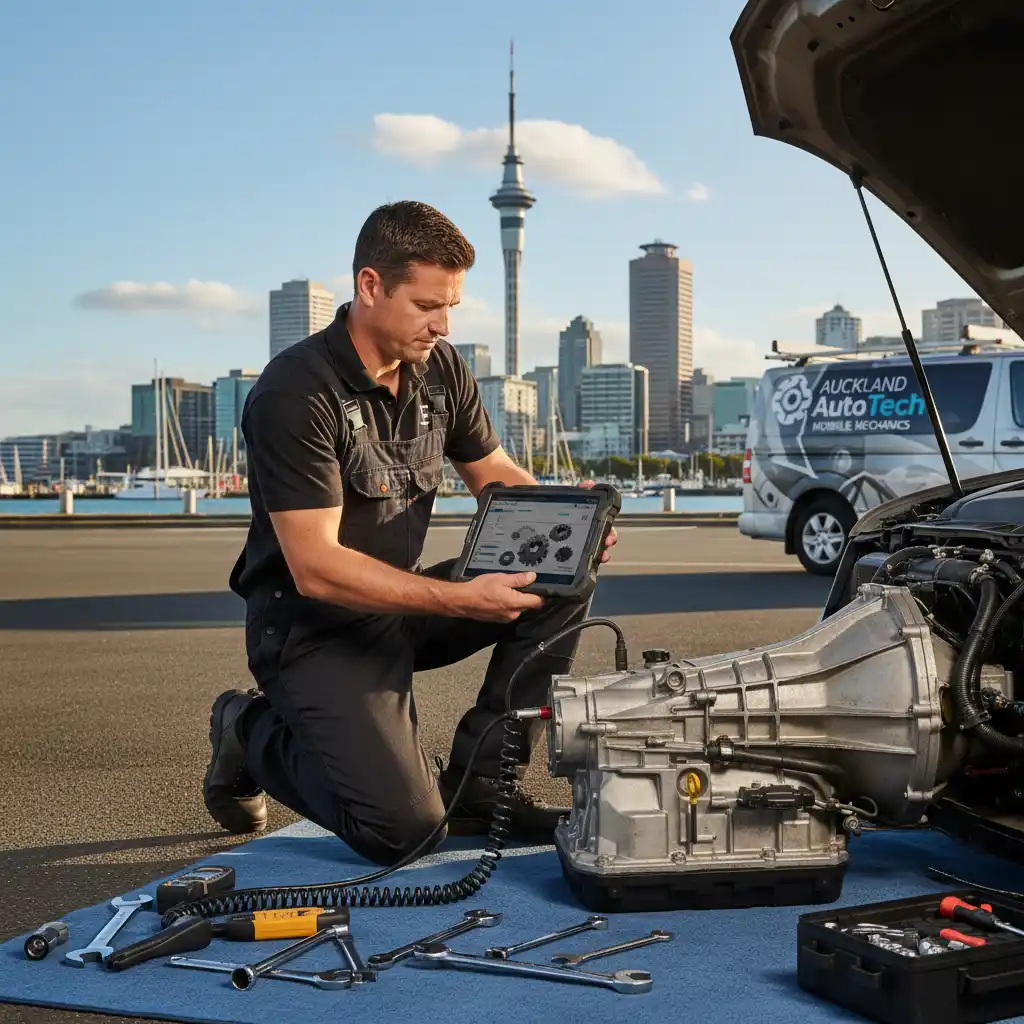
The Mobile Diagnostic Process for Noisy Gearboxes in Auckland
When you call a mobile mechanic in Auckland for a noisy gearbox, you’re not just getting convenience; you’re getting a comprehensive, on-site diagnostic service. This process is designed to accurately identify the source of the noise without you having to leave your property.
Initial Consultation and Road Test
The diagnostic process begins with a detailed conversation about your vehicle’s symptoms. The mechanic will ask about when the noise occurs, what kind of noise it is (whining, grinding, clunking, etc.), and if it changes with speed, gear selection, or clutch engagement. Following this, a crucial step is the road test. This allows the mechanic to experience the symptoms firsthand, listening for the noises under various driving conditions, including acceleration, deceleration, turning, and gear changes. This real-world assessment is invaluable for pinpointing the conditions under which the noise is most prominent.
Comprehensive Visual Inspection
After the road test, the vehicle undergoes a thorough visual inspection. The mobile mechanic will look for external signs of trouble, such as:
- Fluid Leaks: Any signs of transmission fluid leaks around the gearbox housing, lines, or seals.
- Mounting Components: Checking for loose or damaged transmission mounts, which can cause clunking or excessive vibration.
- Driveshafts and CV Joints: Inspecting driveshafts, U-joints, and CV joints for play, damage, or torn boots, which can also generate noise that can be mistaken for gearbox issues.
- External Damage: Any visible damage to the gearbox casing or surrounding components.
Fluid Check and Analysis
The condition and level of your transmission fluid are critical indicators of gearbox health. The mechanic will check:
- Fluid Level: Ensuring the fluid is at the correct level as per manufacturer specifications. Low fluid is a common cause of whining and grinding noises.
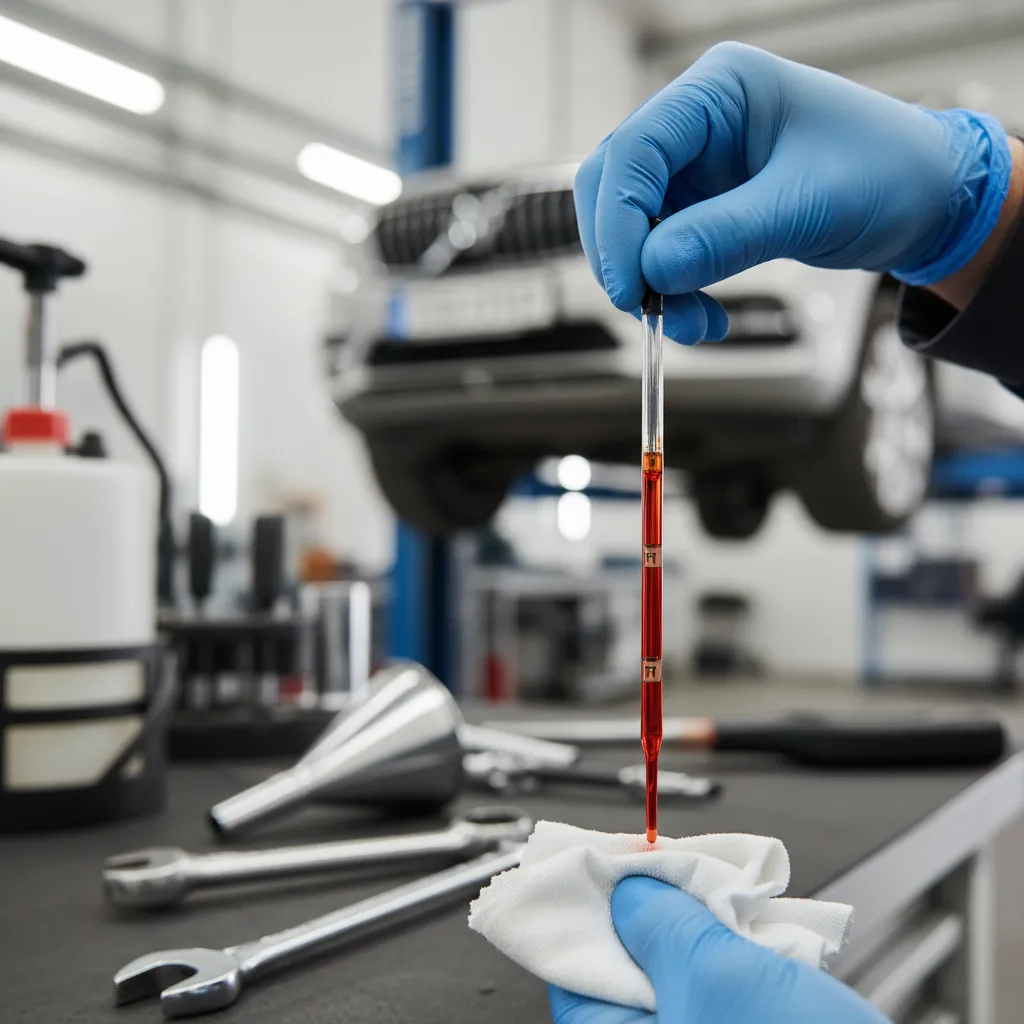
- Fluid Condition: Assessing the color, smell, and consistency of the fluid. Healthy transmission fluid is typically reddish and has a slightly sweet smell. Burnt-smelling fluid, dark coloration, or the presence of metallic particles indicates significant internal wear or overheating.
Computer Diagnostics (OBD-II Scan)
Modern vehicles are equipped with sophisticated computer systems that monitor various aspects of the engine and transmission. The mobile mechanic will connect a diagnostic scanner to your vehicle’s On-Board Diagnostics II (OBD-II) port to check for any stored trouble codes. While some gearbox issues may not trigger a specific code, others, especially in automatic transmissions, can provide valuable insights into electronic control unit (ECU) related problems or sensor failures that might indirectly affect gearbox performance and generate noise.
Specialized Tools and Techniques
Beyond standard checks, experienced mobile mechanics employ specialized tools and techniques for precise diagnosis:
- Chassis Ear/Mechanic’s Stethoscope: This tool allows the mechanic to pinpoint the exact location of a noise within the gearbox or surrounding components, differentiating between bearing noise, gear noise, or differential noise.
- Thermal Imaging: In some cases, thermal imaging cameras can be used to identify abnormal heat patterns on the gearbox casing, indicating excessive friction or internal overheating.
- Test Drive with Listeners: Sometimes, a second mechanic or specialized equipment is used during a test drive to better isolate and analyze the specific frequency and characteristics of the noise.
By combining these diagnostic steps, an Auckland mobile mechanic can accurately identify whether the noise originates from the gearbox itself, associated drivetrain components, or another part of the vehicle, providing you with a clear path forward for repair.
Preventative Tips for Optimal Gearbox Health
While gearboxes are built to be robust, they are not impervious to wear and tear. Regular maintenance and good driving habits can significantly extend the life of your transmission and prevent premature noise development.
Regular Transmission Fluid Checks and Changes
This is arguably the most critical preventative measure. Transmission fluid lubricates, cools, and cleans the internal components of your gearbox. Over time, it degrades and loses its effectiveness, collecting wear particles. Consult your vehicle’s owner’s manual for recommended fluid change intervals. For severe driving conditions (heavy towing, frequent stop-and-go traffic), more frequent changes may be necessary. Ensure your mobile mechanic uses the correct type and specification of fluid for your specific gearbox.
Use the Correct Transmission Fluid
Not all transmission fluids are created equal. Using the wrong type of fluid can lead to inadequate lubrication, overheating, seal damage, and ultimately, gearbox failure. Always adhere to the manufacturer’s recommendations. A reputable mechanic will always verify the correct fluid type before any service.
Mindful Driving Habits
Your driving style has a direct impact on gearbox longevity:
- Smooth Shifts: Avoid aggressive or forced gear changes, especially in manual transmissions. Allow the synchronizers to do their job.
- Avoid Lugging the Engine: Don’t drive in too high a gear at low speeds, as this puts undue stress on the gearbox and engine.
- Use the Parking Brake: When parking on an incline, engage the parking brake before shifting into ‘Park’ (automatic) or leaving it in gear (manual). This prevents the entire weight of the vehicle from resting on the transmission’s parking pawl.
- Allow Warm-up: In colder weather, give your vehicle a minute or two to warm up before driving off, allowing transmission fluids to circulate and reach optimal operating temperature.
Routine Vehicle Maintenance
Ensure your vehicle receives its scheduled services. A comprehensive service often includes checks on transmission mounts, fluid levels, and general drivetrain components. Addressing minor issues during these routine checks can prevent them from escalating. For further information on vehicle maintenance best practices, resources like Wikipedia’s car maintenance article offer valuable insights.
By diligently following these preventative tips, you can significantly reduce the likelihood of experiencing a noisy gearbox and ensure your vehicle’s transmission provides reliable service for many years to come.
In conclusion, a noisy gearbox is a clear indicator that your vehicle requires immediate attention. For Auckland drivers, understanding the potential causes, recognizing when to seek professional help, and leveraging the convenience and expertise of mobile diagnostic services are crucial steps in maintaining vehicle health. By acting promptly and adhering to preventative maintenance practices, you can safeguard your gearbox, prevent costly repairs, and ensure a safe and smooth driving experience.
People Also Ask About Noisy Gearbox Diagnosis in Auckland
What causes a gearbox to make a grinding noise when driving?
A grinding noise often indicates worn synchronizers in a manual transmission, preventing smooth gear engagement. It can also point to severely worn gears or issues with the clutch not disengaging fully. In automatics, internal component wear or planetary gear set damage can cause similar sounds.
Can low transmission fluid cause a whining noise?
Yes, absolutely. Low transmission fluid is a very common cause of whining or humming noises. The fluid lubricates the gears and bearings, and when the level is insufficient, these components experience increased friction and wear, leading to audible sounds. It can also cause overheating and further damage.
Is it safe to drive with a noisy gearbox?
Driving with a noisy gearbox is generally not recommended. The noise is a symptom of an underlying problem that could worsen rapidly, leading to complete transmission failure, loss of power, or even pose a safety hazard. It’s best to have it inspected by a professional as soon as possible, especially in Auckland where mobile mechanics can come to you.
How long does a gearbox diagnosis take for an Auckland mobile mechanic?
A comprehensive mobile gearbox diagnosis in Auckland typically takes between 1 to 2 hours, depending on the complexity of the issue and the vehicle model. This includes an initial consultation, road test, visual inspection, fluid check, and computer diagnostics to accurately pinpoint the problem.
What’s the difference between a gearbox and a transmission?
The terms “gearbox” and “transmission” are often used interchangeably, particularly in different regions. In technical automotive terms, the gearbox is specifically the casing that houses the gears and shafts, while the transmission is the broader system that includes the gearbox, clutch (or torque converter), drive shafts, and differential, all working together to transmit power from the engine to the wheels.
Can preventative maintenance stop gearbox noises?
Yes, absolutely. Regular preventative maintenance, especially timely transmission fluid changes using the correct fluid type, can significantly extend the life of your gearbox and prevent the development of many common noises. Mindful driving habits, like smooth gear changes and avoiding harsh acceleration, also play a crucial role in maintaining gearbox health.