
Fuel system diagnostics Auckland refers to the professional assessment and testing of a vehicle’s fuel delivery components—including injectors, pumps, filters, and pressure regulators—to identify blockages or failures. To restore optimal performance and fuel economy in Auckland’s stop-start traffic, you must utilize specialized scan tools and pressure gauges to pinpoint lean conditions or flow restrictions accurately.
Understanding Fuel System Diagnostics
The internal combustion engine is a marvel of engineering, relying on a precise mixture of air and fuel to generate power. In modern vehicles, this balance is managed by a complex network of sensors and actuators known as the Electronic Fuel Injection (EFI) system. When we talk about fuel system diagnostics in Auckland, we are referring to a systematic approach to analyzing this network to ensure your engine receives the exact amount of fuel it needs at the precise moment it needs it.
For Auckland drivers, the local driving conditions present unique challenges. The combination of humid maritime air, frequent hill starts in suburbs like Titirangi or Remuera, and the gridlock often experienced on the Southern Motorway puts immense strain on fuel delivery systems. Over time, components degrade, filters clog, and electronic signals can drift, leading to a host of performance issues.
A professional diagnostic service goes beyond simply reading an error code. While an OBD-II scanner might indicate a “System Too Lean” code (P0171), it does not tell the mechanic why the system is lean. It requires a skilled technician to interpret fuel trim data, perform physical fuel pressure tests, and analyze injector pulse widths to distinguish between a failing fuel pump, a clogged injector, or a vacuum leak. This depth of analysis is crucial for avoiding unnecessary parts replacement and ensuring a first-time fix.

Common Symptoms of Fuel System Issues
Identifying a fuel system problem early can save you thousands of dollars in engine repairs. When the air-fuel mixture is incorrect, it causes the engine to run hotter than designed or leaves unburnt fuel to wash oil off the cylinder walls, accelerating wear. Here are the primary symptoms that indicate you need immediate diagnostics.
Rough Idle and Stalling
One of the first signs of fuel delivery trouble is an engine that struggles to maintain a smooth idle. In Auckland’s traffic, where you spend a significant amount of time stopped at lights, a rough idle is noticeable as a vibration through the steering wheel or seat. If the fuel supply is inconsistent due to a clogged filter or weak pump, the engine may even stall when you come to a stop. This is a safety hazard, particularly at busy intersections.
Significant Loss of Power
If you press the accelerator to merge onto the motorway or climb a steep hill and the car feels sluggish or “hesitates,” it is often a sign of fuel starvation. Under load, the engine demands a high volume of fuel. If the pump is weak or the injectors are restricted, they cannot meet this demand, resulting in a distinct lack of power. This is often described as the car feeling like it is “holding back.”
Decreased Fuel Economy
Ironically, fuel system issues can lead to increased fuel consumption. If fuel injectors are leaking or have a poor spray pattern (dribbling instead of atomizing), the fuel does not burn efficiently. The vehicle’s computer (ECU) may try to compensate for perceived imbalances by adding more fuel, leading to a rich running condition. If you notice you are visiting the petrol station more frequently for the same amount of driving, diagnostics are required.
Hard Starting
A vehicle that cranks for a long time before starting, or requires multiple attempts to fire up, often has a fuel pressure issue. The fuel system is designed to hold “residual pressure” so the car is ready to start immediately. If the check valve in the fuel pump fails or an injector is leaking, the lines drain back to the tank, and the pump must re-prime the entire system every time you turn the key.
The Critical Importance of Injector Cleaning
Fuel injectors are precision instruments with microscopic tolerances. They are responsible for atomizing fuel into a fine mist, allowing for efficient combustion. Over time, however, the combustion process leaves behind carbon deposits and varnish on the injector tips. This buildup disrupts the spray pattern, turning a fine mist into a stream.
There are generally two methods of injector cleaning available:
- On-Car Chemical Cleaning: This involves running a specialized potent cleaning solvent through the fuel rail, bypassing the fuel tank. This is excellent for maintenance and removing moderate buildup without dismantling the engine.
- Off-Car Ultrasonic Cleaning: For severe cases, injectors are removed from the engine and placed in an ultrasonic bath. Sound waves create microscopic bubbles that implode (cavitation), blasting away stubborn carbon deposits. The injectors are then flow-tested to ensure they are balanced.
For most Auckland car owners, periodic on-car cleaning as part of a major service can prevent the need for expensive replacements. The benefits are immediate: smoother idling, restored power, and lower emissions. According to Wikipedia, modern electronic fuel injection systems rely entirely on the precise metering of fuel, meaning even a small percentage of flow restriction can significantly impact engine performance.
Fuel Pump Failure and Replacement
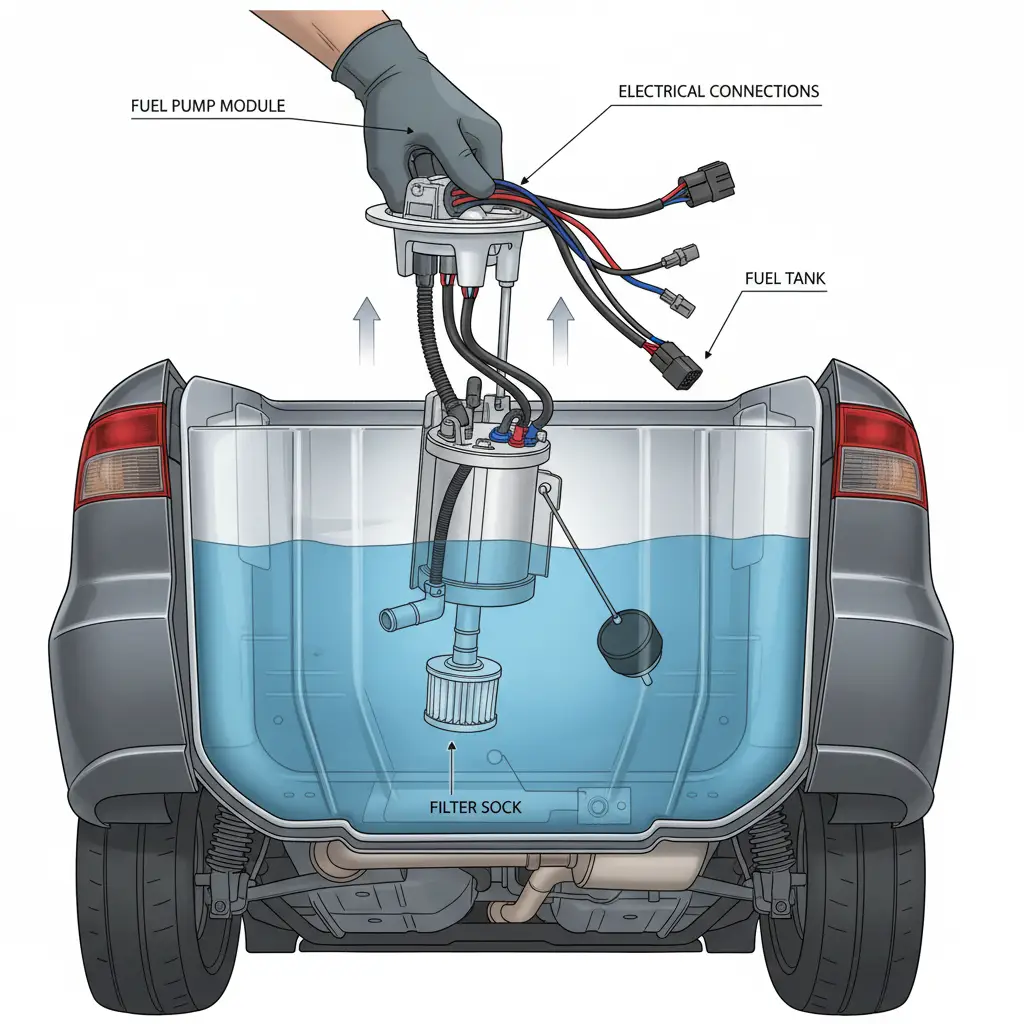
The fuel pump is the heart of the system, pushing petrol or diesel from the tank to the engine. Most modern vehicles utilize an electric fuel pump submerged inside the fuel tank. This design uses the fuel itself to cool and lubricate the pump’s internal components.
Why Fuel Pumps Fail
Fuel pumps generally fail due to wear and tear, but certain habits can accelerate their demise. Consistently driving with a low fuel level (the “low fuel” light on) is a primary cause of premature failure. When the fuel level is low, the pump is not fully submerged, causing it to run hotter. Additionally, sediment at the bottom of the tank is more likely to be drawn into the pump when fuel levels are low, damaging the internal impeller.
The Replacement Process
Replacing a fuel pump is a complex task that often involves removing the rear seats to access a service hatch or dropping the entire fuel tank from under the vehicle. This is where a mobile mechanic service shines. Instead of paying for a tow truck to take your non-starting vehicle to a workshop, a mobile technician can often perform the replacement on-site, provided there is a safe, flat surface. The process involves depressurizing the system, disconnecting lines and electrical harnesses, swapping the pump module, and verifying the new pump provides the correct pressure specifications.
The Impact of Ethanol and NZ Fuel Quality
In New Zealand, fuel formulations have changed over the years, with the introduction of ethanol-blended fuels (such as E10, which is 10% ethanol and 90% petrol). While ethanol is a renewable resource and helps reduce emissions, it has hygroscopic properties, meaning it attracts and absorbs water from the atmosphere.
In a humid environment like Auckland, moisture absorption can be a genuine concern for vehicles that sit idle for long periods. Water in the fuel system can lead to:
- Corrosion: Rust forming inside steel fuel tanks or on metal fuel lines.
- Phase Separation: If the water content gets too high, the ethanol/water mix separates from the petrol and sinks to the bottom of the tank. If the fuel pump sucks up this layer, the engine will stall immediately and may suffer internal damage.
- Component Degradation: Ethanol acts as a solvent and can dry out or degrade older rubber seals and hoses in vehicles not designed for E10 use.
Regular diagnostics and the use of fuel stabilizers or high-quality fuel system cleaners can help mitigate these risks. It is vital to check your vehicle manufacturer’s recommendations regarding ethanol blends.
The Mobile Mechanic Advantage in Auckland
When dealing with fuel system issues, the vehicle is often barely drivable or completely immobilized. This makes the traditional workshop model inconvenient and expensive due to towing costs. Choosing a mobile mechanic for fuel system diagnostics in Auckland offers distinct advantages.
Mobile mechanics carry professional-grade scan tools and fuel pressure gauges in their vans. They can perform comprehensive diagnostics at your home or workplace. If a fuel pump has failed, the repair can often be completed in your driveway. This service model minimizes downtime and eliminates the logistical nightmare of moving a broken-down car across the city.
Furthermore, being present during the repair allows you to see the parts being replaced and speak directly with the technician about the condition of your fuel system, ensuring transparency and trust.
Preventive Maintenance Strategies
Preventing fuel system failure is always cheaper than curing it. By adhering to a few simple maintenance habits, you can extend the life of your injectors and fuel pump significantly.
- Replace Fuel Filters Regularly: The fuel filter is the primary defense against contaminants. Check your owner’s manual for the service interval (usually every 40,000km to 60,000km) and stick to it.
- Use High-Quality Fuel: While it is tempting to use the cheapest fuel available, Top Tier fuels contain higher levels of detergents that help keep injectors clean.
- Don’t Run on Empty: Try to keep your tank at least a quarter full to keep the fuel pump cool and reduce the risk of picking up sediment.
- Periodic System Cleaner: Adding a bottle of reputable fuel system cleaner to your tank at every oil change can help remove minor deposits before they harden.
For more information on vehicle maintenance and fuel efficiency standards, resources like the Department of Energy provide excellent technical overviews on how these systems contribute to overall vehicle efficiency.
Maintaining a clean and efficient fuel system is essential for navigating Auckland’s roads reliably. Whether you need an urgent fuel pump replacement or a routine injector clean, professional diagnostics are the first step toward restoring your vehicle’s performance.
People Also Ask
How much does a fuel system diagnostic cost in Auckland?
The cost for a mobile fuel system diagnostic in Auckland typically ranges from $120 to $180 NZD. This fee covers the call-out, scan tool usage, and physical pressure testing required to pinpoint the issue. If repairs are authorized, this fee is sometimes waived or discounted from the final bill.
How do I know if my fuel injectors need cleaning?
Signs your injectors need cleaning include a rough idle, engine misfires, poor fuel economy, and a lack of power during acceleration. If your car feels “jerky” or hesitates when you press the gas pedal, clogged injectors are a likely culprit.
Can a mobile mechanic replace a fuel pump on-site?
Yes, in most cases, a mobile mechanic can replace a fuel pump at your home or workplace. However, the tank usually needs to be accessible (often under the rear seat). If the tank must be dropped and is full of fuel, the mechanic may require a specific flat surface or specialized equipment.
Is it safe to drive with a bad fuel pump?
No, it is not recommended. A failing fuel pump can cut out unexpectedly, causing the engine to stall in traffic, which is dangerous. Furthermore, running a lean mixture due to low fuel pressure can cause engine overheating and internal damage.
How often should I change my fuel filter?
For most vehicles, fuel filters should be replaced every 2 years or 40,000km to 60,000km. However, check your specific vehicle’s manual, as some modern cars have “lifetime” filters integrated into the pump assembly that do not require routine service.
Does E10 fuel damage cars in New Zealand?
Most modern cars (post-2000s) are designed to handle E10 fuel safely. However, for classic cars or older vehicles with rubber fuel lines, the ethanol in E10 can corrode metal and degrade rubber seals. Always check compatibility before filling up with E10.