
Ford Ranger transmission problems in Auckland often manifest as delayed shifts, slipping gears, or unusual noises, requiring prompt diagnosis and repair to prevent further damage. Addressing these issues early with an expert mobile mechanic ensures your vehicle’s longevity and performance, keeping you safely on the road across Auckland’s diverse terrain.
Common Ford Ranger Transmission Faults
The Ford Ranger, a popular utility vehicle across New Zealand and particularly in Auckland, is known for its ruggedness and capability. However, like any complex mechanical system, its transmission can develop specific issues over time. Understanding these common faults is the first step towards effective diagnosis and repair.
Automatic Transmission Issues in Rangers
Automatic transmissions in Ford Rangers, particularly the 5R55S, 6R80, and newer 10R80 units found in PX series models, can experience a range of problems. One of the most frequently reported issues is delayed engagement, where there’s a noticeable pause between selecting a gear (Drive or Reverse) and the transmission engaging. This can often be attributed to low fluid levels, a faulty valve body, or worn clutch packs.
Harsh or erratic shifting is another prevalent complaint. Instead of smooth transitions, drivers might experience jolting or clunking during gear changes. This could indicate issues with solenoids, transmission control module (TCM) software, or internal component wear. In some cases, the torque converter might be failing, leading to shuddering or a feeling of slipping, especially under acceleration.
Slipping gears, where the engine revs increase but the vehicle doesn’t accelerate proportionally, is a serious sign of internal wear or fluid pressure problems. This can be caused by worn clutch bands, seals, or a failing pump. Overheating is also a significant concern, often resulting from heavy towing, neglected fluid changes, or a failing transmission cooler, which can accelerate wear on all internal components.
Manual Transmission Problems in Rangers
While less common than automatics in modern Rangers, manual transmissions also have their typical failure points. Difficulty engaging gears, especially first or reverse, often points to a worn clutch, a faulty master or slave cylinder, or issues with the shift linkage. Grinding noises during shifts are a classic symptom of worn synchronizers, which are crucial for matching gear speeds during changes.
A loose or sloppy gear stick can indicate worn bushings in the shifter mechanism, making gear selection imprecise. Furthermore, a burning smell from a manual transmission is almost always indicative of an overheating or worn clutch, signaling that it may be slipping excessively. Any unusual vibrations felt through the gear lever could suggest problems with the transmission mounts or internal bearings.
Common Causes of Ranger Transmission Failure
Beyond specific components, several factors contribute to transmission problems in Ford Rangers. Lack of regular maintenance, particularly neglecting transmission fluid and filter changes, is a primary culprit. Old, contaminated, or low fluid leads to increased friction, overheating, and accelerated wear. Heavy-duty use, such as frequent towing or off-roading, places immense stress on the transmission, making robust maintenance even more critical. Manufacturing defects, while less common in newer models, can sometimes lead to premature component failure. For example, some early PX series 6R80 transmissions faced issues with valve bodies or mechatronics units that required specific factory updates or replacements. It’s crucial for Ranger owners in Auckland to adhere to the manufacturer’s service schedule and address any symptoms promptly.
Signs of Transmission Trouble in Rangers
Identifying transmission issues early in your Ford Ranger can save you significant repair costs and prevent complete failure. Many symptoms start subtly, and attentive drivers can catch them before they escalate into major problems. Being aware of these indicators is crucial for any Ranger owner in Auckland.
Auditory Cues: Unusual Noises
One of the most noticeable signs of transmission trouble is unusual sounds emanating from the gearbox area. A whining or humming noise that changes with vehicle speed or engine RPM can indicate issues with internal bearings, planetary gears, or the torque converter. If you hear a distinct clunking sound when shifting from Park to Drive or Reverse, or during gear changes while driving, it might point to excessive play in the drivetrain, worn universal joints, or internal transmission damage such as a failing valve body or worn clutch packs.
Grinding noises, especially in a manual transmission during shifts, are a clear indication of worn synchronizers or a clutch issue. In automatics, a grinding sound could signal serious internal component failure. Any persistent, abnormal noise warrants immediate professional inspection.
Performance Indicators: Slipping or Delayed Shifts
The way your Ranger drives can provide critical clues about its transmission’s health. Slipping gears is perhaps the most alarming symptom: you press the accelerator, the engine revs increase, but the vehicle either doesn’t accelerate or does so very slowly. This indicates that the transmission isn’t effectively transferring power to the wheels, often due to worn clutch material, low fluid pressure, or a failing torque converter.
Delayed engagement is another common sign, where there’s a noticeable lag (several seconds) after you select Drive or Reverse before the transmission engages. This often points to low fluid levels, a faulty valve body, or worn seals. Harsh or rough shifting, where gear changes feel abrupt or jarring, suggests issues with the transmission control system, solenoids, or internal friction components. A Ranger that struggles to shift into certain gears or fails to shift at all requires immediate attention.
Visible Symptoms: Leaks and Warning Lights
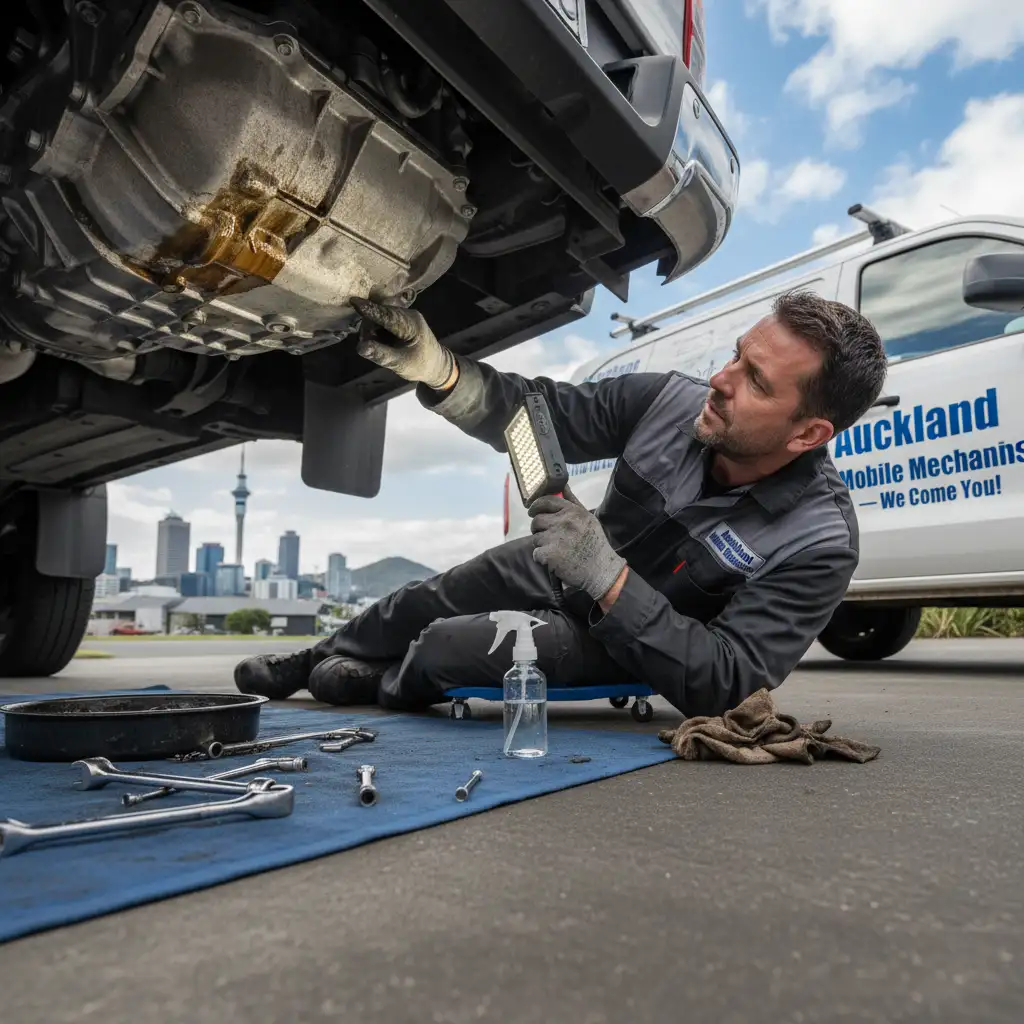
Visible signs of transmission problems should never be ignored. Fluid leaks underneath your parked Ranger are a significant red flag. Transmission fluid is typically red or reddish-brown and has a sweet, slightly acrid smell. Leaks can occur from the pan gasket, seals, lines, or cooler. Low fluid levels severely compromise transmission performance and can lead to rapid internal wear. For information on general vehicle maintenance, you might consult resources like Wikipedia’s page on car maintenance.
The illumination of the “Check Engine Light” (CEL) or a dedicated transmission warning light on your dashboard is a critical indicator. Modern Rangers use sophisticated sensors to monitor transmission health. When a fault is detected, the vehicle’s onboard diagnostic (OBD-II) system will log a diagnostic trouble code (DTC) and illuminate a warning light. Ignoring these lights can lead to more severe, costly damage.
Odor: A Burning Smell
A distinct burning smell emanating from your Ranger is a serious warning sign, almost always indicating an overheating transmission or severely burnt fluid. This smell is often a result of excessive friction within the transmission, usually due to low fluid, old fluid, or worn clutch bands. Overheated transmission fluid loses its lubricating and cooling properties, leading to accelerated wear and potential catastrophic failure. If you detect this smell, pull over safely and contact a mechanic immediately.
Mobile Diagnosis for Ranger Transmissions
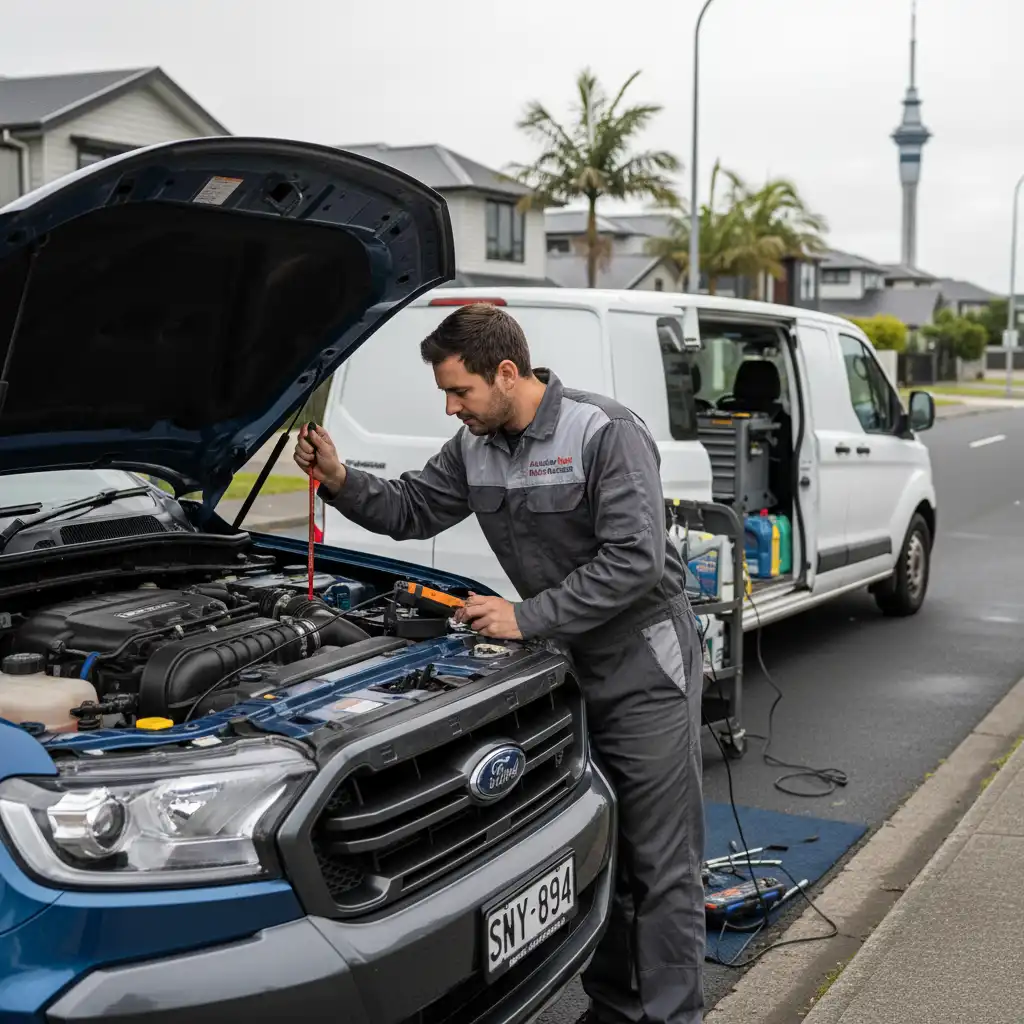
When your Ford Ranger starts showing signs of transmission trouble in Auckland, getting a prompt and accurate diagnosis is paramount. A mobile mechanic service offers distinct advantages, bringing expert assessment directly to your location, whether at home, work, or roadside.
Why Choose Mobile Diagnosis in Auckland?
Auckland’s traffic and busy schedules make taking your Ranger to a traditional workshop a hassle, especially if it’s already experiencing transmission issues that make driving risky or impossible. Mobile diagnosis offers unparalleled convenience, saving you time and the potential cost and stress of towing. A qualified mobile mechanic comes to you equipped with the necessary tools and expertise to perform an initial assessment on-site. This immediate, on-location inspection can often pinpoint the problem without the need for an initial workshop visit, allowing for quicker, more targeted solutions. It also provides a unique opportunity for the mechanic to observe the vehicle’s behaviour in its natural environment, which can be invaluable for diagnosing intermittent faults.
The Diagnostic Process On-Site
A comprehensive mobile transmission diagnosis for your Ranger typically involves several critical steps:
- Initial Interview: The mechanic will discuss the symptoms you’ve noticed, when they started, and under what conditions they occur.
- Visual Inspection: This includes checking for external leaks, assessing the condition of transmission lines, cooler, and mounts.
- Fluid Check: The transmission fluid level, colour, and smell are checked. Burnt fluid, metallic particles, or a low level can indicate significant internal wear.
- Diagnostic Scan: Utilising advanced OBD-II scan tools, the mechanic will connect to your Ranger’s onboard computer to retrieve any stored Diagnostic Trouble Codes (DTCs) related to the transmission control module (TCM).
- Road Test (if safe): If the vehicle is drivable, a road test allows the mechanic to observe shift patterns, listen for noises, and feel for vibrations or slipping under various driving conditions. This is crucial for corroborating scan tool data with real-world performance.
- Live Data Analysis: The scan tool can also provide real-time data from various sensors, allowing the mechanic to monitor parameters like fluid temperature, solenoid operation, and clutch pressures, helping to pinpoint the exact nature of the fault.
Understanding Diagnostic Codes (DTCs)
Diagnostic Trouble Codes (DTCs) are alphanumeric codes generated by your Ranger’s computer system when it detects a fault. While a specific DTC might point towards a particular system (e.g., P0700 for a general transmission control system malfunction), it often requires expert interpretation. For instance, a code indicating a solenoid circuit malfunction might not mean the solenoid itself is bad, but rather a wiring issue or a problem with the TCM providing incorrect voltage. An experienced mobile mechanic will not just read the codes but will use them as a starting point for further investigation, combining them with fluid analysis, visual inspection, and road test observations to formulate an accurate diagnosis. This holistic approach ensures that the root cause, rather than just the symptom, is identified and addressed.
Expert Repair to Get Your Ranger Moving
Once a thorough mobile diagnosis has identified the specific transmission problem in your Ford Ranger, the next critical step is to implement an expert repair. In Auckland, choosing a skilled mobile mechanic ensures that repairs are performed efficiently and effectively, aiming to restore your Ranger’s reliability and performance.
Common Repair Solutions for Ranger Transmissions
Depending on the diagnosis, various repair solutions can be applied. Simple issues might require a transmission fluid and filter change, especially if the fluid is old or contaminated. This can often resolve minor shifting problems and improve overall transmission health. If a specific solenoid is failing, leading to erratic shifts, a targeted solenoid replacement can be a cost-effective fix. For issues related to internal pressure regulation or valve sticking, a valve body repair or replacement might be necessary. This component is crucial for directing fluid flow and engaging clutch packs.
More severe problems, such as widespread slipping or significant internal wear, may necessitate a transmission rebuild. This involves disassembling the transmission, replacing worn-out components like clutch packs, seals, bearings, and bands, and thoroughly cleaning all parts. In cases of catastrophic failure, where internal damage is extensive, a complete transmission replacement (either with a new or reconditioned unit) might be the most viable option. Each approach has different cost implications and timelines, which an expert mobile mechanic can discuss with you.
The Importance of Genuine Parts and Expertise
For any Ford Ranger transmission repair, the quality of parts and the expertise of the mechanic are paramount. Using genuine Ford parts or high-quality OEM (Original Equipment Manufacturer) equivalents ensures compatibility and durability, reducing the likelihood of premature failure. Substandard aftermarket parts might be cheaper initially but can lead to recurring problems and greater costs down the line. A reputable mobile mechanic in Auckland will always recommend and use reliable components.
Furthermore, transmission repair is highly specialised. It requires intricate knowledge of the Ranger’s specific transmission architecture, whether it’s the 6R80 or 10R80 automatic, and proficiency in delicate assembly and calibration. An experienced mobile mechanic with a strong background in Ford vehicles will possess the diagnostic acumen and technical skills necessary to perform repairs correctly, ensuring your Ranger returns to optimal operating condition. For further technical details on Ford transmissions, official Ford service manuals or authorised Ford service centres (which use genuine parts and certified technicians) are excellent resources.
Preventative Maintenance Tips for Transmission Longevity
Preventative maintenance is the best defence against costly transmission problems. Regular transmission fluid and filter changes according to Ford’s recommended schedule (or more frequently for heavy-duty use) are crucial. This maintains the fluid’s lubricating and cooling properties and removes harmful contaminants. Checking fluid levels regularly, ideally when the transmission is warm and the vehicle is on level ground, can catch leaks or low levels early.
Avoiding practices that stress the transmission, such as aggressive acceleration, sudden shifts between drive and reverse, and exceeding towing capacities, also contributes significantly to longevity. Installing an auxiliary transmission cooler, especially if you frequently tow heavy loads in Auckland’s hilly terrain, can help manage fluid temperatures and prevent overheating, which is a major cause of transmission failure.
Choosing the Right Mobile Mechanic in Auckland
When selecting a mobile mechanic for your Ranger’s transmission needs in Auckland, look for professionals with specific expertise in Ford vehicles. Check for certifications, read customer reviews, and ensure they offer transparent pricing and detailed explanations of the work required. A good mobile mechanic will provide a clear diagnosis, outline all repair options, and offer a warranty on their work. Their ability to perform accurate on-site diagnostics and repairs with quality parts can be the difference between a temporary fix and a lasting solution, keeping your Ford Ranger reliable on Auckland’s roads.
People Also Ask About Ford Ranger Transmissions in Auckland
What is the average cost to fix a Ford Ranger transmission in Auckland?
The cost to fix a Ford Ranger transmission in Auckland can vary significantly depending on the nature of the problem. Minor repairs like a solenoid replacement or fluid flush might range from NZD $300 to $800. More extensive repairs, such as a valve body replacement, could be $1,000 to $3,000. A full transmission rebuild typically costs between NZD $3,000 and $6,000, while a complete replacement with a reconditioned unit might range from NZD $4,000 to $8,000 or more, including labour. Mobile mechanics often offer competitive pricing due to lower overheads.
How often should Ford Ranger transmission fluid be changed?
Ford typically recommends transmission fluid changes for the Ranger every 60,000 to 100,000 kilometres, or every 3 to 5 years, whichever comes first. However, if you frequently tow heavy loads, drive in stop-and-go traffic in Auckland, or engage in off-roading, it’s advisable to change the fluid and filter more frequently, perhaps every 40,000 to 50,000 kilometres, to ensure optimal transmission health and longevity.
Can I drive my Ford Ranger with a slipping transmission?
It is strongly not recommended to drive your Ford Ranger with a slipping transmission. Doing so can quickly escalate a minor issue into catastrophic failure, leading to significantly higher repair costs or even necessitating a complete transmission replacement. Slipping gears generate excessive heat and friction, causing rapid wear to internal components. If your Ranger’s transmission is slipping, it’s best to stop driving and arrange for a professional mobile mechanic to diagnose and repair it.
What causes delayed engagement in a Ford Ranger automatic transmission?
Delayed engagement in a Ford Ranger automatic transmission (a noticeable pause after selecting Drive or Reverse before the vehicle moves) can be caused by several factors. Common culprits include low transmission fluid levels, clogged transmission filters, a malfunctioning valve body (which directs fluid pressure), worn internal clutch packs, or issues with the transmission control module (TCM) or its solenoids. A proper diagnosis by a skilled mechanic is required to pinpoint the exact cause.
Are Ford Ranger PX series transmissions known for specific problems?
Yes, Ford Ranger PX series transmissions, particularly the 6R80 automatic, have had some reported issues. These can include problems with the mechatronics unit or valve body leading to harsh or erratic shifting, delayed engagement, or specific diagnostic codes. Owners of earlier PX models (PX1, PX2) sometimes report issues like torque converter shudder or transmission overheating, especially under heavy load. The newer 10R80 transmission in PX3 models generally has improved reliability but can still develop issues like any complex modern gearbox.
How can I prevent Ford Ranger transmission problems in Auckland?
Preventing Ford Ranger transmission problems involves regular, proactive maintenance and mindful driving habits. Key preventative measures include adhering strictly to Ford’s recommended transmission fluid and filter change schedule (or more frequently for heavy use), regularly checking transmission fluid levels and condition, avoiding aggressive driving and sudden shifts, not exceeding the vehicle’s towing capacity, and promptly addressing any early warning signs like unusual noises or changes in shifting behaviour. Consider an auxiliary cooler if you frequently tow in Auckland’s varied terrain.