
Car systems explained for Auckland drivers involves understanding the interplay between the engine, transmission, braking, and suspension components to ensure vehicle safety and Warrant of Fitness compliance. Regular maintenance of these critical systems prevents costly breakdowns and ensures optimal performance on New Zealand roads.
Owning a vehicle in Auckland comes with a specific set of challenges. From the stop-start traffic on the Southern Motorway to the humid, salt-laden air that accelerates corrosion, your vehicle undergoes significant stress. As a premier Auckland mobile mechanic service, we believe that an educated car owner is a safer car owner. Understanding the essential systems of your vehicle not only helps you communicate better with your mechanic but also empowers you to spot potential issues before they become Warrant of Fitness (WOF) failures or expensive roadside emergencies. This comprehensive guide breaks down the complex engineering of your car into digestible insights, covering everything from the exhaust to the tires.
Understanding the Exhaust System and Emissions
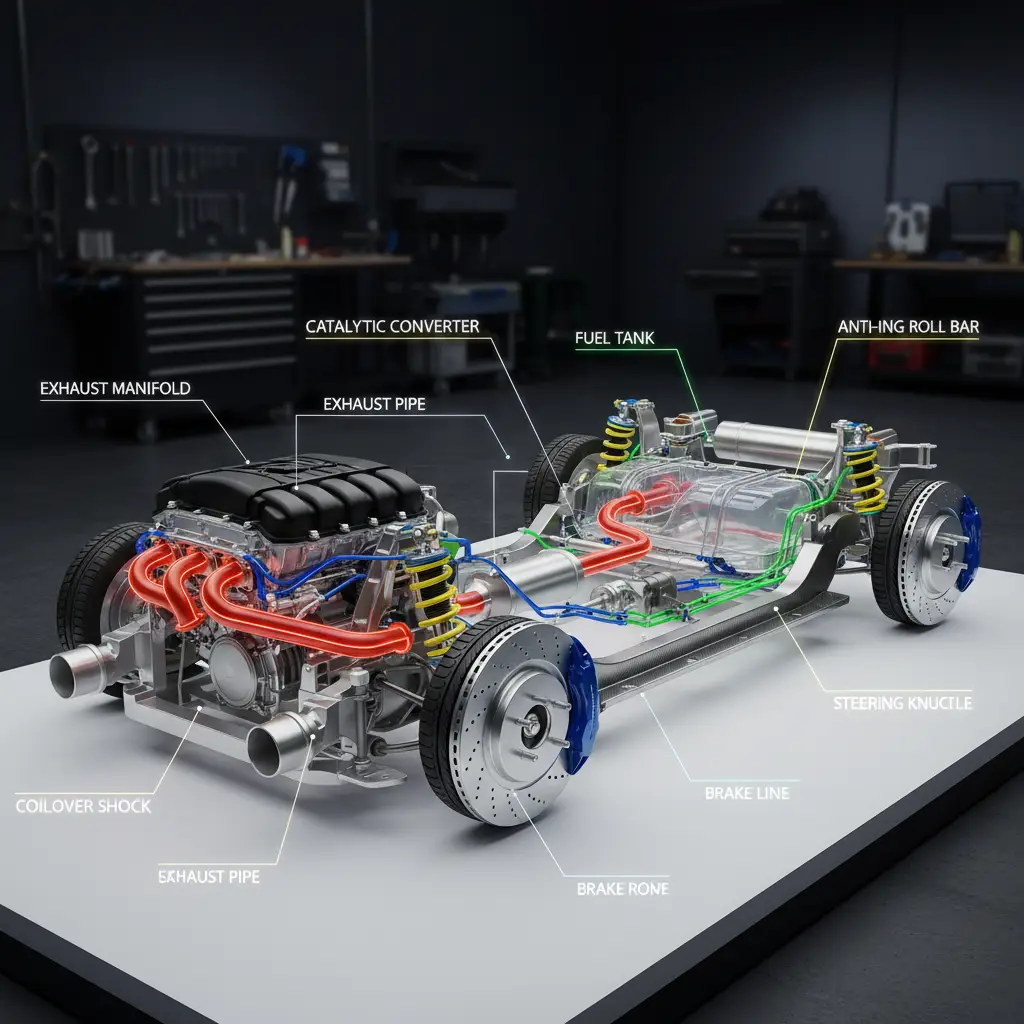
The exhaust system is often misunderstood as simply the pipe that expels smoke from the rear of the car. In reality, it is a sophisticated network designed to control noise, direct dangerous fumes away from the cabin, and, most importantly, reduce harmful emissions. For Auckland drivers, a functioning exhaust system is critical for passing the WOF emissions check.
The Exhaust Manifold and Catalytic Converter
The process begins at the engine block. The exhaust manifold collects gases from the engine cylinders and funnels them into a single pipe. Following this is the catalytic converter, a component containing precious metals like platinum and palladium. Its job is to convert harmful pollutants—such as carbon monoxide, nitrogen oxides, and hydrocarbons—into less harmful substances like carbon dioxide and water vapor. If your car smells like rotten eggs, it is often a sign that the catalytic converter is failing or clogged.
The Muffler and Resonator
Sound dampening is the secondary function of the exhaust. The muffler uses a series of chambers and baffles to cancel out the loud sound waves created by the engine’s combustion process. In New Zealand, excessive noise can lead to a failed WOF or a green sticker from the police. A hole in the muffler not only increases noise but can also allow dangerous carbon monoxide to seep into the vehicle cabin, posing a severe health risk.
How the Fuel System Works
Your vehicle’s fuel system is responsible for storing and delivering fuel to the engine at the precise pressure and volume required for combustion. Whether you drive a petrol or diesel vehicle, the core principles remain similar, though the components endure different levels of stress.
Fuel Pump and Filter
The fuel pump is usually located inside the fuel tank. It pushes fuel through the fuel lines to the engine. Before reaching the engine, the fuel passes through a fuel filter. This filter is vital for removing impurities, rust, and dirt particles that might be present in the tank or the fuel itself. A clogged fuel filter forces the pump to work harder, which can lead to premature pump failure—a common issue we see in older vehicles around Auckland.
Fuel Injectors vs. Carburetors
Modern vehicles use fuel injection systems rather than the carburetors found in vintage cars. Fuel injectors are precision valves that spray a fine mist of fuel directly into the engine’s intake manifold or combustion chamber. Over time, these injectors can become clogged with carbon deposits, leading to rough idling, poor acceleration, and decreased fuel economy. Regular use of high-quality fuel and periodic system cleaning can extend the life of these components.
Tire Maintenance, Safety, and NZ Regulations
Your tires are the only contact point between your vehicle and the road. In Auckland’s variable weather, where sudden downpours are common, tire condition is the single most important factor in avoiding accidents. Neglecting tires is not just dangerous; it is illegal.
Tread Depth and Hydroplaning
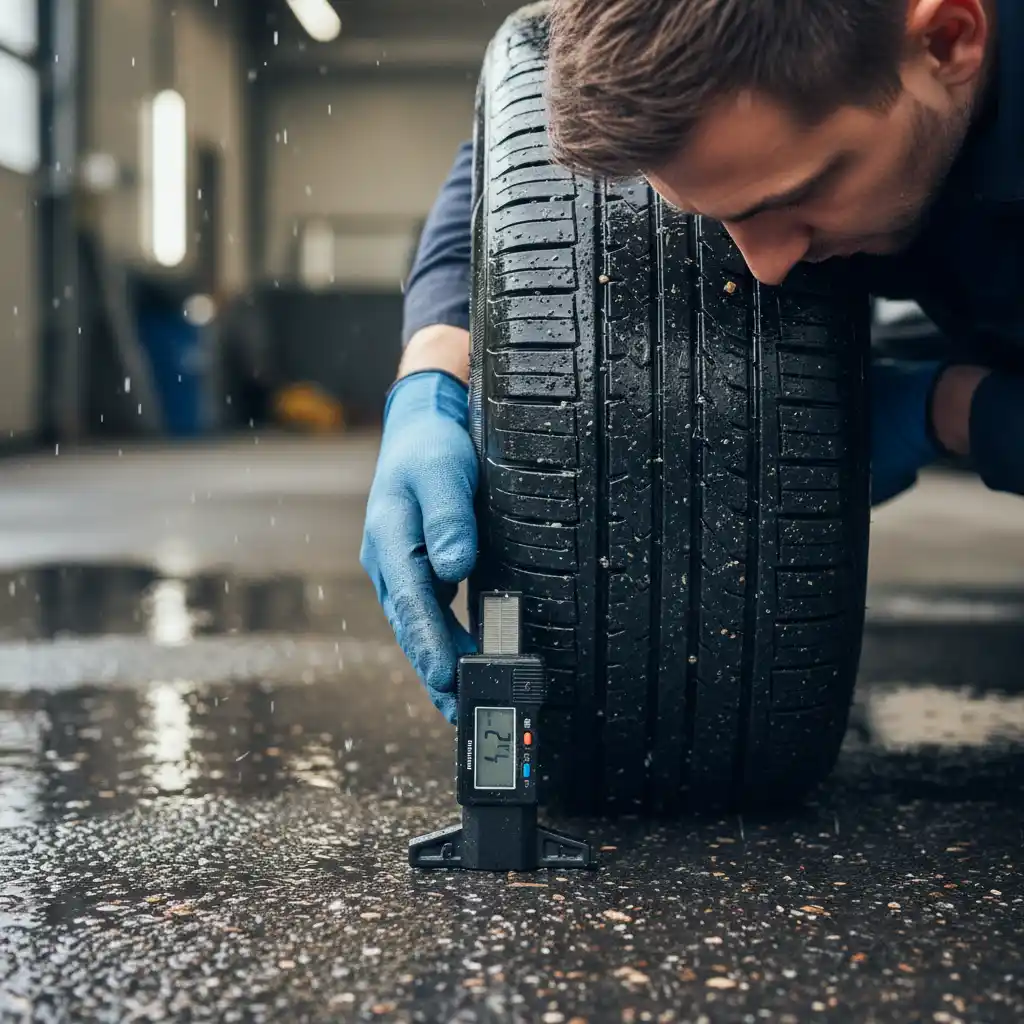
The legal minimum tread depth in New Zealand is 1.5mm across three-quarters of the tire width. However, most safety experts and mechanics recommend replacing tires when they reach 3mm. As tread depth decreases, the tire’s ability to disperse water diminishes drastically, leading to hydroplaning—where the tire rides on top of the water rather than the road. According to the NZ Transport Agency (Waka Kotahi), checking your tire pressure and tread depth monthly is a non-negotiable aspect of vehicle ownership.
Alignment and Balancing
Auckland’s roads can be unforgiving, with potholes and uneven surfaces common in construction zones. Hitting a pothole can knock your wheels out of alignment. Misaligned wheels cause uneven tire wear, meaning you might have plenty of tread on the outside edge but be down to the wire on the inside. Wheel balancing ensures the tire spins without vibrating. If you feel a shimmy in the steering wheel at motorway speeds (80-100 km/h), it is likely a balance issue.
Brake System Fundamentals
The braking system is a hydraulic system that converts the kinetic energy of your moving vehicle into heat through friction. Understanding how this works helps you recognize the warning signs of brake failure.
Calipers, Pads, and Rotors
When you press the brake pedal, brake fluid is pushed from the master cylinder to the brake calipers at each wheel. The calipers clamp the brake pads onto the spinning brake rotors (discs). This friction slows the car. Over time, pads wear down and rotors can become warped or scored. If you hear a high-pitched squealing noise, it is the wear indicator on your pads telling you they need replacement. A grinding noise usually means the pads are gone, and metal is grinding on metal—a much more expensive repair.
Brake Fluid Hygiene
Brake fluid is hygroscopic, meaning it absorbs moisture from the air. Over time, this water content lowers the boiling point of the fluid and can cause internal corrosion in the brake lines and calipers. In a hilly city like Auckland, riding the brakes down a long descent can boil old fluid, resulting in a sudden loss of braking power known as “brake fade.” We recommend flushing and replacing brake fluid every two years.
The Engine Cooling System
Traffic congestion is a major test for your car’s cooling system. While moving, air flows through the radiator to cool the engine. In stop-start traffic, the system relies entirely on the cooling fan and the circulation of coolant fluid.
Radiator and Thermostat
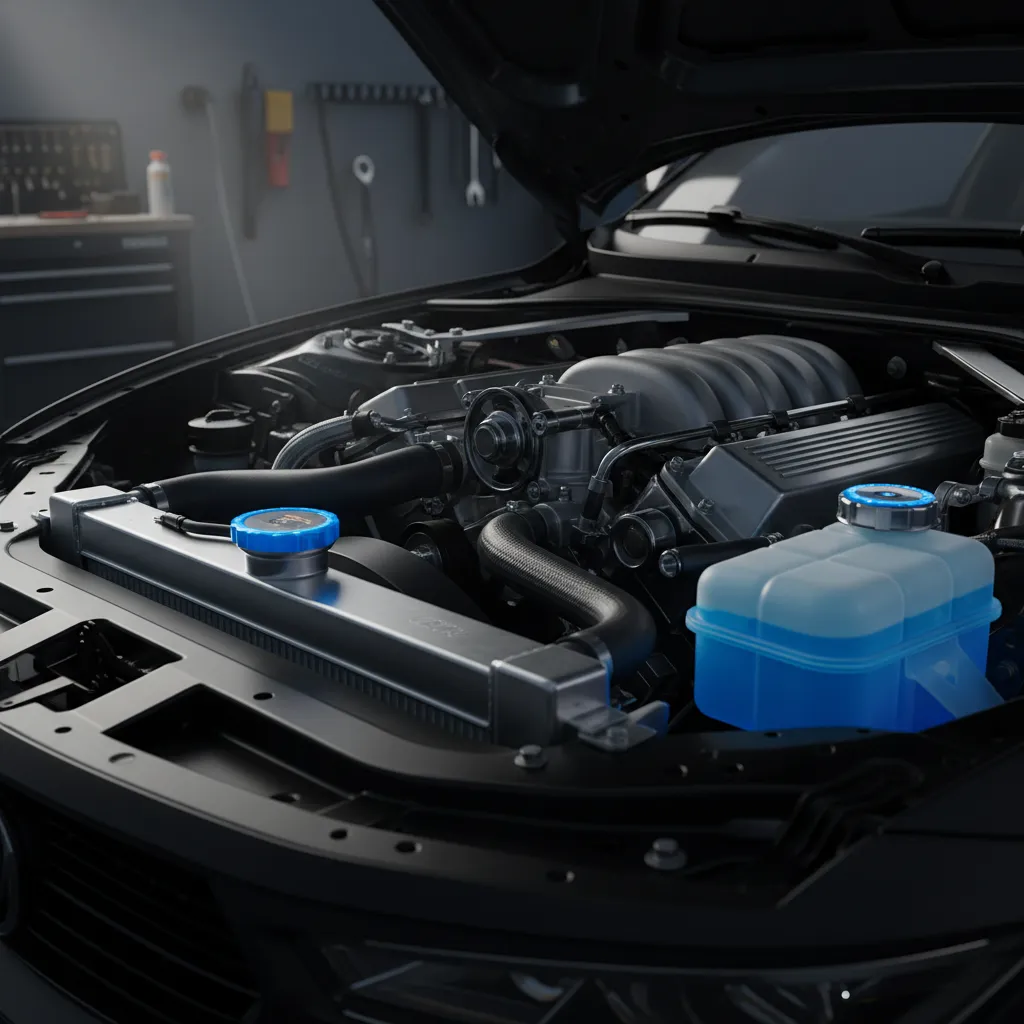
The radiator acts as a heat exchanger. Hot coolant from the engine passes through the radiator fins, where it is cooled before cycling back. The thermostat regulates this flow, keeping the engine at optimal operating temperature. If the thermostat sticks closed, the engine overheats rapidly; if it sticks open, the engine never reaches efficient temperature, wasting fuel. Coolant leaks are a common callout for mobile mechanics. A sweet smell inside or outside the car is a telltale sign of leaking antifreeze.
Suspension and Steering
The suspension system does more than just provide a comfortable ride; it ensures that your tires remain in contact with the road surface during cornering and braking. The key components include shock absorbers (or struts), springs, and control arms.
Shocks and Struts
Shock absorbers dampen the energy from road bumps. When they wear out, your car will bounce excessively after hitting a bump, and you may notice the nose of the car diving when you brake hard. This “nose dive” increases stopping distance significantly. In Auckland, where emergency stops are sometimes necessary due to unpredictable traffic, healthy suspension is vital for safety.
Power Steering
Modern cars use either hydraulic or electric power steering. Hydraulic systems rely on fluid and a pump driven by the engine belt. If you hear a whining noise when turning the wheel, it often indicates low power steering fluid. Electric systems are maintenance-free but can suffer from sensor failures. Keeping your steering system in check ensures you can maneuver quickly and safely around obstacles.
People Also Ask
How often should I check my car’s fluid levels?
You should check your essential fluids (oil, coolant, brake fluid, and windshield wash) at least once a month and before any long road trips. Regular checks can prevent major engine damage.
What is the legal tire tread depth in New Zealand?
The legal minimum tire tread depth in New Zealand is 1.5mm. However, for safety on wet Auckland roads, it is highly recommended to replace tires when they reach 3mm of tread depth.
Why is my check engine light on?
The check engine light can indicate a variety of issues ranging from a loose gas cap to a failing catalytic converter or oxygen sensor. It requires a diagnostic scan tool to identify the specific error code.
How do I know if my brakes need replacing?
Signs your brakes need replacing include squealing or grinding noises, a vibrating steering wheel when braking, a soft or spongy brake pedal, or the car pulling to one side when stopping.
What does a mobile mechanic do?
A mobile mechanic performs repairs and maintenance at your location (home or work) rather than in a workshop. They can handle diagnostics, battery replacements, brake services, and general servicing.
How often should I change my oil?
Most modern vehicles require an oil change every 10,000 to 15,000 kilometers, or every 12 months, whichever comes first. Consult your vehicle’s owner manual for the specific manufacturer recommendations.