
Engine overheating repair in Auckland involves diagnosing and fixing issues within your vehicle’s cooling system, preventing severe engine damage. A professional mobile mechanic offers the convenience of on-site service, providing rapid and reliable solutions for radiators, thermostats, water pumps, and more, ensuring your car is back on the road safely and efficiently.
Signs Your Engine is Overheating
Recognizing the early warning signs of an overheating engine is crucial for preventing costly and potentially irreversible damage. Your vehicle’s cooling system is designed to maintain an optimal operating temperature, but when it fails, these indicators will alert you to a serious problem. Ignoring them can lead to a blown head gasket, warped engine components, or even a complete engine seizure, requiring extensive and expensive repairs.
Temperature Gauge Spiking
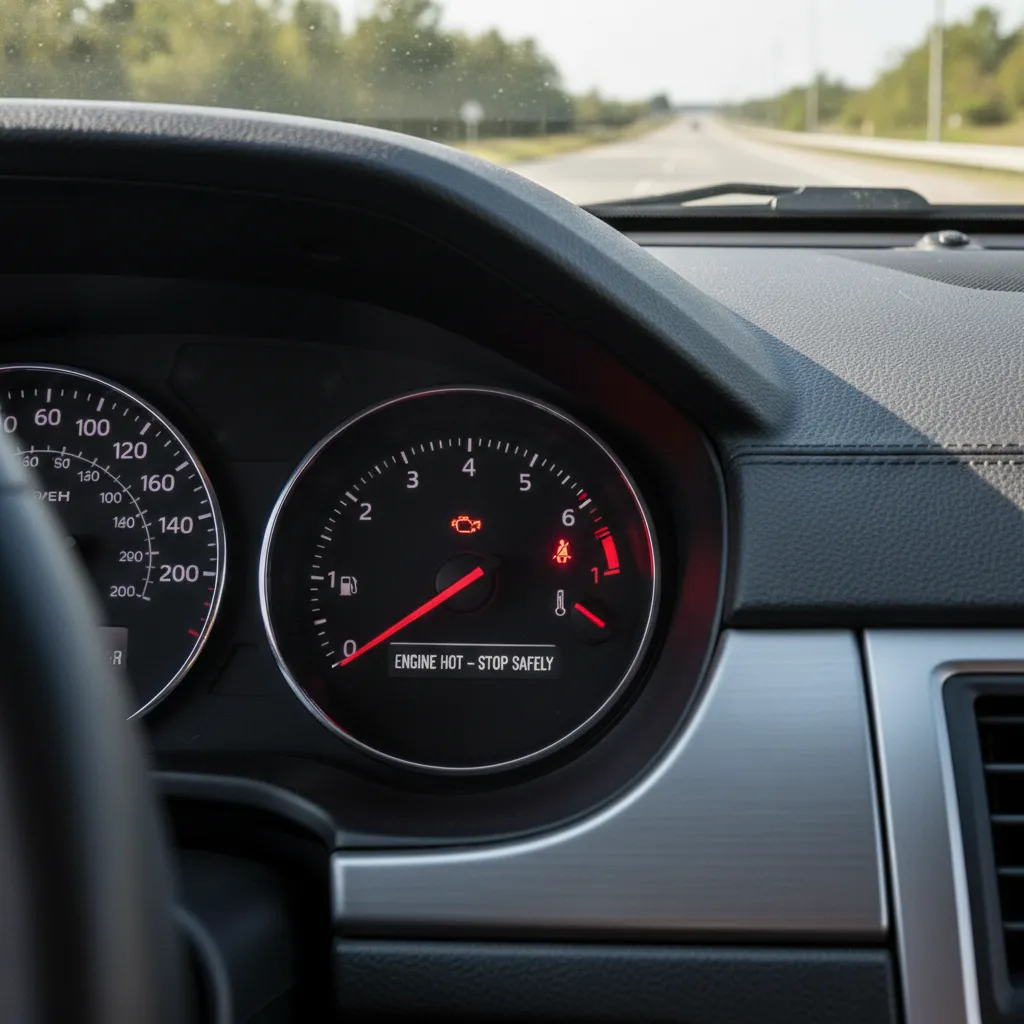
The most obvious indicator of an overheating engine is your dashboard temperature gauge climbing into the red zone or displaying a ‘Hot’ warning. This gauge monitors the temperature of the coolant within your engine. If it consistently rises above the normal operating range, especially during heavy traffic or uphill driving, it’s a clear signal that your engine is struggling to dissipate heat effectively. Never ignore this warning, as it’s the primary way your vehicle communicates a critical temperature issue.
Steam from Under the Hood
Visible steam or smoke emanating from under the bonnet is an unmistakable sign of severe overheating. This usually indicates that the coolant has reached boiling point and is escaping from the system, often through a crack in a hose, a leaky radiator, or a faulty cap. Pull over immediately if you see steam, as the engine is likely at a dangerously high temperature, and continued driving could cause catastrophic damage.
Coolant Leaks
Puddles of brightly coloured liquid (often green, pink, or orange) under your parked car are strong indicators of a coolant leak. These leaks can originate from various points in the cooling system, including hoses, the radiator, the water pump, or the engine block itself. A continuous loss of coolant means there isn’t enough fluid circulating to cool the engine, inevitably leading to overheating. Regular checks for fluid leaks can help catch these problems early.
Warning Lights
Modern vehicles are equipped with sophisticated sensor systems. An illuminated engine temperature warning light or a ‘Check Engine’ light on your dashboard can also signify an overheating issue. While the ‘Check Engine’ light can indicate a multitude of problems, if it appears in conjunction with other overheating symptoms, it’s highly likely related to the cooling system. Always consult your owner’s manual for specific warning light interpretations.
Common Causes of Overheating
Understanding the root causes of engine overheating is key to effective diagnosis and repair. Many issues, while seemingly minor, can quickly escalate into significant problems if not addressed promptly. From simple fluid deficiencies to complex mechanical failures, pinpointing the exact cause requires expert knowledge and diagnostic tools.
Low Coolant Levels
The most straightforward cause of overheating is often insufficient coolant. Coolant (also known as antifreeze) is essential for absorbing heat from the engine and transferring it to the radiator for dissipation. Low levels can result from leaks, evaporation, or simply not topping up the reservoir during regular maintenance. A simple visual check of the coolant reservoir level can prevent many overheating incidents.
Faulty Thermostat
The thermostat acts as a gatekeeper, regulating the flow of coolant between the engine and the radiator. If a thermostat gets stuck in the closed position, it prevents coolant from reaching the radiator to cool down, trapping hot fluid within the engine and causing temperatures to rise rapidly. Conversely, a thermostat stuck open can lead to the engine running too cool, which is also undesirable for efficiency and engine wear.
Radiator Problems
The radiator is the primary heat exchanger in your cooling system. It contains numerous small fins and tubes that allow air to pass through, cooling the hot coolant. Common radiator problems include blockages (from rust, sediment, or debris), external damage (bent fins reducing airflow), or leaks. A compromised radiator cannot effectively dissipate heat, leading directly to engine overheating. For a deeper understanding of how cooling systems work, you can refer to authoritative automotive resources like Wikipedia’s explanation of internal combustion engine cooling.
Water Pump Failure
The water pump is responsible for circulating coolant throughout the engine and cooling system. A failing water pump, often indicated by leaks, grinding noises, or a loose pulley, will hinder this circulation. Without proper coolant flow, heat cannot be carried away from the engine, making overheating inevitable. Water pump failures are critical and require immediate attention.
Cooling Fan Issues
When your vehicle is stationary or moving at low speeds, there isn’t enough natural airflow through the radiator to cool the coolant. This is where the cooling fan (or fans) comes into play. If the fan motor fails, a fuse blows, or the fan clutch malfunctions, the fan won’t operate, leading to overheating, especially in stop-and-go traffic or idle situations.
Head Gasket Leaks
A blown head gasket is a serious and often expensive cause of overheating. The head gasket seals the combustion chambers and prevents coolant and oil from mixing or escaping. A breach in this gasket can allow hot combustion gases to enter the cooling system, pressurising it and causing the engine to overheat. It can also lead to coolant entering the combustion chambers or mixing with oil, causing further damage.
Mobile Radiator & Cooling System Diagnostics
When your engine overheats in Auckland, getting your vehicle to a workshop can be a major hassle, or even impossible if it’s unsafe to drive. This is where a mobile mechanic excels. Offering comprehensive on-site diagnostics, we bring the workshop to you, providing convenience and rapid assessment right at your location.
On-Site Inspection & Pressure Testing
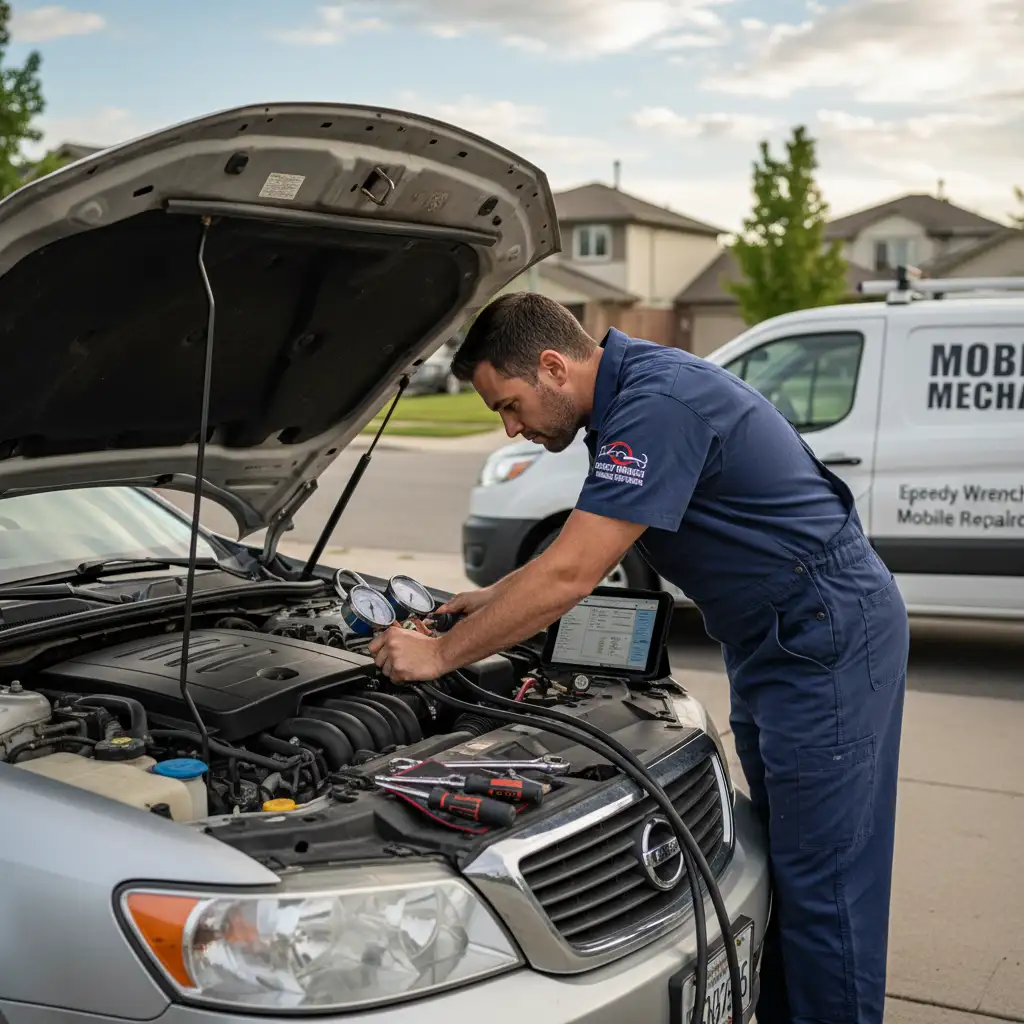
Our mobile mechanics are equipped to perform thorough visual inspections of your entire cooling system wherever your vehicle is located. We’ll check for visible leaks, examine hoses, belts, the radiator, and the coolant reservoir for any signs of damage or wear. Crucially, we conduct pressure testing, which involves pressurizing the cooling system to simulate operating conditions and quickly identify even the smallest, hidden leaks that might not be apparent under normal circumstances. This method is highly effective for pinpointing breaches in hoses, radiator cores, and fittings.
Advanced Diagnostic Tools
Beyond visual checks, we utilise state-of-the-art diagnostic tools to get a complete picture of your cooling system’s health. This includes specialized scanners to read engine fault codes (DTCs) related to temperature sensors and cooling system performance. We can also test the thermostat’s functionality, assess the water pump’s efficiency, and check the cooling fan’s operation, ensuring no potential cause for overheating is overlooked. Our diagnostic process is designed to be comprehensive and accurate.
Identifying the Root Cause
The goal of our mobile diagnostics is not just to find a symptom but to identify the precise root cause of the overheating. Is it a clogged radiator, a failing water pump, a stuck thermostat, or perhaps a more complex issue like a head gasket? Our experienced technicians in Auckland have the expertise to accurately pinpoint the problem, ensuring that any subsequent repairs are targeted and effective, saving you time and money by avoiding unnecessary work.
On-Site Repair to Prevent Engine Damage
Once the cause of your engine’s overheating has been accurately diagnosed by our mobile mechanic in Auckland, we are typically able to perform the necessary repairs right there on the spot. Our fully equipped service vehicles carry a wide range of common parts and tools, allowing for immediate intervention and preventing further, more severe engine damage.
Radiator Repair & Replacement
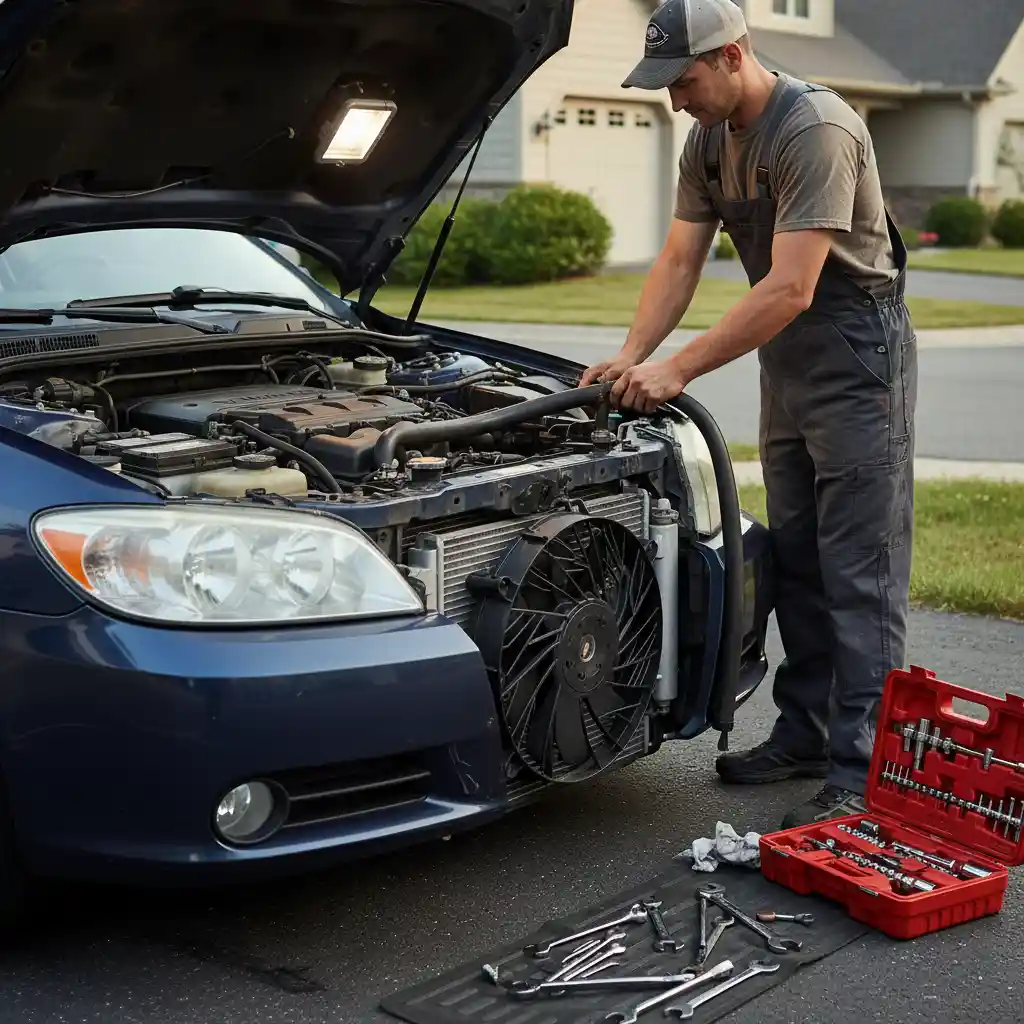
If your radiator is leaking, clogged, or damaged, we can often perform minor repairs or, if necessary, replace it entirely on-site. Radiator replacement involves safely draining the old coolant, removing the faulty radiator, installing a new one, and then refilling and bleeding the system with fresh coolant. This ensures optimal heat dissipation and restores the cooling system’s efficiency.
Thermostat & Water Pump Services
A faulty thermostat or a failing water pump are common culprits behind overheating. Our mobile mechanics can efficiently replace these critical components at your location. Replacing a thermostat involves accessing its housing, fitting the new part, and ensuring proper sealing. Water pump replacement is a more involved process but is routinely handled by our skilled technicians, ensuring correct installation and belt tensioning.
Hose & Belt Replacement
Cracked, brittle, or leaking hoses can cause significant coolant loss, while a worn or broken serpentine belt (which drives the water pump) can halt coolant circulation altogether. We carry a range of replacement hoses and belts to address these issues promptly. We’ll replace any compromised components, ensuring all connections are secure and the system is leak-free, thus preventing further coolant loss and restoring proper operation. For more information on automotive cooling system components, refer to reputable automotive guides.
Head Gasket Repair
While head gasket repair is a more complex and time-consuming job, our mobile mechanics can often diagnose the issue on-site and provide options for repair, potentially including initial steps to make the vehicle safe for transport to a more extensive workshop if necessary. In some cases, for specific vehicle models and severity of damage, we might be able to facilitate the full repair at a convenient location, aiming to minimise disruption for our Auckland customers.
Why Choose a Mobile Mechanic for Overheating Repairs in Auckland?
When faced with an overheating engine, the last thing you want is the added stress of arranging a tow or driving a potentially damaged vehicle to a workshop. Choosing a mobile mechanic for your engine overheating repair in Auckland offers unparalleled benefits, designed around your convenience and peace of mind.
Convenience & Time Saving
Our primary advantage is bringing the workshop to you. Whether you’re stranded at home, at work, or on the roadside within Auckland, our mobile service eliminates the need for towing and the associated costs and delays. You save valuable time by not having to drop off and pick up your vehicle, allowing you to carry on with your day while we handle the repairs efficiently.
Expert Diagnosis & Repair
Our mobile mechanics are highly trained and experienced in diagnosing and repairing a wide array of engine and cooling system issues. They come equipped with all the necessary tools and diagnostic equipment to accurately identify the problem on the spot. This expertise ensures that the root cause of the overheating is addressed, providing a lasting solution rather than a temporary fix.
Cost-Effectiveness
By avoiding towing fees and often having lower overheads than traditional workshops, a mobile mechanic can frequently offer a more cost-effective solution for engine overheating repairs. We provide transparent pricing and detailed explanations of the work required, so you know exactly what to expect without any hidden surprises.
Emergency Assistance
An overheating engine is often an emergency. Our mobile service is structured to provide rapid response, getting to your location quickly to assess the situation and perform immediate repairs where possible. This prompt assistance can be critical in preventing further damage to your engine, turning a stressful situation into a manageable one.
Preventative Maintenance for Your Cooling System
Preventing engine overheating is always better than reacting to it. Regular and proactive maintenance of your cooling system can significantly extend your vehicle’s lifespan and save you from inconvenient breakdowns and expensive repairs. Incorporating these simple checks into your routine will keep your engine running smoothly and at optimal temperature.
Regular Coolant Checks
Make it a habit to check your coolant level at least once a month, or before any long journey. Ensure the engine is cool before opening the reservoir cap. The coolant level should be between the ‘min’ and ‘max’ marks. If it’s consistently low, there might be a leak that needs investigation. Always use the correct type of coolant specified for your vehicle by the manufacturer.
Flush & Fill Intervals
Coolant doesn’t last forever. Over time, it loses its anti-corrosive properties and can become contaminated, leading to rust and sediment buildup within the cooling system. Follow your vehicle manufacturer’s recommendations for coolant flush and fill intervals, typically every 2-5 years or every 40,000-80,000 kilometres. This service removes old, degraded coolant and replaces it with fresh, protecting your system.
Hose & Belt Inspections
Periodically inspect your radiator and heater hoses for any signs of cracking, bulging, softening, or hardening. These are indicators of wear and potential failure. Also, check the serpentine belt (which drives the water pump) for cracks, fraying, or excessive looseness. Any compromised hoses or belts should be replaced immediately to prevent leaks or loss of coolant circulation.
Addressing Minor Issues Promptly
Don’t ignore small signs like a faint smell of coolant, a slightly fluctuating temperature gauge, or minor drips under your car. Even seemingly insignificant issues can escalate quickly into major problems, especially with the cooling system. Addressing these minor concerns promptly with a professional mobile mechanic in Auckland can prevent a full-blown overheating emergency and save you considerable expense down the line.
Conclusion
Engine overheating is a critical issue that demands immediate attention to safeguard your vehicle’s health. Recognizing the signs, understanding the common causes, and acting swiftly are paramount. For vehicle owners in Auckland, the convenience and expertise of a mobile mechanic offer an ideal solution, providing on-site diagnostics and comprehensive repairs to get your car safely back on the road. Don’t wait for a minor issue to become a major breakdown; proactive maintenance and prompt professional intervention are key to preventing costly engine damage and ensuring your peace of mind.
People Also Ask
What should I do if my engine overheats while driving in Auckland?
If your engine overheats while driving in Auckland, pull over to a safe location immediately, turn off the engine, and let it cool down. Do not open the radiator cap while the engine is hot. Call a mobile mechanic for assistance, as driving with an overheating engine can cause severe, irreversible damage.
How much does radiator repair or replacement typically cost in Auckland?
The cost of radiator repair or replacement in Auckland varies significantly depending on the make and model of your vehicle, whether it’s a repair or full replacement, and the labour involved. Minor repairs might be a few hundred dollars, while a full replacement can range from $500 to over $1500. A mobile mechanic can provide a precise quote after an on-site diagnosis.
Can a mobile mechanic in Auckland replace a water pump or thermostat?
Yes, many experienced mobile mechanics in Auckland are fully equipped to replace water pumps and thermostats on-site. These are common overheating culprits, and a mobile service offers the convenience of having these critical components replaced wherever your vehicle is located, saving you the hassle of a tow.
How often should I check my car’s coolant levels?
It’s recommended to check your car’s coolant levels at least once a month, especially before long trips. Ensure the engine is cool when checking. Consistent low coolant levels can indicate a leak, which should be investigated by a professional mobile mechanic in Auckland.
What are the signs of a blown head gasket causing overheating?
Signs of a blown head gasket causing overheating can include white smoke from the exhaust, milky oil (coolant mixing with oil), persistent coolant loss without a visible external leak, engine misfires, and bubbling in the coolant reservoir. A diagnostic pressure test by a mobile mechanic can confirm a head gasket issue.
Why is my engine overheating when the AC is on?
If your engine overheats primarily when the AC is on, it often points to an issue with the cooling fan or radiator’s capacity. The AC system adds extra heat load, requiring the cooling system to work harder. If the cooling fan isn’t operating correctly or the radiator is partially clogged, it may struggle to dissipate the additional heat, leading to overheating. A mobile mechanic can diagnose this specific issue.