
Engine knocking noise repair in Auckland involves identifying the specific cause of unusual sounds emanating from your engine, such as piston slap, rod knock, or pre-ignition. A professional mobile mechanic can diagnose these critical issues on-site and provide expert repair solutions to restore your vehicle’s performance and safety.
Causes of Engine Knocking
Engine knocking is a highly unsettling sound that no car owner wants to hear. It signifies an underlying mechanical problem that, if left unaddressed, can lead to catastrophic engine failure. Understanding the various causes is the first step towards effective diagnosis and repair. These noises can range from a light tap to a heavy thud, and their characteristics often provide clues about their origin.
Piston Slap and Worn Pistons
Piston slap occurs when a piston rocks or ‘slaps’ against the cylinder wall during its movement. This is typically due to excessive clearance between the piston and cylinder, often a result of wear and tear over time, or sometimes due to manufacturing tolerances in older or specific engine designs. The sound is usually more prominent when the engine is cold and tends to diminish as the engine warms up and components expand. While not always immediately critical, severe piston slap can lead to increased oil consumption, reduced engine efficiency, and eventually, more significant damage if the piston integrity is compromised.
Connecting Rod Knock
Perhaps one of the most feared engine noises is connecting rod knock, often simply referred to as ‘rod knock’. This distinct sound is a deep, metallic knocking or pounding noise that typically increases in frequency and intensity with engine RPM. It originates from excessive clearance in the connecting rod bearings, which link the pistons to the crankshaft. When these bearings wear out, the connecting rod has too much play, causing it to ‘knock’ against the crankshaft journal. Rod knock is almost always a severe issue requiring immediate attention, as it indicates a critical lubrication problem or extreme wear that can lead to the connecting rod breaking through the engine block if ignored.
Detonation (Pre-Ignition/Spark Knock)
Detonation, also known as pre-ignition or spark knock, is a sharp, metallic pinging or rattling sound, especially noticeable under acceleration or heavy load. Unlike mechanical knocks, detonation is a combustion issue. It occurs when pockets of the air-fuel mixture spontaneously ignite before the spark plug fires, or after the spark plug fires but at an incorrect time, creating multiple uncontrolled flame fronts. This results in opposing pressure waves within the cylinder, leading to a knocking sound and extreme pressure spikes. Common causes include using fuel with too low an octane rating, excessive carbon buildup in the combustion chamber, an overly lean air-fuel mixture, or incorrect ignition timing. Severe detonation can rapidly damage pistons, valves, and cylinder heads.
Valvetrain Issues (Lifter Tick, Camshaft Wear)
The valvetrain, responsible for opening and closing the engine’s valves, can also be a source of knocking or ticking noises. Hydraulic lifters, for example, can produce a ‘lifter tick’ if they are starved of oil or are worn out. This sound is usually a lighter, rhythmic tapping noise. Worn camshaft lobes, rocker arms, or pushrods can also contribute to similar noises. While often less severe than rod knock, persistent valvetrain noise indicates lubrication issues or worn components that need attention to prevent further damage and maintain engine performance.
Low Oil Pressure or Contaminated Oil
Engine oil is the lifeblood of your engine, providing lubrication to reduce friction and wear. Low oil pressure can starve critical components like bearings and lifters of lubrication, leading to various knocking or tapping noises. This can be caused by a low oil level, a failing oil pump, a clogged oil filter, or excessively thinned oil. Similarly, contaminated oil (e.g., diluted with fuel or coolant, or excessively dirty) loses its lubricating properties, accelerating wear and increasing the likelihood of knocking sounds. Regular oil changes with the correct viscosity oil are crucial for preventing these issues.
Other Potential Causes (Timing Chain, Fuel Injectors)
While less common, other components can also produce knocking sounds. A loose or worn timing chain or belt can create a rattling or slapping noise, especially at idle or during start-up. Issues with fuel injectors, such as a clogged or malfunctioning injector, can sometimes lead to a ticking or knocking sound as they operate incorrectly. Even exhaust manifold leaks can sometimes be mistaken for internal engine noises. A thorough diagnosis is essential to pinpoint the exact source.
Mobile Diagnostic Process for Engine Knocks in Auckland
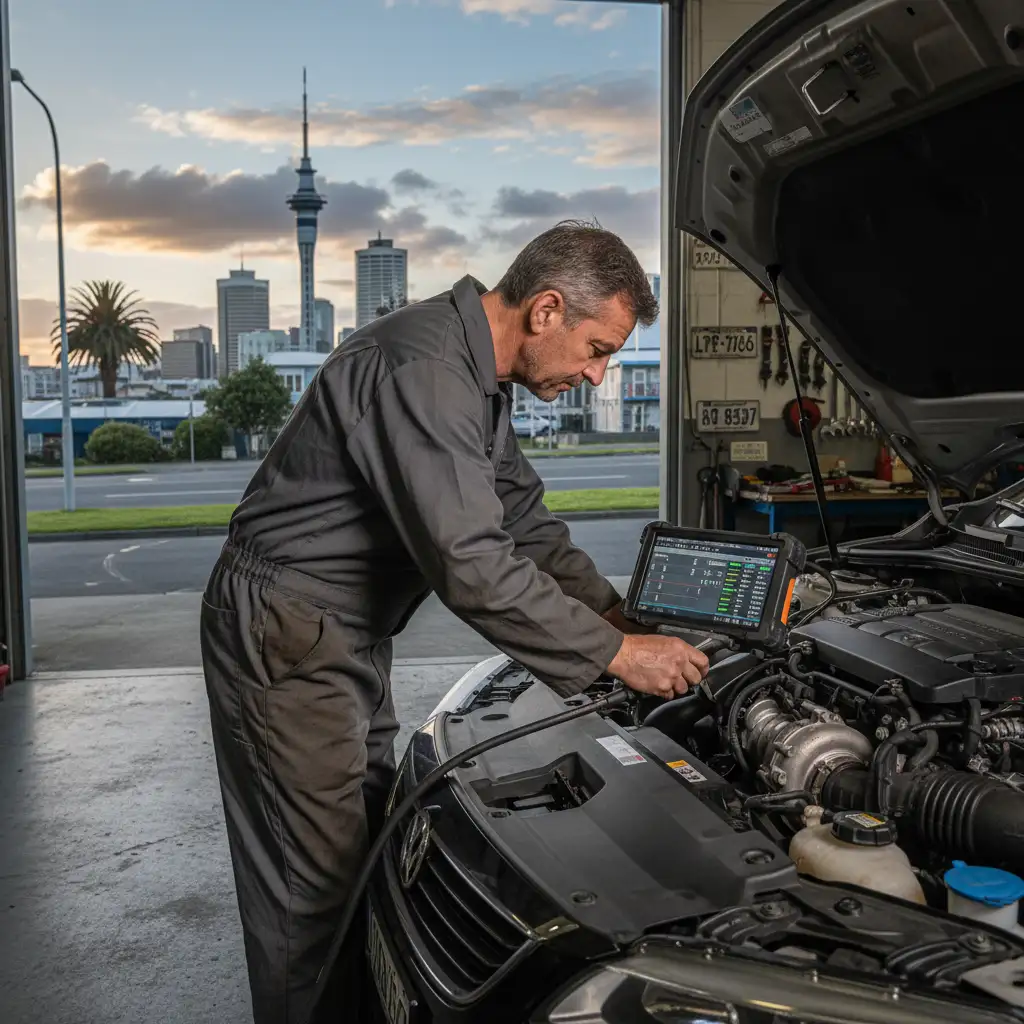
When your engine starts knocking, it’s critical to get it diagnosed promptly. In Auckland, the convenience of a mobile mechanic can be invaluable. Instead of towing your vehicle to a workshop, a skilled technician comes to your location, equipped to perform a comprehensive diagnostic process right there. This not only saves you time and hassle but also allows the mechanic to observe the noise in its natural operating environment.
Initial Assessment and Sound Localization
The diagnostic process typically begins with the mechanic performing an initial assessment. This involves listening carefully to the engine’s sound at various RPMs, both when cold and warm. Using a mechanic’s stethoscope, they can pinpoint the general area from which the knock is emanating – whether it’s coming from the top (valvetrain), middle (pistons/rods), or bottom (crankshaft/oil pump) of the engine. The type of sound (e.g., sharp ping, deep thud, light tick) and its rhythm provide crucial initial clues.
On-Board Diagnostics (OBD-II) Scanning
Modern vehicles are equipped with sophisticated On-Board Diagnostics (OBD-II) systems that monitor engine performance. The mobile mechanic will connect a specialized scanner to your vehicle’s OBD-II port to retrieve any stored diagnostic trouble codes (DTCs). While not every engine knock will trigger a specific code, some issues like misfires, lean fuel conditions, or ignition timing problems can be flagged, providing valuable insights that can contribute to detonation or other knocking sounds.
Mechanical Inspections (Stethoscope, Visual Checks)
Beyond listening, a hands-on mechanical inspection is vital. This includes a more detailed use of the stethoscope to isolate the noise to a specific cylinder or component. The mechanic will also perform visual checks for external signs of trouble, such as oil leaks, damaged belts, loose pulleys, or visible signs of wear or damage around the engine bay. They might also check spark plugs for signs of detonation or oil fouling, and inspect the condition of engine mounts.
Oil Analysis and Pressure Testing
Given that many knocking sounds are linked to lubrication issues, checking the engine oil is a critical step. The mechanic will assess the oil level and its condition (colour, odour, presence of metal particles). In some cases, an oil pressure test might be performed to determine if the oil pump is functioning correctly and if adequate oil pressure is reaching all parts of the engine. Low oil pressure is a direct indicator of potential bearing wear or a faulty oil pump, both of which can cause knocking.
Compression and Leak-Down Tests
To assess the internal health of the engine’s cylinders, compression and leak-down tests are often performed. A compression test measures the pressure generated by each cylinder, indicating issues like worn piston rings, damaged valves, or head gasket leaks. A leak-down test provides a more precise diagnosis by measuring how much air escapes a cylinder and where it’s escaping from, helping to identify specific faults with pistons, rings, or valves that could contribute to knocking or loss of power. These tests are particularly useful for diagnosing piston slap or issues related to combustion.
For further reading on how engines work, a helpful resource is Wikipedia’s page on internal combustion engines, which provides foundational knowledge on engine components and their functions.
Repair Options & Cost Estimates for Engine Knocking in Auckland
Once the mobile mechanic has accurately diagnosed the source of the engine knocking, they can outline the appropriate repair options. The severity and nature of the knock will dictate the required work, ranging from relatively simple fixes to extensive engine overhauls. Understanding the potential costs involved is crucial, especially in a market like Auckland where labour rates and parts prices can vary.
Minor Repairs (Oil Change, Additives, Spark Plugs)
If the knocking is diagnosed as pre-ignition/detonation due to low octane fuel or carbon buildup, or a minor valvetrain tick due to insufficient lubrication, the repair might be relatively minor. This could involve an oil and filter change with the correct viscosity oil, adding fuel system cleaners or oil additives, replacing spark plugs, or adjusting ignition timing. These are typically the least expensive repairs, often resolved on the spot by a mobile mechanic, costing anywhere from NZD $100 – $400, depending on parts and labour.
Moderate Repairs (Valvetrain Components, Sensors)
For issues like worn hydraulic lifters, rocker arms, or a faulty sensor causing incorrect fuel mixtures or timing, the repairs become more involved. This might entail replacing specific valvetrain components, repairing or replacing oxygen sensors, knock sensors, or mass airflow sensors. These repairs require more labour and specific parts, pushing costs into the NZD $400 – $1500 range, depending on the number of components and engine accessibility. A skilled mobile mechanic in Auckland can often perform these repairs at your home or workplace, saving on towing fees.
Major Repairs (Rod Bearings, Piston Replacement, Engine Rebuild/Replacement)
Unfortunately, some knocks indicate severe internal damage, such as worn connecting rod bearings, damaged pistons, or a compromised crankshaft. These issues necessitate major engine work, which can range from opening the engine to replace specific components (e.g., rod bearings, pistons, cylinder liners) to a full engine rebuild or even an engine replacement. These are the most expensive options:
- Rod Bearing Replacement: Can cost NZD $1,500 – $4,000+, as it often requires dropping the oil pan and accessing the crankshaft, a significant labour undertaking.
- Piston Replacement: If pistons are worn or damaged, this could involve engine disassembly, making it a costly repair, potentially in the NZD $3,000 – $7,000+ range.
- Engine Rebuild: A complete rebuild, where the engine is removed, disassembled, machined, and reassembled with new components, can cost anywhere from NZD $5,000 to $10,000+.
- Engine Replacement: In cases of catastrophic failure, a used or reconditioned engine might be installed. This is often the most expensive option, potentially ranging from NZD $6,000 to NZD $12,000+ for parts and labour, depending on the engine type and availability in Auckland.
Understanding Cost Factors in Auckland
Several factors influence the final cost of engine knock repair in Auckland:
- Vehicle Make and Model: European luxury cars often have higher parts and labour costs than common Japanese or Korean models.
- Parts Availability: Sourcing specific parts can impact both cost and repair time.
- Labour Rates: While mobile mechanics often offer competitive rates, complex engine work requires significant skilled labour.
- Extent of Damage: Early diagnosis can often prevent minor issues from escalating into major, costly repairs.
Preventative Measures for Engine Health
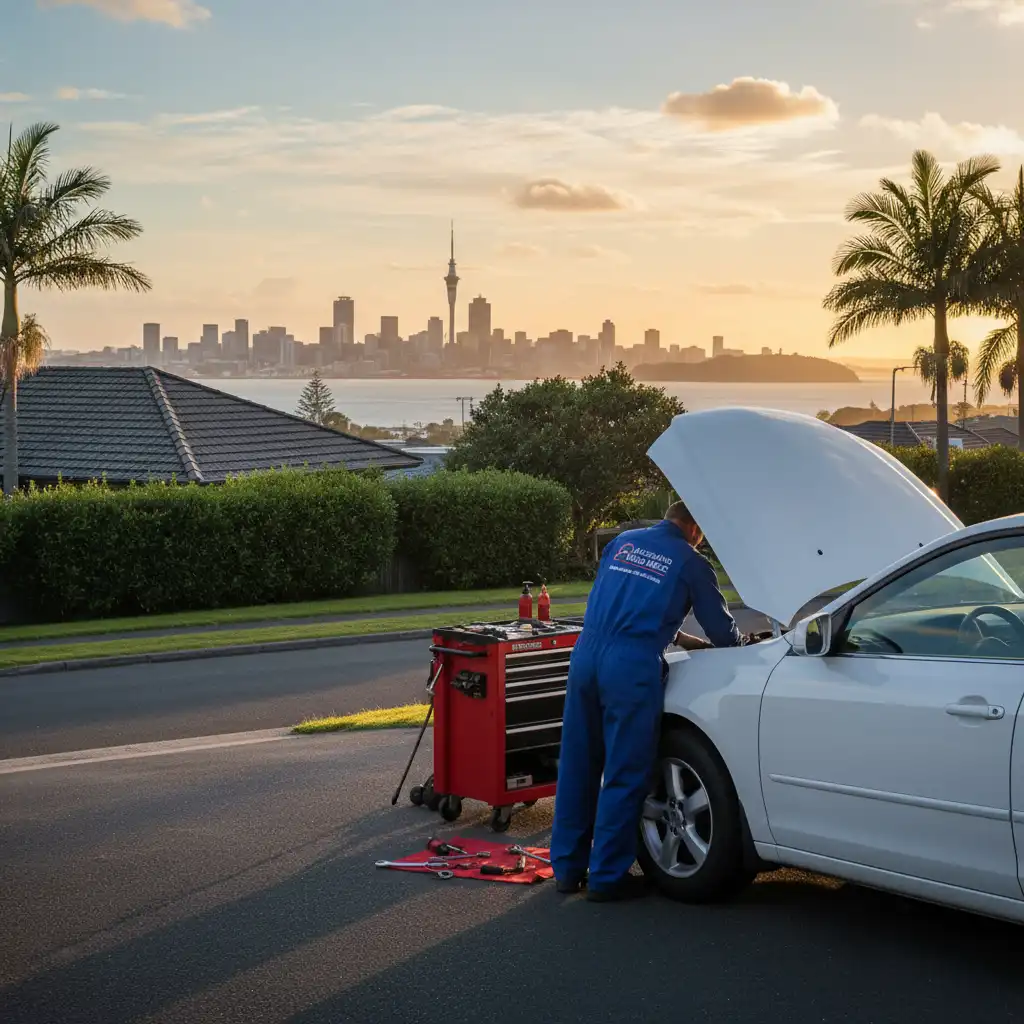
Preventing engine knocking and other serious engine issues is far more cost-effective and less stressful than dealing with major repairs. Adhering to a robust preventative maintenance schedule is key to extending the life of your engine and maintaining its optimal performance. A proactive approach ensures your vehicle runs smoothly on Auckland’s roads.
Regular Oil Changes with Quality Oil
This is arguably the most critical preventative measure. Engine oil lubricates moving parts, dissipates heat, and cleans the engine. Over time, oil degrades and becomes contaminated, losing its effectiveness. Follow your vehicle manufacturer’s recommended oil change intervals and always use the specified oil type and viscosity. High-quality synthetic oils often provide superior protection and can sometimes extend change intervals, but always consult your car’s manual. Regular oil analysis can even help detect early signs of wear by identifying metal particles in the oil.
Maintaining Proper Coolant Levels
The cooling system prevents the engine from overheating, which can lead to detonation and severe mechanical stress. Regularly check your coolant level and ensure it’s topped up with the correct type of coolant for your vehicle. Overheating can warp engine components, cause head gasket failure, and contribute to pre-ignition issues. Have your cooling system flushed and refilled periodically as per manufacturer recommendations to maintain its efficiency.
Using Recommended Fuel Octane
Always use the octane rating recommended by your vehicle manufacturer. Using a lower octane fuel than specified, especially in high-compression or turbocharged engines, can lead to severe detonation (spark knock) and potentially permanent engine damage. Higher octane fuels are more resistant to premature ignition, providing the necessary stability for demanding engine designs. If your car specifies premium fuel, using regular will likely result in your engine’s knock sensor retarding timing, which reduces power and efficiency.
You can learn more about fuel octane ratings and their impact on engine performance through resources like reputable automotive journals or technical automotive sites, such as those that delve into engine combustion dynamics.
Timely Maintenance and Inspections
Adhere to your vehicle’s overall service schedule, which includes checking and replacing air filters, fuel filters, spark plugs, and timing belts/chains when due. These components play a vital role in engine health. A clogged air filter restricts airflow, leading to a rich mixture. Worn spark plugs can cause misfires and inefficient combustion. A failing timing chain or belt can throw off engine timing, leading to serious internal damage. Regular comprehensive inspections by a qualified mobile mechanic in Auckland can catch small issues before they become major problems, providing peace of mind and saving money in the long run.
Listening for Early Warning Signs
Become familiar with the normal sounds of your engine. Any new or unusual noises, smells, or changes in performance should be investigated promptly. Don’t ignore a faint tick or a subtle rumble. The sooner an issue is identified, the less severe and costly the repair is likely to be. If you suspect an engine knock, even a minor one, contact a professional mobile mechanic in Auckland immediately for an accurate diagnosis.
People Also Ask
How serious is engine knocking noise?
Engine knocking noise can range from a minor issue (like mild pre-ignition) to a very serious problem (like rod knock) that indicates severe internal damage. It should always be diagnosed promptly by a professional mechanic, as delaying can lead to catastrophic engine failure and extremely costly repairs.
Can I drive my car with an engine knocking?
Driving with an engine knocking noise is highly discouraged. Depending on the cause, it can rapidly worsen and cause irreparable damage to critical engine components. It’s best to stop driving immediately and arrange for a professional mobile mechanic to diagnose the issue on-site.
What does it sound like when an engine is knocking?
Engine knocking can sound like a metallic pinging, rattling, tapping, or a deep thud. The specific sound and its rhythm often depend on the cause. For example, rod knock is often a deep, rhythmic thud that increases with RPM, while pre-ignition might be a sharper pinging.
How much does it cost to fix engine knocking in Auckland?
The cost to fix engine knocking in Auckland varies significantly based on the diagnosis. Minor fixes like an oil change or spark plug replacement might be NZD $100-$400, while moderate repairs (e.g., lifters) could be NZD $400-$1500. Major issues like rod bearing replacement or an engine rebuild can range from NZD $1,500 to over NZD $10,000.
Can low oil cause engine knocking?
Yes, low engine oil levels or old, contaminated oil can absolutely cause engine knocking. Insufficient lubrication leads to increased friction and wear on crucial components like bearings and lifters, which can then produce knocking or tapping sounds. Regular oil changes are vital for prevention.
What is the difference between engine knocking and ticking?
Engine knocking is generally a heavier, more impactful sound, often indicating significant internal issues like rod knock or piston slap. Ticking, while also a concern, is typically a lighter, more rhythmic sound often associated with valvetrain components like hydraulic lifters or injectors, which may or may not be as severe as a deep knock.