
Engine diagnostics Auckland services involve utilizing advanced OBD-II scanning technology and professional mechanical expertise to interface with your vehicle’s Engine Control Unit (ECU). This process identifies specific fault codes, interprets live data streams, and pinpoints the root cause of warning lights or performance issues, allowing mobile mechanics to repair the problem on-site without requiring a tow.
What Are Professional Engine Diagnostics?
Modern vehicles are more computer than car. Under the hood, a complex network of sensors, actuators, and processors constantly monitors the health of your engine. At the center of this network is the Engine Control Unit (ECU), a computer that acts as the brain of your vehicle. When a sensor detects a reading that falls outside of the manufacturer’s acceptable parameters, the ECU triggers a warning light and stores a trouble code.
Professional engine diagnostics go far beyond simply plugging in a cheap code reader. While a basic scanner might tell you that an oxygen sensor has failed, it will not tell you why it failed. It could be a wiring issue, a vacuum leak upstream, or a software glitch. A true diagnostic service in Auckland involves a comprehensive analysis of the vehicle’s live data, testing individual components, and using years of mechanical experience to interpret the digital information provided by the car’s computer.
For Auckland drivers dealing with the unique stresses of stop-start motorway traffic and varying terrain, ensuring your engine is communicating correctly is vital for fuel efficiency and longevity. Ignoring these early warning signs often leads to catastrophic mechanical failure and significantly higher repair bills down the road.
Decoding the Check Engine Light
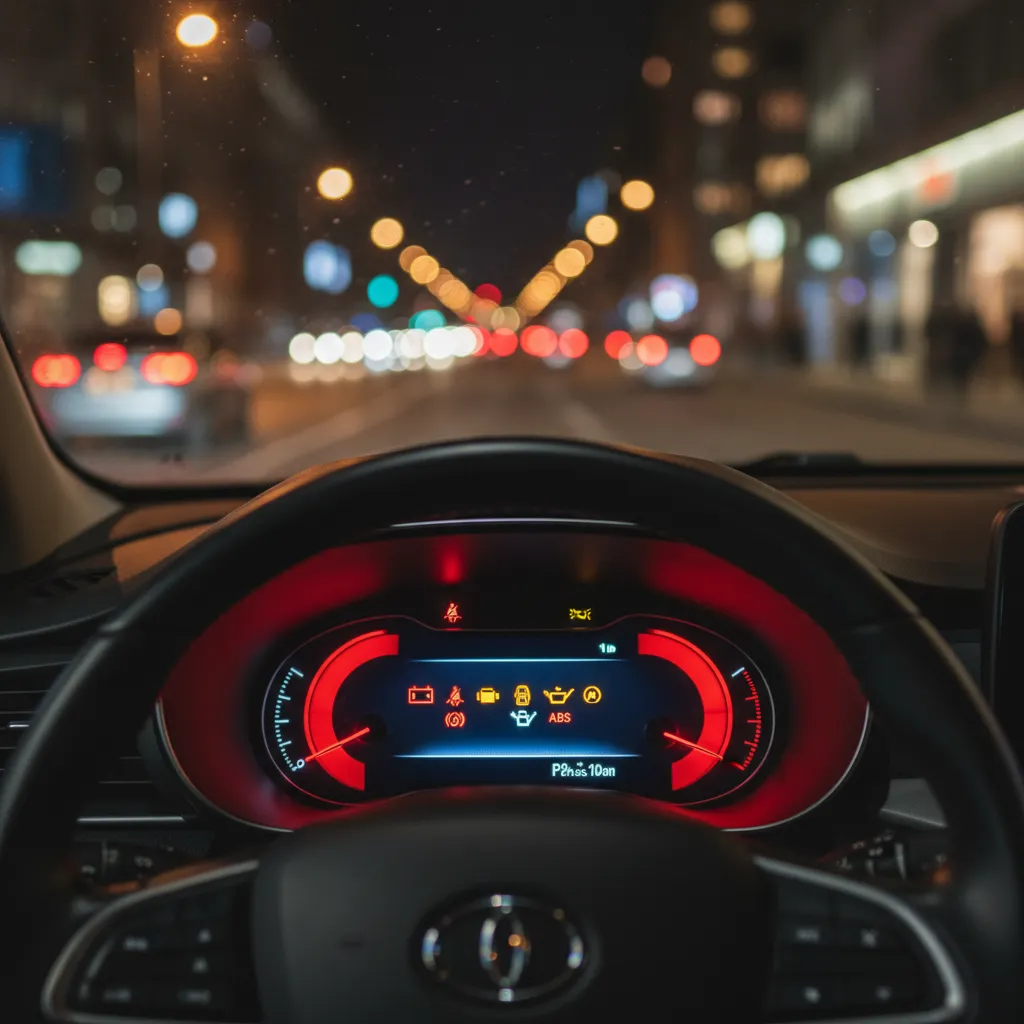
The most common reason Aucklanders seek out diagnostic services is the appearance of the dreaded Check Engine Light (CEL). This amber or orange icon on your dashboard is the ECU’s primary way of communicating distress. However, not all warnings are created equal, and understanding the behavior of this light can help you determine the urgency of the situation.
Solid vs. Flashing Lights
If the check engine light is illuminated and solid, it generally indicates a non-critical fault. The vehicle is likely safe to drive for a short distance, but you should schedule an engine diagnostic appointment as soon as possible. Continuing to drive indefinitely with a solid light can damage emission components, specifically the catalytic converter.
If the check engine light is flashing, this indicates a severe issue, usually an engine misfire that is actively dumping raw fuel into the exhaust system. This can overheat the catalytic converter to the point of failure within minutes. If your light is flashing, you must pull over safely and turn off the engine immediately. In this scenario, a mobile mechanic is your best option, as driving the vehicle to a workshop could cause thousands of dollars in collateral damage.
Other Warning Indicators
While the CEL is the most prominent, diagnostics also cover other warning systems, including:
- ABS/Traction Control Lights: Indicating failures in wheel speed sensors or the braking module.
- Airbag (SRS) Lights: Signaling a fault in the safety restraint system, often due to seat sensors or clock springs.
- Temperature Warnings: Often linked to thermostat or coolant sensor failures.
Common Engine Fault Codes Explained
When we perform engine diagnostics in Auckland, we encounter a wide variety of trouble codes. These alphanumeric codes (standardized as OBD-II codes) point us in the general direction of the fault. According to Wikipedia’s overview of On-Board Diagnostics, these standards have been mandatory for decades, ensuring a universal language for mechanics.
Here are some of the most frequent faults we diagnose in the Auckland region:
P0300 – Random/Multiple Cylinder Misfire
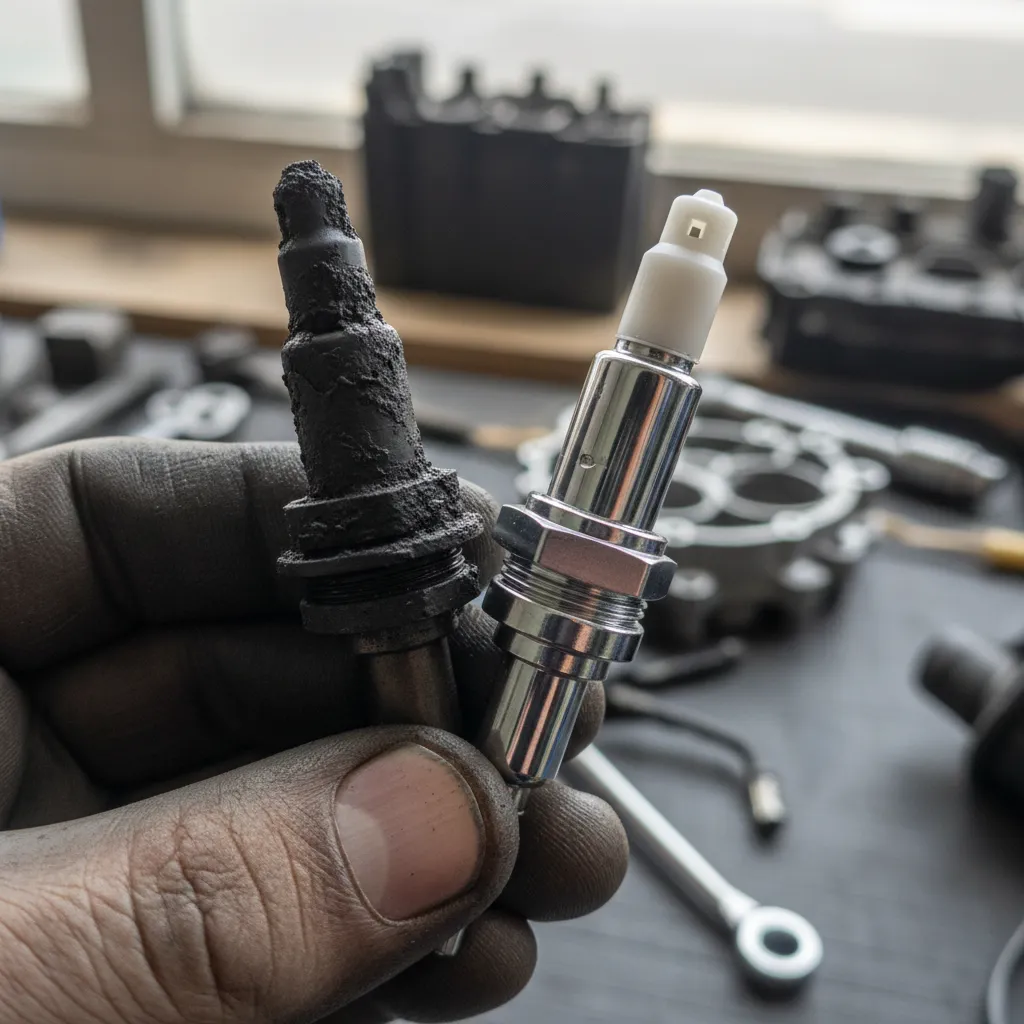
A misfire occurs when the fuel-air mixture in the cylinder does not ignite correctly. This causes the engine to run roughly, shake, and lose power. In Auckland’s humid climate, this is often caused by worn spark plugs, failed ignition coils, or moisture ingress in the ignition system.
P0420 – Catalyst System Efficiency Below Threshold
This code suggests that the catalytic converter is not functioning efficiently. However, before condemning an expensive converter, a diagnostic expert will check the downstream oxygen sensors. Often, a lazy or failed sensor provides false data to the ECU, mimicking a bad converter.
P0171 – System Too Lean (Bank 1)
A “lean” condition means the engine is receiving too much air or not enough fuel. This is a common issue often caused by a vacuum leak (cracked hoses are common in older vehicles) or a dirty Mass Air Flow (MAF) sensor. Given the stop-and-go nature of Auckland traffic, carbon buildup on MAF sensors is a frequent culprit.
P0401 – Exhaust Gas Recirculation (EGR) Flow Insufficient
The EGR system recirculates exhaust gases to lower engine temperature and reduce emissions. Over time, carbon deposits can block the EGR valve passages, triggering this code. This is particularly common in diesel vehicles used for short trips around the city suburbs.
The Mobile Diagnostic Process: How It Works
Choosing a mobile mechanic for your engine diagnostics offers a distinct workflow designed for transparency and convenience. Unlike dropping your car at a workshop and waiting for a phone call, the mobile process happens right in front of you.
Step 1: The Interview
The process begins with the mechanic asking you about the symptoms. When did the light come on? Does the car shudder at idle? Is fuel consumption higher than normal? Your observations are just as valuable as the computer data.
Step 2: The Scan and Data Retrieval
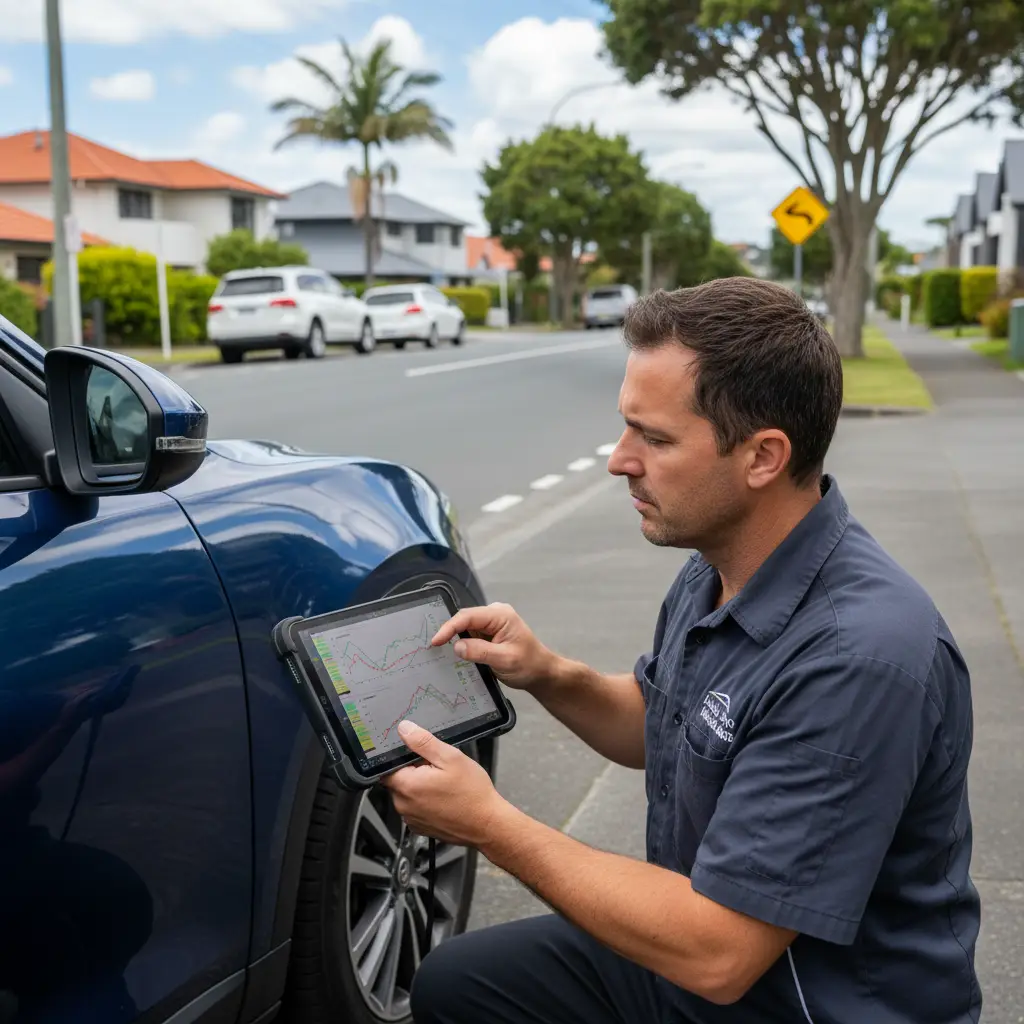
Using a professional-grade scanner (such as Snap-on, Autel, or G-Scan), the mechanic connects to the OBD-II port. We retrieve not just the current fault codes, but also “freeze frame” data. This data tells us exactly what the engine was doing (RPM, temperature, speed) at the precise moment the fault occurred.
Step 3: Live Data Analysis
This is where expertise shines. The mechanic watches live data streams while the engine is running. We look at fuel trim levels, oxygen sensor voltage switching, and intake air temperatures. If a temperature sensor reads -40°C on a sunny Auckland day, we know immediately that the sensor or circuit is open.
Step 4: Physical Inspection and Testing
A computer can’t see a broken wire or a vacuum leak. Based on the data, the mechanic performs a visual inspection and may use tools like a multimeter, smoke machine (for vacuum leaks), or fuel pressure gauge to verify the failure physically.
Why Auckland Drivers Choose Mobile Diagnostics
The landscape of vehicle maintenance in Auckland is shifting. The traditional model of taking a morning off work to drop a car at a garage is becoming less feasible for busy professionals and families. Mobile engine diagnostics offer several key advantages specifically suited to the region.
Avoiding Towing Costs: If your vehicle is in “limp mode” or has a flashing check engine light, driving it across the Harbour Bridge or down the Southern Motorway is dangerous and damaging. A mobile mechanic comes to you, eliminating the need for an expensive tow truck.
Transparency: You can watch the diagnostic process. The mechanic can show you the live data on the screen and explain exactly what is happening in real-time. This builds trust and ensures you aren’t paying for parts you don’t need.
Convenience: Whether you are in Albany, Henderson, or Manukau, having the service performed in your driveway or office car park saves hours of logistical headaches. You can continue working or relaxing at home while the diagnosis is completed.
Preventing Major Engine Issues
Diagnostics are not just for when things break; they are a crucial part of preventative maintenance. Identifying a minor issue before it triggers a check engine light can save thousands of dollars.
Regular Sensor Cleaning
Components like the Mass Air Flow sensor and throttle body accumulate carbon and grime over time. Periodic cleaning during a service can prevent rough idling and lean codes (P0171) from ever appearing.
Battery Health Checks
Modern ECUs are extremely sensitive to voltage fluctuations. A weak battery can cause a cascade of false fault codes, leading to misdiagnosis. Ensuring your battery and alternator are in top condition is the first step in maintaining a healthy electronic system.
Timely Fluid Changes
Old oil can clog Variable Valve Timing (VVT) solenoids, triggering complex engine timing codes. Adhering to strict oil change intervals is the single best way to prevent mechanical engine faults.
For more information on vehicle safety standards and roadworthiness in New Zealand, you can refer to the NZ Transport Agency (Waka Kotahi) guidelines on vehicle maintenance.
Frequently Asked Questions
How much does an engine diagnostic cost in Auckland?
The cost for a professional engine diagnostic in Auckland typically ranges between $80 and $150 NZD. This fee covers the mechanic’s time, the use of advanced scanning equipment, and the expertise required to interpret the data. Mobile services may include a call-out fee depending on your location.
Can I drive my car with the check engine light on?
If the light is solid (not flashing), you can usually drive the vehicle for a short period, but you should book a diagnostic immediately. If the light is flashing, you must stop driving immediately to prevent severe engine and catalytic converter damage.
How long does a car diagnostic test take?
A standard diagnostic scan and analysis usually takes between 30 minutes to an hour. However, if the issue involves complex wiring faults or intermittent electrical problems, physically tracing the root cause can take significantly longer.
Will a diagnostic test fix my car?
No, a diagnostic test does not fix the car; it identifies the problem. Once the fault is pinpointed, the mechanic will provide a quote for the necessary repairs, parts, and labor required to resolve the issue.
Do mobile mechanics have the same diagnostic tools as workshops?
Yes, reputable mobile mechanics in Auckland carry professional-grade diagnostic tablets (such as Snap-on or Autel) that offer the same, if not better, capabilities as the stationary units found in traditional workshops.
What is the difference between a code reader and a diagnostic scan?
A simple code reader only displays the alphanumeric error code (e.g., P0300). A professional diagnostic scan reads live data streams, freeze-frame data, and allows for bi-directional testing of components to determine exactly why the code was triggered.