
Roadside assistance Auckland refers to professional emergency breakdown services provided to motorists across the greater Auckland region, encompassing everything from mobile mechanical repairs and battery jump-starts to flat tyre changes and emergency towing. These services are essential for ensuring driver safety and vehicle recovery, operating 24/7 to assist vehicles stranded on motorways, urban streets, or residential driveways.
Understanding Roadside Assistance in Auckland
Driving in New Zealand’s largest city presents unique challenges. From the gridlock of the Southern Motorway to the winding roads of the Waitakere Ranges, a vehicle breakdown can happen anywhere, at any time. Roadside assistance in Auckland is more than just a tow truck service; it is a comprehensive safety net designed to get you moving again with minimal disruption to your day.
Modern roadside assistance has evolved significantly. Historically, a breakdown meant waiting hours for a tow truck to haul your vehicle to a garage that might not open until the next morning. Today, the market niche of the Auckland mobile mechanic has revolutionized this process. The primary goal is no longer just recovery, but rapid mobilization. Providers are equipped with diagnostic tools, spare parts, and the expertise to perform complex repairs on the side of the road, saving motorists time and money.
Whether you are a daily commuter crossing the Harbour Bridge or a commercial fleet operator, understanding the scope of available services is crucial. It ensures that when the unexpected occurs, you know exactly who to call and what to expect.
Common Breakdown Scenarios Facing Auckland Drivers
Vehicles fail for a multitude of reasons, but in a city with Auckland’s specific climate and traffic conditions, certain issues are more prevalent than others. Recognizing these scenarios can help you communicate effectively with your roadside assistance provider.
1. Battery Failures
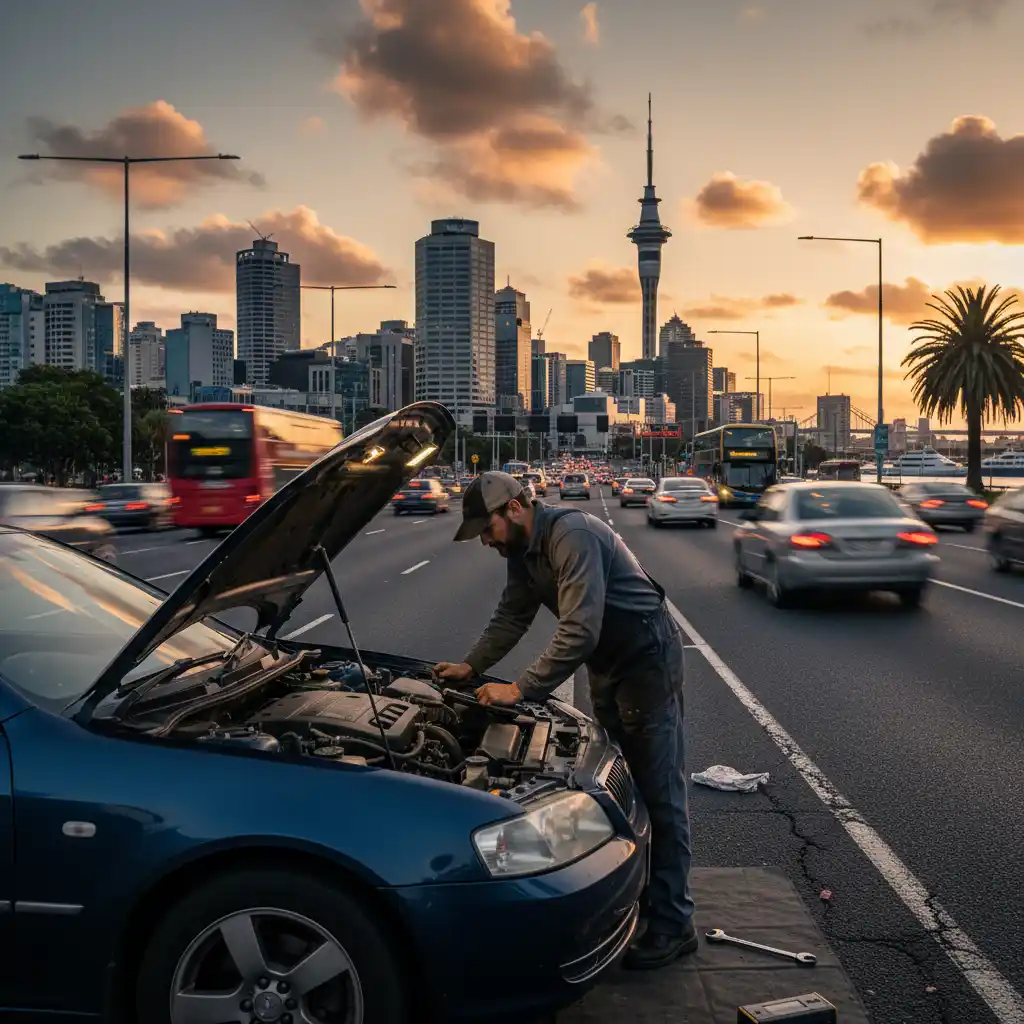
The most frequent cause of calls to roadside assistance Auckland wide is a flat or dead battery. This is particularly common during the colder winter months when low temperatures affect battery chemistry, or simply due to human error, such as leaving headlights on. A professional service doesn’t just jump-start the car; they will test the battery’s health and the alternator’s charging rate to ensure the problem doesn’t recur immediately.
2. Tyre Issues
Potholes, road debris, and curb impacts often lead to flat tyres or wheel damage. While many drivers know how to change a tyre, doing so on the shoulder of a busy motorway like SH1 is incredibly dangerous. Roadside technicians provide a safe buffer and use high-grade jacks to change the tyre quickly, or repair punctures on-site if the damage is within repairable limits.
3. Lockouts and Lost Keys
Locking keys inside the vehicle is a frustratingly common occurrence. Modern vehicles with complex electronic locking systems require specialized tools to gain entry without damaging the weather stripping, window glass, or central locking mechanism. Expert providers carry lockout kits specifically designed for various makes and models.
4. Fuel Delivery
Running out of fuel in Auckland traffic is a nightmare scenario. Whether you have misjudged the distance to the next petrol station or accidentally filled a diesel vehicle with petrol (misfuelling), roadside assistance teams can deliver emergency fuel or perform a roadside fuel drain to prevent engine damage.
5. Overheating and Cooling System Failure
Auckland’s stop-start traffic puts immense strain on cooling systems. Burst radiator hoses, failed water pumps, or low coolant levels can cause an engine to overheat rapidly. Mobile mechanics can often replace hoses or top up fluids to get the vehicle to a safe location for further repair.
The Mobile Mechanic Advantage: On-Site Repairs
The distinction between a standard tow truck operator and a qualified mobile mechanic is significant. When searching for “roadside assistance Auckland,” prioritizing providers who employ certified mechanics can make the difference between driving home and riding in the cab of a tow truck.
Diagnostic Capabilities:
Modern cars are computers on wheels. A mobile mechanic van is essentially a workshop on wheels, equipped with OBD2 scanners that interface with your car’s Engine Control Unit (ECU). This allows the technician to read error codes immediately, diagnosing issues like sensor failures, ignition coil problems, or fuel system errors right on the roadside.
Common On-Site Fixes:
Many breakdowns that seem catastrophic are actually minor repairs. A snapped serpentine belt, a blown fuse, or a loose battery terminal can render a car immovable. A mobile mechanic carries a stock of common parts—belts, fuses, bulbs, and fluids—allowing them to fix these issues instantly. This approach aligns with the commercial intent of minimizing downtime, especially for business vehicles.
Cost-Effectiveness:
Opting for a mobile repair often eliminates the cost of towing and the subsequent markup of a physical garage. You pay for the call-out and the labour, avoiding the premium of emergency workshop rates or overnight storage fees.
Towing Options: When On-Site Repair Isn’t Enough
Despite the best efforts of a mobile mechanic, some mechanical failures are too severe to be rectified on the roadside. In cases of transmission failure, snapped timing belts, or major collision damage, towing becomes the necessary solution.
Flatbed vs. Wheel-Lift Towing
When requesting roadside assistance in Auckland, the type of tow truck matters.
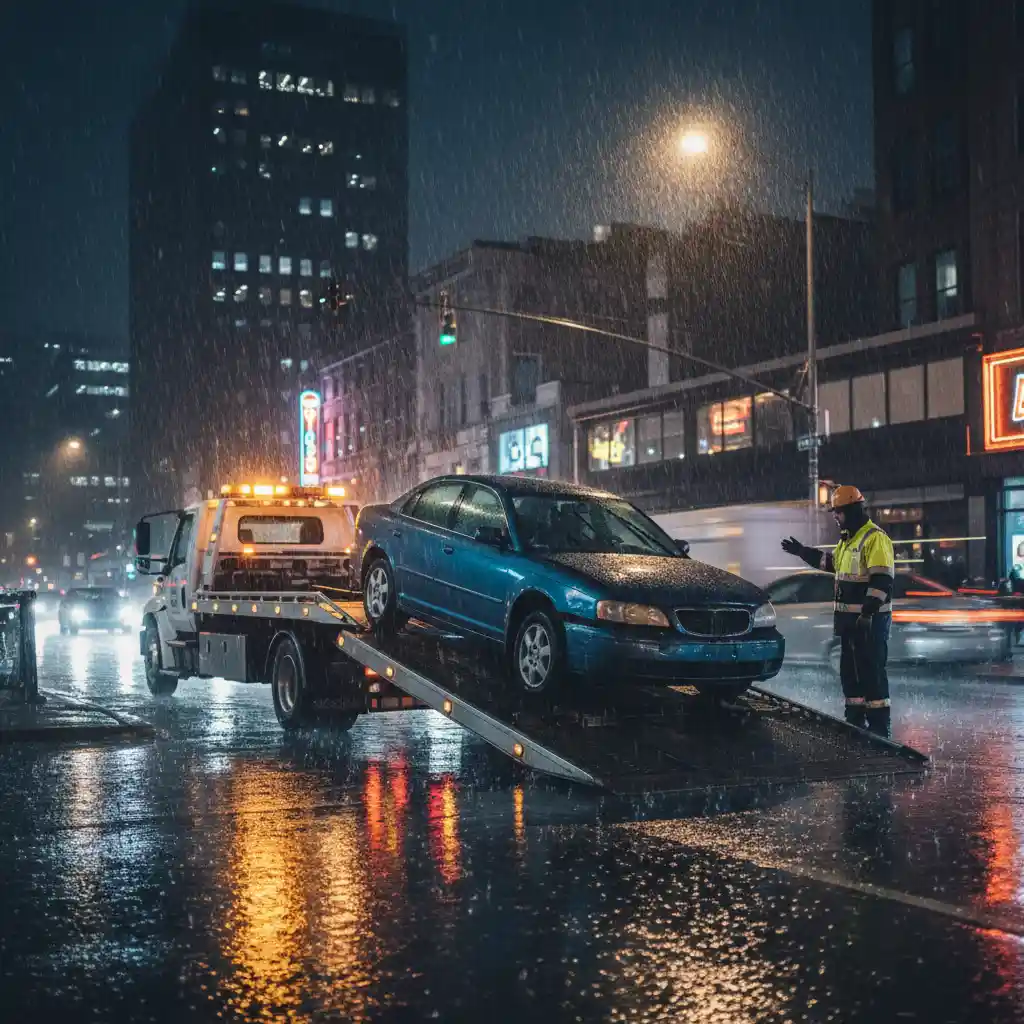
Flatbed Towing: This is the safest method for most vehicles, particularly those with All-Wheel Drive (AWD) or 4WD systems. The entire vehicle rests on the truck bed, preventing wear on the transmission and tyres.
Wheel-Lift Towing: Suitable for short distances and Front-Wheel Drive vehicles, this method lifts the drive wheels off the ground. However, it is generally less preferred for luxury or low-clearance vehicles.
Secure Storage Facilities
If your vehicle breaks down at 2:00 AM and local garages are closed, a reputable roadside assistance provider will offer secure overnight storage. This ensures your vehicle is safe from theft or vandalism until it can be assessed by a workshop during business hours.
24/7 Emergency Service: Why Availability Matters
Vehicle breakdowns do not adhere to a 9-to-5 schedule. In fact, the risk often increases outside of business hours due to lower visibility and driver fatigue. A true emergency roadside assistance service in Auckland must operate 24 hours a day, 7 days a week, including public holidays.
The Night-Time Risk Factor:
Breaking down at night significantly increases safety risks. Visibility is reduced for other motorists, making a stationary vehicle on the shoulder a serious hazard. Furthermore, waiting alone in isolated areas can be a personal safety concern. 24/7 providers prioritize vulnerable drivers and dangerous locations (such as motorways or tunnels) to ensure rapid response times.
Response Times:
In the Auckland region, traffic density dictates response times. A top-tier provider utilizes GPS tracking to dispatch the nearest unit to your location. Whether you are stuck in the CBD during rush hour or in rural Clevedon at midnight, the dispatch systems are designed to minimize your wait time, typically aiming for arrival within 30 to 60 minutes depending on traffic conditions.
Safety First: What to Do When You Break Down
Your actions immediately following a breakdown are critical for your safety and the safety of other road users. According to the NZ Transport Agency (Waka Kotahi), following correct procedures can prevent secondary accidents.
- Pull Over Safely: Try to get your vehicle as far off the road as possible. If you are on a motorway, aim for the emergency stopping lane.
- Activate Hazard Lights: Immediately turn on your hazard lights to warn other drivers that your vehicle is a temporary obstruction.
- Stay Visible: If you have a high-visibility vest, put it on. If it is dark, turn on your interior light.
- Exit on the Safe Side: If you must exit the vehicle, always get out on the side away from traffic (the passenger side).
- Wait in a Safe Place: If you are on a motorway, it is often safer to stand behind the roadside barrier, well upstream of your vehicle, so you can see oncoming traffic.
- Call for Help: Contact your roadside assistance Auckland provider immediately. Be ready to provide your precise location (look for motorway marker posts or use GPS on your phone).
Service Coverage Areas Across the Region
Auckland is a sprawling region, and effective roadside assistance requires broad geographical coverage. Leading mobile mechanics and breakdown services cover the entire super city.
- Central Auckland (CBD & Inner Suburbs): High-density areas like Ponsonby, Parnell, and the CBD require nimble service vehicles that can navigate tight streets and parking buildings.
- North Shore: From the Harbour Bridge up to Albany and Orewa, this area is heavily reliant on the Northern Motorway, a common site for high-speed breakdowns.
- West Auckland: Covering Henderson, Titirangi, and out to the rugged West Coast beaches. Terrain here can be hilly, putting extra stress on brakes and transmissions.
- South Auckland & Eastern Suburbs: Including Manukau, Papakura, and Howick. This vast area often involves long-distance commuting, increasing the likelihood of wear-and-tear failures.
How to Choose the Right Assistance Provider
Not all breakdown services are created equal. When selecting a provider for roadside assistance in Auckland, consider the following factors to ensure you receive commercial-grade service.
Membership vs. Pay-Per-Use
Some companies operate on an annual membership model, offering peace of mind for a yearly fee. Others operate on a “pay-as-you-go” basis. If you have an older vehicle, a membership might save money in the long run. For newer cars, a pay-per-use mobile mechanic might be more economical.
Transparency in Pricing
Emergency services can sometimes carry hidden costs. Look for providers who offer clear, upfront pricing. Ask about call-out fees, mileage rates for towing, and after-hours surcharges before agreeing to the service.
Customer Reviews and Reputation
In the digital age, reputation is transparent. Check Google Reviews and testimonials. Look for comments specifically mentioning “fast arrival,” “fixed on the spot,” and “professional mobile mechanic.” High ratings in these areas indicate a service that prioritizes the customer’s time and safety.
Frequently Asked Questions
How much does roadside assistance cost in Auckland?
The cost varies depending on the provider. Annual memberships typically range from $100 to $200 per year. Pay-per-use services often charge a call-out fee between $80 and $150, plus labor and towing costs if required.
Can a mobile mechanic fix my car on the side of the road?
Yes, qualified mobile mechanics can perform a wide range of repairs roadside, including battery replacement, alternator testing, belt replacements, and resolving lockout issues. However, major engine or transmission failures will require towing.
What should I do if I break down on the Auckland Harbour Bridge?
If you break down on the Harbour Bridge, do not exit your vehicle. Turn on your hazard lights immediately. The bridge is monitored 24/7 by cameras, and a dedicated recovery vehicle will be dispatched by authorities to tow you to a safe zone immediately.
Does roadside assistance cover flat tyres?
Yes, almost all roadside assistance providers cover flat tyres. They will change the flat tyre with your spare. If you do not have a spare or it is also flat, they will tow your vehicle to the nearest tyre shop.
Is battery replacement included in the service?
The labor to install a battery is usually included in the call-out or membership, but the cost of the new battery unit itself is an additional charge that you must pay for.
How long does it take for roadside assistance to arrive in Auckland?
Average arrival times in Auckland range from 30 to 60 minutes. However, this is highly dependent on traffic conditions, weather, and your specific location within the region.