
ECU diagnostics in Auckland involves the precise process of identifying and rectifying issues within a vehicle’s Engine Control Unit. This critical service, often provided by mobile mechanics, utilises specialised equipment to read fault codes, analyse live sensor data, and perform necessary repairs or reprogramming, ensuring your vehicle’s optimal performance and reliability right at your location.
Understanding the Brain of Your Vehicle: The Engine Control Unit (ECU)
In modern vehicles, the Engine Control Unit (ECU), often referred to as the Engine Control Module (ECM) or Powertrain Control Module (PCM), stands as the central nervous system of your engine. It’s a sophisticated computer responsible for monitoring and controlling a vast array of engine functions, ensuring everything from fuel delivery to emissions management operates with precision. Without a properly functioning ECU, your vehicle’s performance, fuel efficiency, and even its ability to start can be severely compromised.
What Exactly is an ECU?
An ECU is a complex electronic component comprising a microprocessor, memory, and input/output interfaces. It constantly receives data from numerous sensors located throughout your engine and vehicle. These sensors monitor critical parameters such as engine speed, throttle position, coolant temperature, oxygen levels in the exhaust, manifold absolute pressure (MAP), and vehicle speed. Based on this continuous stream of information, the ECU makes instantaneous calculations and adjustments to various actuators.
How the ECU Orchestrates Engine Functions
The ECU’s primary role is to manage optimal engine performance and efficiency. It does this by controlling several key systems:
- Fuel Injection: The ECU precisely determines the amount of fuel to be injected into each cylinder and the timing of injection, optimising combustion based on engine load, speed, and environmental conditions.
- Ignition Timing: It calculates the ideal moment to fire the spark plugs, ensuring efficient power delivery and reducing harmful emissions.
- Idle Speed Control: The ECU maintains a stable idle speed, preventing stalling and ensuring smooth operation when the vehicle is stationary.
- Variable Valve Timing (VVT): In vehicles equipped with VVT, the ECU adjusts valve lift and timing to enhance power and fuel economy across different RPMs.
- Emissions Control: By managing the air-fuel ratio and interacting with components like the Exhaust Gas Recirculation (EGR) valve and catalytic converter, the ECU minimises harmful pollutants released into the atmosphere.
- Turbocharger/Supercharger Control: For forced induction engines, the ECU regulates boost pressure to prevent over-boosting and maximise performance.
The intricate dance between sensors, the ECU, and actuators happens thousands of times per second, ensuring your engine runs as smoothly and efficiently as possible. For further reading on the general principles of ECUs, you may consult resources like Wikipedia’s page on Engine Control Units.
The Critical Role of a Healthy ECU for Vehicle Performance
A healthy and accurately calibrated ECU is paramount for your vehicle’s overall health and performance. When the ECU functions correctly, your car benefits from:
- Optimal Fuel Efficiency: Precise fuel injection and ignition timing prevent fuel wastage.
- Enhanced Power and Torque: The engine delivers its designed output under various driving conditions.
- Reduced Emissions: Compliance with environmental regulations and a cleaner footprint.
- Improved Drivability: Smooth acceleration, stable idle, and responsive throttle.
- Longevity of Engine Components: By operating within specified parameters, the ECU helps prevent undue stress and wear on mechanical parts.
Conversely, a faulty or miscalibrated ECU can lead to a cascade of problems, manifesting as various symptoms that impact your driving experience and the long-term health of your vehicle.
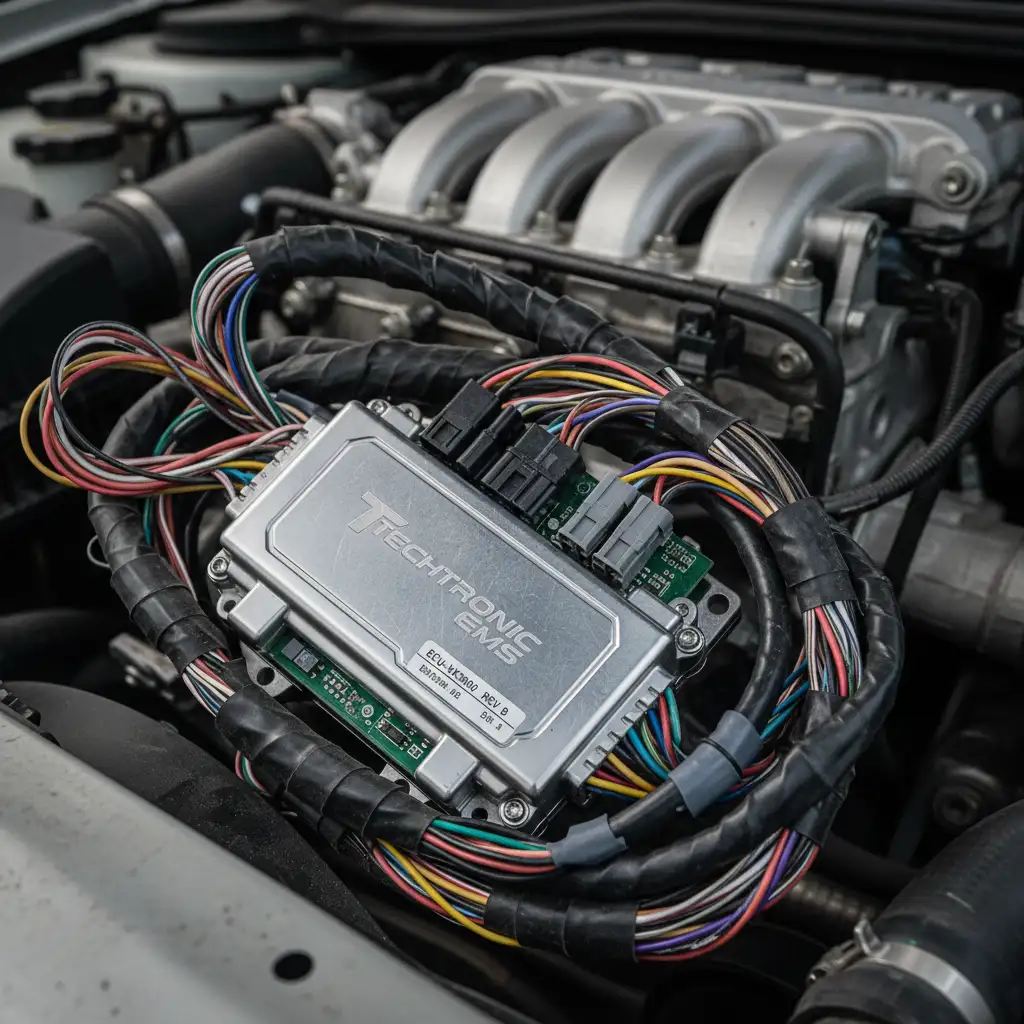
Recognising the Warning Signs: Symptoms of a Failing ECU
Identifying a failing ECU can be challenging because its symptoms often mimic those of other engine problems. However, certain persistent or combined indicators can strongly suggest that your engine computer might be at fault. Early detection and professional diagnosis are crucial to prevent further damage and costly repairs.
Illuminated Check Engine Light and Other Dashboard Warnings
The most common and often the first indicator of an ECU issue is the illumination of the Check Engine Light (CEL) on your dashboard. While a CEL can signify a myriad of problems, when accompanied by other performance issues, it can point towards an ECU malfunction. A diagnostic scan will reveal specific trouble codes, some of which directly relate to ECU internal failures or communication errors with other modules.
Degraded Engine Performance: Stalling, Misfires, and Poor Fuel Economy
When the ECU starts to fail, its ability to precisely control engine parameters is compromised. This can lead to noticeable performance issues:
- Frequent Stalling: The engine may stall unexpectedly, especially at idle or low speeds, due to incorrect fuel mixture or ignition timing.
- Engine Misfires: You might experience a rough-running engine, vibrations, or a noticeable lack of power during acceleration, indicating inconsistent combustion in one or more cylinders.
- Poor Fuel Economy: An ECU that’s sending incorrect signals can cause the engine to run too rich or too lean, leading to significantly increased fuel consumption.
- Lack of Power or Hesitation: The vehicle may feel sluggish, hesitant to accelerate, or enter a ‘limp mode’ where engine power is severely restricted to prevent damage.
Persistent Starting Issues and Unexplained Shutdowns
Difficulty starting your vehicle, or complete failure to start, can be a symptom of a failing ECU. If the ECU isn’t providing the correct instructions for fuel delivery or ignition, the engine simply won’t turn over or catch. Similarly, if your vehicle unexpectedly shuts down while driving, it’s a critical safety concern that could be linked to an ECU power supply issue or internal fault.
Diagnostic Tool Communication Failures
One of the more definitive signs of an ECU problem is when an automotive diagnostic scanner fails to communicate with the engine computer. This suggests a complete internal failure of the ECU or an issue with its power supply or communication lines. If a mechanic cannot retrieve diagnostic trouble codes (DTCs), the ECU itself may be the primary suspect, requiring specialised testing.
Pinpointing Problems: Advanced ECU Diagnostic Equipment and Techniques
Diagnosing ECU faults requires more than just reading basic fault codes. It demands specialised equipment, in-depth knowledge of automotive electronics, and a systematic approach. In Auckland, expert mobile mechanics employ advanced diagnostic tools and techniques to accurately identify and resolve ECU-related issues.
The Power of Specialized Diagnostic Scanners and Software
While generic OBD-II scanners can read universal trouble codes, an ECU specialist utilises advanced diagnostic scan tools and proprietary software. These sophisticated devices can:
- Access Manufacturer-Specific Codes: Uncover detailed fault codes that generic scanners miss, providing precise insights into the problem.
- Monitor Live Data Streams: Observe real-time data from all engine sensors and actuators (e.g., fuel pressure, injector pulse width, oxygen sensor readings). This helps identify intermittent faults or values that are out of specification.
- Perform Bi-directional Control: Actuate components (e.g., injectors, solenoids) directly through the scanner to test their functionality and rule out mechanical issues.
- Run Self-Tests and Routines: Initiate manufacturer-specific tests to diagnose complex system interactions.
Understanding and interpreting this wealth of data is where the expertise of a seasoned technician becomes invaluable, distinguishing true ECU faults from other component failures.
Beyond Codes: Utilizing Oscilloscopes for In-Depth Signal Analysis
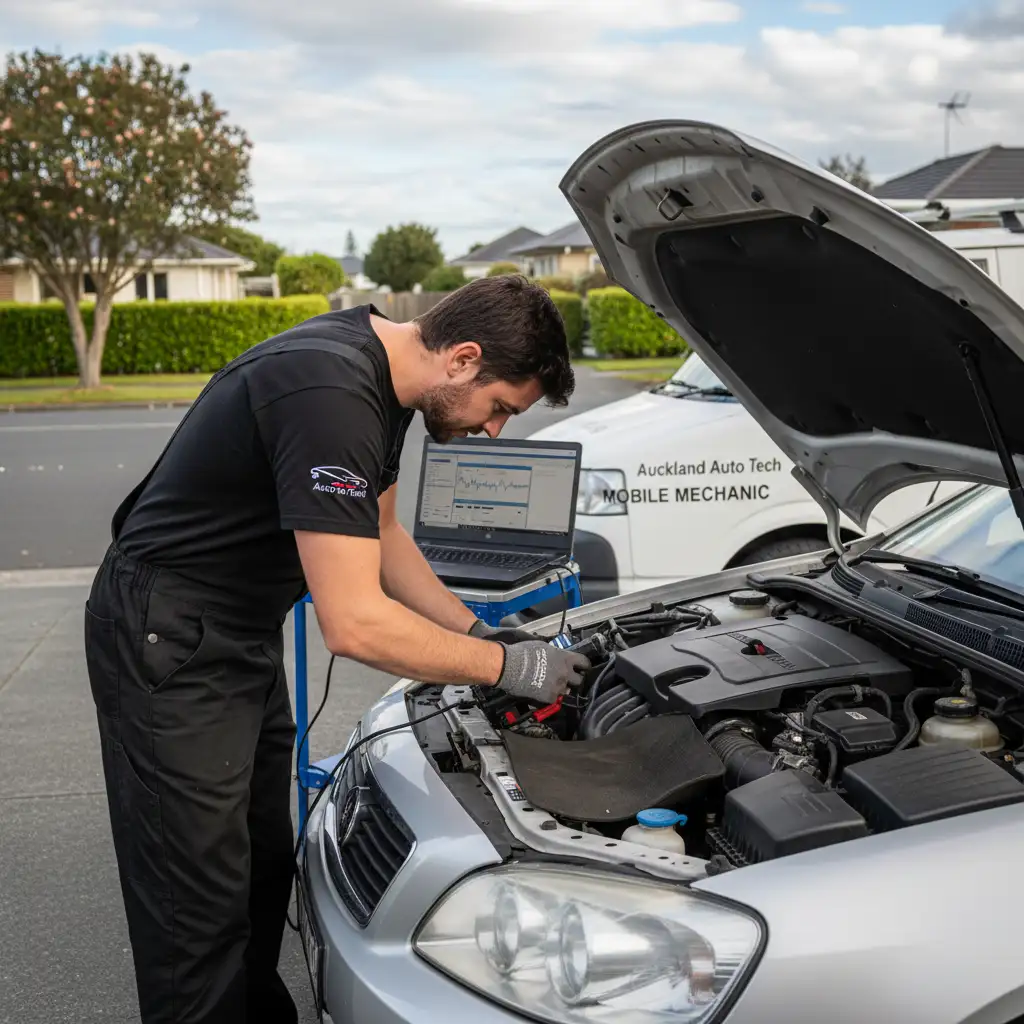
Sometimes, a fault code only tells part of the story. An oscilloscope is an indispensable tool for diagnosing complex electrical issues, including those affecting the ECU. It allows technicians to:
- Visualise Electrical Signals: Observe the actual voltage waveforms from sensors and actuators. This can reveal intermittent breaks, shorts, noise, or incorrect signal patterns that a simple multimeter might miss.
- Verify Communication Protocols: Check the integrity of communication lines (e.g., CAN bus, LIN bus) to ensure the ECU is properly communicating with other modules.
- Test Sensor Output Accuracy: Confirm that sensors are producing the correct voltage ranges and frequencies under various operating conditions.
This level of detailed electrical analysis is critical for identifying subtle ECU issues or wiring problems that might otherwise go undetected.
The Comprehensive ECU Diagnostic Process
A thorough ECU diagnostic process typically involves several stages:
- Initial Consultation and Symptom Verification: Discussing the vehicle’s history and symptoms with the owner.
- Visual Inspection: Checking for obvious signs of damage, loose connections, or corrosion around the ECU and engine bay.
- Diagnostic Code Retrieval: Using advanced scanners to pull all available diagnostic trouble codes (DTCs).
- Live Data Analysis: Monitoring engine parameters in real-time to identify anomalies under various operating conditions.
- Component Testing: Systematically testing sensors, actuators, and wiring using multimeters and oscilloscopes to rule out other component failures.
- ECU Specific Tests: Performing voltage drop tests, ground circuit checks, and communication tests directly on the ECU connectors.
- Software/Firmware Check: Verifying the ECU’s software version and identifying if updates or reprogramming are required.
This meticulous approach ensures that the root cause of the problem is accurately identified, whether it’s the ECU itself or an external factor impacting its operation. Accurate diagnostics save time and money by preventing unnecessary parts replacements. For more insight into general automotive diagnostic principles, resources from automotive engineering associations can be beneficial, such as those detailing SAE International’s standards for diagnostic trouble codes.
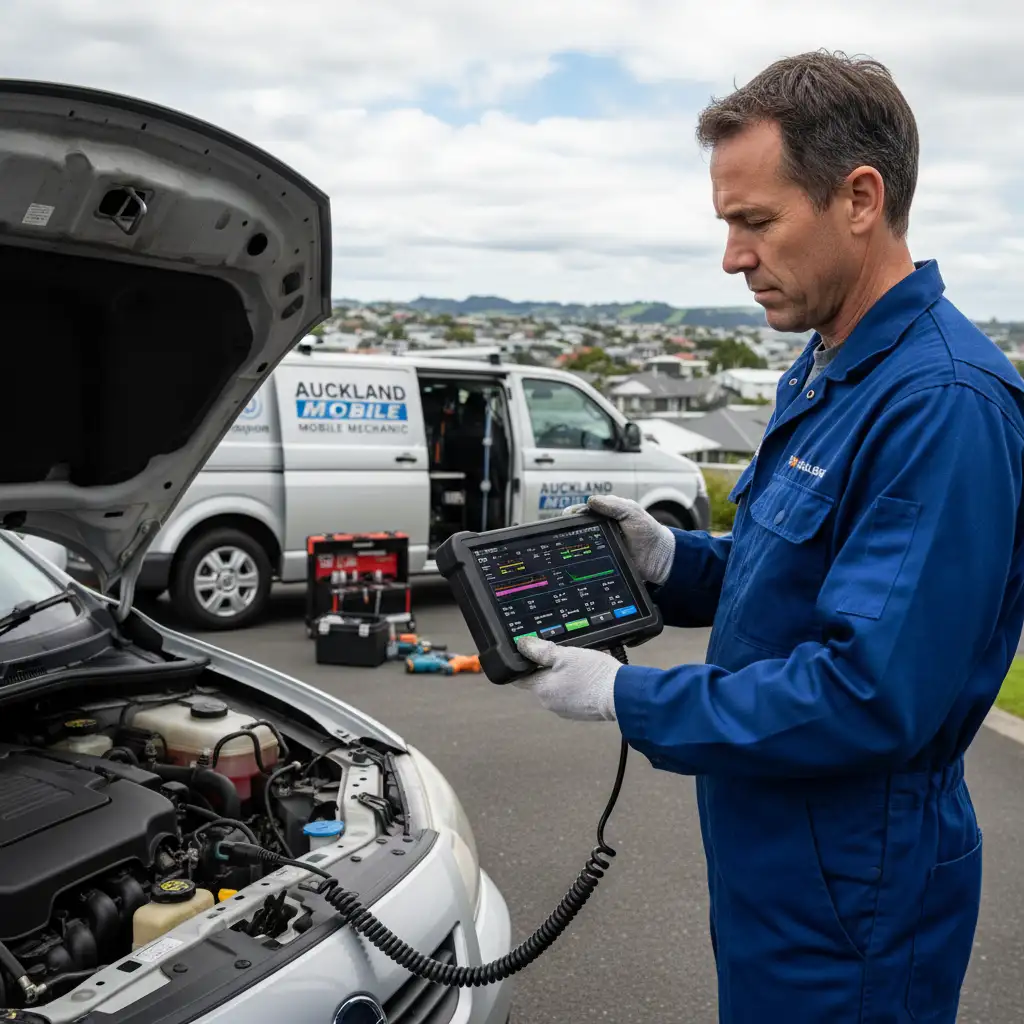
On-Site Expertise: ECU Reprogramming and Engine Computer Repair in Auckland
Once an ECU fault is accurately diagnosed, the next step involves repair or replacement. For vehicle owners in Auckland, the convenience and expertise of mobile ECU repair services offer a significant advantage, providing advanced solutions right at your home or workplace.
ECU Flashing, Software Updates, and Module Coding
Modern ECUs are not just hardware; they rely heavily on sophisticated software. Just like your computer, this software can become outdated, corrupted, or require specific configurations. Our mobile ECU services in Auckland provide:
- ECU Flashing: This involves reprogramming the ECU with the latest manufacturer-specified software or a performance-enhancing tune. Flashing can resolve known bugs, improve engine performance, or address emissions-related recalls.
- Software Updates: Manufacturers frequently release software updates to improve engine efficiency, resolve minor glitches, or adapt to new regulations. We can apply these updates on-site.
- Module Coding and Adaptation: When new components are installed (e.g., a replacement throttle body or an entire ECU), they often need to be ‘coded’ or ‘adapted’ to communicate correctly with the vehicle’s other electronic modules. Our tools allow for precise module coding.
- Immobiliser Reset and Programming: ECU replacement often requires reprogramming the immobiliser system to match the vehicle’s keys, a service we can perform remotely.
These services are vital for ensuring your ECU operates with the latest, most stable, and most efficient programming available, restoring or enhancing your vehicle’s performance.
Component-Level Repair vs. Complete ECU Replacement
While some ECU faults necessitate a complete unit replacement, many can be resolved through component-level repair. An experienced technician can:
- Identify and Replace Faulty Components: Specific internal components of the ECU, such as capacitors, resistors, or even certain microchips, can fail. Repairing these components can be a cost-effective alternative to full replacement.
- Repair Damaged Circuitry: Corrosion, water ingress, or electrical surges can damage the delicate circuit board within the ECU. Skilled technicians can often repair these traces or connections.
- Address Software Corruption: In cases where software corruption is the sole issue, a reflash or reprogramming can bring the existing ECU back to life.
The decision between repair and replacement depends on the specific nature and severity of the fault, as well as the make and model of the vehicle. Our specialists will provide a transparent assessment and recommendation.
The Unmatched Convenience of Mobile ECU Services in Auckland
For vehicle owners across Auckland, opting for a mobile ECU diagnostic and repair service offers unparalleled convenience:
- No Towing Required: If your vehicle is immobilised due to an ECU fault, a mobile service eliminates the need for expensive and inconvenient towing to a workshop.
- On-Site Expertise: Our technicians bring all necessary advanced diagnostic tools and programming equipment directly to your location – whether at home, work, or roadside.
- Reduced Downtime: Repairs can often be completed faster, allowing you to get back on the road sooner without the delays associated with traditional garage visits.
- Personalised Service: You receive one-on-one attention and clear explanations of the diagnostic process and repair options.
- Cost-Effective: Eliminating towing costs and potentially offering repair over full replacement can result in significant savings.
This approach is particularly beneficial for complex ECU issues that might otherwise lead to prolonged vehicle downtime.
Why Entrust Your Vehicle to an ECU Specialist in Auckland?
ECU diagnostics and repair are highly specialised fields that require extensive training, specific tools, and a deep understanding of automotive electronics. Entrusting your vehicle to a general mechanic for an ECU issue might lead to misdiagnosis, unnecessary parts replacement, or even further damage. An ECU specialist in Auckland offers:
- Specialised Knowledge: Expertise specifically in engine control systems, not just general mechanics.
- Advanced Equipment: Access to cutting-edge diagnostic and programming tools.
- Problem-Solving Acumen: The ability to accurately interpret complex data and troubleshoot intricate electronic faults.
- Reliable Solutions: Assurance that repairs or replacements are performed correctly, preventing recurring issues.
Choosing an experienced mobile ECU specialist in Auckland ensures your vehicle receives the precise attention it needs, restoring its performance and extending its lifespan with confidence and convenience.
People Also Ask
What are the common signs of a bad ECU?
Common signs of a bad ECU include an illuminated Check Engine Light, persistent engine misfires, rough idling, stalling, poor fuel economy, starting problems, and communication failures when attempting to read diagnostic codes.
Can a mobile mechanic in Auckland diagnose ECU problems?
Yes, expert mobile mechanics in Auckland are equipped with advanced diagnostic tools and software specifically designed to diagnose and often repair ECU issues directly at your location, saving you time and towing costs.
Is it better to repair or replace an ECU?
The decision to repair or replace an ECU depends on the specific fault. If the damage is minor, such as a faulty component or software corruption, repair is often more cost-effective. However, severe damage may necessitate a full replacement. An ECU specialist can provide the best recommendation after diagnosis.
How long does ECU diagnostics take?
The time required for ECU diagnostics can vary. A basic scan and initial assessment might take 30-60 minutes, but complex issues requiring in-depth analysis, live data monitoring, and component testing can take several hours.
What is ECU flashing and why is it needed?
ECU flashing is the process of updating or rewriting the software on your vehicle’s Engine Control Unit. It’s needed to install manufacturer updates, fix software bugs, improve performance, or configure a new ECU to match your vehicle’s specifications.
Are all ECU problems repairable on-site?
Most common ECU diagnostic and software-related issues can be resolved on-site by a mobile mechanic. However, for severe physical damage requiring specialized bench repairs or extensive internal component replacement, the ECU might need to be removed and sent to a dedicated repair facility.