
Driveshaft repair in Auckland addresses issues with the vital component responsible for transmitting power from your vehicle’s transmission to the differential, ultimately turning the wheels. Services typically include diagnostics, replacement of worn components like U-joints or CV joints, and crucial balancing to ensure smooth, efficient, and safe vehicle operation, preventing further damage and restoring performance.
The Crucial Role of the Driveshaft in Your Vehicle
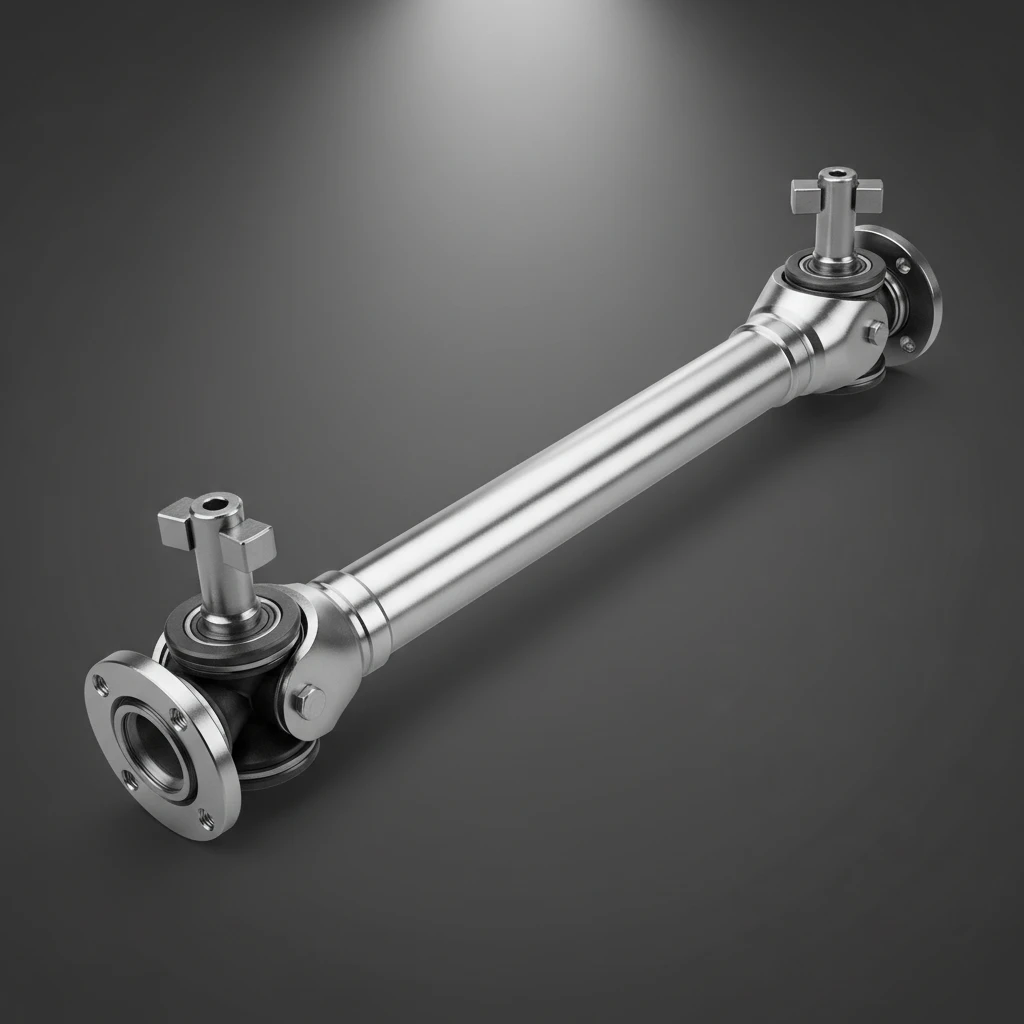
The driveshaft, often referred to as a propeller shaft or cardan shaft, is an indispensable mechanical component in any rear-wheel drive, four-wheel drive, or all-wheel drive vehicle. Its primary function is to transmit torque and rotation, which is essentially the power, from the vehicle’s transmission or gearbox to the differential, and then finally to the wheels. Without a properly functioning driveshaft, your vehicle would simply not be able to move under its own power. It acts as a bridge, ensuring that the rotational energy generated by the engine and processed by the transmission is efficiently delivered to the axles, allowing your car to drive.
Beyond merely transmitting power, the driveshaft must also accommodate changes in angle and length as the vehicle’s suspension moves up and down. This is achieved through universal joints (U-joints) or constant velocity (CV) joints located at either end of the shaft. These joints allow for flexibility, ensuring that power transfer remains smooth even as the vehicle navigates uneven terrain, encounters bumps, or simply turns. The precision engineering of the driveshaft and its accompanying joints is paramount for maintaining consistent power delivery, vehicle stability, and passenger comfort. Any misalignment or wear in these components can lead to a cascade of problems that affect driving performance and safety.
Understanding Driveshaft Types and Their Functions
Driveshafts come in several configurations, primarily determined by the vehicle’s drivetrain layout and design. Each type serves the fundamental purpose of power transmission but with slight variations in construction to suit different demands.
- Single-Piece Driveshafts: Commonly found in vehicles with shorter wheelbases, these are robust, singular shafts. They are straightforward in design and efficient, but their length can make them prone to vibration if not perfectly balanced.
- Two-Piece Driveshafts: Often used in longer vehicles, these driveshafts are split into two sections, connected by a center support bearing and an additional U-joint. This design helps to reduce vibration and allows for greater articulation, but it also introduces more components that can wear out.
- Multi-Piece Driveshafts: Some heavy-duty or specialized vehicles may use even more complex multi-piece driveshafts to manage extreme lengths or unique power transmission requirements. These systems are highly engineered to distribute stress and manage vibration across multiple segments.
Regardless of the type, the integrity of each component – from the shaft itself to the U-joints, CV joints, slip yokes, and support bearings – is vital. A driveshaft is subjected to immense rotational forces and varying stresses, making it a critical component that demands attention and proper maintenance to ensure your vehicle operates reliably and safely.
Common Symptoms of Driveshaft Problems
Identifying problems with your vehicle’s driveshaft early can prevent more significant, costly repairs and ensure your safety on Auckland’s roads. Driveshaft issues often manifest through distinct symptoms that are noticeable during driving. Paying attention to these signs can prompt timely professional intervention.
Vibration: A Key Indicator
One of the most common and noticeable symptoms of a failing driveshaft is vibration. This can range from a subtle hum to a severe shaking sensation felt throughout the vehicle, particularly in the floorboards, steering wheel, or even the seats. The vibration often intensifies with acceleration and may be more pronounced at specific speeds. This is usually indicative of an unbalanced driveshaft or worn U-joints/CV joints. An unbalanced shaft creates centrifugal forces that cause it to wobble, leading to uncomfortable and potentially damaging vibrations.
Audible Warnings: Noises to Listen For
- Clunking or Banging Sounds: If you hear a distinctive clunking or banging noise when shifting gears (especially from drive to reverse or vice versa), or during acceleration and deceleration, it often points to excessive play in the U-joints or loose connections within the driveshaft assembly. This play allows components to knock against each other, creating the audible disturbance.
- Squeaking or Grinding Noises: A persistent squeaking sound, particularly when accelerating from a stop, can indicate a U-joint that is worn out and lacking proper lubrication. If the U-joint is severely degraded, it might transition to a grinding noise as metal-on-metal friction increases.
- Humming or Whining: While less common for the driveshaft itself, a humming or whining noise from underneath the vehicle, often heard at specific speeds, could sometimes be related to a failing center support bearing in a two-piece driveshaft. It’s crucial not to confuse this with differential or wheel bearing noises, which often present similarly.
Other Performance Issues
In more severe cases, a failing driveshaft can lead to more critical performance problems:
- Difficulty Turning: If the driveshaft or its joints are binding, you might experience resistance or a jerky sensation when attempting to turn, as the power delivery becomes inconsistent.
- Lack of Power or Hesitation: While less direct, extreme driveshaft issues could potentially contribute to a perceived lack of power, as the efficient transfer of torque is compromised.
- Fluid Leaks: Although not from the driveshaft itself, worn seals around the transmission output shaft or differential input shaft, often exacerbated by driveshaft vibrations, can lead to fluid leaks. While inspecting your driveshaft, it’s wise to check for any signs of fluid leakage around these connection points.
The Importance of Early Diagnosis and Repair
Ignoring these symptoms is never advisable. A compromised driveshaft can not only severely impact your driving comfort and vehicle’s performance but also pose a significant safety risk. Continued driving with a faulty driveshaft can lead to catastrophic failure, where the shaft could break or detach, potentially causing loss of control or severe damage to other undercarriage components, including the transmission, differential, or fuel lines. Prompt diagnosis and professional driveshaft repair in Auckland are essential to avoid these dangers and prevent minor issues from escalating into major, costly repairs.
On-Site Driveshaft Inspection and Repair in Auckland
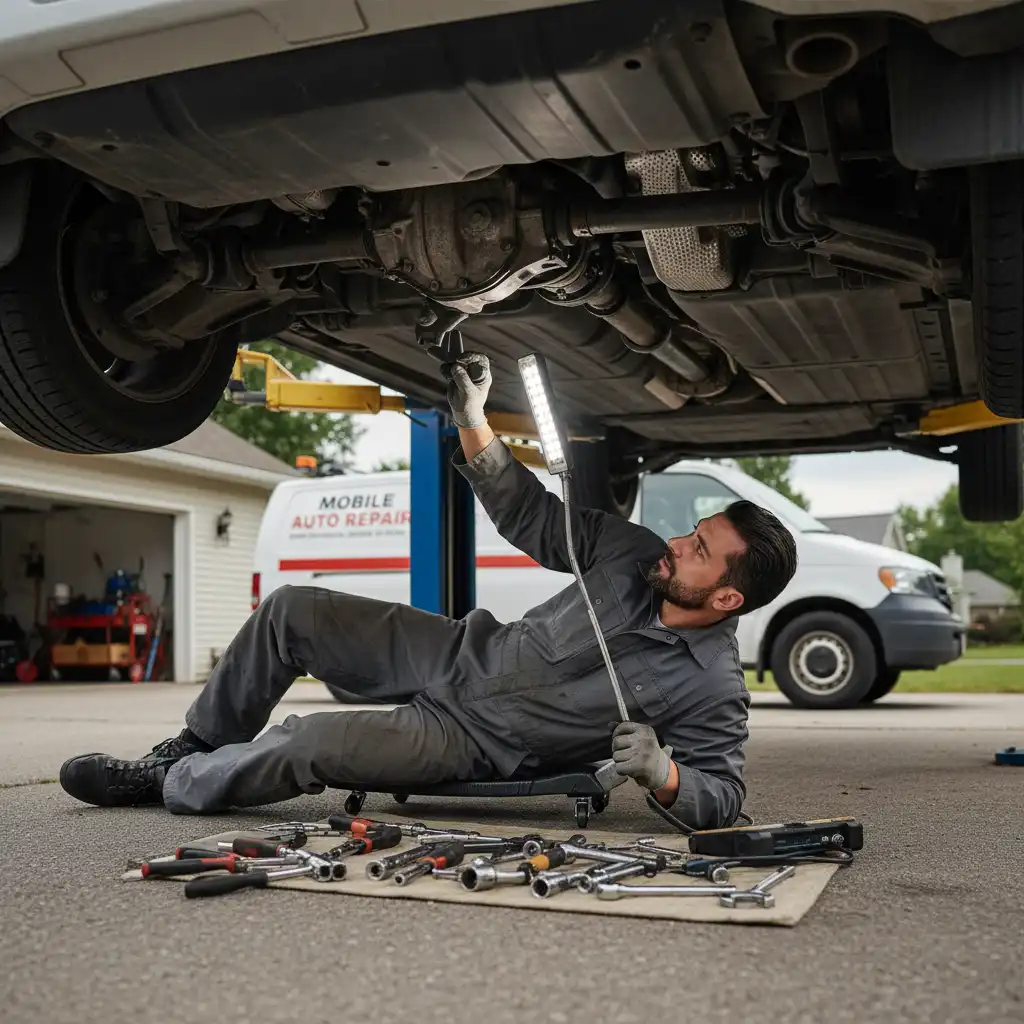
For vehicle owners in Auckland, the convenience and efficiency of on-site mobile mechanic services for driveshaft inspection and repair offer a significant advantage. Instead of arranging a tow or driving a potentially unsafe vehicle to a workshop, skilled technicians can come directly to your location, whether it’s your home, workplace, or even the roadside, bringing specialized tools and expertise to address your driveshaft issues.
Benefits of Mobile Driveshaft Services
- Unmatched Convenience: Save valuable time and avoid the hassle of transporting your vehicle. The repair comes to you, fitting seamlessly into your schedule.
- Emergency Repair Capability: If your driveshaft fails unexpectedly, a mobile service can provide immediate assistance, reducing downtime and stress.
- Cost-Effectiveness: By avoiding towing fees and potentially catching issues before they cause secondary damage, mobile repairs can often be more economical in the long run.
- Personalized Service: Direct interaction with the technician at your location allows for clear communication and a better understanding of the diagnosis and repair process.
The Comprehensive Diagnostic Process
Upon arrival, a professional mobile mechanic will undertake a thorough diagnostic process to accurately identify the source of the driveshaft problem:
- Test Drive: Where safe and practical, an initial test drive helps to replicate symptoms, allowing the technician to feel and hear the issues firsthand.
- Visual Inspection: The vehicle will be safely lifted or placed on stands for a detailed visual inspection of the entire driveshaft assembly. This includes checking for obvious signs of damage, such as dents, cracks, corrosion, or lubricant leaks around the U-joints and CV joints.
- Component Play Check: The mechanic will manually check for excessive play or looseness in the U-joints, CV joints, slip yokes, and the center support bearing (if applicable). Worn joints will typically show noticeable movement.
- Mounting and Balance Check: While initial balance issues might require specialized equipment, the technician can visually inspect for missing balance weights or obvious signs of impact that could affect balance.
The Driveshaft Repair and Balancing Process
Once the diagnosis is complete, the mobile mechanic can proceed with the necessary driveshaft repair or replacement services right on the spot, leveraging their expertise and specialized equipment.
Common Driveshaft Repair Services
- U-Joint Replacement: One of the most frequent driveshaft repairs involves replacing worn universal joints. These components are prone to wear and tear due to constant movement and exposure to contaminants. Replacement involves carefully removing the old U-joints and pressing in new ones, ensuring proper seating and lubrication.
- CV Joint Replacement: For driveshafts equipped with CV joints, particularly common in front-wheel drive and some AWD vehicles’ half-shafts, replacement involves removing the old joint and installing a new one, often along with new boots and grease to protect it.
- Center Support Bearing Replacement: In two-piece driveshafts, the center support bearing helps to hold the shaft in place and dampen vibrations. If this bearing fails, it can cause significant noise and vibration, necessitating replacement.
- Slip Yoke Service: The slip yoke allows the driveshaft to change length as the suspension articulates. Issues here can cause clunking or binding. Repair might involve cleaning, lubrication, or replacement of the yoke or splines.
- Driveshaft Boot Replacement: For CV joints, the protective rubber boots prevent dirt and moisture from entering and grease from escaping. A torn boot leads to joint failure. Replacing a damaged boot and repacking with grease can save the entire CV joint if caught early.
Why Professional Driveshaft Balancing is Critical
Perhaps one of the most crucial aspects of driveshaft service, especially after any repair or replacement, is balancing. Driveshaft balancing involves adding or removing small weights to the shaft to ensure its weight is evenly distributed around its rotational axis. This process is similar to balancing a tire and wheel assembly. An unbalanced driveshaft will inevitably lead to vibrations, which can cause:
- Premature Wear: Vibrations put undue stress on U-joints, CV joints, transmission components, and differential bearings, drastically shortening their lifespan.
- Reduced Comfort: The persistent shaking is uncomfortable for occupants and can make driving unpleasant.
- Structural Damage: Over time, severe vibrations can loosen fasteners and even cause structural fatigue in other parts of the vehicle’s chassis.
While some minor repairs can be done on-site, precise driveshaft balancing often requires specialized equipment typically found in a dedicated workshop or carried by highly equipped mobile units. Mobile mechanics for driveshaft repair in Auckland will assess if balancing can be done effectively on-site or if the shaft needs to be taken to a specialized facility for dynamic balancing, then reinstalled. The goal is always to restore the driveshaft to its factory-level smoothness and operational integrity, ensuring optimal performance and longevity for your vehicle. For more detailed information on driveshaft functions and engineering, sources like Wikipedia’s article on driveshafts provide extensive background.
Ensuring Smooth Power Delivery and Longevity
Beyond addressing current problems, understanding how to maintain your driveshaft and prevent future issues is key to ensuring consistent, smooth power delivery and extending the lifespan of this critical component. Proactive measures can save you from unexpected breakdowns and expensive repairs down the line.
Preventative Maintenance for Your Driveshaft
- Regular Inspections: Integrate driveshaft checks into your routine vehicle maintenance. During oil changes or other services, ask your mechanic to visually inspect the driveshaft, U-joints, CV joints, and boots for any signs of wear, damage, or leaks. Early detection is paramount.
- Lubrication: Many U-joints and some CV joints are designed to be greased. Ensure these points are lubricated according to your vehicle manufacturer’s recommendations. Proper lubrication reduces friction and wear, significantly extending the life of the joints.
- Avoid Harsh Driving: Aggressive driving habits, such as rapid acceleration, sudden braking, or regularly carrying excessive loads, can put immense stress on the driveshaft and its components. Driving smoothly and avoiding overloading your vehicle will reduce strain.
- Address Vibrations Immediately: As discussed, vibrations are often the first sign of a driveshaft issue. Do not ignore them. The sooner you have them investigated, the less likely the problem will escalate.
- Check for Damage After Off-Roading: If you frequently drive off-road or encounter rough terrain, inspect your driveshaft for impacts or debris entanglement that could cause damage or throw it out of balance.
Choosing the Right Service Provider in Auckland
When seeking driveshaft repair and balancing services in Auckland, it is crucial to choose a provider with a proven track record of expertise and reliability. Look for mechanics who:
- Specialize in drivetrain components and have experience with various vehicle makes and models.
- Utilize professional-grade diagnostic tools and repair equipment, including facilities or mobile units capable of precise balancing.
- Offer transparent pricing and clear explanations of the work needed.
- Provide warranties on parts and labor, reflecting their confidence in the quality of their service.
A well-maintained and properly balanced driveshaft ensures that your vehicle’s power is transmitted smoothly and efficiently to the wheels, enhancing driving comfort, fuel economy, and overall vehicle safety. For information on general vehicle maintenance guidelines, consult official resources such as NZTA’s guide to maintaining your car.
People Also Ask About Driveshaft Repair
How much does driveshaft repair cost in Auckland?
The cost of driveshaft repair in Auckland varies significantly depending on the specific issue, vehicle make/model, and whether it’s a component replacement (e.g., U-joints, CV joints, center bearing) or a full driveshaft replacement. Minor repairs like U-joint replacement might range from NZ$250 to NZ$600, while a full driveshaft replacement could cost upwards of NZ$800 to NZ$2000 or more, including parts and labor. Getting a detailed quote from a local mobile mechanic is always recommended.
What are the signs of a failing driveshaft?
Common signs of a failing driveshaft include noticeable vibrations that increase with speed, particularly felt in the floorboards or steering wheel. You might also hear clunking or banging noises when shifting gears or accelerating, squeaking sounds (especially from U-joints), or grinding noises. In severe cases, you might experience difficulty turning or a general lack of power transfer.
How long does a driveshaft last?
A driveshaft is designed to be a long-lasting component, often intended to last the lifetime of the vehicle. However, its individual components like U-joints, CV joints, and center support bearings are wear items. These can last anywhere from 80,000 to 150,000 kilometers or more, depending on driving conditions, maintenance, and vehicle usage. Regular inspection and lubrication are key to maximizing their lifespan.
Can you drive with a bad driveshaft?
While you might be able to drive with a driveshaft showing early signs of wear (like minor vibrations), it is strongly advised against. Driving with a bad driveshaft is dangerous as it can lead to catastrophic failure, causing the shaft to break or detach from the vehicle, potentially resulting in loss of control, severe damage to the undercarriage, or even an accident. Seek professional repair immediately if you suspect a driveshaft issue.
What causes driveshaft problems?
Driveshaft problems are primarily caused by wear and tear on its components, especially U-joints and CV joints, due to constant rotation, stress, and exposure to road elements. Lack of lubrication, damaged protective boots (for CV joints), impacts from road debris, manufacturing defects, improper installation, or excessive vehicle loads can also contribute to driveshaft failure.
Is driveshaft balancing necessary?
Yes, driveshaft balancing is absolutely necessary, especially after any repair or replacement of driveshaft components. An unbalanced driveshaft will cause vibrations that lead to premature wear of U-joints, CV joints, transmission components, and differential bearings. It also severely reduces driving comfort and can compromise the vehicle’s structural integrity over time. Proper balancing ensures smooth power delivery and extends the life of the entire drivetrain.