
DPF cleaning in Auckland involves specialized services designed to restore the efficiency of your diesel vehicle’s Diesel Particulate Filter. This critical maintenance process removes accumulated soot and ash, preventing costly damage, improving fuel economy, and ensuring your vehicle complies with emissions standards, keeping Auckland’s air cleaner and your engine running optimally.
What is a Diesel Particulate Filter (DPF)?
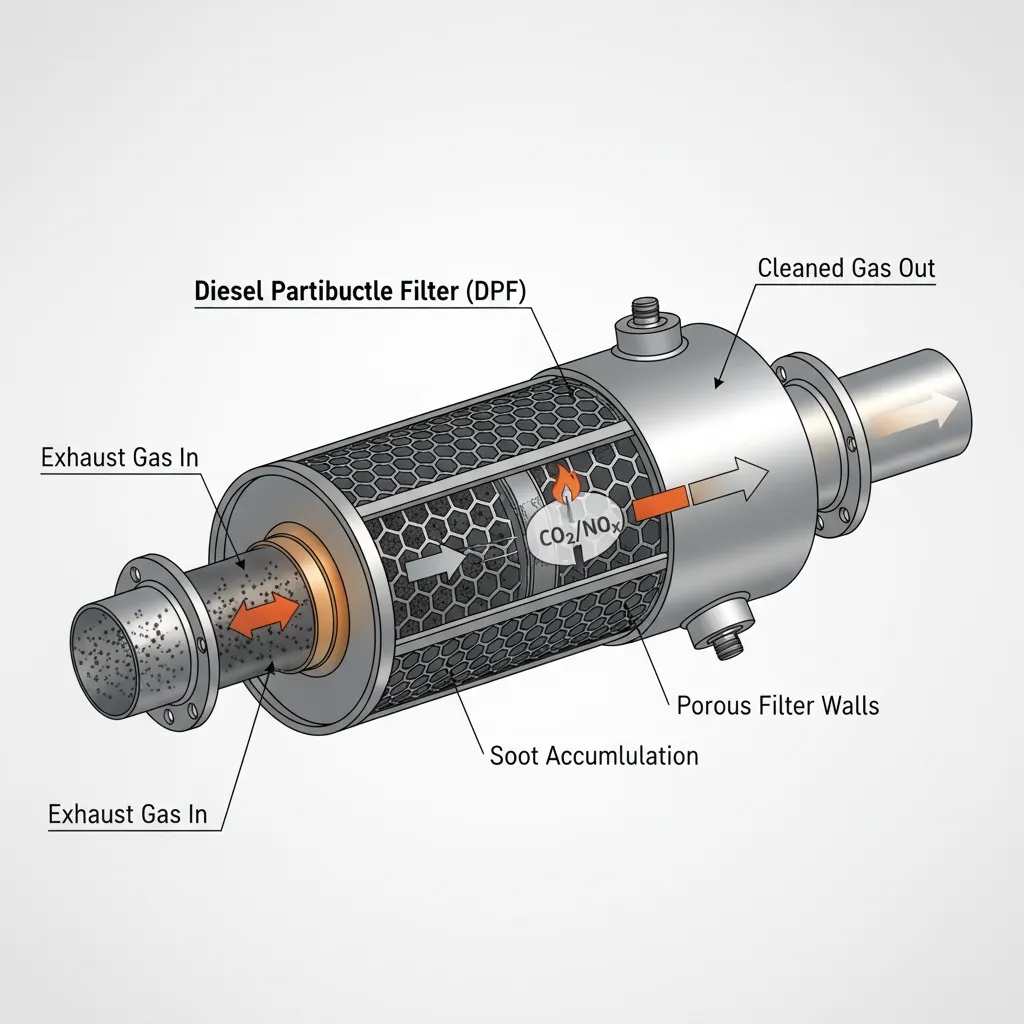
A Diesel Particulate Filter (DPF) is an essential component in modern diesel vehicles, designed to trap harmful particulate matter (soot and ash) from exhaust gases before they are released into the atmosphere. Introduced to comply with stringent emission regulations like Euro 5 and Euro 6, DPFs play a vital role in reducing air pollution and protecting public health. The filter itself is typically a ceramic honeycomb structure with intricate channels that force exhaust gases to flow through porous walls, effectively capturing microscopic soot particles.
The primary function of a DPF is to collect these harmful particles, preventing them from being expelled into the environment. Over time, as soot accumulates, the DPF can become restricted, impeding exhaust flow and negatively impacting engine performance. To counter this, DPFs are designed to self-clean through a process called regeneration. There are two main types: passive and active regeneration.
Passive regeneration occurs naturally during extended periods of high-speed driving when exhaust gas temperatures are sufficiently high (typically above 350°C) to burn off the accumulated soot. Active regeneration, on the other hand, is initiated by the vehicle’s engine management system, which injects additional fuel to temporarily raise exhaust temperatures to around 600°C, forcing the trapped soot to oxidize into a fine ash. This ash, unlike soot, cannot be burned off and will accumulate over the DPF’s lifespan, eventually leading to a blockage that requires professional cleaning or replacement.
Understanding the DPF’s function is crucial for diesel vehicle owners in Auckland, where a mix of urban driving and occasional longer trips can affect its performance. Ignoring DPF issues can lead to severe engine damage, reduced fuel efficiency, and ultimately, a costly repair bill. Furthermore, a malfunctioning DPF can cause your vehicle to fail Warrant of Fitness (WOF) inspections due to excessive emissions or dashboard warning lights. Regular maintenance and addressing early signs of DPF trouble are paramount for the longevity and compliance of your diesel vehicle. For a deeper understanding of DPF technology, you can refer to authoritative sources like Wikipedia’s explanation of Diesel Particulate Filters.
Signs of a Clogged DPF
Recognizing the early warning signs of a clogged DPF is critical for preventing more serious and expensive problems for your diesel vehicle. Ignoring these indicators can lead to severe damage to your engine, turbocharger, and other emission control components. Prompt action upon noticing any of these symptoms can save you significant repair costs and ensure your vehicle remains reliable and efficient.
Warning Lights and Dashboard Indicators
The most immediate and common sign of a DPF issue is the illumination of a warning light on your dashboard. This could be a dedicated DPF warning light, often depicted as a filter symbol with exhaust dots, or the general Engine Management Light (EML) / Check Engine Light. When these lights appear, it signifies that the DPF is either accumulating too much soot, or the regeneration process is failing. If the DPF light starts flashing, it typically indicates a critical blockage requiring immediate attention. Some vehicles may also display a message on the infotainment screen advising DPF regeneration is needed or to visit a workshop.
Reduced Engine Performance and Fuel Economy
A restricted DPF prevents exhaust gases from exiting the engine efficiently, leading to a noticeable drop in performance. You might experience a reduction in power, sluggish acceleration, or the vehicle entering ‘limp mode’ – a protective measure where the engine’s power is severely limited to prevent further damage. This loss of power is often accompanied by an increase in fuel consumption, as the engine struggles to perform optimally against the backpressure created by the clogged filter. Drivers in Auckland’s stop-and-go traffic may notice this more acutely, as the engine constantly attempts to overcome the resistance.
Unusual Smells and Exhaust Changes
Other tell-tale signs include unusual smells emanating from the exhaust. A strong, pungent diesel smell or a smell of burning rubber can indicate a failed regeneration attempt or unburnt fuel due entering the exhaust system. Furthermore, you might observe excessive smoke from the exhaust, particularly black or white smoke. While some white smoke during a regeneration cycle is normal, continuous or excessive smoke signals a problem. Increased engine noise, particularly a louder exhaust note or a hissing sound, can also point towards a blocked DPF.
Ultimately, a severely clogged DPF will prevent your vehicle from operating correctly and may even cause it to fail its WOF inspection due to excessive emissions or the illuminated warning lights. It’s imperative to consult with a professional Auckland mobile mechanic as soon as these symptoms appear. They possess the diagnostic tools and expertise to accurately identify the problem and recommend the most effective DPF cleaning solution.
Professional DPF Cleaning Techniques
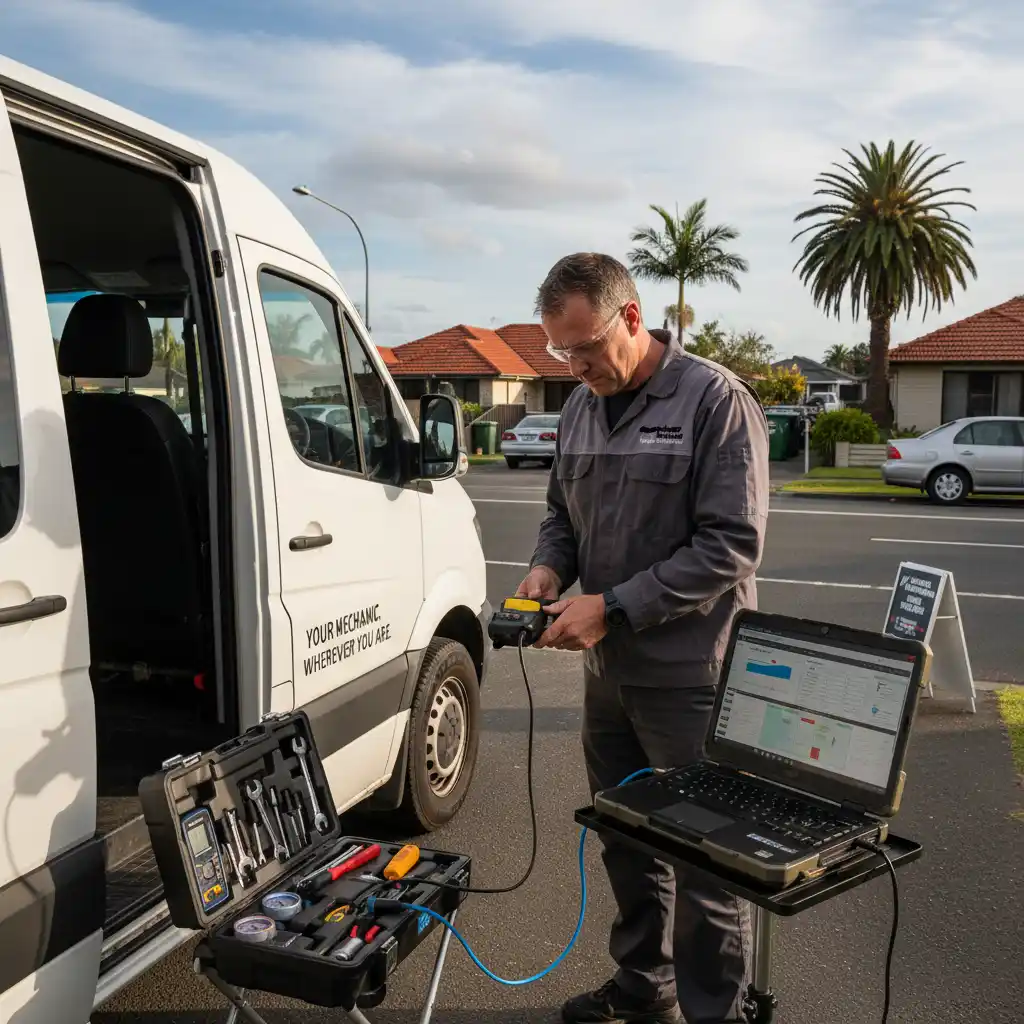
When your diesel vehicle’s DPF becomes significantly clogged, standard passive or active regeneration methods are often insufficient. At this point, professional DPF cleaning services in Auckland become indispensable. Expert technicians employ a range of specialized techniques, each designed to address varying degrees of blockage and restore your DPF to optimal functionality, avoiding the costly alternative of full DPF replacement.
Forced Regeneration: On-Vehicle Solutions
One of the initial professional steps is often a forced regeneration. This process is initiated using advanced diagnostic equipment connected to your vehicle’s Engine Control Unit (ECU). The mechanic will command the vehicle to perform an extended regeneration cycle, typically at a higher engine RPM and temperature than passive or active regenerations. While effective for moderately clogged filters and for clearing trapped soot, forced regeneration does not remove accumulated ash. If the DPF is too heavily clogged, a forced regeneration might not complete successfully or could even exacerbate the issue by causing excessive heat buildup, potentially damaging the filter or turbocharger. An experienced Auckland mobile mechanic will first assess the DPF’s condition and the underlying cause of failure before attempting this method.
Chemical Cleaning: Targeted Deposit Removal
For DPFs with more stubborn soot and ash deposits, chemical cleaning offers a highly effective on-vehicle solution. This technique involves injecting a specialized, non-flammable cleaning solution directly into the DPF, often through the DPF pressure sensor ports or by disconnecting sections of the exhaust. The chemical works to dissolve and loosen carbon and ash particles within the filter matrix. After the chemical treatment, a rinsing solution is typically applied, followed by another forced regeneration to burn off any loosened soot and evaporate moisture. This method is highly effective for moderate to severe blockages, often restoring DPF efficiency to near-new levels without removing the filter from the vehicle. It’s a precise process that requires skilled technicians and appropriate safety measures to ensure thorough cleaning and proper disposal of waste.
Off-Vehicle Deep Cleaning: The Ultimate Solution
For severely blocked DPFs where on-vehicle methods are no longer viable, off-vehicle deep cleaning is the most comprehensive solution. This involves carefully removing the DPF from the vehicle and subjecting it to a specialized cleaning process in a controlled environment. Techniques vary but commonly include hydrostatic cleaning (using high-pressure water and specialized detergents) or thermal cleaning (baking the filter in a high-temperature oven to convert soot to ash, followed by a pulse-jet air flush to remove the ash). These methods can remove up to 98% of all soot and ash, effectively bringing the DPF back to factory specifications. While more involved, off-vehicle cleaning is significantly more cost-effective than replacing a DPF, which can run into thousands of dollars. An Auckland mobile mechanic offering this service will manage the removal, transport, and reinstallation of your DPF, providing a seamless solution.
Choosing the right professional DPF cleaning technique requires expertise. An accredited Auckland mobile mechanic will diagnose the specific cause and severity of your DPF blockage, recommend the most appropriate cleaning method, and ensure the work is carried out to the highest standards. This not only restores your vehicle’s performance but also prolongs the life of your DPF and avoids future costly breakdowns.
Maintain Your Diesel Vehicle’s Performance
Preventative maintenance is paramount for ensuring the long-term health and efficiency of your DPF and, by extension, your entire diesel vehicle. While professional DPF cleaning services in Auckland are available for existing blockages, adopting good habits and adhering to a strict maintenance schedule can significantly reduce the likelihood of DPF issues arising in the first place, saving you time and money.
Proactive Maintenance and Driving Habits
Regular servicing, as per your vehicle manufacturer’s guidelines, is the cornerstone of DPF longevity. This includes timely oil changes, air filter replacements, and fuel filter replacements. A well-maintained engine runs more efficiently, producing less soot and reducing the burden on the DPF. Furthermore, your driving habits play a crucial role. Frequent short trips, especially within Auckland’s urban environment, are notorious for preventing the DPF from reaching sufficient temperatures for passive regeneration. To mitigate this, aim for regular longer journeys (at least 20-30 minutes at highway speeds) where exhaust temperatures can rise, allowing the DPF to self-clean effectively. If this isn’t feasible, consult your Auckland mobile mechanic about strategies to induce regeneration or consider a preventative chemical DPF clean.
It’s also essential to be aware of any underlying engine faults that might contribute to excessive soot production. Issues like faulty injectors, worn glow plugs, or a malfunctioning EGR valve can all lead to increased particulate matter, overloading the DPF. Addressing these mechanical issues promptly, with the help of a qualified technician, will directly support DPF health. For more general advice on vehicle maintenance and emissions, reputable sources such as official government transport agencies often provide valuable information.
The Right Fluids: Engine Oil and Fuel Additives
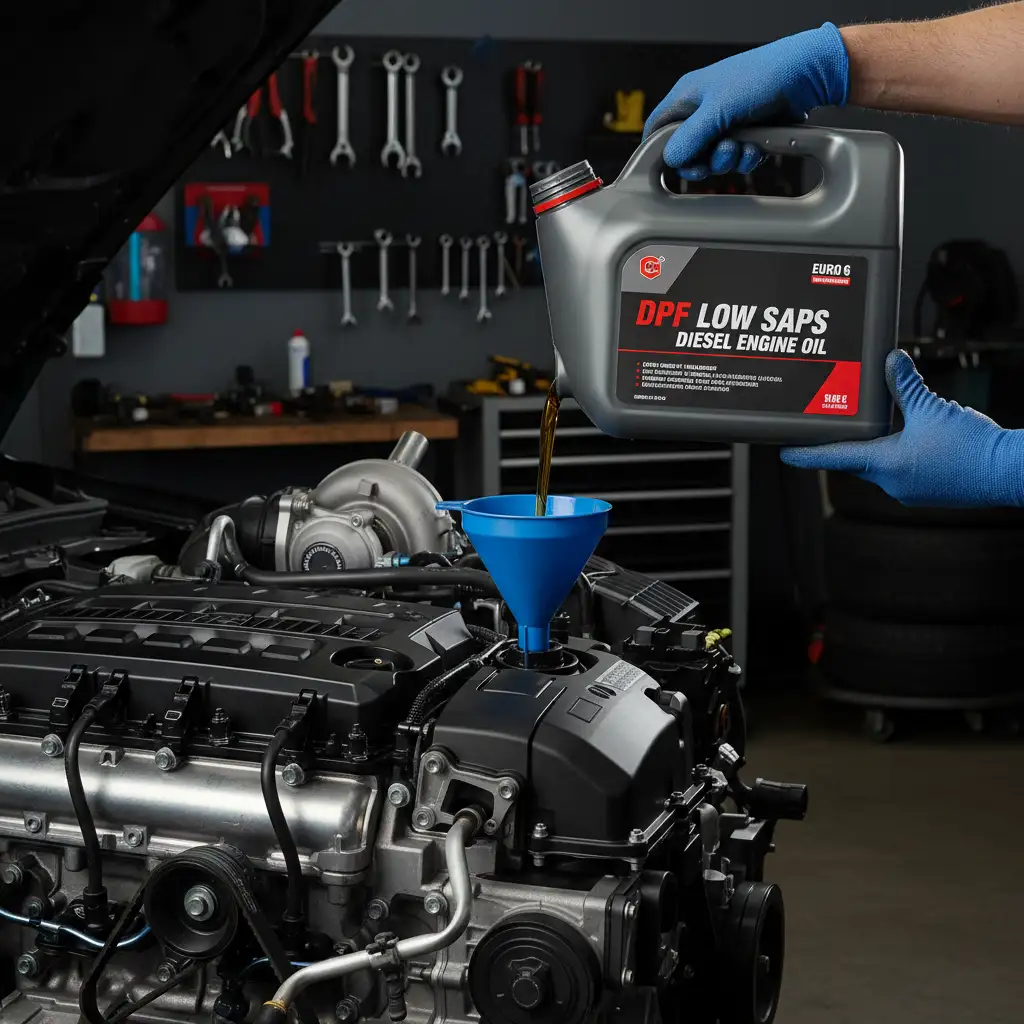
Using the correct type of engine oil is absolutely critical for DPF-equipped vehicles. Most modern diesel engines require ‘low-SAPS’ (Sulphated Ash, Phosphorus, and Sulphur) engine oil. Traditional engine oils contain additives that, when burned, produce ash that cannot be regenerated and will clog the DPF. Low-SAPS oils are specifically formulated to minimise ash residue, thereby extending the DPF’s lifespan. Always refer to your vehicle’s owner manual for the correct oil specification and ensure your mechanic uses it during services.
While not a substitute for professional cleaning, certain DPF cleaner additives can be used proactively. These fuel additives are designed to lower the temperature at which soot burns, aiding the regeneration process, especially for vehicles used predominantly in urban conditions. However, it’s crucial to use high-quality, reputable additives and follow their instructions carefully. Over-reliance or improper use of additives can sometimes do more harm than good. An Auckland mobile mechanic can advise on suitable additive products for your specific vehicle and driving profile. By combining diligent maintenance, smart driving habits, and the correct fluids, you can significantly extend the life of your DPF and ensure your diesel vehicle continues to perform reliably and efficiently on Auckland roads.
People Also Ask About DPF Cleaning
How often should a DPF be cleaned?
The frequency of DPF cleaning largely depends on your driving habits and vehicle model. For most drivers in Auckland, a professional DPF clean is recommended every 100,000 to 150,000 kilometers, or when warning signs appear. Vehicles primarily used for short, urban journeys may require more frequent attention.
What is the cost of DPF cleaning in Auckland?
The cost of DPF cleaning in Auckland varies depending on the severity of the blockage and the cleaning method required (e.g., forced regeneration, chemical clean, or off-vehicle deep clean). It is significantly less expensive than a full DPF replacement, often ranging from a few hundred to over a thousand dollars. Always get a quote from a reputable mobile mechanic.
Can I clean my DPF myself?
Attempting to clean your DPF yourself is not recommended. DPF cleaning requires specialized tools, diagnostic equipment, and specific cleaning solutions. Improper methods can damage the DPF, lead to dangerous situations, or void your vehicle’s warranty. Always entrust DPF cleaning to professional Auckland mobile mechanics.
What causes a DPF to clog?
A DPF primarily clogs due to the accumulation of soot and ash. Common causes include frequent short journeys that prevent full regeneration cycles, using incorrect engine oil (non-low-SAPS), poor fuel quality, and underlying engine faults (e.g., faulty injectors, turbo issues) that lead to excessive soot production.
How long does DPF cleaning take?
The duration of DPF cleaning varies by method. A forced regeneration might take 30-60 minutes, while an on-vehicle chemical clean can take 2-4 hours. Off-vehicle deep cleaning, including removal, professional cleaning, and reinstallation, can take a full day, depending on the mechanic’s schedule and the severity of the blockage.
Is DPF cleaning better than replacement?
In most cases, professional DPF cleaning is significantly more cost-effective and environmentally friendly than DPF replacement. A successful deep clean can restore a DPF to near-new efficiency at a fraction of the cost of a new unit. Replacement is typically only necessary if the DPF is physically damaged, melted, or has failed multiple cleaning attempts.