
A mobile diesel mechanic in Auckland provides specialized on-site repair and maintenance for diesel-powered vehicles, eliminating the need for towing or workshop visits. These professionals perform critical services like DPF cleaning, turbo inspections, and fuel filter replacements directly at your home, depot, or worksite, ensuring maximum uptime and operational efficiency for your vehicle or fleet.
The Strategic Advantage of a Mobile Diesel Mechanic in Auckland
In the bustling automotive landscape of New Zealand’s largest city, the demand for specialized diesel care is higher than ever. Whether you operate a commercial fleet navigating the Southern Motorway or drive a private diesel SUV for weekend getaways, the engine under your hood requires a distinct maintenance approach compared to its petrol counterparts. Utilizing a mobile diesel mechanic in Auckland is not merely a matter of convenience; it is a strategic decision for vehicle longevity and business continuity.
Diesel engines are renowned for their durability and torque, but they are also complex systems relying on high-pressure fuel injection and sophisticated emissions control technology. When a breakdown occurs, or routine maintenance is due, the logistical nightmare of transporting a heavy vehicle to a static workshop can be costly in terms of both time and money. Mobile mechanics bring the workshop to you, equipped with diagnostic scanners, heavy-duty jacks, and the specific parts required for diesel servicing.
Furthermore, Auckland’s unique geography—spanning from the North Shore to Manukau—means that travel time is a significant factor. A mobile service reduces the downtime associated with dropping off and picking up vehicles, allowing commercial operators to keep their assets on the road where they belong.
Diesel Particulate Filter (DPF) Checks and Regeneration
One of the most misunderstood and problematic components of modern diesel vehicles is the Diesel Particulate Filter (DPF). Designed to capture soot and exhaust particles to reduce emissions, the DPF is essential for meeting environmental standards. However, without proper maintenance, it can become a major liability.
Understanding DPF Blockages
A DPF works by trapping soot. Over time, this soot must be burned off in a process called “regeneration.” This usually happens automatically when the vehicle is driven at high speeds for sustained periods. However, in Auckland’s stop-start traffic, many vehicles never reach the temperature required for passive regeneration. This leads to a blocked filter, triggering warning lights and forcing the engine into “limp mode.”
The Mobile Solution to DPF Issues
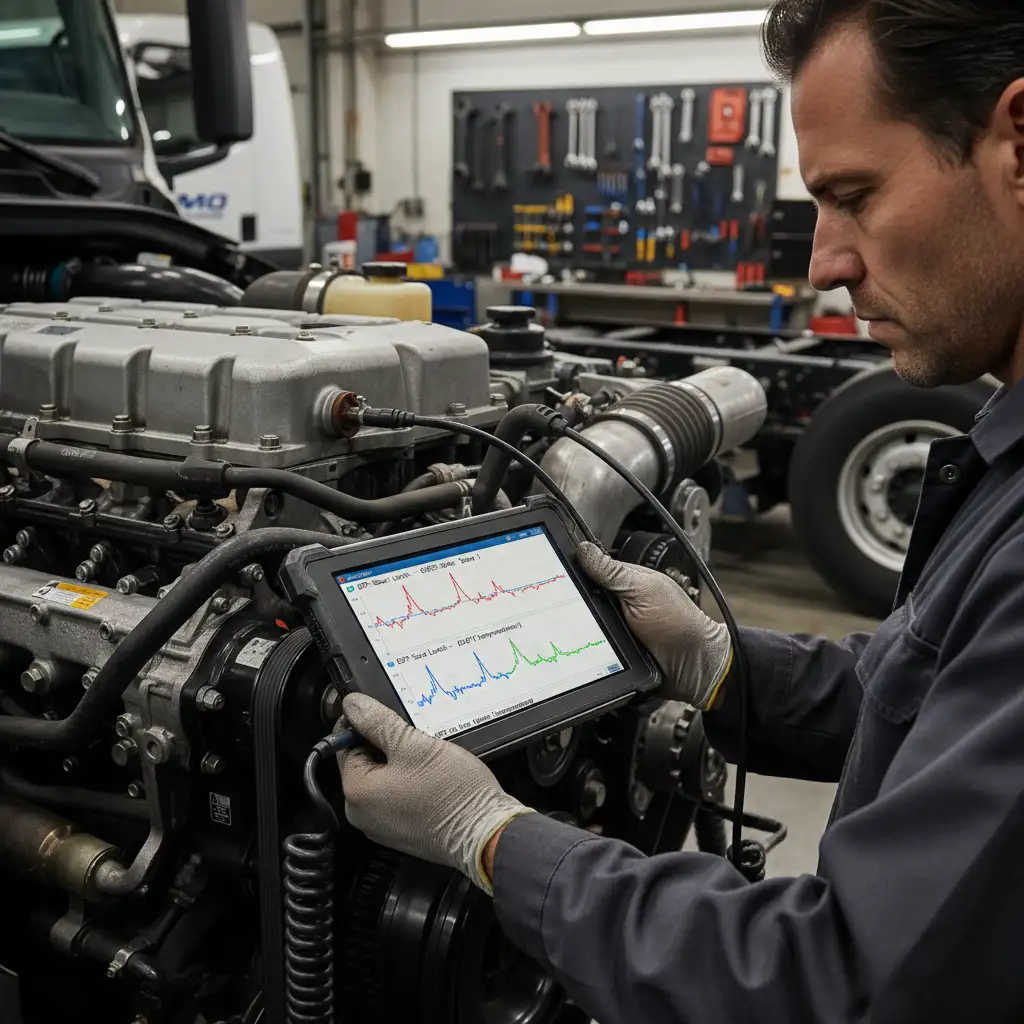
A qualified mobile diesel mechanic can perform a “forced regeneration” on-site using advanced diagnostic software. This process manually heats the exhaust system to incinerate the trapped soot. Beyond regeneration, a comprehensive DPF check involves:
- Differential Pressure Sensor Testing: Ensuring the sensors that monitor flow restriction are reading correctly.
- Soot Load Analysis: Reading the live data to determine the percentage of saturation.
- Vaporizer/Injector Inspection: Checking the components that aid in increasing exhaust temperatures.
Ignoring DPF warnings can lead to catastrophic back-pressure that damages the turbocharger and engine seals. Regular checks by a mobile specialist can prevent a multi-thousand dollar replacement bill.
The Critical Role of Fuel Filters in Modern Diesel Engines
If oil is the blood of an engine, diesel fuel is its food—and modern engines are incredibly picky eaters. Common Rail Diesel (CRD) systems operate at immense pressures, often exceeding 30,000 PSI. At these pressures, even microscopic contaminants or minute amounts of water can destroy fuel injectors and high-pressure pumps.
Why Diesel Fuel Filters Need Frequent Changing
Unlike petrol filters, which often last tens of thousands of kilometers, diesel fuel filters are the first line of defense against dirty fuel and condensation. Diesel is hygroscopic, meaning it attracts water. Water in a diesel injection system causes rust and rapid wear. A high-quality diesel fuel filter includes a water separator to mitigate this risk.
Service Protocols
When booking a mobile diesel mechanic in Auckland, ensure the service includes:
- Primary and Secondary Filter Replacement: Many modern diesels use a two-stage filtration system. Both must be changed.
- System Bleeding: Introducing air into a diesel fuel system can prevent the engine from starting. Mechanics use priming pumps or diagnostic tools to bleed the air out after a filter change.
- Water Sensor Checks: Ensuring the dashboard warning light for “Water in Fuel” is functional.
For more technical details on how diesel fuel injection systems function and the importance of filtration, you can refer to this detailed overview on Common Rail systems on Wikipedia.
Turbo Inspection Basics: Protecting Your Boost
The turbocharger is responsible for the power and efficiency characteristic of modern diesel engines. By forcing more air into the combustion chamber, it allows for a more potent explosion. However, turbos spin at incredibly high speeds (up to 250,000 RPM) and operate under extreme heat. Failures here are often progressive, meaning a trained eye can spot them before they become catastrophic.
Visual and Auditory Inspections
A mobile diesel mechanic will perform a series of checks during a standard service:
- Impeller Inspection: Removing the intake hose to check the compressor wheel for “play” (movement) or damage to the blades.
- Oil Leaks: Checking the intercooler piping for excessive oil, which indicates failing turbo seals.
- Actuator Movement: Ensuring the variable geometry vanes or wastegate are moving freely and not seized by carbon buildup.
- Auditory Checks: Listening for the dreaded “siren noise” or whining, which often precedes total bearing failure.
Preventative maintenance on the turbo involves ensuring high-quality oil is used and changed frequently, as the turbo shares the engine’s oil supply. Sludge in the oil is the number one killer of turbochargers.
AdBlue Top-Ups and SCR System Maintenance
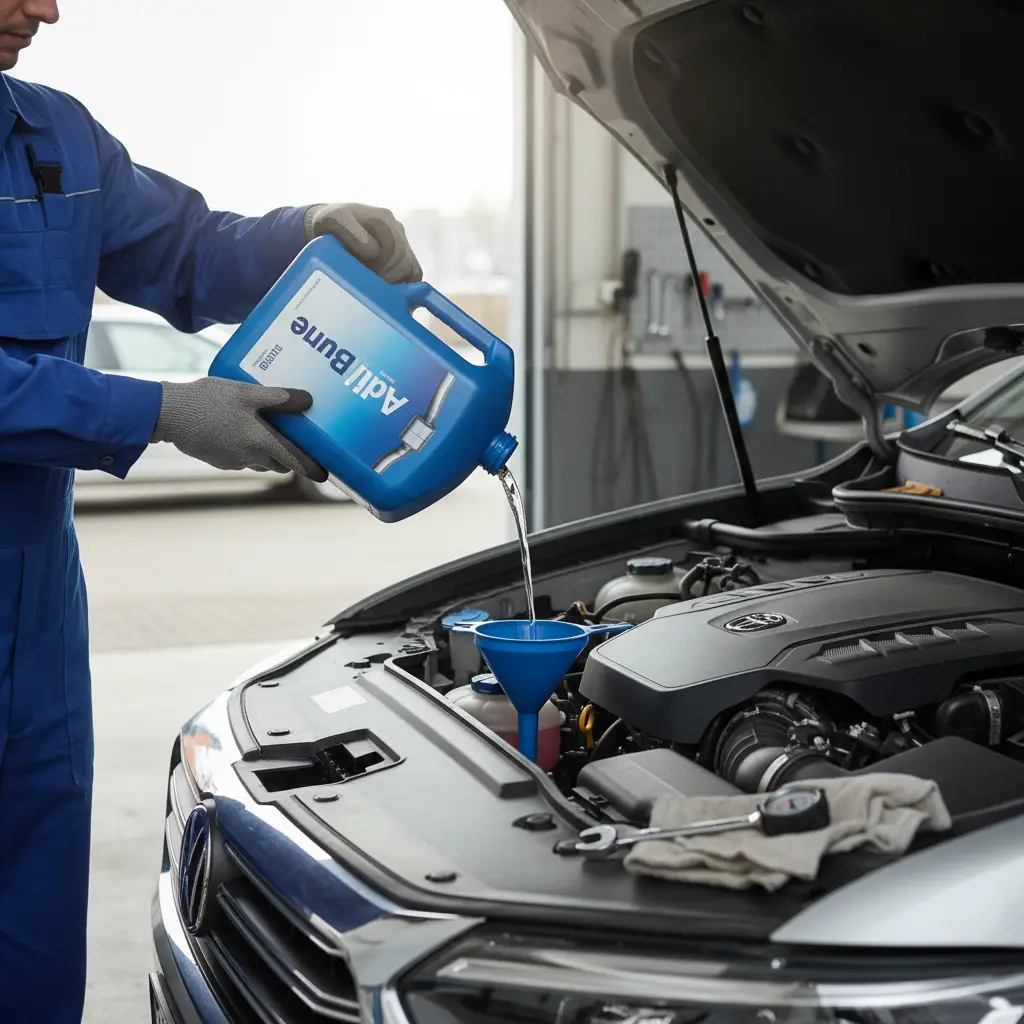
To comply with stringent emission regulations, many modern diesel vehicles utilize Selective Catalytic Reduction (SCR) technology, requiring a fluid known as AdBlue (Diesel Exhaust Fluid). This fluid is injected into the exhaust stream to convert harmful Nitrogen Oxides (NOx) into harmless nitrogen and water.
The Importance of Proper Management
Running out of AdBlue is not an option. Most modern vehicles are programmed to prevent the engine from starting if the AdBlue tank is dry. A mobile diesel mechanic service includes:
- Fluid Top-Up: Using certified ISO 22241 standard fluid. Using low-quality or old fluid can crystallize and block the injector.
- Injector Cleaning: The AdBlue injector often sits in the hot exhaust stream and can become clogged with crystallized urea.
- Heater Element Checks: AdBlue can freeze at low temperatures, so the tank has a heater. If this fails, the system will throw an error code.
Auckland Driving Conditions and Diesel Performance
Auckland presents a unique set of challenges for diesel engines. The geography is hilly, and the traffic congestion is significant. These factors influence how a vehicle should be serviced.
The “Severe Service” Schedule
Most manufacturers have two service schedules: “Normal” and “Severe.” Driving in heavy traffic, short trips (common in Auckland suburbs), or towing boats and trailers places a vehicle in the “Severe” category. This requires more frequent oil changes and filter replacements.
Impact of Idling: Excessive idling in traffic leads to fuel dilution in the engine oil. Unburnt diesel washes past the piston rings and thins the oil, reducing its ability to protect critical components. A mobile mechanic can analyze the oil condition to determine if your service intervals need to be shortened based on your specific commute patterns.
For official regulations regarding vehicle emissions and standards in New Zealand, refer to the NZ Transport Agency (Waka Kotahi) guidelines.
Fleet Maintenance and Commercial Diesel Servicing
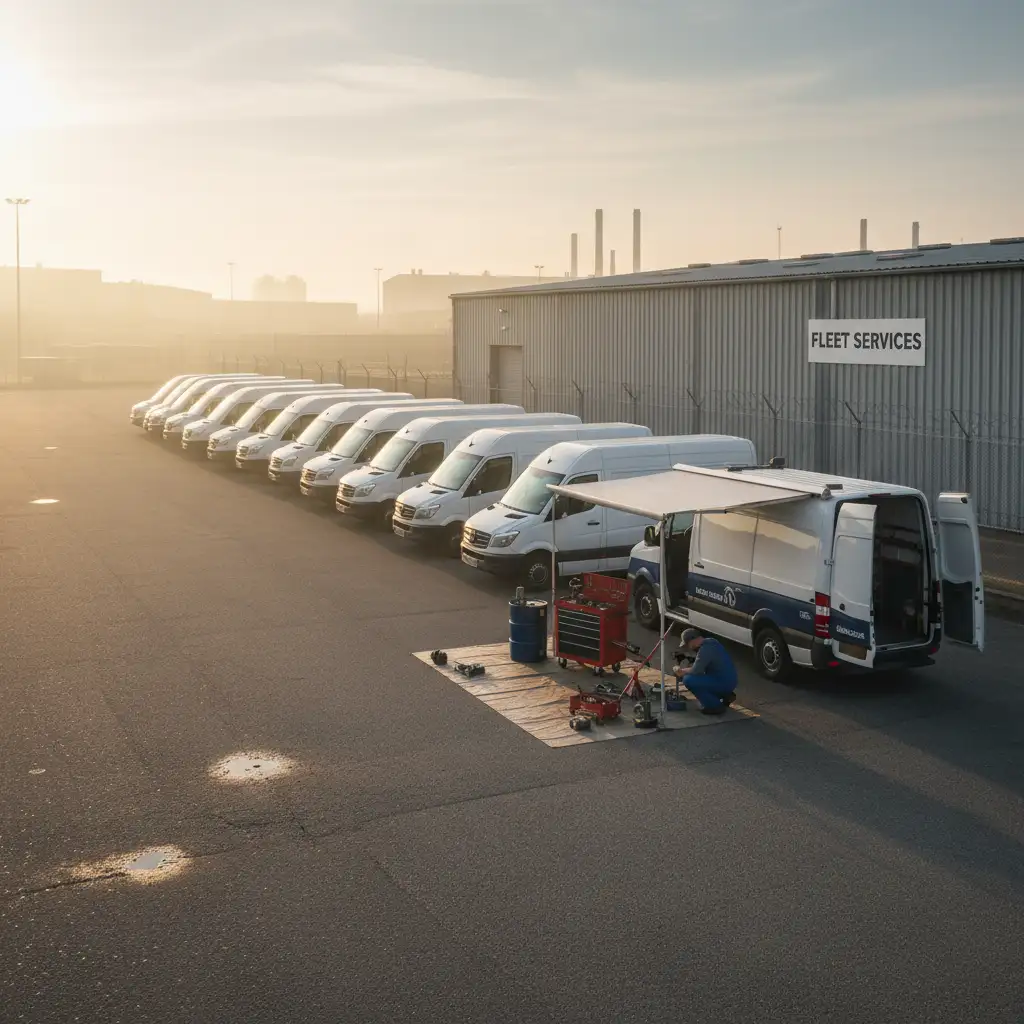
For businesses operating in the logistics, construction, or trade sectors, vehicle downtime equals lost revenue. Relying on a mobile diesel mechanic in Auckland allows for “after-hours” or “between-jobs” servicing.
Logbook Servicing and COF
Commercial vehicles often require a Certificate of Fitness (COF) rather than a standard Warrant of Fitness (WOF). A specialized diesel mechanic understands the stricter requirements of a COF, including brake balance, suspension load ratings, and heavy-duty lighting requirements. Mobile mechanics can perform pre-COF inspections to ensure the vehicle passes on the first attempt, saving the administrative hassle of re-checks.
Conclusion: Booking Your Service
Maintaining a diesel vehicle requires a proactive approach, especially given the complexities of DPFs, turbos, and high-pressure fuel systems. Choosing a mobile diesel mechanic in Auckland offers the dual benefits of expert, specialized care and Expert Mobile Car Service in Auckland: Convenience at Your Doorstep. Whether you need a routine AdBlue top-up, a critical fuel filter change, or a comprehensive diagnostic check, mobile specialists are equipped to keep your diesel engine running smoothly on New Zealand roads.
People Also Ask
How much does a mobile diesel mechanic cost in Auckland?
The cost generally ranges from $180 to $350 NZD for a standard service, depending on the vehicle size and oil capacity. Most mobile mechanics charge a call-out fee (approx. $80-$120) plus an hourly labor rate, but this is often offset by the savings in fuel and time required to visit a workshop.
Can a mobile mechanic fix a blocked DPF on-site?
Yes, in most cases. Mobile mechanics carry diagnostic tools capable of performing a forced DPF regeneration. If the blockage is severe (ash accumulation rather than soot), they may need to remove the filter for off-site chemical cleaning, but initial diagnostics and forced regens are standard on-site procedures.
How often should I change the fuel filter on my diesel vehicle?
It is recommended to change the fuel filter every 20,000 to 40,000 kilometers, or every second oil change. However, if you suspect you have filled up with contaminated fuel, it should be changed immediately to protect the injectors and high-pressure pump.
Do mobile diesel mechanics do pre-purchase inspections?
Yes, pre-purchase inspections are a common service. A mobile diesel expert can check for costly issues like injector blow-by, turbo wear, DPF tampering, and compression issues before you commit to buying a used diesel vehicle.
What happens if I run out of AdBlue while driving?
If you run out of AdBlue while driving, the engine will usually continue to run until you turn it off. However, once the engine is stopped, the vehicle’s computer will likely prevent it from restarting until the AdBlue tank is refilled. It is crucial to top it up as soon as the warning light appears.
Is mobile servicing valid for my new car warranty?
Yes, Warranty-Safe Mobile Servicing is valid provided the mechanic is a qualified professional and uses parts and fluids that meet or exceed the manufacturer’s specifications (OEM equivalent). You do not have to service your vehicle at the dealership to maintain your warranty under New Zealand consumer laws.