
CV joint replacement in Auckland is a critical automotive service that restores your vehicle’s smooth operation and prevents severe damage to the drive train. When these vital components fail, they compromise driving safety and comfort, necessitating prompt, professional attention from an experienced mobile mechanic to ensure optimal vehicle performance.
Identifying Worn CV Joints: Clicking Noises and More
Constant Velocity (CV) joints are integral components of your vehicle’s drive train, transmitting power from the transmission to the wheels at a constant speed while accommodating the varying angles of suspension travel. For Auckland drivers, understanding the signs of wear is crucial for timely intervention and avoiding more costly repairs.
What are CV Joints and Their Function?
Located at both ends of the drive shafts (axles), CV joints allow the wheels to move up and down with the suspension and turn left or right for steering, all while continuously delivering torque. Front-wheel-drive vehicles typically have four CV joints, two on each drive shaft – an inner joint and an outer joint. Rear-wheel-drive and all-wheel-drive vehicles also utilise them in various configurations.
Common Symptoms: Clicking, Popping, Clunking Sounds
The most tell-tale sign of a failing outer CV joint is a distinctive clicking or popping noise when turning, especially at lower speeds or when accelerating from a stop. This sound typically becomes more pronounced as the steering wheel is turned sharply, such as when navigating a tight corner or parking. Inner CV joints, when failing, might produce clunking sounds during acceleration or deceleration, or a vibration felt through the vehicle.
Vibration During Driving
Beyond audible cues, a failing CV joint can manifest as noticeable vibrations throughout the vehicle, particularly when accelerating. These vibrations can range from a subtle shimmy to a more pronounced shake, affecting the steering wheel, floorboard, or seats. Such symptoms indicate that the joint is no longer operating smoothly, leading to imbalance in the drive shaft’s rotation.
Grease Leakage and Visible Damage
One of the earliest visible indicators of a CV joint issue is grease leaking from a damaged CV boot. The boot, a flexible rubber or plastic cover, is designed to keep lubricating grease in and contaminants out. A torn or cracked boot allows grease to escape, which can often be seen splattered on the inside of the wheel or suspension components. This leakage is a precursor to joint failure as the lack of lubrication and ingress of dirt will quickly destroy the joint.
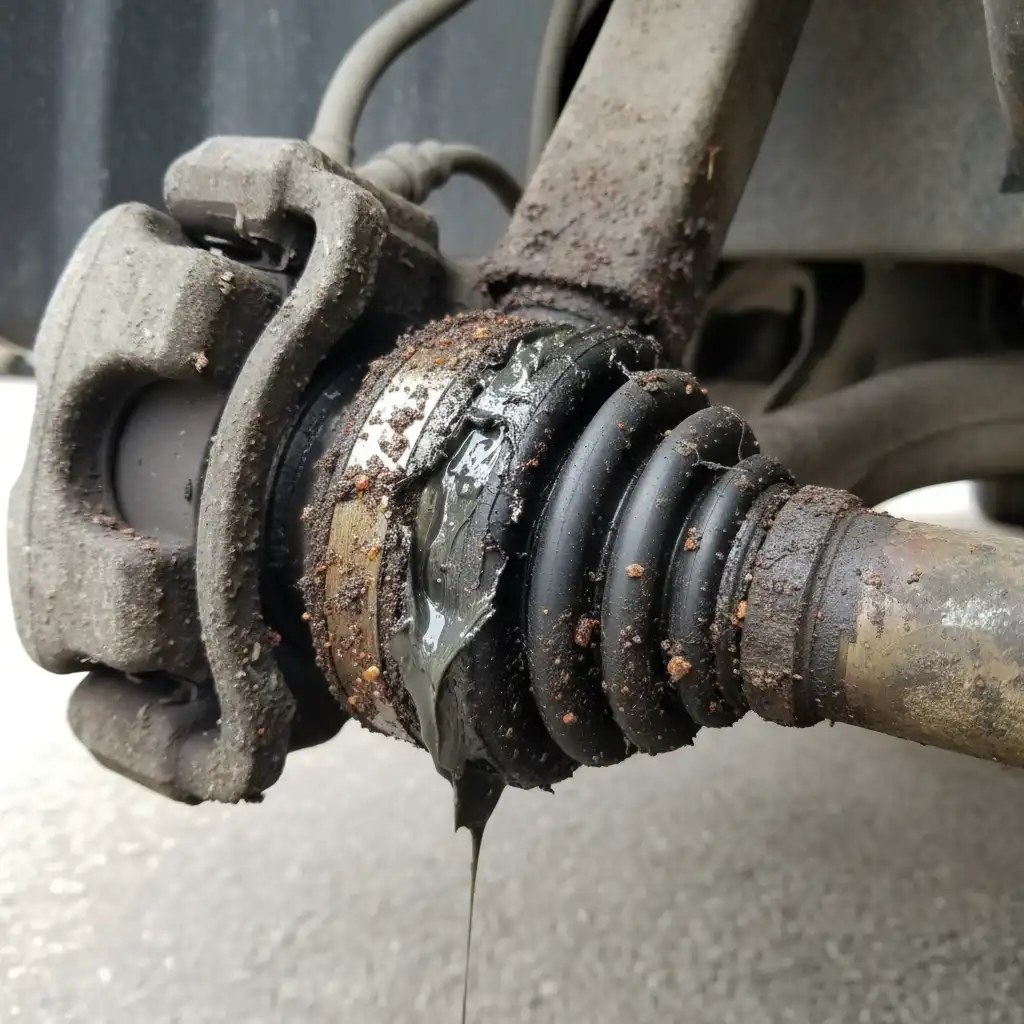
Early detection of these symptoms is paramount. Addressing issues when they first appear can often mean the difference between a simple, more affordable CV boot replacement and a complete, more expensive CV joint replacement. Ignoring these signs can lead to complete joint failure, potentially leaving you stranded and causing secondary damage to other drive train components.
Risks of Damaged CV Boots: Protecting Your Drive Train
While the CV joint itself is a robust piece of engineering, its primary protector, the CV boot, is vulnerable to wear and tear. A damaged boot is not just a minor leak; it’s an open invitation for total joint failure, which can have significant implications for your vehicle’s safety and performance.
The Crucial Role of the CV Boot
The CV boot serves two critical functions: first, it retains the specialised grease that lubricates the CV joint’s intricate internal components, ensuring smooth, friction-free operation. Second, it acts as a barrier, preventing harmful contaminants like dirt, dust, water, and road grit from entering the joint. Without this protection, the highly precise internal bearings and cage of the CV joint are exposed.
How Boots Get Damaged: Cracks, Tears, Wear
CV boots are exposed to harsh conditions, including extreme temperature fluctuations, road debris, and constant flexing as the suspension moves. Over time, the rubber or thermoplastic material can degrade, leading to cracks, tears, or splits. These can also be caused by impact with road hazards or simply old age and material fatigue. Once the boot’s integrity is compromised, the clock starts ticking for the CV joint.
Consequences of a Torn Boot: Contamination (Dirt, Water)
A torn boot instantly exposes the grease-filled joint to the outside environment. As the wheel rotates, centrifugal force slings the lubricating grease out, and simultaneously, road contaminants are flung into the joint. Dirt, sand, and water mix with the remaining grease, forming an abrasive paste that rapidly grinds away at the internal components. This accelerated wear quickly leads to looseness and eventual failure of the joint.
Loss of Lubrication: Accelerated Wear
With the protective boot compromised, the vital lubricating grease escapes, leaving the joint to run dry. Metal-on-metal friction increases dramatically, generating heat and causing rapid wear. The smooth, constant motion the joint is designed for turns into a grinding, binding action, exacerbating any existing damage from contamination.
The Progression from Boot Damage to Joint Failure
The progression is often swift. A small tear in a boot might seem innocuous, but within weeks or months, depending on driving conditions, the lack of lubrication and presence of abrasive materials will cause significant play and noise in the joint. Eventually, the joint will seize or break apart, leading to a loss of drive to the affected wheel. According to sources like Wikipedia, the design of CV joints requires precise lubrication and protection to maintain their intended function, highlighting the importance of the boot. You can learn more about Constant Velocity Joints on Wikipedia.
Safety Implications of a Failing CV Joint
Beyond the inconvenience of being stranded, a completely failed CV joint poses significant safety risks. If a joint breaks while driving, you could suddenly lose power to the wheel, or worse, the drive shaft could detach, potentially causing loss of vehicle control, especially at higher speeds. This underscores why prompt attention to even a minor boot tear is not just about maintenance, but about road safety for yourself and others in Auckland.
On-Site CV Joint & Boot Inspection in Auckland
For busy individuals and businesses in Auckland, the prospect of taking a vehicle to a workshop for diagnostics can be a significant time commitment. This is where mobile mechanics offer an unparalleled advantage, bringing expert CV joint and boot inspection directly to your location.
The Convenience of Mobile Mechanics for CV Issues
Imagine your car making a clicking noise, and instead of rearranging your schedule to drop it off at a garage, a qualified mechanic comes to your home or workplace. Auckland’s mobile mechanics provide this exact convenience, making the process of diagnosing and repairing CV joint issues far less disruptive. This on-site service is particularly beneficial for vehicles that might not be safe to drive to a workshop due to potential CV joint failure.
What a Professional Inspection Entails
A thorough mobile inspection for CV joint and boot issues typically involves several key steps. The mechanic will first listen to your description of the symptoms, paying close attention to when and how the noises or vibrations occur. This initial conversation helps narrow down the potential cause and location of the problem.
Visual Checks for Boot Integrity
The mechanic will then lift the vehicle (if necessary and safe) or turn the wheels to gain clear access to the drive shafts. A meticulous visual inspection of all CV boots – both inner and outer – will be performed. They will look for any signs of cracks, tears, splits, or punctures. Evidence of grease leakage, often seen as dark, oily residue splattered on the wheel well, suspension components, or the inside of the tire, is a strong indicator of boot damage.

Test Drives to Diagnose Sounds and Vibrations
If the visual inspection doesn’t reveal immediate answers or to confirm a diagnosis, the mobile mechanic will often conduct a test drive. This allows them to replicate the conditions under which you’ve experienced symptoms, such as sharp turns, acceleration, or braking. Listening carefully for specific clicking, popping, or clunking sounds, and feeling for vibrations, provides invaluable diagnostic information about the health of the CV joints.
Tools and Expertise for Accurate Diagnosis
Mobile mechanics are equipped with the necessary tools, including jacks, stands, and diagnostic lights, to perform a comprehensive inspection. More importantly, they bring years of expertise in identifying the subtle nuances of CV joint failure. Their experience allows them to differentiate between CV joint noises and other similar sounds that might originate from wheel bearings, steering components, or suspension issues, ensuring an accurate diagnosis.
Cost-Effectiveness of Early Mobile Diagnosis
Opting for an early mobile diagnosis in Auckland can be highly cost-effective. By identifying a torn boot before the CV joint is compromised, you can often get away with a simpler, less expensive boot replacement. Delaying diagnosis, or waiting for the joint to fail completely, will inevitably lead to the need for a full, more expensive CV joint replacement, potentially leaving you with significant repair bills and inconvenient downtime. An early diagnosis saves both time and money.
Professional CV Joint & Boot Replacement for Smooth Driving
Once a CV joint or boot issue has been diagnosed, the next crucial step is professional repair or replacement. In Auckland, selecting a skilled mobile mechanic for this service ensures that your vehicle receives high-quality attention, leading to restored performance and long-term reliability.
When is CV Joint Replacement Necessary vs. Boot Repair?
The decision between repairing a boot and replacing the entire CV joint hinges on the extent of the damage. If a CV boot is caught early with only a minor tear and no significant contamination or noise from the joint itself, a boot replacement kit, which includes a new boot and fresh grease, might suffice. However, if the boot has been torn for an extended period, or if the joint is already producing clicking, popping, or grinding noises, indicating internal wear and damage, then a full CV joint replacement is almost always necessary. Attempting to just replace the boot on an already damaged joint is a temporary fix that will likely lead to further issues soon.
The CV Joint Replacement Process
Replacing a CV joint is a precise and often labour-intensive task. The process typically involves:
- Safely lifting and supporting the vehicle.
- Removing the wheel and brake calliper/rotor assembly.
- Disconnecting components like the tie rod end or lower control arm to create clearance.
- Draining transmission fluid (if applicable for inner joints).
- Unbolting or releasing the drive shaft from the transmission/transaxle and the wheel hub.
- Removing the old drive shaft assembly.
- Installing a new, pre-assembled drive shaft (often the most efficient and reliable method, especially for outer joints) or carefully disassembling the old joint, cleaning, re-greasing, and fitting new boots (more common for inner joints or when only a boot needs replacing).
- Reassembling all components, ensuring correct torque specifications.
- Refilling transmission fluid (if drained) and performing a final inspection.
High-Quality Parts and Workmanship
The longevity of your CV joint repair largely depends on the quality of the replacement parts and the expertise of the mechanic. Reputable mobile mechanics in Auckland use high-grade, OE (Original Equipment) equivalent or better aftermarket parts that meet stringent manufacturing standards. Coupled with their professional workmanship, this ensures the new joint will perform reliably for many kilometres to come. Improper installation or using inferior parts can lead to premature failure, requiring another costly repair.
Benefits of Professional Mobile Service in Auckland
Choosing a professional mobile mechanic for CV joint replacement offers several advantages beyond convenience. They provide transparent pricing, often offering competitive rates as they have lower overheads than traditional workshops. Their expertise means the job is done right the first time, backed by warranties on parts and labour. Furthermore, the ability to have the repair done at your home or office minimises vehicle downtime, allowing you to get back on the road sooner.

Many modern vehicles have complex suspension and drivetrain systems, and proper CV joint replacement requires specific tools and knowledge to avoid damaging other components. A professional service ensures these intricacies are handled with care and precision, from ensuring proper torque on fasteners to refilling fluids correctly. This attention to detail contributes significantly to vehicle safety and longevity.
Preventative Maintenance Tips for CV Joints
While CV joints are designed to be durable, some preventative measures can extend their life. Regularly inspecting your CV boots for any signs of cracking or tearing, especially during routine service, is crucial. Addressing a torn boot promptly, before the joint itself is compromised, can save you significant repair costs. Avoiding harsh driving conditions, such as driving through deep potholes or over uneven terrain at high speeds, can also reduce stress on the joints and boots. For further insights into car maintenance, reputable automotive resources like RACV’s guide to CV Joints offer excellent advice.
Choosing the Right Mobile Mechanic for CV Services in Auckland
When facing a CV joint or boot issue, selecting a reliable and skilled mobile mechanic in Auckland is paramount. The right professional will not only provide excellent service but also peace of mind, knowing your vehicle is in capable hands.
What to Look for in a Service Provider
Begin by seeking mobile mechanics who specialise in drive train and suspension work. While many mechanics can perform CV joint replacements, those with specific expertise in this area often have more efficient processes and a deeper understanding of potential complications across various vehicle makes and models.
Experience and Expertise with Specific Vehicle Types
Enquire about their experience with your specific vehicle make and model. Some vehicles have more complex CV joint assemblies than others. A mechanic familiar with your car’s design can perform the repair more accurately and efficiently, avoiding potential pitfalls associated with less common configurations or specialised tools required.
Transparent Pricing and Quotes
A reputable mobile mechanic will always provide a clear, itemised quote before commencing any work. This quote should detail the cost of parts (e.g., new CV joint assembly, boot kit, grease) and labour. Be wary of mechanics who are vague about pricing or demand payment upfront without a detailed estimate. Transparency builds trust and helps you budget for the repair.
Customer Reviews and Reputation
In today’s digital age, checking online reviews and testimonials is an excellent way to gauge a mechanic’s reputation. Look for feedback on platforms like Google Reviews, Facebook, or local Auckland directories. Pay attention to comments regarding their professionalism, punctuality, quality of work, and customer service. Consistent positive feedback is a strong indicator of a reliable service provider.
Warranty on Parts and Labor
A professional mobile mechanic should offer a warranty on both the parts they install and the labour performed. This warranty provides protection against premature failure of the new components or issues arising from the installation. Understand the terms and duration of the warranty before proceeding with the repair, as it reflects the mechanic’s confidence in their work.
By considering these factors, you can confidently choose an Auckland mobile mechanic who will provide exceptional service for your CV joint and boot repair needs, ensuring your vehicle’s safety and restoring its smooth, reliable performance.
In conclusion, the health of your vehicle’s CV joints and boots is vital for safe and comfortable driving. Timely identification of issues, understanding the risks of neglect, and opting for professional mobile mechanic services in Auckland are key to maintaining your vehicle’s drive train integrity. Don’t let clicking noises or grease leaks turn into a major breakdown; proactive repair ensures your journeys remain smooth and worry-free. For expert on-site CV joint replacement and boot repair, trust a local Auckland mobile mechanic to get you back on the road efficiently and safely.
People Also Ask
What are the typical costs for CV joint replacement in Auckland?
The cost for CV joint replacement in Auckland can vary significantly based on the vehicle make and model, whether it’s an inner or outer joint, and the quality of the parts used. Generally, you can expect to pay anywhere from NZD $300 to $800+ per joint, including parts and labour, for a mobile mechanic service. This is an estimate, and a precise quote should always be obtained after an inspection.
How long does a CV joint replacement take for a mobile mechanic?
For an experienced mobile mechanic, a single CV joint replacement typically takes between 1.5 to 3 hours, depending on the vehicle’s complexity and whether it’s an inner or outer joint. This time includes setting up, performing the replacement, and testing the vehicle afterward. Mobile services save you the time of driving to and from a workshop.
Can I drive with a clicking CV joint?
While it might be possible to drive short distances with a clicking CV joint, it is highly unadvised. A clicking sound indicates the joint is failing, and continued driving can lead to complete failure, potentially causing a loss of power to the wheel, severe damage to other drive train components, or even loss of vehicle control. It’s best to have it inspected and repaired as soon as possible.
Is it better to replace the whole drive shaft or just the CV joint?
Often, replacing the entire drive shaft (which includes both inner and outer CV joints) is recommended and more cost-effective, especially for outer joint failures. This is because drive shafts often come as complete assemblies, and replacing just the joint can be more labour-intensive and sometimes less reliable if the shaft itself has subtle wear. Your mobile mechanic will advise on the best solution for your specific situation.
How often should CV boots be inspected?
CV boots should ideally be inspected during every routine service or oil change, typically every 6 to 12 months or every 10,000 to 15,000 kilometres. Regular visual checks for cracks, tears, or grease leakage can help catch issues early, preventing costly CV joint damage.
What is the difference between an inner and outer CV joint?
The outer CV joint is located at the wheel end of the drive shaft, connecting to the wheel hub. It allows the wheel to steer and move with the suspension. The inner CV joint is located at the transmission/transaxle end of the drive shaft. It accommodates the changing length of the drive shaft as the suspension moves up and down, and allows for angle changes. Both are crucial for power delivery and suspension articulation.