
Car won’t start troubleshooting in Auckland generally revolves around three primary systems: the electrical supply (battery), the cranking mechanism (starter motor), or the combustion requirements (fuel and ignition). If you hear a rapid clicking sound, the issue is likely a depleted battery, whereas a complete lack of noise often points to a starter failure or ignition switch issue.
There are few situations more frustrating than turning your key in the ignition or pressing the start button, only to be met with silence or a disheartening clicking sound. For Auckland drivers, whether you are stuck in the CBD, stranded on the North Shore, or parked in your driveway in Manukau, a non-starting vehicle disrupts your entire day. The humid maritime climate and the stop-start nature of Auckland traffic can place unique stresses on vehicle components, accelerating wear on batteries and charging systems.
This comprehensive guide is designed to help you navigate the stress of a breakdown. We will explore the mechanical and electrical reasons behind starting failures, provide actionable checks you can perform safely, and explain how mobile mechanics in Auckland offer a superior, convenient solution to getting you back on the road without the hassle of towing.
Common Reasons a Car Fails to Start
To effectively troubleshoot why a car won’t start, one must understand the sequence of events required to bring an engine to life. It is a complex interplay of electricity, mechanical rotation, fuel delivery, and spark timing. When one link in this chain breaks, the engine remains dormant.
The Dreaded Dead Battery
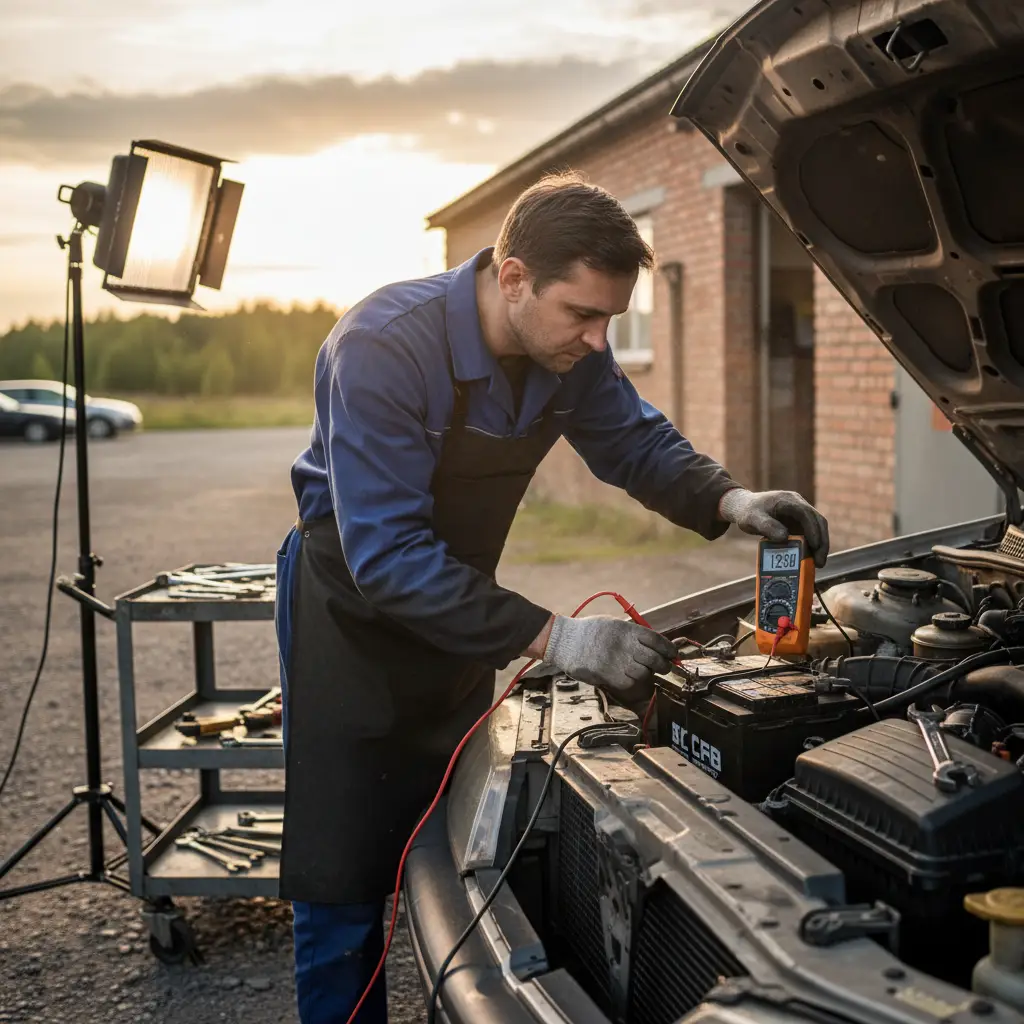
By far the most common culprit for starting issues in Auckland is the lead-acid battery. Batteries rely on a chemical reaction to store and release energy. Over time, or due to extreme temperature fluctuations, this ability diminishes. In Auckland, where winter mornings can be chilly and damp, a weak battery often fails to deliver the necessary “Cold Cranking Amps” (CCA) required to turn the engine over.
Symptoms of a dead battery include:
- Sluggish Cranking: The engine turns over much slower than usual, sounding like a deep groan.
- Rapid Clicking: A machine-gun-like clicking sound indicates the starter solenoid is engaging, but there isn’t enough power to spin the motor.
- Dim Lights: Dashboard lights or headlights appear significantly dimmer than normal.
Starter Motor Failure
If your battery is in good health and fully charged, but the car still refuses to start, the starter motor is the next likely suspect. The starter is a heavy-duty electric motor that physically spins the engine’s flywheel to initiate the combustion cycle. It is a mechanical component subject to wear and tear.
When a starter motor fails, it often happens without warning. You might turn the key and hear absolutely nothing—no click, no crank. Alternatively, you might hear a single, loud “clunk” sound. This indicates the pinion gear has moved into position but the motor itself has failed to spin. In some cases, the starter may spin with a high-pitched whine but fail to engage the engine, a phenomenon known as “freewheeling.”
Alternator Issues
While the battery starts the car, the alternator keeps it running and recharges the battery while you drive. If your alternator fails, your car will run entirely off the battery’s stored power until it is completely drained. This often leads to a situation where the car dies while driving or refuses to restart after a short trip.
A tell-tale sign of alternator failure is the battery warning light illuminating on the dashboard while the engine is running. If you ignore this light, you will eventually find yourself stranded. According to Wikipedia, modern automotive alternators are essential for powering the vehicle’s increasing number of electronic systems, making their health critical for reliable operation.
Fuel System and Ignition Problems
If the engine cranks over at a normal speed but simply refuses to “catch” or fire, the problem likely lies with fuel or spark.
- Fuel Delivery: A clogged fuel filter, a failed fuel pump, or empty tank can prevent petrol or diesel from reaching the cylinders. In modern vehicles, a faulty fuel pump relay is a common, inexpensive point of failure.
- Ignition System: In petrol cars, spark plugs ignite the fuel-air mixture. Worn spark plugs, faulty ignition coils, or damaged high-tension leads can prevent combustion. If you are troubleshooting a car that cranks but won’t start in wet Auckland weather, moisture in the distributor cap (on older cars) or ignition coils can be the cause.
Simple Checks You Can Do Before Calling Help
Before you call for a mobile mechanic or a tow truck, there are several safe, non-invasive checks you can perform. These simple troubleshooting steps can sometimes resolve the issue or at least provide valuable information to the mechanic.
Check Your Battery Connections
Corrosion is the enemy of electrical conductivity. Open your bonnet and inspect the battery terminals. If you see a buildup of white or blue powdery substance (lead sulphate), this corrosion creates resistance that can prevent the battery from delivering power to the starter.
The Fix: Ensure the car is off. If the terminals look corroded, you can try wiggling the cable clamps (carefully) to see if a better connection can be made temporarily. However, professional cleaning and tightening are the permanent solutions.
Verify Gear Position and Security Systems
It sounds incredibly simple, but thousands of “breakdowns” every year are caused by the gear selector not being fully engaged in “Park” or “Neutral.” Automatic vehicles have a neutral safety switch that prevents the engine from starting if the car is in gear. Try shifting to Neutral and attempting to start the car, or firmly pushing the lever back into Park.
Additionally, check your security system. If the immobilizer light is flashing rapidly on your dashboard, your car key may not be communicating correctly with the vehicle’s computer. Try locking and unlocking the doors with the remote to reset the system.
Listen to the Fuel Pump
Turn your key to the “On” position (the last click before the engine cranks). In a quiet environment, you should be able to hear a faint, low-pitched hum coming from the rear of the vehicle for 2-3 seconds. This is the fuel pump priming the system. If you do not hear this sound, and the car cranks but won’t start, you likely have a fuel pump issue or a blown fuel pump fuse.

Expert Mobile Diagnosis for Starting Issues
When simple checks fail, professional diagnosis is required. In the past, this meant organizing a tow truck to drag your vehicle to a workshop, leaving you without transport for days. Today, the landscape of automotive repair in Auckland has shifted towards mobile mechanics who bring the workshop to you.
Why Choose a Mobile Mechanic in Auckland?
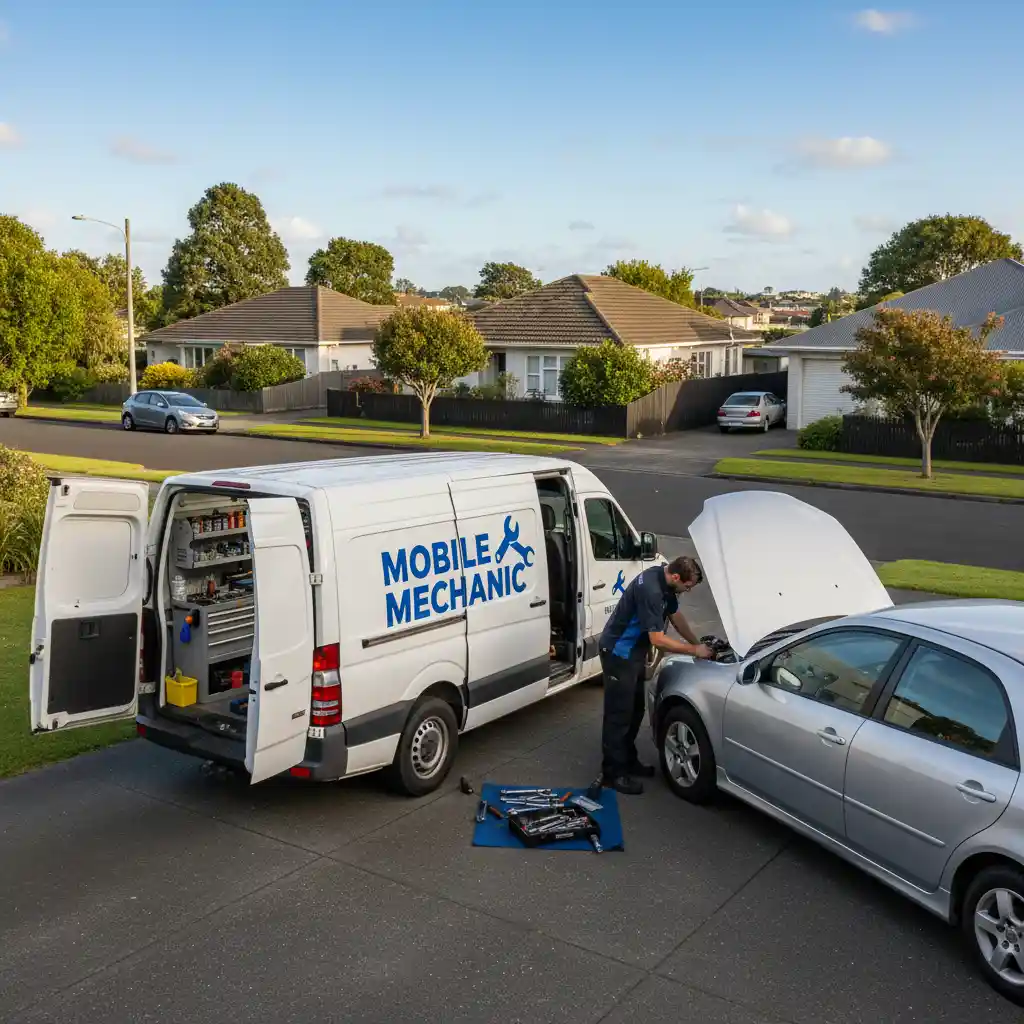
Mobile mechanics offer a distinct advantage for “no-start” situations. Because the vehicle is immobile, the traditional model requires a tow—an added expense and logistical headache. A mobile mechanic arrives at your location, whether it is a roadside emergency on the Great South Road or a driveway repair in Ponsonby.
Benefits include:
- Cost Efficiency: Eliminating towing fees often makes the total repair cost lower.
- Transparency: You can watch the mechanic work and have the problem explained to you in person, right in your driveway.
- Speed: Many starting issues, such as battery replacements or starter motor repairs, can be completed in under an hour once the mechanic arrives.
Advanced Diagnostic Tools
Modern vehicles are computers on wheels. A professional mobile mechanic carries sophisticated OBD2 (On-Board Diagnostics) scanners that interface with your car’s ECU (Engine Control Unit). When a car won’t start, the computer often stores a “fault code” even if the check engine light hasn’t had time to trigger.
For example, a failed crankshaft position sensor will prevent the car from starting because the computer doesn’t know when to fire the spark plugs. A physical inspection might miss this, but a diagnostic scanner will identify the lack of RPM signal immediately. This level of precision ensures that you aren’t paying for parts you don’t need.
Get Your Car Running Again Fast in Auckland
Living in Auckland requires a reliable vehicle. The city’s sprawl makes public transport a challenge for many, and downtime is not an option. If you are facing a car that won’t start, acting quickly is key to minimizing disruption.
Service Areas and Response Times
Top-tier mobile mechanics in Auckland cover the wider supercity region. From the rolling hills of Albany and the busy commercial hubs of Henderson to the residential streets of Remuera and the industrial sectors of Penrose, help is usually nearby. Traffic in Auckland can dictate arrival times, but mobile units are dispatched strategically to ensure the closest available technician reaches you.
Preventative Maintenance to Avoid Future Failures
Once your car is running, the goal is to keep it that way. Many starting issues are preventable with regular maintenance. This includes:
- Battery Testing: Have your battery load-tested annually, especially before winter.
- Connection Cleaning: Keeping terminals clean ensures optimal current flow.
- Regular Servicing: Changing fuel filters and spark plugs at recommended intervals reduces strain on the ignition system.
By understanding the basics of troubleshooting and utilizing the convenience of mobile repair services, you can turn a major automotive headache into a minor inconvenience. Whether it is a flat battery or a complex electrical fault, Auckland’s mobile mechanics are equipped to get you moving again.
Frequently Asked Questions
Why is my car making a clicking sound but won’t start?
A rapid clicking sound usually indicates a dead or weak battery. The starter solenoid tries to engage, but there isn’t enough voltage to turn the engine. If you hear a single loud click, it could be a faulty starter motor or a seized engine.
Can a mobile mechanic fix a starter motor at my house?
Yes, mobile mechanics are fully equipped to replace starter motors on-site. They carry the necessary tools to lift the vehicle safely and access the starter motor, saving you the cost of a tow truck.
How much does it cost to diagnose a car that won’t start in Auckland?
Call-out and diagnostic fees vary, but generally range between $80 and $150 NZD depending on your location and the time of day. This fee typically covers the mechanic’s travel and the initial hour of labor to identify the fault.
Is it the battery or the alternator?
If the car starts with jump leads but dies soon after removing them, it is likely the alternator. If the car runs fine after a jump start but won’t start again after you park it, the battery is likely unable to hold a charge.
What should I do if my car cranks but won’t start?
If the engine is turning over but not starting, check your fuel level first. If you have fuel, the issue is likely a lack of spark, a clogged fuel filter, or a sensor failure. Avoid cranking continuously as this can drain the battery and damage the starter.
Do mobile mechanics carry replacement batteries?
Most Auckland mobile mechanics carry a stock of common battery sizes in their vans. If your battery is diagnosed as dead, they can usually install a high-quality replacement immediately.