
When your car makes a rattling noise while driving in Auckland, it often indicates a mechanical issue that requires prompt attention. This guide will help you understand the common causes of these sounds, how to identify their source, and why a mobile diagnosis from an Auckland mechanic offers a convenient and effective solution to restore your vehicle’s quiet operation and safety.
Common Causes of Car Rattling Noises
A rattling noise emanating from your vehicle can be disconcerting, often signaling a component that has come loose, worn out, or is on the verge of failure. Understanding the prevalent sources of these sounds is the first step toward effective diagnosis and repair.
Loose Exhaust Components
One of the most frequent culprits for a rattling sound, especially when accelerating or going over bumps, is a loose exhaust system. This can manifest as a rattling catalytic converter, a loose heat shield, or worn exhaust hangers. Heat shields are thin metal sheets designed to protect underbody components from the high temperatures of the exhaust system. Over time, their fasteners can corrode or break, causing them to vibrate against the exhaust pipe or chassis. Similarly, the rubber hangers supporting the exhaust system can degrade, allowing the exhaust pipe to bounce and hit other parts of the undercarriage. A rattling muffler or catalytic converter might indicate internal damage or loose baffling, which can restrict exhaust flow and affect engine performance.
Suspension and Steering Issues
The suspension system, vital for a smooth ride and stable handling, is another common source of rattles, particularly noticeable when driving over uneven surfaces or bumps. Worn or loose sway bar links, ball joints, control arm bushings, or tie rod ends can all produce distinct clunking or rattling noises. Sway bar links connect the sway bar to the suspension components, helping reduce body roll. When their bushings wear out, metal-on-metal contact creates a rattle. Ball joints, crucial pivots in the steering knuckle, can also develop play and produce rattling sounds as they articulate. Identifying these issues early is critical, as they can compromise steering precision and overall safety.
Engine Bay Rattles
Rattling sounds originating from under the bonnet can range from minor annoyances to serious mechanical warnings. Loose engine heat shields, similar to exhaust heat shields, can vibrate against engine components. Accessory belt tensioners, idler pulleys, or even loose engine mounts can generate rattling or knocking sounds, particularly noticeable at specific RPMs or during engine startup and shutdown. Sometimes, loose components like air filter boxes or plastic covers might also produce less critical but irritating rattles. Ignoring engine bay rattles, especially if accompanied by other symptoms like loss of power or warning lights, can lead to more significant and costly repairs.
Brake System Noises
While often associated with squeals or grinding, the braking system can also be a source of rattling. This typically occurs when brake caliper components become loose, such as the caliper mounting bolts or the anti-rattle clips designed to hold the brake pads snugly in place. When these clips are missing or damaged, the brake pads can move slightly within the caliper, leading to a rattling noise, particularly over bumps or when applying light pressure to the brake pedal. In rare cases, a loose wheel bearing or a bent dust shield could also mimic a brake system rattle.
Interior and Exterior Trim Rattles
Not all rattles signify a serious mechanical fault. Sometimes, the noise originates from loose interior trim panels, dashboard components, glove box contents, or even exterior elements like roof racks, mud flaps, or license plates. These are usually less concerning for vehicle safety but can be incredibly annoying. Pinpointing these can be challenging, but they typically don’t change with vehicle speed or engine load in the same way mechanical rattles do. A simple visual inspection and gentle prodding of panels can often reveal the source.
Identifying the Source of the Sound
Precisely identifying where a rattling sound is coming from can be challenging, as noises often reverberate through the vehicle, making the original source seem ambiguous. A systematic approach to observation can significantly aid in diagnosis.
Listen Carefully: When and Where?
The conditions under which the rattling occurs are crucial clues. Does it happen:
- Only over bumps? This often points to suspension components, exhaust system, or underbody loose parts.
- When turning? This could suggest issues with steering components like ball joints or tie rods, or even CV joints.
- During acceleration or deceleration? This might indicate engine mounts, exhaust issues, or drivetrain components.
- At specific speeds? Could be related to wheel bearings, tire balance, or drive shaft issues.
- When braking? Points to brake system components like loose calipers or pads.
- Engine idling or off? Helps differentiate between engine-specific noises and chassis-related ones.
- From a specific side of the car (left, right, front, rear)? This narrows down the area for investigation.
Paying close attention to these details can provide invaluable information to a mechanic. For instance, a rattle that appears only when the car is cold and disappears after warming up might point to specific heat expansion issues.
Replicate the Sound Safely
If safe to do so, try to replicate the sound under controlled conditions. This might involve driving slowly over minor bumps in a quiet area, gently rocking the car while stationary, or even having a passenger listen carefully while you drive. Be cautious and always prioritize safety, especially if the sound suggests a critical mechanical failure. Sometimes, simply having the car on a lift and gently tapping components can reveal the source of a subtle rattle.
Visual Inspection: What to Look For
Before calling a mechanic, a quick visual inspection can sometimes reveal obvious issues. Look for:
- Loose exhaust pipes, mufflers, or catalytic converters.
- Sagging or damaged rubber exhaust hangers.
- Loose or bent heat shields around the exhaust or engine.
- Obvious signs of damage or extreme wear on suspension components (e.g., torn rubber boots on ball joints, visible play in linkages).
- Loose items in the engine bay or under the dashboard.
Even if you can’t identify the exact cause, noting any visible anomalies will assist a professional. For more in-depth information on the various sounds your car can make and their potential causes, resources like Wikipedia’s Automobile Suspension page offer excellent foundational knowledge.
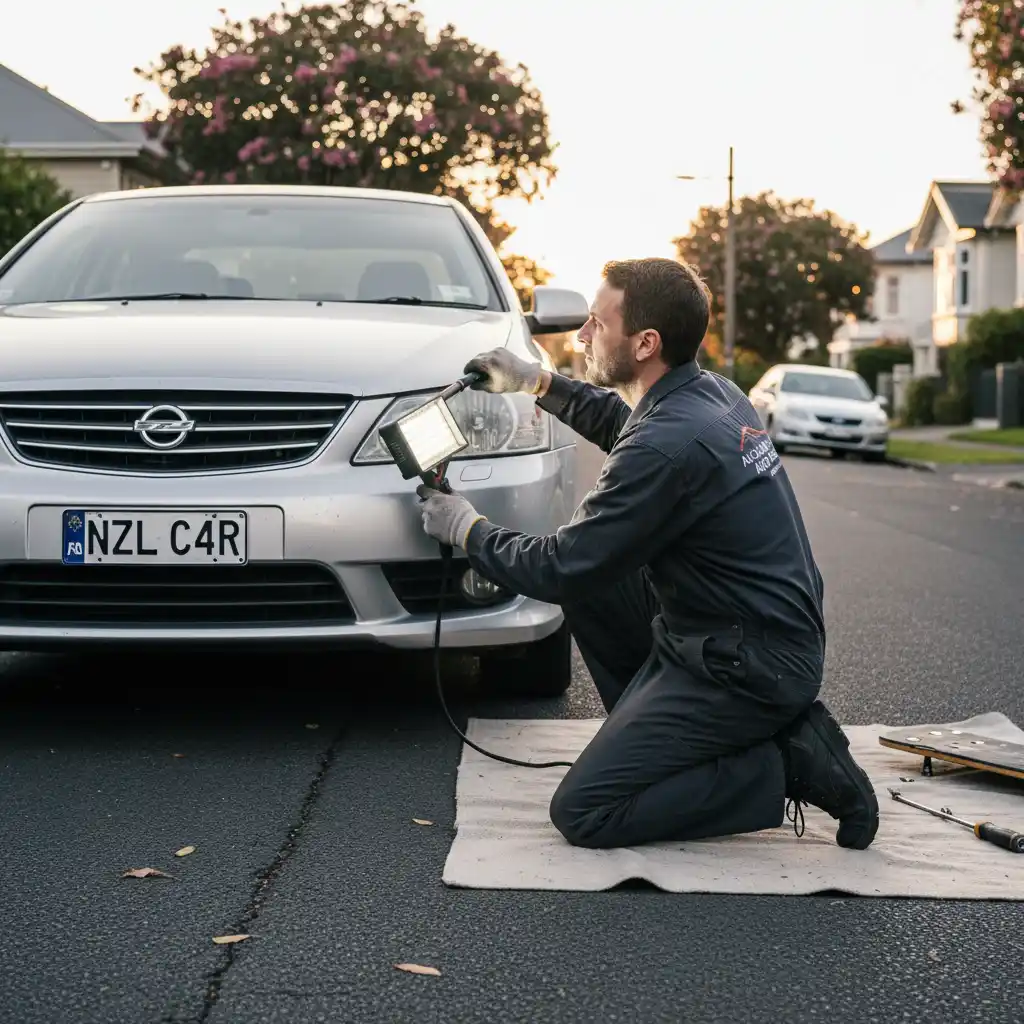
On-Site Inspection for Loose Components
When dealing with persistent car rattles, a professional on-site inspection is often the most effective solution. This is where the benefits of an Auckland mobile mechanic truly shine, bringing expertise and diagnostic tools directly to your location.
The Advantage of Mobile Mechanics in Auckland
For Auckland residents, a mobile mechanic offers unparalleled convenience. Instead of arranging a tow or driving a potentially problematic vehicle to a workshop, the mechanic comes to you. This is particularly advantageous for diagnosing rattling noises, as the mechanic can often hear the sound firsthand in your usual driving environment or inspect the vehicle where it typically rests. They arrive with a fully equipped van, capable of performing a comprehensive diagnostic check right in your driveway, workplace, or even roadside if necessary. This on-site service minimizes disruption to your day and provides peace of mind.
Suspension and Underbody Check
A mobile mechanic will typically begin with a thorough inspection of the vehicle’s suspension and underbody. Using jacks or ramps (if suitable for the location), they can safely lift the car to gain access to critical components. They will meticulously check:
- Exhaust System: Inspecting all hangers, mounts, and heat shields for looseness, corrosion, or damage. They’ll also check the catalytic converter and muffler for internal rattles.
- Suspension Components: Examining sway bar links, bushings, ball joints, control arm bushings, tie rods, and shock absorbers for any signs of wear, play, or looseness. This often involves applying pressure to components to check for movement or sounds.
- Driveshaft and CV Joints: Looking for play in the driveshaft, worn universal joints, or damaged CV joint boots which could lead to clicking or rattling sounds during turns or acceleration.
This hands-on, underbody assessment is crucial for pinpointing the exact source of a suspension or exhaust-related rattle.
Engine Compartment Assessment
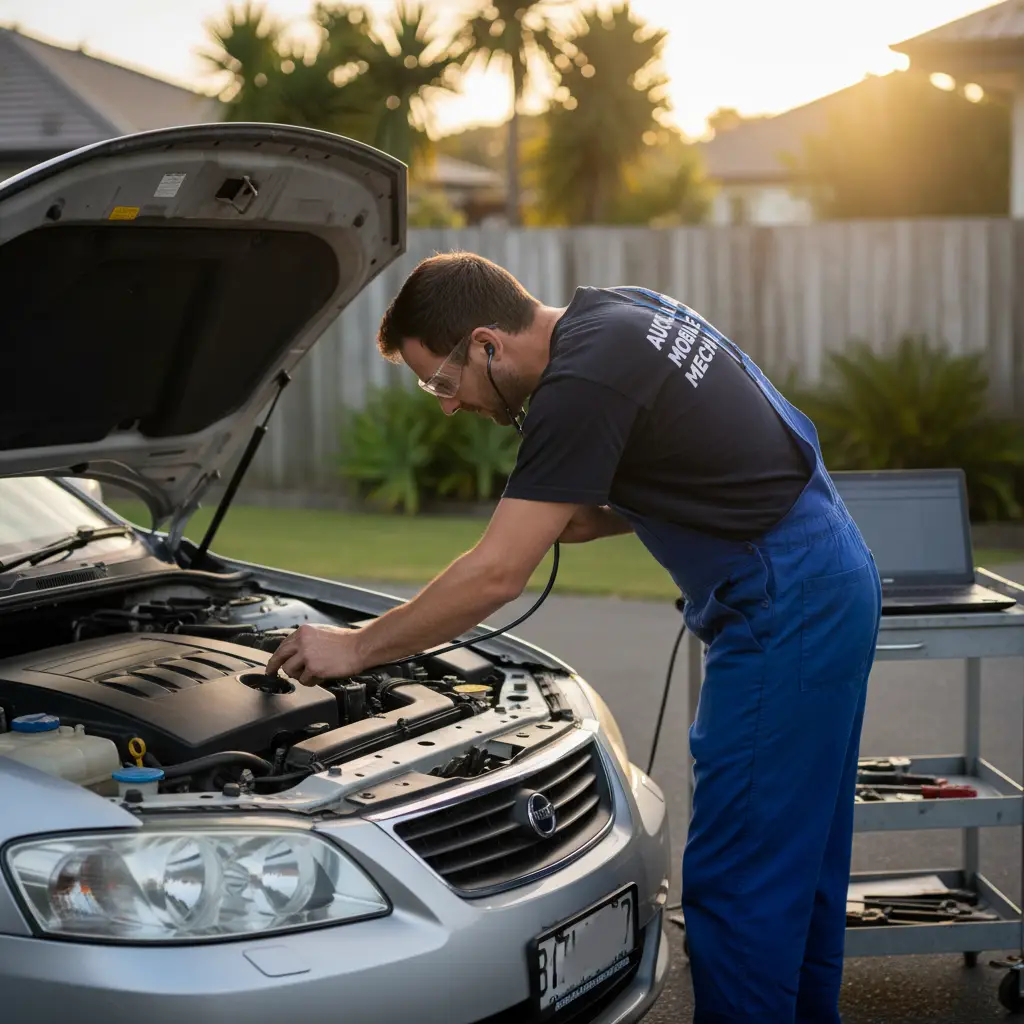
For rattles originating from the engine bay, the mobile mechanic will conduct a detailed inspection of the engine compartment. This includes:
- Heat Shields and Covers: Checking all engine-related heat shields, air filter boxes, and plastic covers for loose fasteners or cracks.
- Accessory Drive System: Inspecting the serpentine belt, tensioners, idler pulleys, and accessories (alternator, power steering pump, AC compressor) for play, wear, or abnormal noises.
- Engine Mounts: Evaluating the condition of engine mounts for signs of collapse or wear, which can allow the engine to move excessively and cause rattling against the chassis.
- Loose Hoses or Wires: Ensuring all hoses and electrical wires are properly secured and not vibrating against other components.
Sophisticated diagnostic tools, including stethoscopes, can help pinpoint the exact origin of a sound within the complex engine bay.
Brake System Evaluation
If the rattle is suspected to be brake-related, the mobile mechanic will perform a comprehensive brake system check. This involves:
- Caliper Inspection: Checking caliper mounting bolts and pins for looseness and ensuring the caliper itself is not rattling.
- Brake Pad Check: Verifying that brake pads are correctly seated and that anti-rattle clips are present and functional.
- Rotor and Dust Shield Inspection: Looking for warped rotors or bent dust shields that could cause intermittent contact and noise.
Solutions for a Quieter Ride
Once the source of the rattling noise has been accurately identified by an Auckland mobile mechanic, the next step is implementing the appropriate repair. The solutions can vary widely depending on the specific component causing the disturbance, ranging from simple tightening to complete part replacement.
Repairing or Replacing Faulty Parts
Most rattling noises are resolved by either repairing a loose component or replacing a worn-out one:
- Exhaust Repairs: This might involve replacing rusted exhaust hangers, securing loose heat shields with new fasteners or specialized clamps, or in cases of internal damage, replacing sections of the exhaust pipe, muffler, or catalytic converter.
- Suspension Component Replacement: Worn sway bar links, ball joints, tie rod ends, or control arm bushings typically require full replacement. These parts are critical for safety and performance, and patching them up is rarely a viable long-term solution. The mechanic will ensure that the new parts are correctly installed and torqued to specifications.
- Engine Bay Fixes: Loose engine heat shields can often be resecured. Faulty accessory belt tensioners or idler pulleys will need to be replaced. Damaged engine mounts, which absorb engine vibrations, are also replaced to prevent excessive movement and associated rattles.
- Brake System Adjustments: For brake rattles, the solution often involves securing loose caliper bolts, replacing missing or damaged anti-rattle clips, or ensuring brake pads are correctly seated. In some cases, a warped rotor might need machining or replacement.
A professional mobile mechanic will provide a clear explanation of the necessary repairs, transparent pricing, and will only proceed once you understand and approve the work. For further reading on vehicle maintenance best practices in New Zealand, the NZTA website offers valuable resources.
Preventative Maintenance Tips
Preventing rattles is often easier and less expensive than fixing them. Regular preventative maintenance plays a crucial role:
- Scheduled Servicing: Adhere to your vehicle’s recommended service schedule. During these check-ups, mechanics often identify minor issues before they escalate into significant problems and noises.
- Routine Inspections: Periodically inspect your vehicle (or have a professional do it) for loose components, especially under the hood and around the exhaust system. Look for obvious signs of wear, rust, or damage.
- Mindful Driving: Avoiding potholes and rough roads can significantly extend the life of your suspension components and reduce the likelihood of parts coming loose.
- Proper Lubrication: Ensuring moving parts are adequately lubricated can prevent premature wear and associated noises.
Why Choose an Auckland Mobile Mechanic?
For addressing car rattles, particularly in a bustling city like Auckland, a mobile mechanic offers distinct advantages:
- Convenience: Repairs are performed at your preferred location, saving you time and hassle.
- Expertise On-Demand: Skilled mechanics come equipped with the tools and knowledge to diagnose and fix a wide range of issues.
- Transparency: You can observe the diagnostic process and ask questions directly, fostering trust and understanding of the repairs needed.
- Cost-Effective: Eliminates towing fees and the overheads of a traditional workshop, potentially offering better value.
Ultimately, addressing a car rattle quickly is paramount, not just for your comfort but for the long-term health and safety of your vehicle. An Auckland mobile mechanic provides the ideal solution for timely and efficient diagnosis and repair.

People Also Ask About Car Rattling Noises
What causes a rattling noise in my car when driving over bumps?
Rattling over bumps frequently points to worn or loose suspension components such as sway bar links, ball joints, control arm bushings, or tie rod ends. It could also indicate a loose exhaust system, including degraded hangers or a detached heat shield under the car. These parts experience increased stress over uneven surfaces, making their wear more apparent.
Can a loose exhaust system cause a rattling sound?
Yes, a loose exhaust system is a very common cause of rattling noises. This can be due to rusted or broken exhaust hangers that allow the pipe to hit the undercarriage, loose heat shields vibrating against the exhaust pipe, or internal damage within the muffler or catalytic converter, leading to loose baffles inside.
Is it dangerous if my car makes a rattling noise?
The danger level depends entirely on the source of the rattle. While some rattles might be minor (e.g., loose interior trim), others can indicate serious issues with critical safety components like the suspension, steering, or brakes. Ignoring critical rattles can lead to compromised handling, braking failures, or extensive damage, making prompt diagnosis essential.
How much does it cost to fix a rattling noise in a car in Auckland?
The cost to fix a rattling noise in Auckland varies significantly based on the cause. Simple fixes like resecuring a heat shield or replacing an exhaust hanger might be under $100-$200. However, replacing suspension components like ball joints or sway bar links could range from $250-$800 per component, including parts and labour. More complex issues involving the engine or transmission could be considerably higher. A mobile mechanic can provide a precise quote after diagnosis.
Why does my car rattle when I accelerate?
A rattle during acceleration often suggests that the component causing the noise is under increased stress from engine torque or vehicle movement. Common culprits include loose exhaust systems (especially heat shields or catalytic converters), worn engine mounts allowing excessive engine movement, or issues within the drivetrain like a worn driveshaft or CV joints. Sometimes, specific engine bay components can also rattle more under load.
Should I ignore a rattling noise in my car?
No, you should never ignore a rattling noise in your car. While it might seem minor, a rattle is your car’s way of communicating a problem. Even if it’s not immediately dangerous, it could indicate wear that will worsen over time, potentially leading to more expensive repairs or, critically, compromising your safety or the safety of others on the road. Always seek professional diagnosis to determine the cause and appropriate action.