
Brake squeal diagnosis in Auckland involves identifying the root cause of high-pitched noises emanating from your vehicle’s braking system, which can range from minor issues to indicators of significant wear. This crucial process ensures your brakes function optimally, preventing reduced stopping power and potential safety hazards on Auckland’s roads.
What Causes Brake Squealing?
Brake squealing is a common complaint among vehicle owners and can be attributed to a variety of factors, often indicating an underlying issue within the braking system. Understanding these causes is the first step towards effective diagnosis and repair. While some squeals are innocuous, others signal critical problems requiring immediate attention. In Auckland’s diverse driving conditions, from city traffic to motorway speeds, properly functioning brakes are paramount for safety.
Worn Brake Pads
One of the most prevalent causes of brake squeal is worn brake pads. Most modern brake pads are equipped with a small metal wear indicator, designed to make a high-pitched squealing sound when the friction material has worn down to a critical level. This metal tab comes into contact with the rotor, creating the noise as a warning that it’s time for replacement. Beyond the wear indicator, pads that are severely worn can also cause squealing as the metal backing plate grinds against the rotor, a far more serious scenario indicating imminent brake failure and potential damage to the rotors themselves. Regular inspection by an Auckland mobile mechanic can prevent this.
Glazed Rotors and Pads
Glazing occurs when brake pads or rotors are subjected to excessive heat, often from hard braking, prolonged braking down hills, or aggressive driving. This extreme heat can cause the friction material on the pads to harden, creating a smooth, shiny surface resembling glass. Similarly, rotors can develop hard spots or a glazed surface. When glazed pads contact glazed rotors, the reduced friction and altered surface texture can lead to a high-frequency vibration, manifesting as a squeal. This condition not only causes noise but also significantly diminishes braking performance, requiring greater pedal effort for less stopping power. Addressing glazing typically involves resurfacing or replacing rotors and pads.
Poorly Lubricated Caliper Components
The brake caliper assembly consists of several moving parts that require proper lubrication to function silently and effectively. This includes caliper slide pins, which allow the caliper to move freely and clamp the pads onto the rotor evenly, and the shims, which are small metal plates designed to dampen vibrations between the brake pad and the caliper piston or bracket. If these components are dry, corroded, or not properly lubricated during installation, they can stick, causing uneven pad wear, vibration, and ultimately, a squealing noise. An Auckland mobile mechanic will ensure all moving parts are clean and adequately lubricated during brake service.
Contamination
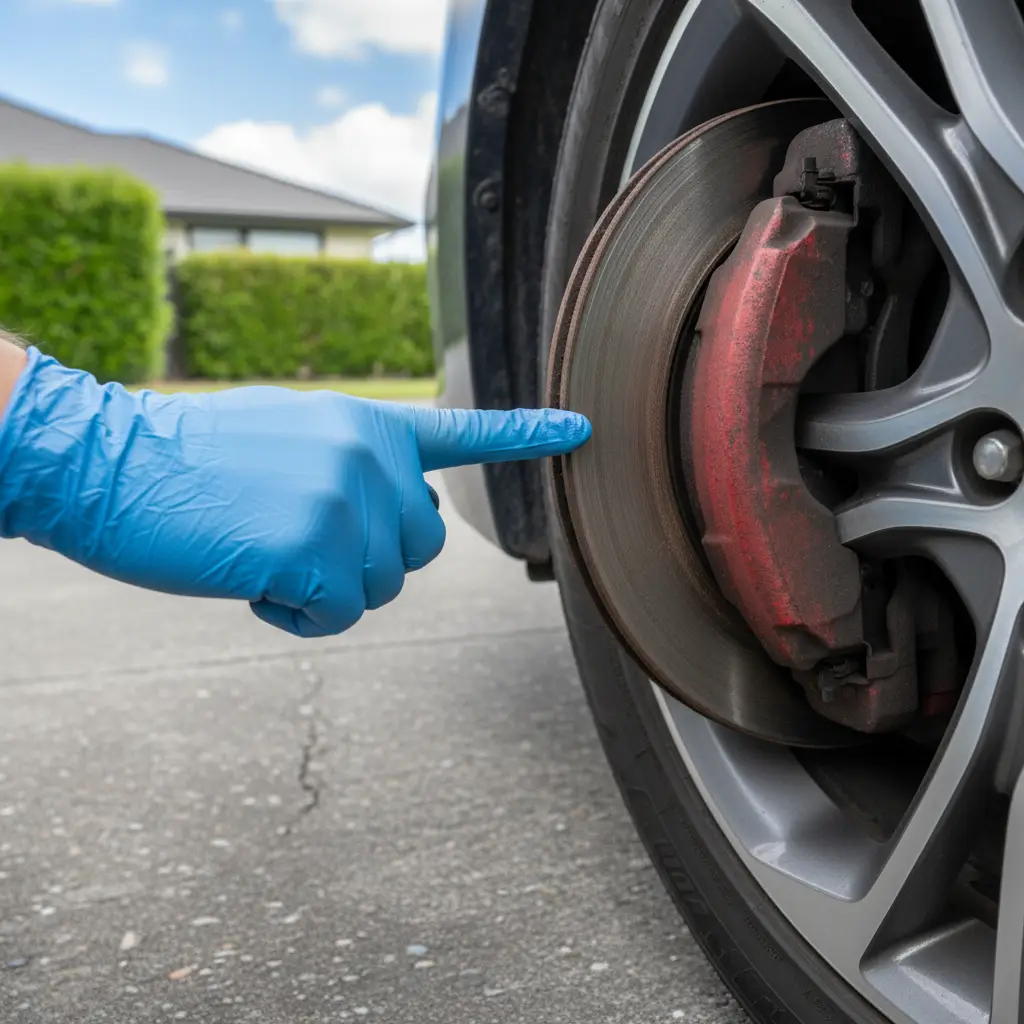
Brake systems are sensitive to contaminants. Dirt, dust, road grime, oil, grease, or even brake fluid can accumulate on the pads or rotors, interfering with their friction properties and leading to squealing. For instance, if oil or grease from other vehicle components or road debris gets onto the brake surface, it can create a slippery film that causes noise and reduces braking efficiency. Similarly, excessive brake dust, a byproduct of normal pad wear, can sometimes build up and cause noise. Proper cleaning and inspection are essential to remove contaminants and restore quiet operation, a service an on-site brake inspection in Auckland can provide.
Loose or Damaged Hardware
The anti-rattle clips, springs, and shims that hold the brake pads securely within the caliper assembly are crucial for preventing vibrations. If these components become loose, damaged, or are missing entirely, the brake pads can vibrate or shift slightly within the caliper during braking, generating an audible squeal. Over time, heat and corrosion can degrade these metal components, reducing their effectiveness. During a brake service, a professional mobile mechanic in Auckland will inspect all hardware and replace any worn or damaged parts to ensure the pads fit snugly and silently.
Improper Installation
Even with new parts, improper installation is a significant cause of brake squeal. This can include failing to properly bed in new pads, which is a process that gradually heats the pads and rotors to transfer a thin layer of friction material to the rotor surface, ensuring optimal performance and quiet operation. Other installation errors might involve insufficient lubrication of caliper pins, incorrect tightening of bolts, or failing to clean the hub surface before installing new rotors. These mistakes can lead to uneven pad contact, vibrations, and noise. Choosing a skilled Auckland mobile mechanic ensures meticulous installation according to manufacturer specifications.
When to Worry About Brake Noises
While some brake noises, like a brief squeal in wet weather or after the car has been sitting, can be normal, certain sounds indicate a more serious underlying problem that requires immediate attention. Distinguishing between benign and problematic noises is crucial for vehicle safety. Ignoring warning signs can lead to compromised braking performance, increased repair costs, and potentially dangerous situations on the road. Here’s when you should definitely worry about your brakes.
Persistent Squealing
A continuous or persistent squealing sound that doesn’t disappear after a few brake applications, especially if it occurs every time you brake, is a definite cause for concern. This often points directly to worn brake pads where the metal wear indicator is constantly rubbing against the rotor. If left unaddressed, the pads will wear completely through, leading to metal-on-metal grinding, which can cause significant damage to the brake rotors and even lead to complete brake failure. An Auckland mobile mechanic can quickly assess the remaining pad life and provide on-the-spot replacement.
Grinding Noises
A harsh, metal-on-metal grinding sound is one of the most serious brake noises you can hear. This typically indicates that your brake pads are completely worn out, and the metal backing plates of the pads are now directly contacting the brake rotors. This not only destroys your rotors, necessitating their replacement rather than just resurfacing, but also severely compromises your vehicle’s stopping ability. Grinding noises demand immediate professional inspection and repair. Continuing to drive with grinding brakes is extremely dangerous and should be avoided at all costs.
Pulsation or Vibration
If you feel a pulsation or vibration through the brake pedal, or even through the steering wheel, when applying the brakes, it’s a strong indicator of warped or unevenly worn brake rotors. Rotors can warp due to excessive heat or improper tightening of wheel nuts. A warped rotor causes the brake pads to make intermittent contact, resulting in the pulsating sensation. This condition affects braking efficiency, increases stopping distances, and can put undue stress on other suspension components. Warped rotors usually need to be machined (resurfaced) or replaced to restore smooth braking. Learn more about brake components on Wikipedia’s automotive brake page.
Reduced Braking Performance
Beyond specific noises, any noticeable decrease in your vehicle’s ability to stop effectively is a critical warning sign. This could manifest as a “spongy” brake pedal, increased stopping distances, or the need to press the pedal harder than usual to achieve deceleration. Reduced braking performance often accompanies squealing or grinding and can be caused by various issues, including critically worn pads, contaminated brake fluid, air in the brake lines, or a failing master cylinder. Such symptoms require immediate investigation by a qualified mechanic to ensure your safety and that of others on Auckland roads.
Warning Lights
Modern vehicles are equipped with sophisticated sensor systems designed to alert drivers to potential problems. If your ABS (Anti-lock Braking System) light or general brake warning light illuminates on your dashboard, it’s a clear signal that there’s an issue with your braking system. While these lights don’t always indicate a mechanical failure directly related to squealing, they signify a problem that could impact overall braking safety and performance. Never ignore these warning lights; a diagnostic check from an Auckland mobile mechanic is imperative to identify and resolve the underlying fault promptly.
On-Site Brake Inspection & Diagnostics in Auckland
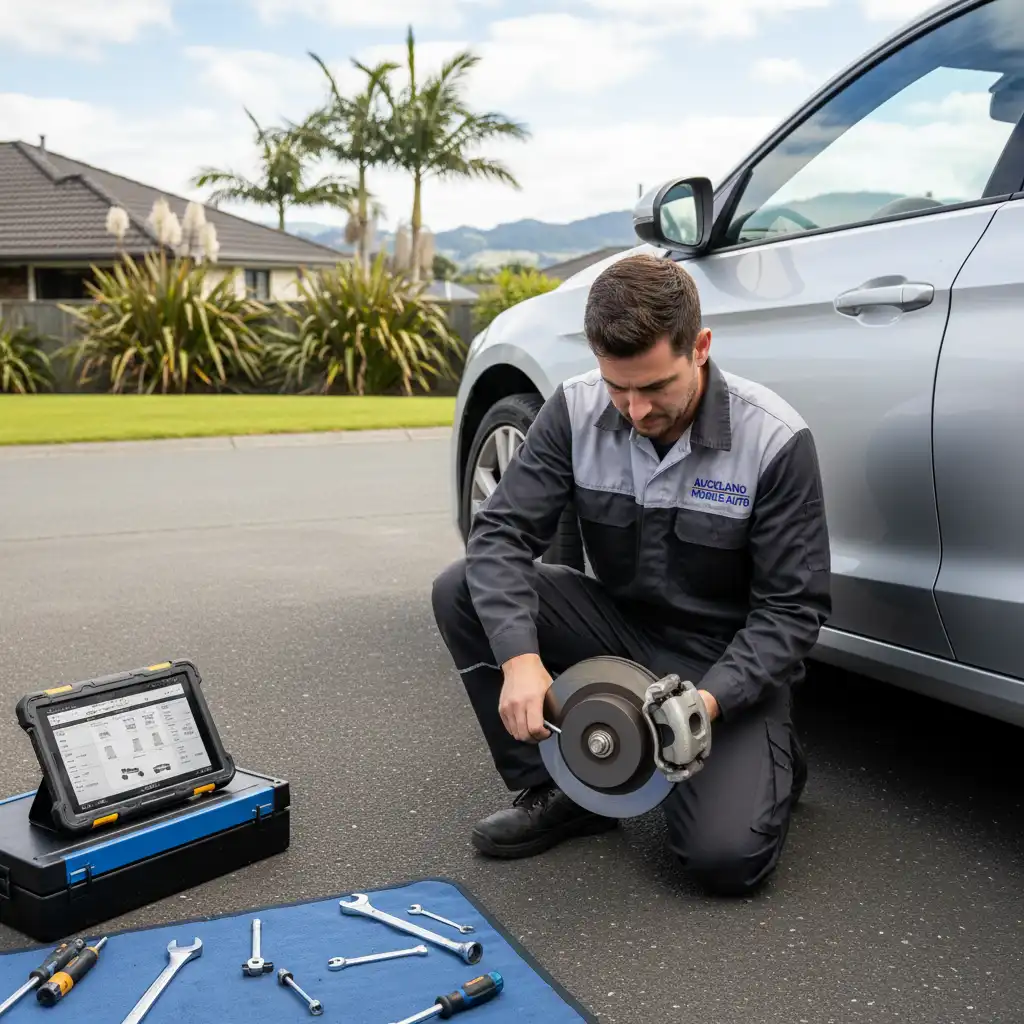
When your brakes start to squeal, getting a professional diagnosis is crucial, and an on-site service offers unparalleled convenience and transparency. A mobile mechanic brings the workshop to your doorstep, providing a thorough inspection and accurate diagnosis right where your vehicle is located in Auckland. This eliminates the hassle of towing or driving a potentially unsafe vehicle to a garage and allows you to observe the diagnostic process firsthand, understanding the issues as they are identified.
The Mobile Mechanic Advantage
Choosing an Auckland mobile mechanic for brake squeal diagnosis means receiving prompt, professional service at your home or workplace. This convenience saves you time and stress, particularly if your vehicle is not safe to drive. Our mobile service includes a detailed diagnostic process, leveraging specialized tools and expertise to pinpoint the exact cause of your brake noise. Moreover, a mobile setup often means lower overheads, translating into more competitive pricing without compromising on quality or thoroughness. You get personalized attention and a clear explanation of all findings.
Comprehensive Visual Check
The diagnostic process begins with a meticulous visual inspection of the entire braking system. This includes examining the brake pads for wear levels, cracking, or uneven wear patterns. Rotors are inspected for scoring, glazing, warping, or excessive rust. The calipers are checked for proper function, signs of leaks, and free movement of the slide pins. Brake lines and hoses are scrutinised for deterioration, cracks, or bulges, which could indicate a hydraulic issue. This initial visual assessment often reveals significant clues about the source of the squeal, guiding further detailed investigations by your Auckland mobile mechanic.
Test Drive & Acoustic Analysis
A crucial step in diagnosing brake squeal is a comprehensive test drive conducted by the mechanic. During the test drive, the mechanic will carefully listen to the brake noise, noting when it occurs (e.g., light braking, hard braking, continuous driving), its pitch, and its consistency. This acoustic analysis helps to differentiate between various types of squeals and their potential causes. For instance, a squeal only when turning might indicate a specific issue with a wheel bearing or suspension component influencing the brakes, whereas a consistent squeal during every stop strongly suggests pad wear or rotor issues. The road test replicates real-world conditions, making diagnosis more accurate.
Measuring Pad Thickness & Rotor Runout
Beyond visual inspection, precise measurements are taken to assess the health of your brake components. Brake pad thickness is measured with a gauge to determine how much friction material remains, providing a clear indication of their remaining lifespan and whether replacement is imminent. Rotor runout, or wobble, is measured using a dial indicator to detect any warping that could cause pulsation or vibration. These measurements are compared against manufacturer specifications. Excessive runout or thin pads are definitive indicators for replacement or machining, ensuring your Auckland mobile mechanic provides an evidence-based recommendation.
Brake Fluid Condition Check
Often overlooked, the condition of your brake fluid plays a vital role in braking performance and can indirectly contribute to noise. Brake fluid is hygroscopic, meaning it absorbs moisture over time, which reduces its boiling point and can lead to corrosion within the braking system. A mobile mechanic will check the brake fluid level, colour, and clarity, and may use a moisture tester to determine its water content. Contaminated or old brake fluid can lead to a spongy pedal feel, reduced efficiency, and in extreme cases, contribute to caliper issues that may manifest as noise or reduced performance. Replacing old brake fluid is part of comprehensive brake maintenance.
Solutions for Quiet & Safe Braking
Once the source of your brake squeal has been accurately diagnosed by an Auckland mobile mechanic, implementing the correct solution is vital for restoring quiet operation and ensuring optimal safety. The chosen remedies will depend directly on the diagnostic findings, ranging from simple lubrication to comprehensive component replacement. Our goal is to not only eliminate the irritating noise but also to enhance your vehicle’s overall braking performance and longevity.
Brake Pad Replacement
If worn brake pads are identified as the culprit, high-quality brake pad replacement is the primary solution. It’s crucial to select pads that match your vehicle’s specifications and driving style, with options ranging from standard organic to ceramic or semi-metallic compounds, each offering different noise, dust, and performance characteristics. Proper installation involves thoroughly cleaning the caliper assembly, applying anti-squeal shims and specialized lubricants where necessary, and correctly bedding in the new pads. This careful procedure by an Auckland mobile mechanic ensures maximum friction, minimal noise, and a smooth pedal feel from the outset.
Rotor Resurfacing or Replacement
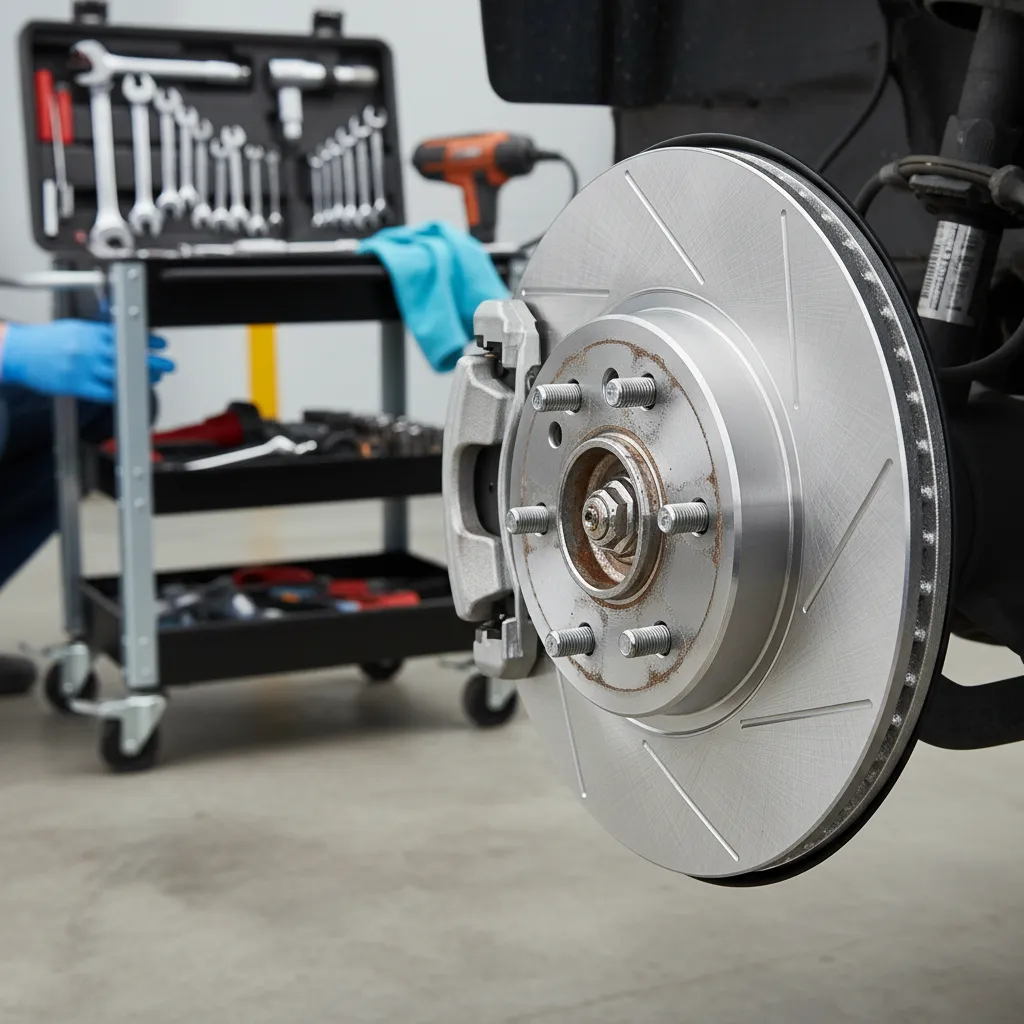
Depending on the extent of wear, scoring, or warping, brake rotors will either be resurfaced or replaced. Resurfacing, or machining, involves shaving a thin layer off the rotor surface to eliminate imperfections and restore smoothness. This is only possible if the rotor still has sufficient thickness to meet minimum safety standards after machining. If rotors are too thin, severely warped, or deeply scored, replacement with new, high-quality rotors is necessary. New rotors provide a fresh, perfectly flat surface for the new pads to bed against, preventing future squealing and ensuring optimal heat dissipation, which is critical for consistent braking performance.
Caliper Service & Lubrication
A comprehensive caliper service is often required to address squealing caused by sticking or corroded components. This involves disassembling the caliper, thoroughly cleaning all parts including pistons and slide pins, inspecting for wear or damage to rubber boots and seals, and applying high-temperature, silicone-based lubricant to all moving contact points. Ensuring the caliper pins slide freely and the piston moves smoothly prevents uneven pad wear and vibrations. This detailed attention to caliper function by an Auckland mobile mechanic is essential for maintaining consistent clamping force and preventing future noise issues.
Anti-Squeal Shims & Pastes
To further combat brake squeal, especially in cases where minor vibrations are the cause, anti-squeal shims and specialized brake pastes are invaluable. Shims are thin layers of material, often rubber or metal with a damping layer, placed between the brake pad and the caliper piston to absorb vibrations. Anti-squeal paste, a high-temperature resistant lubricant, is applied to the back of the brake pads and caliper contact points to further dampen vibrations and prevent metal-on-metal contact. These small but effective additions, meticulously applied by your Auckland mobile mechanic, play a significant role in achieving a quiet braking system.
Addressing Contamination Issues
If contamination from oil, grease, or brake fluid is found on the pads or rotors, the solution involves thoroughly cleaning the affected components with appropriate brake cleaner. In cases of significant contamination, such as a leaking caliper seal or master cylinder, the source of the leak must be repaired first, and often the contaminated pads and rotors will need to be replaced, as friction materials can absorb contaminants and become permanently compromised. Addressing these contamination issues promptly prevents recurrent squealing and ensures the integrity of your braking system. Your Auckland mobile mechanic will trace the source of any fluid leaks and rectify them.
The Importance of Professional Installation
Regardless of the specific solution required, the quality of installation is paramount. Even the best brake components can perform poorly or develop noise issues if not installed correctly. A professional Auckland mobile mechanic ensures every step, from component selection to final torque specifications and bleeding procedures, is performed with precision and adherence to manufacturer guidelines. This includes proper bedding-in of new pads and rotors, which is a critical process for optimising brake performance and preventing squeal from the start. Relying on experts guarantees peace of mind and long-lasting, quiet, and safe braking for your vehicle.
Ensuring your vehicle’s braking system is in top condition is not just about comfort; it’s a fundamental aspect of road safety. Persistent brake squeal should never be ignored, as it often signals an underlying issue that could escalate into a more serious problem. By understanding the common causes, recognising warning signs, and opting for professional on-site diagnosis and repair from a trusted Auckland mobile mechanic, you can ensure your brakes remain quiet, reliable, and effective. Don’t compromise on safety; address brake squeal promptly and effectively.
People Also Ask About Brake Squeal Diagnosis in Auckland
Why do my car brakes squeal only in the morning?
Brakes often squeal in the morning due to overnight moisture accumulation on the rotors. A thin layer of rust can form, causing a brief squeal until it wears off after a few brake applications. If the squealing persists beyond a few stops, it could indicate worn pads or other issues needing professional diagnosis.
How much does brake pad replacement cost in Auckland?
The cost of brake pad replacement in Auckland varies depending on your vehicle’s make and model, the type of pads chosen, and whether rotors need resurfacing or replacement. Generally, you can expect to pay anywhere from NZD $200 to $600 per axle for parts and labour. An Auckland mobile mechanic can provide a precise quote after an inspection.
Can I drive with squealing brakes?
While occasional, light squealing might not be immediately critical, persistent or loud squealing, especially if accompanied by grinding or reduced braking performance, should not be ignored. Driving with compromised brakes is dangerous. It’s best to have them inspected by an Auckland mobile mechanic as soon as possible to prevent further damage and ensure safety.
How often should brake pads be replaced?
Brake pad lifespan varies greatly depending on driving habits, vehicle type, and pad material, typically ranging from 25,000 to 70,000 kilometres. It’s recommended to have your brakes inspected annually or every 15,000-20,000 kilometres by a professional mobile mechanic in Auckland to assess their wear and condition.
What is brake bedding-in and why is it important?
Brake bedding-in is the process of gently heating new brake pads and rotors to transfer a thin, even layer of friction material from the pads to the rotor surface. This process optimizes brake performance, reduces noise, and extends the lifespan of your new brake components. Proper bedding-in is crucial after any brake pad or rotor replacement to ensure quiet and effective braking.
Do I need to replace my rotors when I get new brake pads?
Not always, but it’s often recommended. Rotors should be replaced if they are below the minimum thickness specification, severely warped, or deeply scored. In some cases, rotors can be resurfaced (machined) to restore a smooth surface, provided they remain above the minimum thickness. An Auckland mobile mechanic will measure your rotors during inspection to advise on the best course of action.