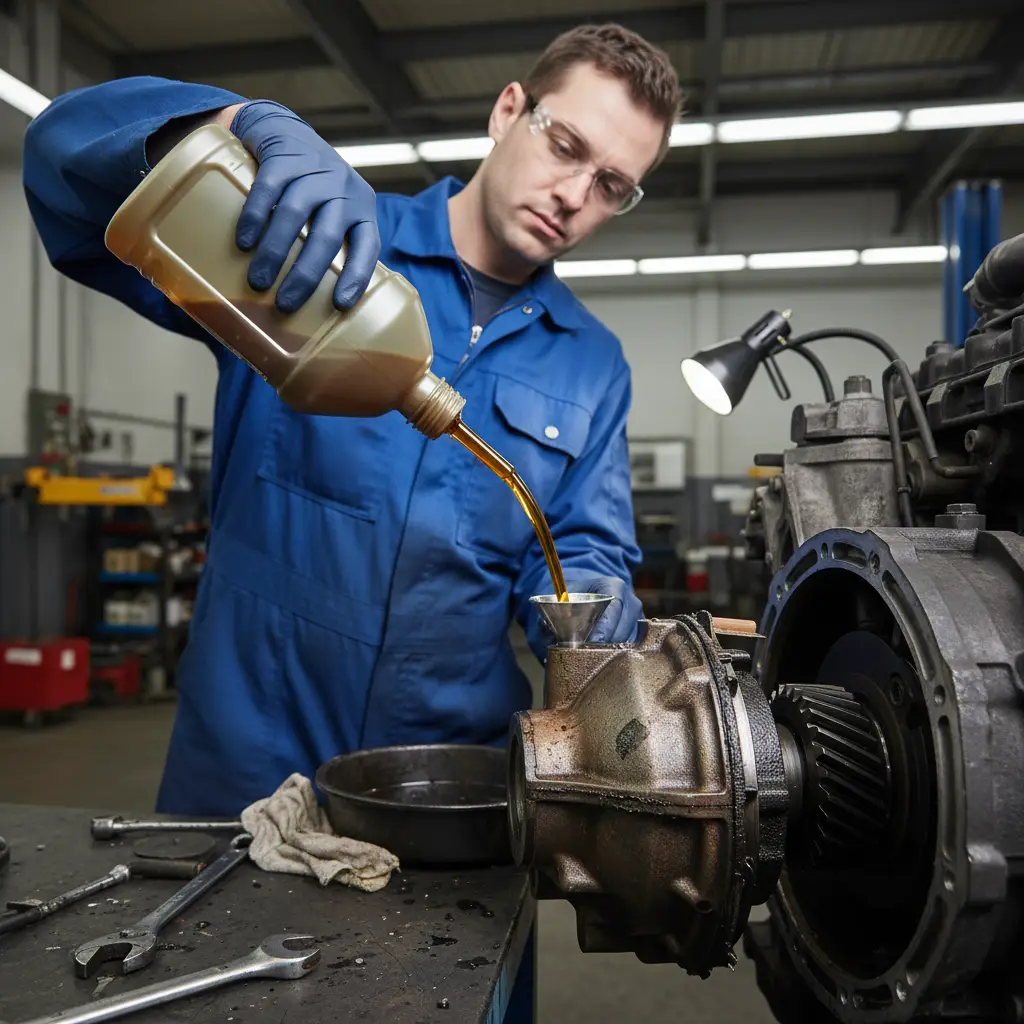
AWD/4WD system repair in Auckland involves expert diagnosis and restoration of your vehicle’s all-wheel or four-wheel drive capabilities. This critical service ensures optimal traction, stability, and control, especially in challenging driving conditions, by addressing mechanical and electronic issues within the drivetrain components.
Understanding Your AWD/4WD System
Modern vehicles often come equipped with All-Wheel Drive (AWD) or Four-Wheel Drive (4WD) systems, each designed to enhance traction and stability by distributing power to all four wheels. While often used interchangeably, these systems operate with distinct mechanisms and suit different driving scenarios. Understanding the differences is crucial for proper maintenance and diagnosis when issues arise.
What is All-Wheel Drive (AWD)?
AWD systems are typically designed for on-road performance and enhanced safety in varied weather conditions. They continuously monitor traction and automatically distribute power to the wheels that have the most grip. Many AWD systems operate full-time, meaning all four wheels receive power, though the power distribution ratio can vary dynamically based on driving conditions and driver input. They are often found in SUVs, sedans, and crossovers, providing improved handling on wet, icy, or gravel roads without requiring driver intervention. This seamless operation makes them popular for everyday driving where an extra layer of security is desired.
What is Four-Wheel Drive (4WD)?
4WD systems, often referred to as 4×4, are generally more robust and designed for off-road conditions and heavy-duty tasks. Unlike AWD, 4WD typically requires the driver to manually engage the system, often offering selectable modes like 2WD High, 4WD High, and 4WD Low. 4WD High is suitable for slippery surfaces like snow or light off-roading, while 4WD Low provides maximum torque and traction for extreme off-road terrains, steep inclines, or pulling heavy loads. These systems are commonly found in pickup trucks and serious off-road SUVs, prioritizing ruggedness and brute force over refined on-road manners. The transfer case is a central component, allowing for the selection of different drive modes.
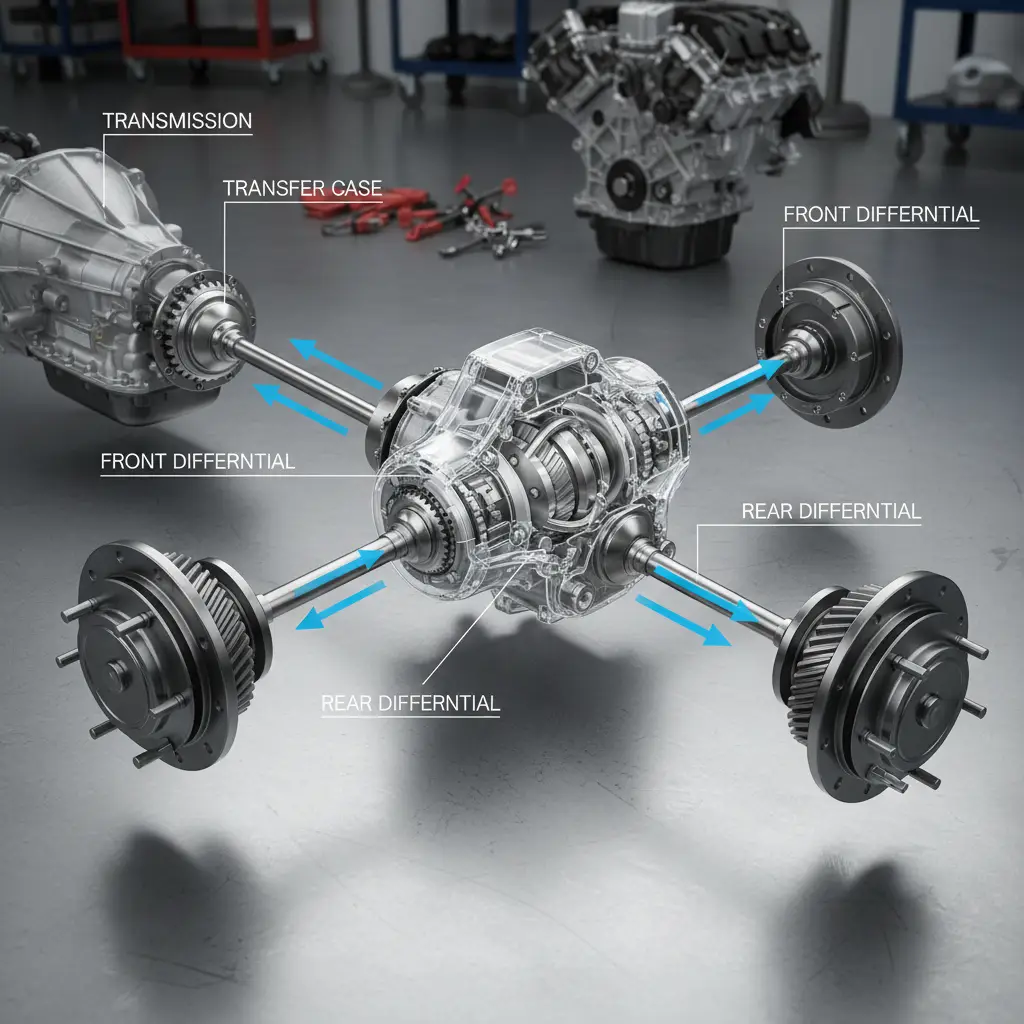
Key Components of AWD and 4WD Systems
Despite their differences, both AWD and 4WD systems share several core components that work in concert to deliver power to all four wheels:
- Transfer Case: This is the heart of most 4WD systems and some AWD systems. It splits power from the transmission to the front and rear driveshafts. In 4WD vehicles, it allows for selection between 2WD, 4WD High, and 4WD Low.
- Driveshafts: These shafts transmit power from the transfer case (or transmission in some AWD setups) to the front and rear differentials.
- Differentials (Front, Center, Rear): Differentials allow wheels on the same axle (or between axles) to rotate at different speeds, which is essential for turning. A center differential is crucial in AWD systems to manage speed differences between the front and rear axles.
- Axles: These shafts connect the differentials to the wheels, transmitting rotational force.
- Universal Joints (U-joints) and Constant Velocity (CV) Joints: These allow driveshafts and axles to transmit power at varying angles as the suspension moves.
- Sensors and Electronic Control Units (ECUs): Modern AWD/4WD systems are heavily reliant on electronics, using sensors to monitor wheel speed, steering angle, throttle position, and more. ECUs then interpret this data to optimally distribute power.
Regular maintenance of these components is vital for the longevity and performance of your AWD or 4WD system. Any anomaly in their operation can lead to significant issues, impacting safety and driveability.
Common Problems with All-Wheel Drive and Four-Wheel Drive Systems
Even the most robust AWD and 4WD systems are subject to wear and tear, and specific issues can arise over time. Recognizing the symptoms early can prevent more severe and costly repairs. Auckland drivers facing unusual noises, vibrations, or performance changes should seek professional diagnosis promptly.
Warning Signs and Symptoms
- Unusual Noises: Grinding, clunking, whirring, or humming sounds, particularly when turning or accelerating, often indicate problems with differentials, transfer case, or CV joints.
- Vibrations: Shaking or excessive vibration, especially noticeable at certain speeds, can point to issues with driveshafts, U-joints, or wheel bearings.
- Tire Wear: Uneven or rapid tire wear can be a symptom of a misbehaving AWD system that is constantly fighting itself, or a sign of incorrect tire sizes, which can severely damage AWD components.
- Difficulty Shifting: For 4WD vehicles, difficulty engaging or disengaging 4WD modes can indicate problems with the transfer case, shift motor, or vacuum lines.
- Dashboard Warning Lights: Illuminated AWD, 4WD, ABS, or traction control lights are clear indicators that the system has detected a fault.
- Loss of Traction: If your vehicle struggles to find grip in conditions where it previously excelled, it’s a strong sign the AWD/4WD system isn’t functioning correctly.
- Burning Smell: Overheated differential fluid or transfer case fluid can emit a distinct burning smell, suggesting excessive friction or low fluid levels.
Typical Failure Points
Several components are common culprits when an AWD or 4WD system fails:
- Transfer Case Issues: Worn gears, bearings, or seals within the transfer case can lead to leaks, noises, or complete failure to distribute power. Electronic shift motors can also fail, preventing mode changes.
- Differential Problems: Low or contaminated differential fluid, worn gears, or damaged bearings can cause grinding noises, overheating, and eventual differential failure. Center differentials in AWD systems are particularly susceptible to wear if tire sizes are mismatched.
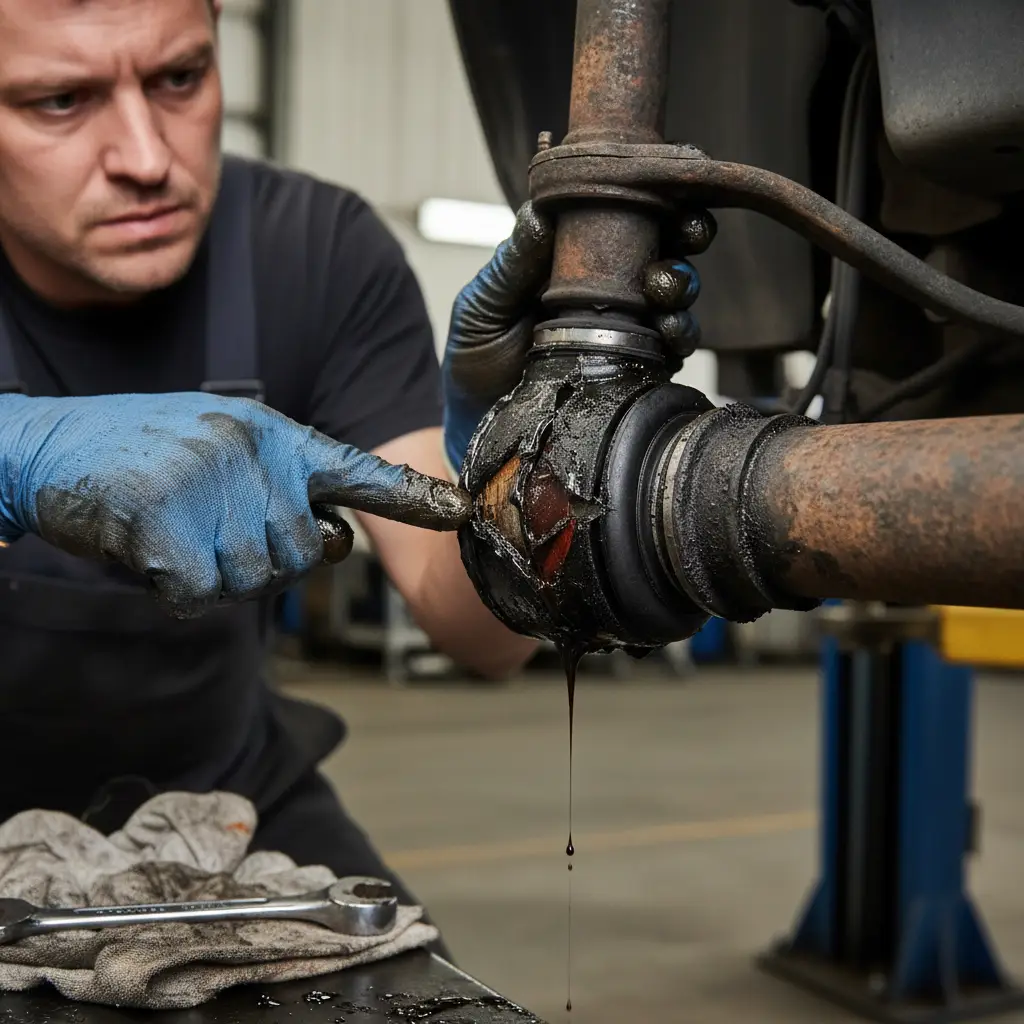
- Driveshaft and CV Joint Failure: Damaged CV joint boots can allow dirt and moisture in, leading to joint wear and eventual failure, often presenting as clicking noises during turns. Worn U-joints in driveshafts can cause vibrations.
- Actuator and Sensor Malfunctions: Electronic actuators control the engagement of AWD/4WD components, and their failure can prevent the system from engaging. Faulty sensors can feed incorrect data to the ECU, leading to improper power distribution.
- Fluid Leaks and Contamination: Low fluid levels in the transfer case or differentials due to leaks can lead to overheating and premature wear of internal components. Contaminated fluid can also accelerate wear.
- Incorrect Tire Sizing: This is a critical point, especially for full-time AWD vehicles. Using tires with different circumferences (even slightly) can cause the differentials and transfer case to constantly work against each other, leading to severe damage. Wikipedia elaborates further on the complexities of AWD systems and their sensitivity to tire variations.
Advanced Diagnostics for AWD/4WD Issues
Diagnosing AWD and 4WD system problems requires specialized knowledge, tools, and experience. It’s not a task for general mechanics but rather for professionals who understand the intricate interplay of mechanical, hydraulic, and electronic components. In Auckland, selecting a service center equipped for advanced diagnostics is paramount to accurate and efficient repair.
The Diagnostic Process
A thorough diagnostic process typically involves several key steps:
- Initial Inspection and Test Drive: The mechanic will begin by visually inspecting for obvious signs like fluid leaks, damaged boots, or loose components. A test drive helps replicate the symptoms under various driving conditions, allowing the technician to listen for noises, feel for vibrations, and observe system behavior.
- Computerized Diagnostics: Modern AWD/4WD systems are managed by sophisticated ECUs. Professional diagnostic scanners can interface with these ECUs to retrieve trouble codes (DTCs), live sensor data, and manufacturer-specific diagnostic routines. This can pinpoint electrical faults, sensor malfunctions, or control module issues.
- Fluid Analysis: Examining the condition and level of transfer case and differential fluids is crucial. Dark, burnt-smelling, or metal-flake-filled fluid indicates significant internal wear or overheating.
- Component-Specific Testing:
- Transfer Case Inspection: Checking for excessive play, leaks, and proper engagement of shift motors.
- Driveshaft and Axle Inspection: Checking U-joints and CV joints for wear, play, or damage. Inspecting driveshaft balance and straightness.
- Differential Examination: Checking for backlash, bearing wear, and proper function of internal gears.
- Actuator and Solenoid Testing: Electronically testing the functionality of various actuators and solenoids responsible for engaging and disengaging AWD/4WD components.
- Tire Match Verification: Ensuring all four tires are of the same size, type, and have similar tread depths is critical for AWD systems. Significant discrepancies can cause system strain.
Importance of Expert Technicians and Equipment
Entrusting your AWD/4WD system diagnosis to an expert is non-negotiable. Auckland mobile mechanics specializing in these complex systems possess:
- Specialized Training: Deep understanding of various AWD/4WD architectures from different manufacturers.
- Advanced Diagnostic Tools: Beyond generic OBD-II scanners, they utilize factory-level diagnostic software and equipment to communicate effectively with specific vehicle ECUs.
- Experience: The ability to interpret subtle clues, distinguish between similar symptoms, and accurately trace the root cause of complex failures.
Choosing a reputable service ensures that your vehicle is not only repaired correctly but also that costly misdiagnoses are avoided. A proper diagnosis saves both time and money in the long run.
Expert Repair to Maintain Traction and Performance
Once a precise diagnosis has been made, the next step is expert repair. Effective AWD/4WD system repair in Auckland involves not just fixing the immediate problem but also ensuring the overall integrity and future reliability of the drivetrain. A professional approach prioritizes quality parts, meticulous workmanship, and comprehensive post-repair testing.
Comprehensive Repair Solutions
Depending on the diagnostic findings, repairs can range from simple fluid changes to major component overhauls:
- Fluid Service: Replacing old, contaminated, or low transfer case and differential fluids with the manufacturer-specified lubricants is a fundamental and often overlooked repair. This prevents overheating and reduces wear.
- Transfer Case Repair/Replacement: For internal wear or electronic failures, the transfer case may need rebuilding, repairing specific components like the shift motor, or complete replacement.
- Differential Repair/Rebuild: Similar to the transfer case, differentials can be repaired by replacing worn gears, bearings, or seals. In severe cases, a full differential replacement might be necessary.
- Driveshaft and CV Joint Replacement: Damaged CV joint boots or worn universal joints are commonly replaced to eliminate clicking noises, vibrations, and prevent further damage. Entire driveshafts may be replaced if extensively damaged.
- Sensor and Actuator Replacement: Faulty electronic components, such as speed sensors, wheel speed sensors, or actuator motors, are replaced to restore proper system control.
- Wiring Harness Repair: Damaged or corroded wiring can disrupt communication between ECUs and components, requiring expert repair or replacement.
Preventative Maintenance Tips
To extend the life of your AWD/4WD system and avoid costly repairs, consider these preventative measures:
- Regular Fluid Changes: Adhere to manufacturer-recommended schedules for changing transfer case and differential fluids. These fluids break down and get contaminated over time.
- Tire Rotation and Matching: Regularly rotate your tires and ensure all four tires are of the same brand, model, size, and have similar tread depths, especially for full-time AWD vehicles. Always replace all four tires simultaneously if possible.
- Prompt Attention to Warning Signs: Never ignore unusual noises, vibrations, or dashboard warning lights. Early intervention can prevent minor issues from escalating.
- Avoid Overloading: Do not exceed your vehicle’s towing or payload capacity, as this can put undue stress on the drivetrain components.
- Professional Inspections: Include your AWD/4WD system in your routine maintenance checks, especially if you frequently drive in challenging conditions or off-road. You can find excellent general maintenance tips from reputable sources like NZTA (Waka Kotahi), which often highlight the importance of system checks.
For Auckland vehicle owners, choosing a trusted mobile mechanic for AWD/4WD system repair provides convenience and expertise directly to your location. This ensures your vehicle receives the specialized care it needs to maintain its superior traction and performance capabilities, keeping you safe on Auckland’s roads, regardless of the conditions.