
Few automotive failures are as frustrating as a dead electrical system. One moment your vehicle is running smoothly; the next, the dashboard lights flicker, the radio dies, and the engine stalls. Often mistaken for a simple battery issue, the culprit is frequently the alternator—the powerhouse of your car’s electrical grid. For drivers in New Zealand’s largest city, dealing with breakdown logistics can be a nightmare. This is where mobile alternator repair in Auckland becomes a critical service, saving time, money, and the hassle of towing.
What is Mobile Alternator Repair?
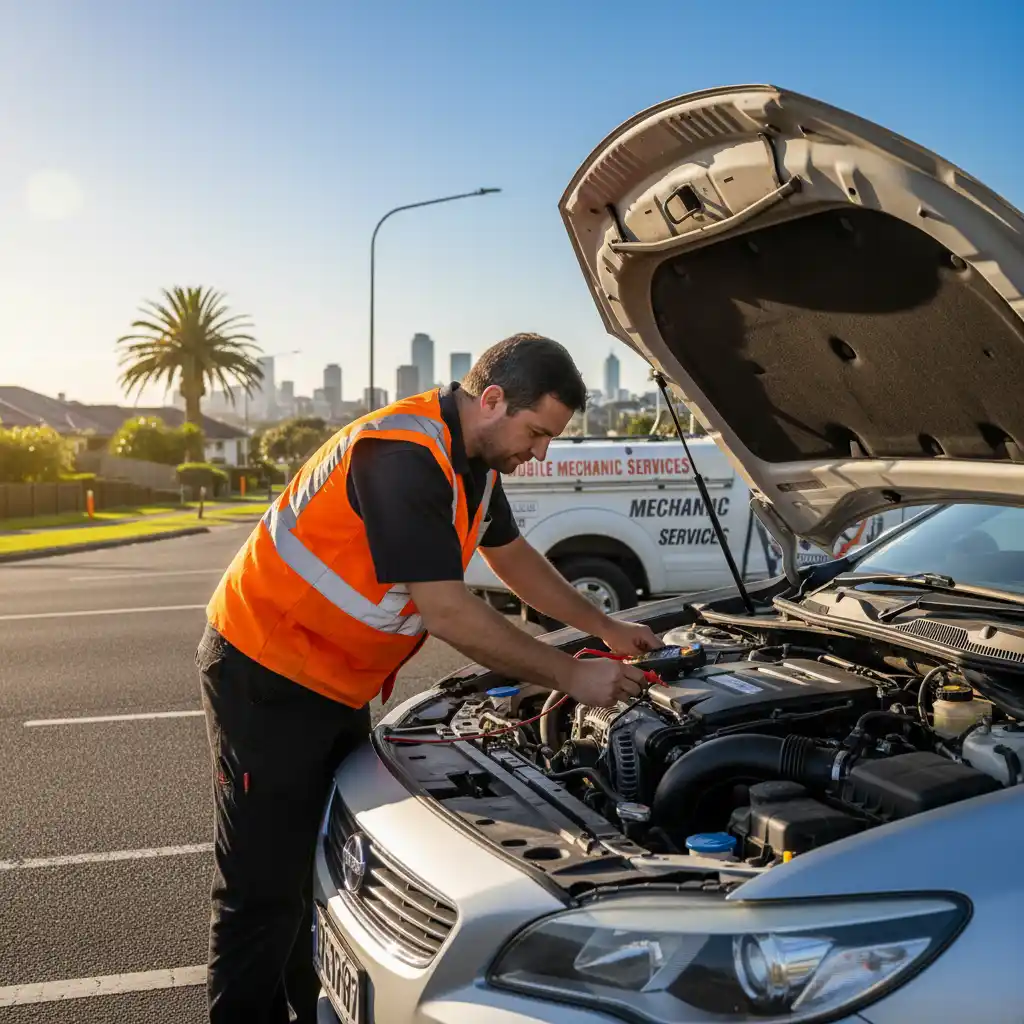
Mobile alternator repair in Auckland involves a qualified automotive technician traveling directly to your home, workplace, or roadside location to diagnose, repair, or replace your vehicle’s charging system. This service eliminates the need for expensive towing, offering comprehensive on-site testing and immediate installation of faulty alternators using professional-grade diagnostic tools and high-quality replacement parts.
The alternator is a mechanical device that converts mechanical energy from the engine into electrical energy. It charges the battery while the car is running and powers the electrical system. When it fails, the car runs off the battery until the battery is depleted, leaving you stranded. Mobile services bridge the gap between breakdown and repair by bringing the workshop to you.
Critical Symptoms of Alternator Failure
Recognizing the early warning signs of a failing alternator can prevent you from being stranded on the Auckland Harbour Bridge or stuck in rush-hour traffic on the Southern Motorway. Unlike a sudden flat tire, an alternator usually gives you a few hints before it completely dies.
Dim or Overly Bright Lights
One of the most common indicators is inconsistent headlight brightness. If your alternator is not generating sufficient voltage, your headlights may appear dim or yellow instead of a crisp white. Conversely, if the voltage regulator within the alternator fails, it might send a power spike through the system, causing headlights to flare brighter than usual. This erratic behavior often fluctuates with engine RPMs.
The Dashboard Battery Warning Light
Most modern vehicles are equipped with a specific dashboard warning light, often shaped like a battery or labeled “ALT” or “GEN.” This light triggers when the computer detects that the voltage output has dropped below a specific threshold (usually around 13 volts). Never ignore this light; even if the car is still driving, it is running on borrowed time from the battery reserve.
Growling or Whining Noises
An alternator contains internal bearings that allow the rotor to spin at high speeds. Over time, these bearings can wear out due to heat and tension, leading to a grinding or growling noise. Additionally, if the serpentine belt (drive belt) is loose or worn, you may hear a high-pitched whining sound. A mobile mechanic can quickly distinguish between a belt issue and an internal bearing failure.
Slow Electrical Accessories
When the alternator struggles to produce power, the vehicle prioritizes the engine (spark plugs and injectors). Non-essential systems like power windows, heated seats, and the radio may operate slowly or shut down completely. If you notice your windows rolling up slower than usual, it is a strong sign of a charging system deficit.
Frequent Dead Batteries
A battery that constantly needs jump-starting might not be bad; it might just be undercharged. If the alternator isn’t replenishing the charge used to start the engine, the battery will eventually drain completely. Testing is required to determine which component is at fault.
How On-Site Charging System Testing Works
One of the primary advantages of booking a mobile alternator repair in Auckland is the ability to get a professional diagnosis without moving the vehicle. A proper diagnosis goes beyond just guessing; it involves a systematic check of the entire starting and charging system.
Visual Inspection
The technician starts by inspecting the drive belt. A loose belt can slip on the alternator pulley, preventing it from spinning fast enough to generate power. They also check for corrosion on battery terminals and inspect wiring connections to the alternator for signs of heat damage or breaks.
Load and Voltage Testing
Using a professional multimeter and a load tester, the mechanic measures the battery voltage with the engine off (resting voltage) and with the engine running (charging voltage). A healthy charging system should produce between 13.5 and 14.5 volts. If the reading is below 13 volts while the engine is running, the alternator is not charging. If it reads above 15 volts, the regulator is overcharging, which can boil the battery acid and damage sensitive electronics.
Diode Ripple Test
Alternators produce Alternating Current (AC), which is converted to Direct Current (DC) by a set of diodes (the rectifier). If a diode fails, AC current can leak into the electrical system. Mechanics test for “diode ripple” to ensure the electricity being generated is clean DC power.
Repair vs. Replacement: Reconditioned or New?
Once an alternator is confirmed faulty, the vehicle owner faces a choice: install a brand-new unit or opt for a reconditioned (remanufactured) one. Both have merits depending on your budget and vehicle age.
Brand New Alternators (OEM vs. Aftermarket)
OEM (Original Equipment Manufacturer): These are identical to the part installed at the factory. They offer the highest reliability and perfect fitment but come with a premium price tag. For newer cars or luxury vehicles, OEM is often recommended to ensure compatibility with complex electronic management systems.
Aftermarket New: These are built by third-party companies. While generally reliable and more affordable than OEM, quality can vary. Reputable mobile mechanics in Auckland will typically source high-quality aftermarket brands that come with a warranty.
Reconditioned (Remanufactured) Alternators
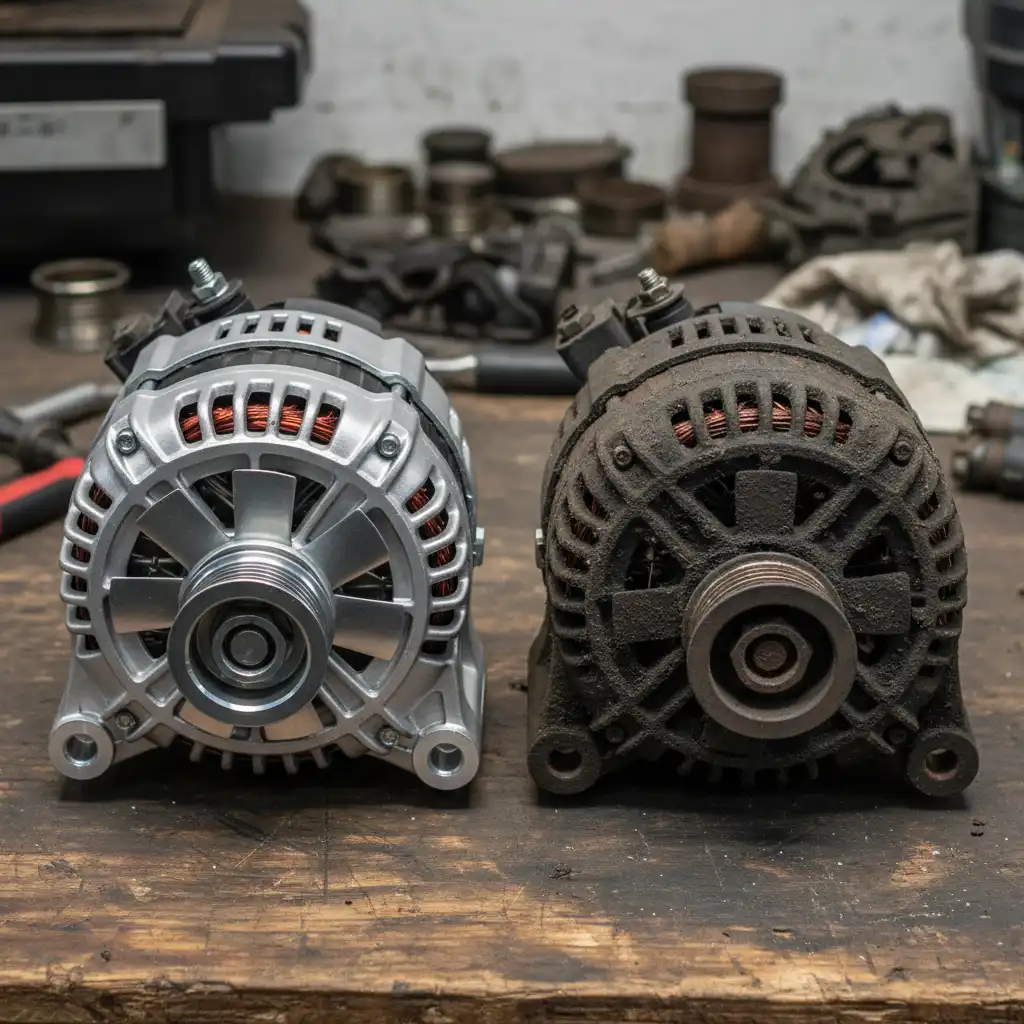
A reconditioned alternator is not simply “used.” It is a unit that has been disassembled, cleaned, and inspected. Wearable parts like brushes, bearings, the voltage regulator, and the rectifier are replaced with new components. The copper windings and housing are reused if they pass testing.
Pros: significantly cheaper (often 30-50% less than OEM), environmentally friendly (recycling core components), and usually reliable.
Cons: The lifespan may be shorter than a brand-new OEM unit, and warranty periods are sometimes shorter.
The Cost of Alternator Replacement in Auckland
The cost of mobile alternator repair in Auckland varies based on the vehicle make and model, the type of alternator chosen, and the complexity of the installation. European vehicles (Audi, BMW, VW) generally have higher parts costs and more labor-intensive installation processes compared to Japanese vehicles (Toyota, Mazda, Nissan).
Estimated Parts Costs (NZD)
- Standard Japanese Vehicle (e.g., Toyota Corolla): $250 – $450 for a new aftermarket or quality reconditioned unit.
- European/Luxury Vehicle (e.g., BMW 3 Series): $500 – $1,200+ depending on whether OEM or aftermarket is used.
- SUVs and Utes (e.g., Ford Ranger): $350 – $600.
Labor and Call-Out Fees
Mobile mechanics typically charge a call-out fee or a minimum hourly rate. In Auckland, labor rates generally range from $90 to $140 per hour. Alternator replacement is usually a 1 to 2-hour job, though some vehicles require removing other components (like the radiator fan or intake manifold) to access the alternator, which increases labor time.
Total Estimated Investment
For a standard vehicle, you can expect the total invoice to range between $400 and $700 NZD. For high-end or complex vehicles, this can exceed $1,000 NZD. However, when comparing this to a workshop, remember to factor in the savings from not paying for a tow truck, which can cost upwards of $150 in the Auckland region.
The Benefits of Mobile Mechanics in Auckland
Auckland’s geography and traffic density make mobile mechanics a superior choice for charging system repairs. With the city spread out from the North Shore to Manukau, getting a non-running car to a workshop is logistically difficult.
- Convenience: The repair happens while you are at work or in the comfort of your home. You don’t lose a day waiting in a garage waiting room.
- Zero Towing Fees: As mentioned, towing is expensive and risks damage to the vehicle (especially for AWD vehicles if not towed correctly).
- Transparency: You can watch the mechanic work. They can show you the multimeter readings and the old part, explaining exactly what went wrong.
- Emergency Response: Many mobile alternator repair services in Auckland offer urgent response times, getting you back on the road faster than booking a workshop appointment weeks in advance.
For more information on how alternators function within the broader context of automotive engineering, you can refer to Wikipedia’s detailed entry on Automotive Alternators.
Preventative Maintenance Tips
While alternators eventually wear out, certain habits can extend their lifespan. Avoid overloading your electrical system with high-draw aftermarket accessories (like massive subwoofers or light bars) unless you have upgraded the alternator to a high-output unit.
Additionally, keep your engine bay clean. Oil leaks from valve covers often drip onto the alternator. Oil attracts dust and grime, which acts as an insulator, causing the alternator to overheat and fail prematurely. Regularly checking the tension and condition of the serpentine belt is also crucial; a slipping belt prevents the alternator from charging effectively.

Frequently Asked Questions
Below are common questions regarding mobile alternator repair and replacement specifically for Auckland drivers.
Can a car run with a broken alternator?
A car can run for a very short time with a broken alternator, typically 10 to 30 minutes, depending on the battery’s reserve capacity. Once the battery is drained, the engine will stall and will not restart. Driving in this state is dangerous as you may lose power steering and headlights.
How long does it take to replace an alternator mobile?
Most mobile alternator replacements take between 1 to 2 hours. However, some vehicle models with cramped engine bays may require 3 or more hours if components like the radiator or intake manifold need to be removed to access the unit.
Is it worth fixing an alternator or should I buy a new one?
It is rarely cost-effective to repair an alternator component-by-component (like just changing brushes) on-site due to labor costs. Replacing the entire unit with a new or factory-reconditioned alternator is the standard practice as it comes with a warranty and ensures all internal components are fresh.
Does a new alternator come with a warranty?
Yes, reputable mobile mechanics in Auckland will provide a warranty on both parts and labor. New alternators typically come with a 1 to 3-year warranty, while reconditioned units usually offer a 6 to 12-month warranty.
How do I know if it is the battery or the alternator?
If the car starts with a jump but dies immediately after the jumper cables are removed, it is likely the alternator. If the car runs fine after a jump but won’t start again after being turned off, it is likely a bad battery holding no charge. A multimeter test confirms this.
Do mobile mechanics carry alternators with them?
Mobile mechanics do not carry every alternator type due to the vast number of vehicle models. However, once you provide your vehicle registration or VIN during the booking, they will source the correct part from a local supplier before arriving at your location.