
Seasonal car checks in Auckland involve systematically inspecting critical vehicle components—such as tyres, batteries, fluids, and wiper blades—to adapt to the region’s specific subtropical climate. To ensure safety and reliability, drivers must prioritize preventative maintenance that addresses the unique challenges of humid, rainy winters and hot, traffic-heavy summers.
Understanding Auckland’s Unique Driving Conditions
Auckland is a city defined by its geography. Situated on an isthmus between two harbours, the region experiences a unique microclimate that places specific demands on vehicles. Unlike the South Island, where snow and ice are the primary winter concerns, Auckland drivers face a different set of challenges: relentless humidity, heavy rainfall, salt-laden coastal air, and notorious stop-start traffic congestion.
These environmental factors accelerate wear and tear in ways many vehicle owners overlook. The high humidity can accelerate corrosion on electrical contacts and battery terminals. The “four seasons in one day” weather pattern means your vehicle’s heating and cooling systems must be operational year-round. Furthermore, the sheer volume of traffic on State Highway 1 and arterial routes puts immense strain on braking systems and cooling fans.
Preventative maintenance is not merely about ticking boxes; it is about adapting your vehicle to survive the local environment. Regular seasonal checks act as an insurance policy against preventable breakdowns, ensuring that you are not left stranded on the Harbour Bridge or stuck on a remote road during a holiday weekend. By understanding the specific stresses Auckland roads place on your car, you can take a proactive approach to vehicle health.
Winter Car Preparation: Surviving the Wet Season
Winter in Auckland does not usually mean snow chains, but it does mean rain—and lots of it. The months from June to August bring significantly higher rainfall, reduced visibility, and shorter daylight hours. Preparing your car for these conditions is essential for safety.
Visibility: Wipers and Lights
Visibility is your first line of defense. During an Auckland downpour, ineffective wiper blades can render a windscreen opaque in seconds. The intense UV rays during summer can cause the rubber on wiper blades to crack and perish. As winter approaches, you must inspect your blades for splits or skipping. If they leave streaks or make noise, they need immediate replacement. Additionally, check your windscreen washer fluid reservoir. It should be topped up with a high-quality additive that cuts through road grime and oily films, which are prevalent after the first rains of the season.
Lighting is equally critical. With shorter days, you will be driving in the dark more frequently. Walk around your vehicle and check every bulb: headlights (dipped and high beam), indicators, brake lights, and reversing lights. Hazy or yellowed headlight lenses should be polished to restore maximum light output.
Braking on Slippery Roads
Wet roads increase stopping distances significantly. Your braking system must be in peak condition to handle sudden stops in wet traffic. Listen for squealing or grinding noises, which indicate worn pads. If your brake pedal feels spongy, it may indicate moisture in the brake fluid—a common issue in humid climates—which necessitates a fluid flush.
Summer Readiness Tips: Beating the Heat and Humidity
While Auckland winters are wet, the summers can be deceptively harsh on vehicles. The combination of ambient heat, high humidity, and friction from the road can push mechanical systems to their breaking point. Summer maintenance focuses on cooling and reliability during long road trips.
Cooling System Integrity
Overheating is the number one cause of summer breakdowns. Your car’s radiator and cooling system work overtime when you are stuck in holiday traffic under the blazing sun. Inspect the radiator for leaks or corrosion and ensure the coolant level is within the recommended range. The coolant acts as both an antifreeze and an anti-boil agent, raising the boiling point of the water in your engine. Old coolant loses its protective properties, leading to internal corrosion.
Air Conditioning and Cabin Filters
Air conditioning is not just for comfort; it is a safety feature that prevents driver fatigue and demists windows during humid summer storms. If your AC is blowing warm air, it may need a re-gas or have a leak in the system. Furthermore, checking the cabin air filter is vital. Auckland’s pollen count can be high, and a clogged filter restricts airflow and circulates allergens inside the car.
Essential Fluid Checks and Top-Ups
Fluids are the lifeblood of your vehicle. Neglecting them is the fastest route to a catastrophic mechanical failure. Seasonal transitions are the perfect reminder to check the “vital four”: Oil, Coolant, Brake Fluid, and Power Steering Fluid.
Engine Oil
Oil lubricates moving parts, reduces friction, and helps disperse heat. Check your oil level when the engine is cold and the car is on level ground. The oil should be amber or brown; if it is black and gritty, it is due for a change. In older vehicles, you might consider switching to a slightly higher viscosity oil in summer to maintain protection under higher temperatures, though always consult your manufacturer’s handbook first.
Brake Fluid
Brake fluid is hygroscopic, meaning it absorbs moisture from the atmosphere. This is particularly problematic in Auckland’s humid environment. As water content in the fluid rises, the boiling point drops. Under heavy braking (like descending the Bombay Hills), fluid with high water content can boil, leading to total brake failure. A professional mechanic can test the moisture content of your fluid in seconds.
According to the NZ Transport Agency (Waka Kotahi), regular vehicle inspection is mandated for a Warrant of Fitness, but fluids should be checked far more frequently than the annual or six-monthly inspection cycle to ensure ongoing roadworthiness.
Tyre and Battery Assessments: The Critical Safety Duo
If you only check two things on your car, make them your tyres and your battery. These components are the most susceptible to seasonal changes and are critical for your safety and mobility.
Tyre Health: The Only Contact Patch
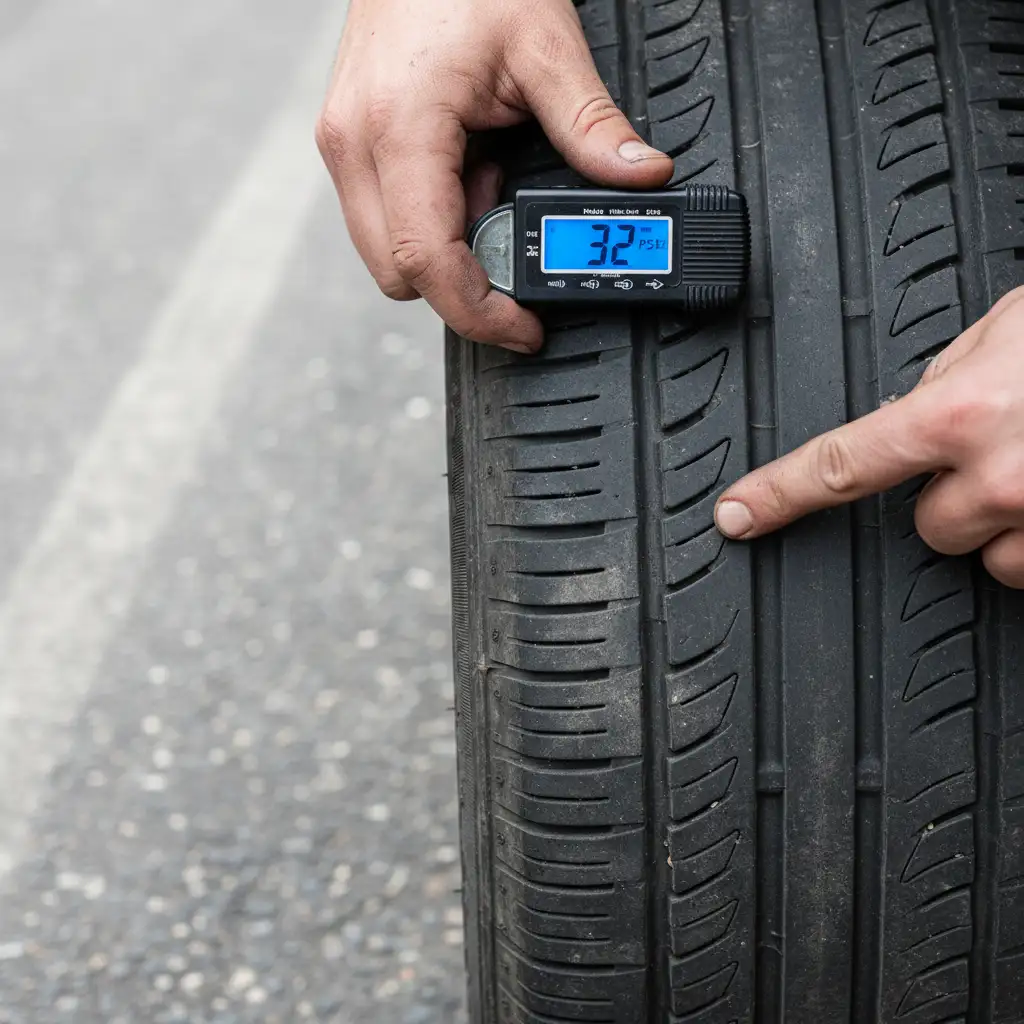
Your tyres are the only thing connecting your vehicle to the road. In Auckland’s wet conditions, tread depth is paramount for dispersing water and preventing hydroplaning. While the legal minimum tread depth in New Zealand is 1.5mm, most safety experts recommend replacing tyres when they reach 3mm. At 1.5mm, your stopping distance in the wet is drastically compromised.
Tyre pressure also fluctuates with temperature. For every 10°C drop in temperature, tyre pressure can drop by 1-2 PSI. Conversely, hot summer roads increase pressure. Incorrect pressure leads to uneven wear, poor fuel economy, and dangerous handling. Check your pressures (including the spare) once a month.
Battery Resilience
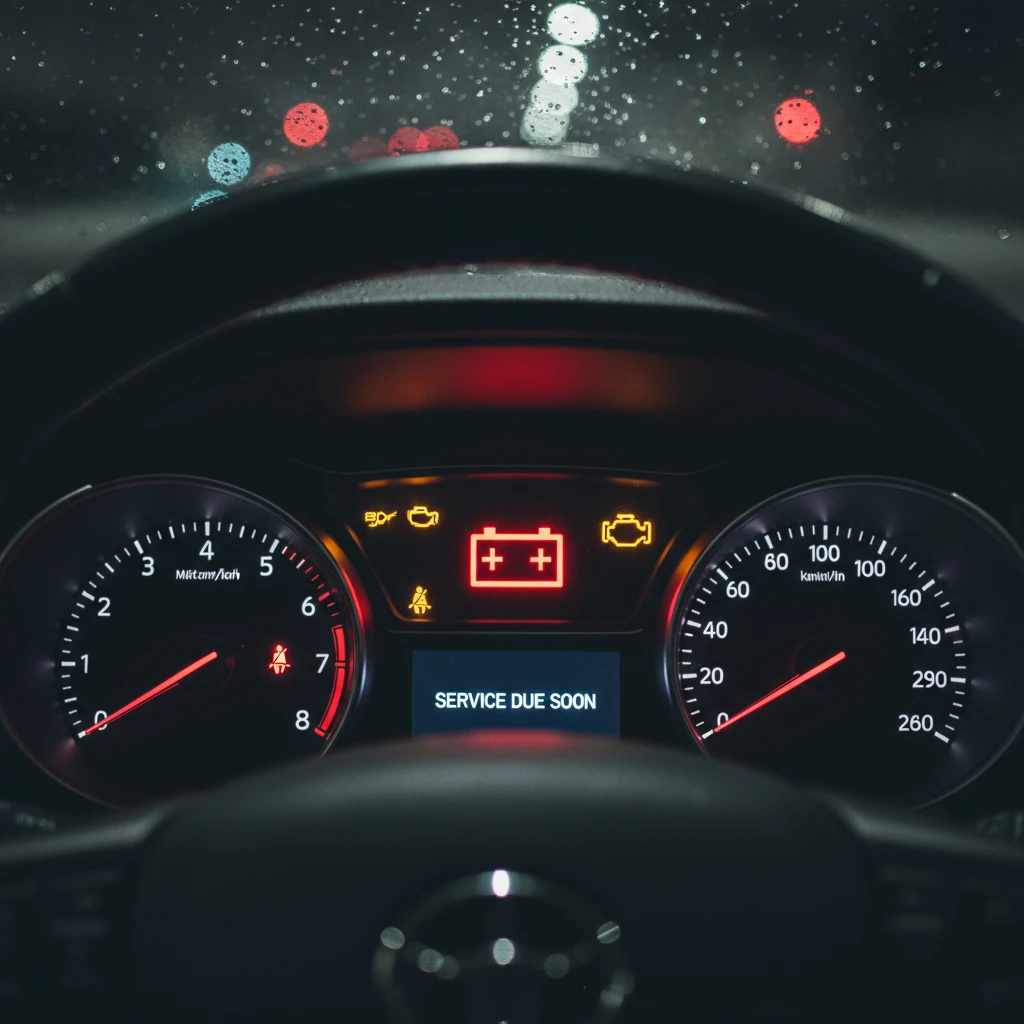
Car batteries hate temperature extremes. Summer heat accelerates the chemical reaction inside the battery, which can overcharge it and evaporate the internal fluid, damaging the structure. However, the failure usually happens in winter. When the temperature drops, the engine requires more amps to crank over, but the cold battery has less power available to deliver. If your battery is more than three years old, have it load-tested before winter sets in. It is cheaper to replace a dying battery proactively than to pay for an emergency call-out.
The Mobile Mechanic Advantage for Preventative Maintenance
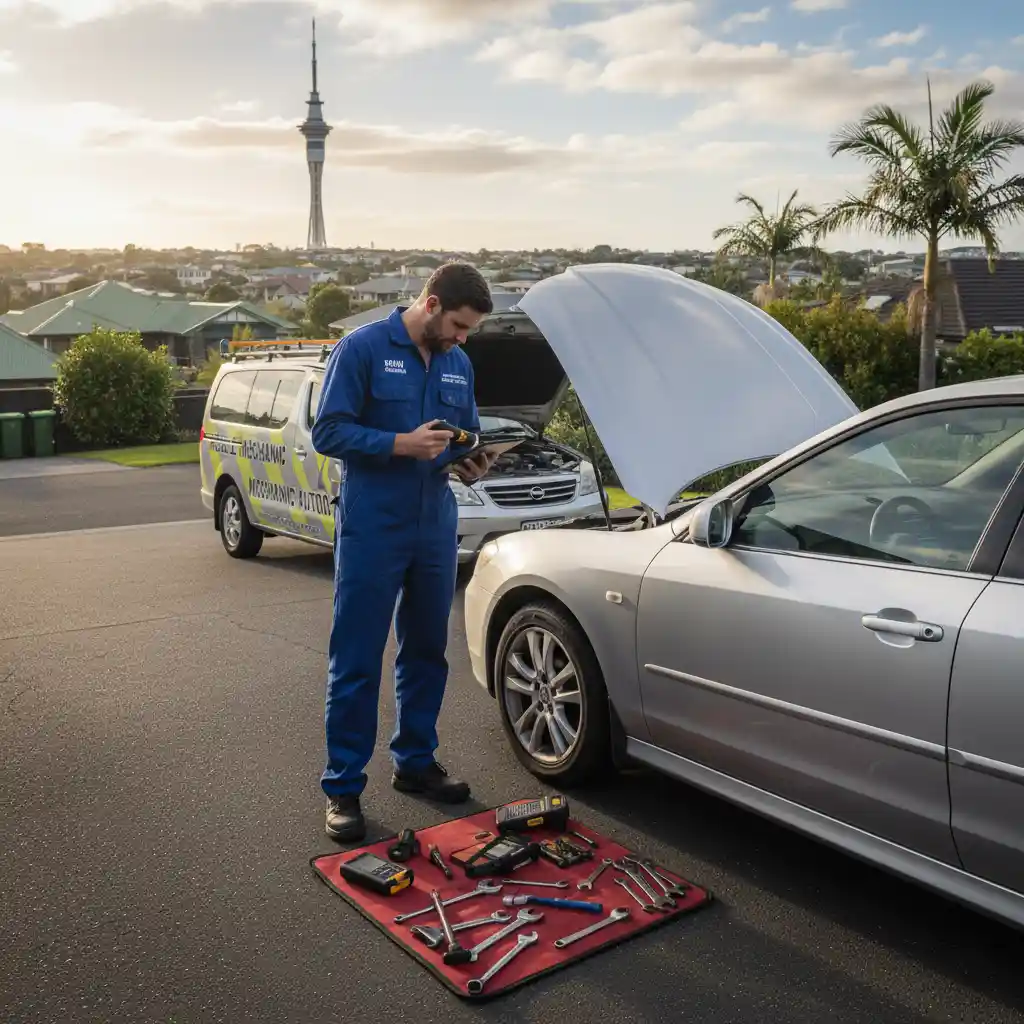
For many Aucklanders, finding the time to drop a car off at a workshop is a logistical nightmare. This is where the mobile mechanic niche offers a distinct advantage. Mobile mechanics bring the workshop to your driveway or workplace, allowing for seasonal checks to be performed without disrupting your schedule.
A qualified mobile mechanic can perform comprehensive assessments, including:
- Battery Load Testing: Determining exactly how much life is left in your battery.
- Fluid Analysis: Checking the condition, not just the level, of oils and coolants.
- Diagnostic Scans: Reading error codes from the car’s computer that may indicate pending issues.
- Visual Inspections: Checking belts, hoses, and suspension components for wear.
By utilizing a mobile service, you ensure that preventative maintenance actually happens, rather than being put off due to inconvenience. This proactive approach saves money in the long run by catching small issues—like a weeping water pump or a worn drive belt—before they turn into expensive roadside breakdowns.
Frequently Asked Questions
How often should I get a seasonal car check in Auckland?
It is recommended to perform a thorough check at least twice a year: once before winter (May) to prepare for rain and darkness, and once before summer (November) to prepare for heat and holiday travel. However, basic checks like tyre pressure and fluid levels should be done monthly.
What is the legal tyre tread depth in New Zealand?
The legal minimum tyre tread depth in New Zealand is 1.5mm across 75% of the tyre width. However, for safety on wet Auckland roads, it is highly recommended to replace tyres when the tread reaches 3mm to maintain effective water dispersal.
Why does my car battery die more often in winter?
Batteries operate via a chemical reaction that slows down in cold temperatures, reducing the power output. Simultaneously, cold engines require more power to start due to thickened oil. This combination of high demand and low supply often causes older batteries to fail in winter.
Do I need antifreeze in Auckland if it rarely freezes?
Yes. “Antifreeze” is actually a coolant additive that also raises the boiling point of the water (preventing overheating in summer) and contains corrosion inhibitors that protect the engine’s internal metal components from rust. It is essential year-round.
How can I check if my wiper blades need replacing?
Inspect the rubber edge for cracks or splits. If the wipers leave streaks, miss sections of the windscreen, or make a chattering noise during operation, they are worn out and should be replaced immediately to ensure visibility.
Is a mobile mechanic service as thorough as a workshop?
Yes, for seasonal checks and preventative maintenance, a mobile mechanic is fully equipped to perform the same level of inspection as a workshop. They carry diagnostic tools, fluids, and parts, providing the same quality of service with added convenience.