
A WOF checklist Auckland is a systematic pre-inspection guide designed to help vehicle owners identify common faults before visiting testing stations. By verifying critical components like tyre tread, lighting, brakes, and structural integrity, drivers can avoid costly re-inspection fees and ensure their vehicle meets Waka Kotahi safety standards.
For any vehicle owner in New Zealand, the Warrant of Fitness (WOF) is a mandatory requirement that ensures your car is safe to be on the road. However, for many Aucklanders, the bi-annual or annual trip to the testing station is a source of anxiety. The fear of a failed inspection, followed by expensive, urgent repairs, is a common stressor. The good news is that a significant percentage of WOF failures are caused by minor issues that could have been identified and rectified with a simple pre-check.
This comprehensive guide provides a detailed WOF checklist specifically tailored for Auckland drivers. Whether you are driving an older import or a newer vehicle, running through these items can save you time, money, and the hassle of a failed sticker.
Understanding the Auckland WOF Standard
Before diving into the mechanical specifics, it is essential to understand what the WOF actually covers. The Warrant of Fitness is a periodic safety inspection that is compulsory for light vehicles (cars, vans, utes, 4WDs, and trailers). It is not a comprehensive mechanical check of the engine’s longevity or the gearbox’s condition; rather, it focuses strictly on safety.
In Auckland, where traffic density is high and stop-start driving is the norm, certain components like brakes and tyres tend to wear out faster than in rural areas. Furthermore, the humid climate can accelerate rust issues in older vehicles. According to Waka Kotahi NZ Transport Agency, a valid WOF verifies that your vehicle was safe at the time of inspection, but it is the driver’s responsibility to keep it roadworthy throughout the year.
Lighting and Signals: The Most Common Failures
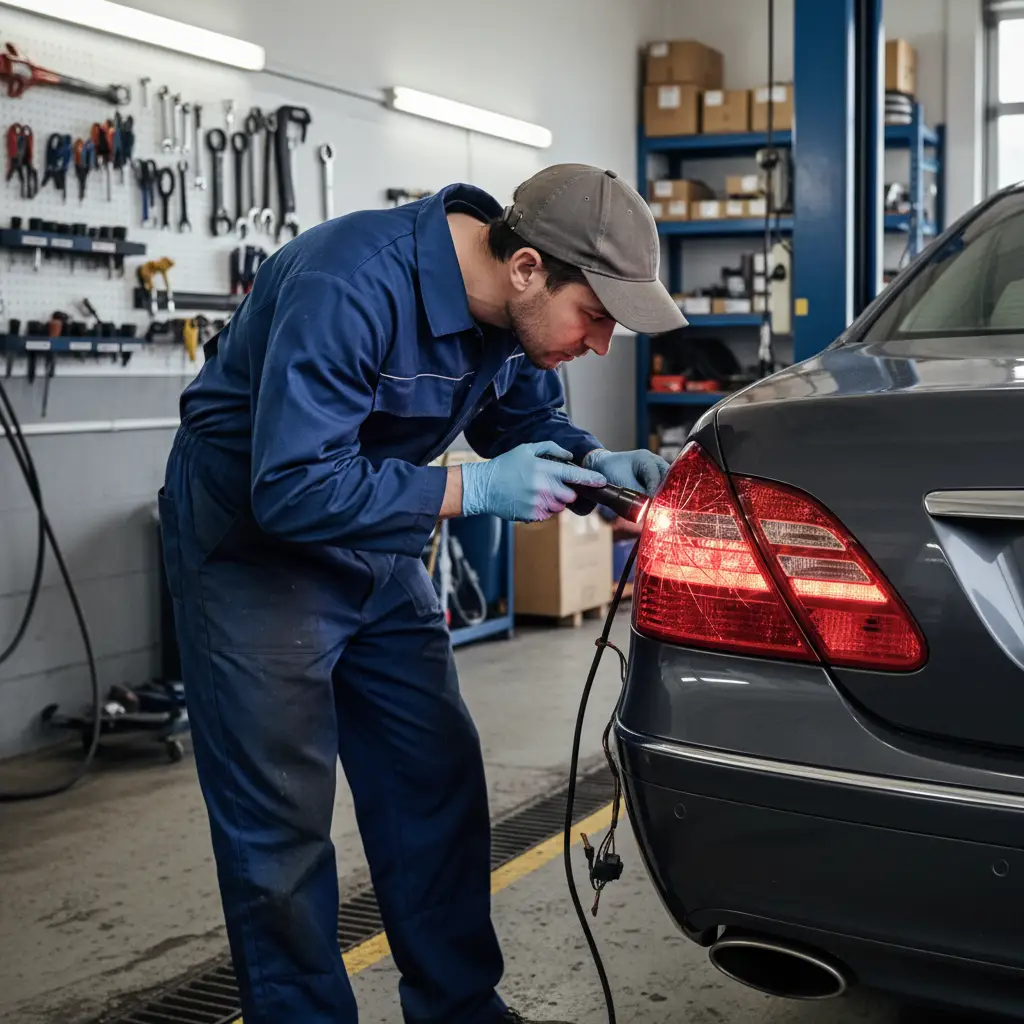
Surprisingly, lighting issues are among the most frequent reasons for WOF failure in Auckland. These are also the easiest to check and fix yourself before you head to the garage.
Headlights and Parking Lights
Your headlights must be functioning on both high and low beams. The lenses must be clear; cloudy or yellowed lenses can diffuse the beam pattern and lead to a fail. If your headlights are foggy, a headlight restoration kit or a professional polish can resolve the issue.
Indicators and Hazard Lights
Check all four corners of the vehicle. The indicators must flash at a regular interval. If one is blinking rapidly, it usually indicates a blown bulb on that side. Do not forget to check the side repeaters (the small lights on the front fenders or wing mirrors) if your vehicle is equipped with them.
Brake Lights and High-Stop Light
This is where many drivers get caught out. You need a friend to stand behind the car while you press the brake pedal, or you can back up toward a reflective surface like a shop window. Ensure the high-stop light (the central light in the rear window or on the spoiler) is working, as this is a mandatory requirement for vehicles manufactured after 1990.
Number Plate Lights
Often ignored, the small lights illuminating your rear license plate must be working. If one is out, it is an instant fail.
Tyre Condition, Pressure, and Suspension
Your tyres are the only contact point between your car and the Auckland roads. WOF inspectors are extremely strict regarding tyre safety.
Tread Depth
The legal minimum tread depth in New Zealand is 1.5mm across 75% of the tyre’s width. However, for safety, most mechanics recommend replacing tyres once they reach 3mm. You can check this using the wear indicators moulded into the tyre grooves. If the tread is flush with these bars, the tyre needs replacing.
Physical Condition
Inspect the sidewalls for deep cuts, bulges, or cracks. A bulge usually indicates internal structural damage (often from hitting a kerb or pothole) and is extremely dangerous. Also, check that the tyres on the same axle are of the same specifications.
Suspension Checks
While you cannot fully inspect suspension without a hoist, you can check for obvious signs. Push down on each corner of the car. It should bounce once and settle. If it continues to bounce, your shock absorbers may be worn. Listen for clunking or squeaking noises when turning the steering wheel or going over bumps, as these often indicate worn bushes or ball joints.
Brake System Inspection
Auckland’s traffic congestion means your brakes work hard. While a WOF inspector will use a roller machine to test braking force balance, you can perform a preliminary check.
Pedal Feel
Press the brake pedal. It should feel firm, not spongy. If the pedal sinks to the floor, you may have a leak in the master cylinder or air in the lines. This is a critical safety failure.
Handbrake Operation
Pull the handbrake up. It should engage firmly and hold the vehicle stationary on a slope. If the lever pulls up too high (usually more than 5-7 clicks) or offers little resistance, the cable may need adjustment or the rear brake shoes may be worn.
Vision: Windscreens, Mirrors, and Wipers
Visibility is paramount. The Critical Vision Area (CVA) is the section of the windscreen directly in front of the driver, roughly the width of the steering wheel.
Windscreen Damage
Any chip larger than 25mm in the CVA will result in a failure. Even small star cracks can be grounds for rejection if they are in the driver’s direct line of sight. Outside the CVA, damage is tolerated to a greater degree, provided it doesn’t compromise the structural integrity of the glass.
Wiper Blades
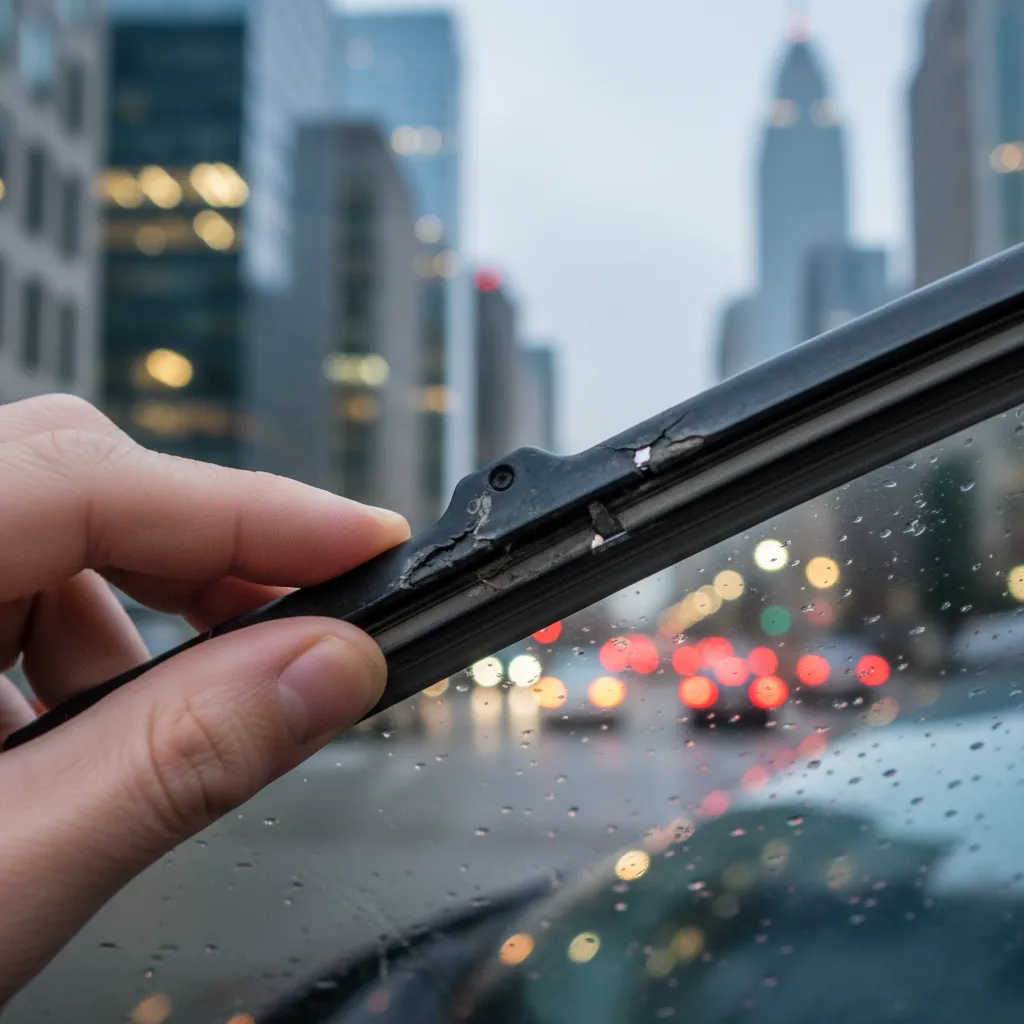
Wipers must clear the screen effectively. If they leave streaks, smear water, or chatter across the glass, they need replacing. Also, check your windscreen washer fluid levels and ensure the washer jets are aiming correctly at the glass.
Mirrors
Rear-view and side mirrors must be secure and provide a clear view. Cracked glass in a side mirror is often a failure point if it distorts the reflection significantly.
Interior Safety: Belts, Doors, and Seats
The interior inspection focuses on the safety of the occupants in the event of a crash.
Seatbelts
Pull every seatbelt out fully. Check for fraying, cuts, or fading (which can weaken the webbing). Ensure the buckle clicks securely and releases easily. Give the belt a sharp tug to ensure the inertia reel locks mechanism is working.
Doors and Handles
All doors must open and close securely from both the inside and the outside. If a child lock is engaged, ensure the owner knows, but the door must still be operable from the outside.
Seats
Seats must be securely anchored to the floor. If your driver’s seat rocks back and forth during acceleration or braking, tighten the mounting bolts.
Under the Bonnet: Fluids, Leaks, and Exhaust
While the WOF is not an engine service, specific under-bonnet items are checked for safety.
Fluid Leaks
Inspect the ground where you usually park your car. Oil or coolant leaks can be a failure if they are considered excessive or likely to contaminate the road surface. A dripping power steering leak is also a common failure point.
Battery Security
This is a very common and easily fixable failure. The battery must be clamped down securely. If you can move the battery with your hand, it will fail. In the event of an accident, a loose battery can short out and cause a fire.
Exhaust System
Start the engine and listen to the exhaust. A loud roar or ticking sound usually suggests a hole in the muffler or exhaust pipe. The inspector will also check for excessive smoke. Blue smoke indicates burning oil, while black smoke indicates fuel issues. Both can lead to a fail if excessive.
Structural Integrity and Rust
Rust is a cancer for cars, especially in coastal cities like Auckland. Structural rust is one of the most expensive repairs to rectify.
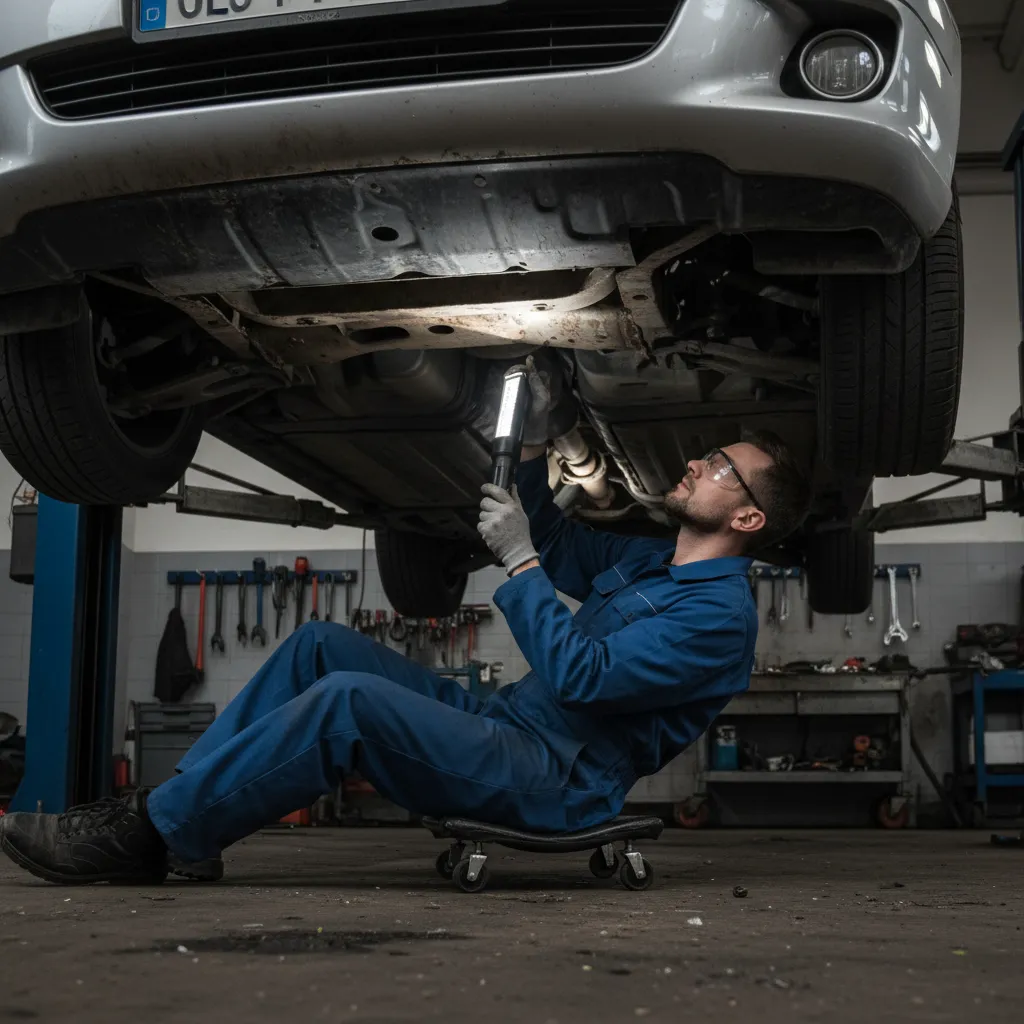
The WOF inspection looks for corrosion in key structural areas: the chassis, subframes, rocker panels (sills), and suspension mounting points. Surface rust is generally acceptable, but rust that causes pitting, bubbling paint, or flaking metal in a structural area is a major fail. If you suspect rust, poke the area gently; if it crunches, you will likely need professional welding repairs.
For modified vehicles, ensure any significant modifications (like adjustable suspension, engine swaps, or bucket seats) have the appropriate LVV certification plate attached. Without this, a standard WOF inspector cannot pass the vehicle.
People Also Ask (FAQs)
How much is a WOF in Auckland?
The cost of a Warrant of Fitness in Auckland typically ranges between $50 and $75. Prices vary depending on whether you visit a dedicated testing station, a mechanic workshop, or use a mobile service. Some workshops offer cheaper WOFs if you combine them with a standard vehicle service.
Can I drive my car if it fails the WOF?
If your WOF has expired and you fail the inspection, you cannot drive the car legally, except to take it to a place of repair or back to the testing station for re-inspection. If your current WOF is still valid (you went in early) and you fail, you may drive it, but the vehicle is technically unroadworthy, and your insurance may be invalid in an accident.
What is the most common reason for WOF failure in NZ?
Lights and tyres are consistently the top reasons for WOF failures in New Zealand. Blown bulbs, faded lenses, and worn tyre tread account for a large percentage of rejections, all of which are easily checkable by the owner prior to inspection.
How long does a WOF inspection take?
A standard WOF inspection usually takes between 20 to 45 minutes. If you are using a drive-through testing station, wait times can vary significantly depending on the queue length.
What happens if I fail my WOF?
If you fail, you will receive a check sheet detailing the faults. You have 28 days to rectify these issues and return to the same testing station for a re-check. The re-check is usually free or heavily discounted. If you exceed 28 days, a full new inspection and fee are required.
Do I need a WOF to sell a car in Auckland?
Yes, legally, a vehicle sold for road use must have a WOF issued no more than one month prior to the sale date. However, a buyer can agree in writing to accept the vehicle ‘as is, where is’ without a current WOF, provided they undertake to repair it before driving it on the road.