
Brake system service Auckland refers to the professional inspection, maintenance, and repair of a vehicle’s braking mechanism to ensure safety and compliance with New Zealand road standards. This comprehensive service typically involves checking brake pad thickness, resurfacing or replacing rotors, flushing hydraulic fluid, and testing calipers, all of which can be conveniently performed by mobile mechanics at your location.
Understanding Your Vehicle’s Brake Components
To truly appreciate the value of a professional brake system service in Auckland, it is essential to understand the intricate network of components that work in unison to stop your vehicle. Your braking system is not merely a pedal you press; it is a complex hydraulic and mechanical system that converts kinetic energy into thermal energy through friction.
Most modern vehicles on Auckland roads utilise a disc brake system, particularly on the front wheels, while some may still employ drum brakes on the rear. A mobile mechanic’s expertise lies in diagnosing issues within these specific sub-systems.
The Role of Brake Pads and Rotors
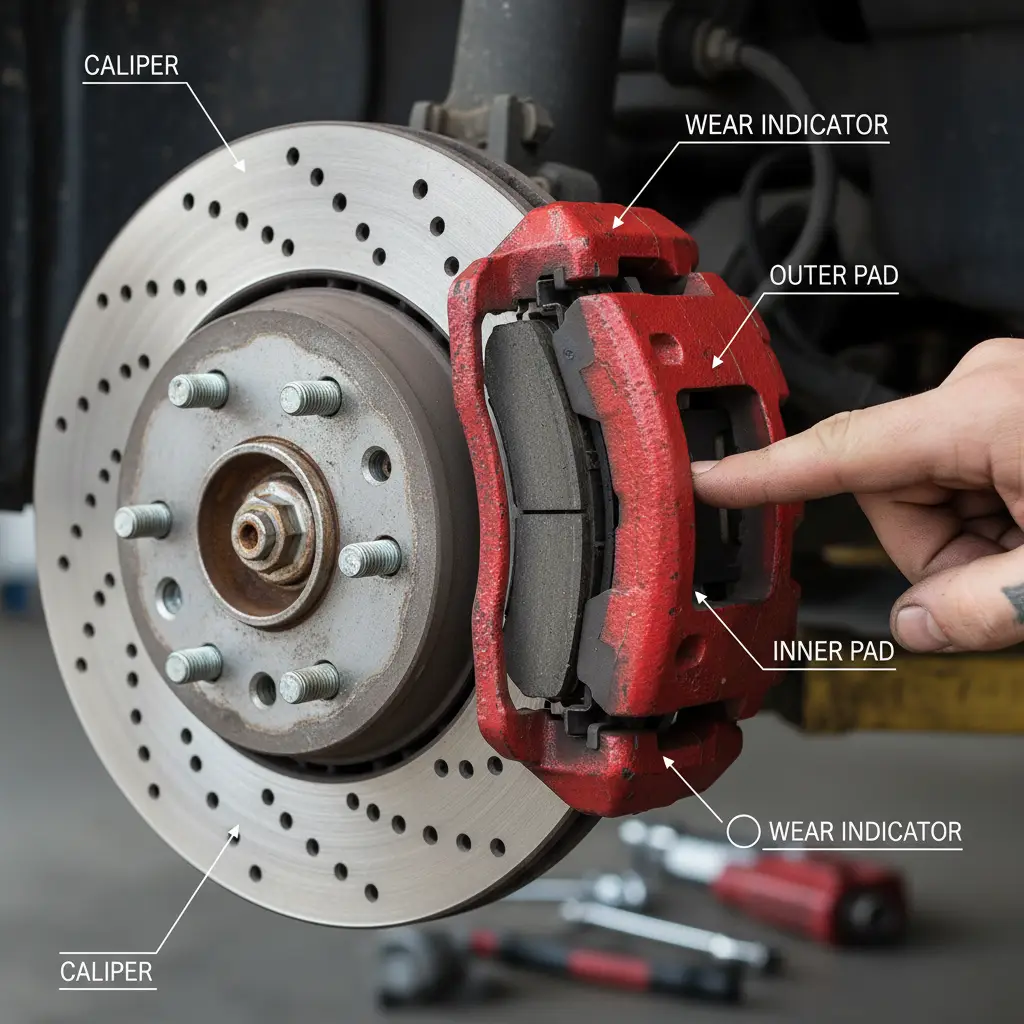
The brake pads are perhaps the most well-known component. These are steel backing plates with friction material bound to the surface. When you press the brake pedal, the caliper squeezes these pads against the spinning rotor (or disc). This action creates the friction necessary to slow the wheels. Over time, this friction material wears down. If left unchecked, the metal backing plate can grind against the rotor, causing catastrophic damage and necessitating expensive repairs.
Calipers and Hydraulics
The caliper is the clamping mechanism that houses the brake pads. It functions using hydraulic pressure. When you depress the brake pedal, brake fluid is pushed from the master cylinder through the brake lines and into the caliper. This pressure forces the piston inside the caliper to extend, pushing the pads against the rotor. A seized caliper is a common issue in humid Auckland conditions, where moisture can cause corrosion, leading to uneven braking or a vehicle that pulls to one side.
Brake Fluid: The Lifeblood of the System
Brake fluid is a hydraulic fluid that transfers force into pressure. It is hygroscopic, meaning it absorbs moisture from the air over time. In a coastal city like Auckland, this is particularly relevant. As the water content in the fluid increases, its boiling point decreases. Under heavy braking—such as descending the Bombay Hills or navigating stop-start traffic on the Southern Motorway—the fluid can boil, leading to a complete loss of braking power, known as “brake fade.”
Critical Signs Your Brakes Need Immediate Service
Your vehicle will often communicate with you before a complete brake failure occurs. Recognizing these auditory and tactile signals is crucial for maintaining safety. Ignoring these signs not only endangers you and other road users but also escalates the cost of repair.
High-Pitched Squealing or Screeching
This is often the first indicator that your brake pads are wearing thin. Manufacturers include a small metal shim called a wear indicator in the brake pads. When the friction material wears down to a specific level, this shim contacts the rotor, producing a high-pitched squeal. This is a deliberate warning sound designed to alert you that service is due soon.
Grinding Metal Noise
If the squealing sound is ignored, it will eventually turn into a harsh grinding growl. This sound indicates metal-on-metal contact. The friction material is completely gone, and the steel backing of the pad is carving grooves into the rotor. At this stage, braking efficiency is significantly compromised, and you will almost certainly need to replace both the pads and the rotors.
Vibration or Pulsation in the Pedal
If you feel the brake pedal vibrating or pulsing under your foot, it often indicates warped rotors. Rotors can warp due to excessive heat cycles or uneven tightening of wheel lug nuts. In Auckland’s variable traffic, where heavy braking is common, rotors can overheat. When a warped rotor spins, the pads cannot maintain even contact, pushing back against the caliper piston and creating a pulsation sensation.
Spongy or Soft Brake Pedal
A brake pedal that feels “mushy” or sinks all the way to the floor is a serious emergency. This usually indicates air in the brake lines or a leak in the hydraulic system (master cylinder or brake lines). Since air is compressible (unlike brake fluid), the force you apply to the pedal is wasted compressing the air rather than moving the calipers. Immediate professional attention is required.
The Advantage of Mobile Brake Repair in Auckland
The traditional model of car repair involves taking time off work, driving to a workshop, arranging a ride back, and waiting hours—or days—for a call. The mobile mechanic model has revolutionized this process, specifically for the Auckland market where traffic congestion and busy lifestyles make workshop visits inconvenient.
Convenience and Time Efficiency
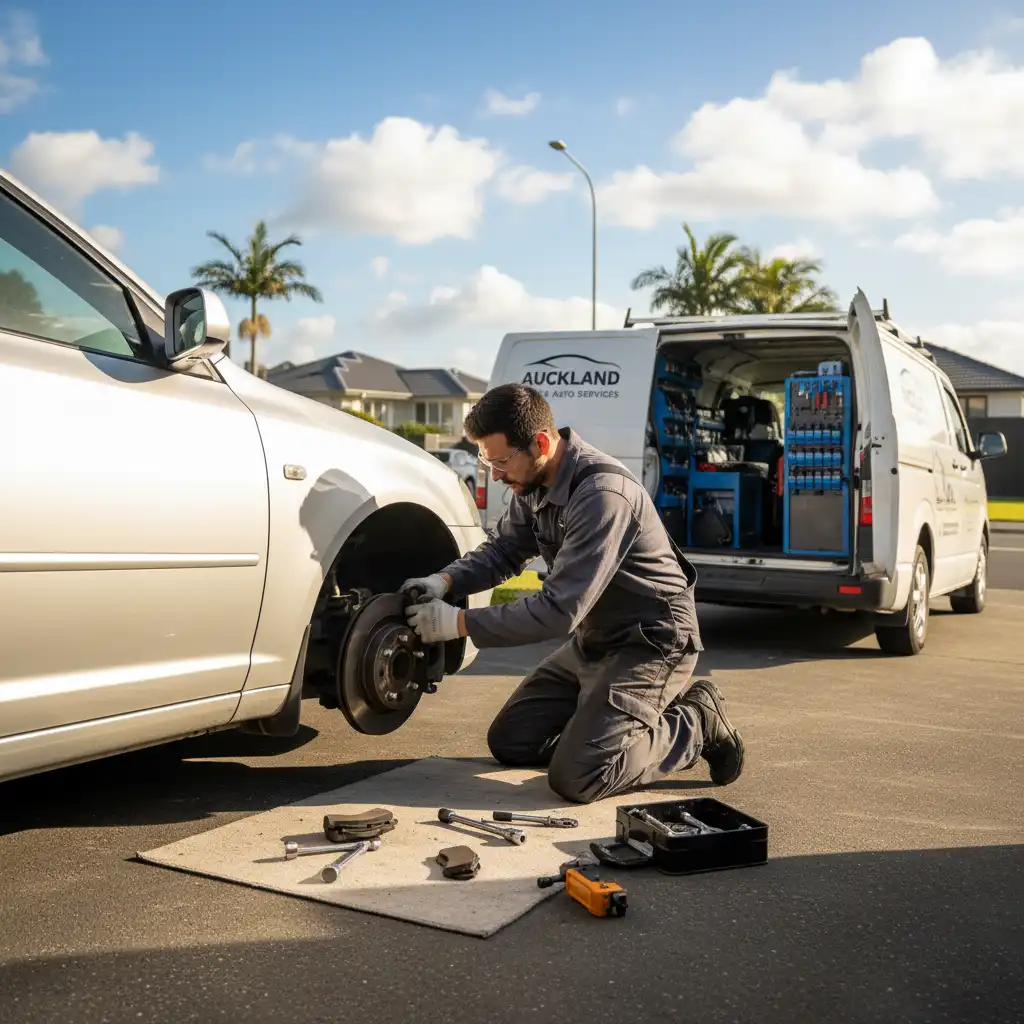
A mobile brake service brings the workshop to you. Whether you are parked in a driveway in Remuera, an office car park in Albany, or a construction site in Manukau, a fully equipped mobile unit can perform almost all brake services on-site. This eliminates the need for towing a dangerous vehicle or navigating Auckland’s gridlock with compromised brakes.
Transparency and Education
One of the hidden benefits of using a mobile mechanic is the ability to witness the repair. In a traditional garage, customers are kept in a waiting room. With a mobile service, the mechanic can show you exactly how worn your pads are compared to new ones. This transparency builds trust and helps you understand exactly what you are paying for.
Cost-Effectiveness
Mobile mechanics often have lower overheads than large brick-and-mortar dealerships. They do not pay rent for a massive workshop or showroom. These savings are often passed on to the customer, making mobile brake system service in Auckland a competitive option without sacrificing quality.
The Vital Importance of Regular Brake Checks
Preventative maintenance is the cornerstone of automotive safety. Regular brake checks are not just about fixing what is broken; they are about predicting wear and ensuring reliability.
Extending Component Lifespan
By catching issues early, you can save significant money. For example, replacing brake pads before they wear down to the metal prevents damage to the rotors. Rotors are significantly more expensive than pads. Furthermore, regular checks ensure that calipers are lubricated and sliding freely, preventing uneven wear and extending the life of the entire system.
Safety on New Zealand Roads
New Zealand’s terrain is diverse, featuring winding coastal roads, steep gradients, and high-speed motorways. Your brakes must be capable of handling emergency stops in wet weather conditions. Regular checks ensure your stopping distance remains optimal. According to the NZ Transport Agency (Waka Kotahi), brake defects are a contributing factor in many accidents, emphasizing the need for rigorous maintenance standards.
Our Step-by-Step Brake Service Process
When you book a brake system service in Auckland with a professional mobile mechanic, you can expect a structured and thorough procedure designed to restore your vehicle to factory specifications.
1. Initial Diagnosis and Test Drive
The service begins with a discussion about the symptoms you have noticed. The mechanic will then perform a test drive (if safe) to replicate the noise or feeling. This helps isolate whether the issue is front or rear, or related to the hydraulics.
2. Wheel Removal and Visual Inspection
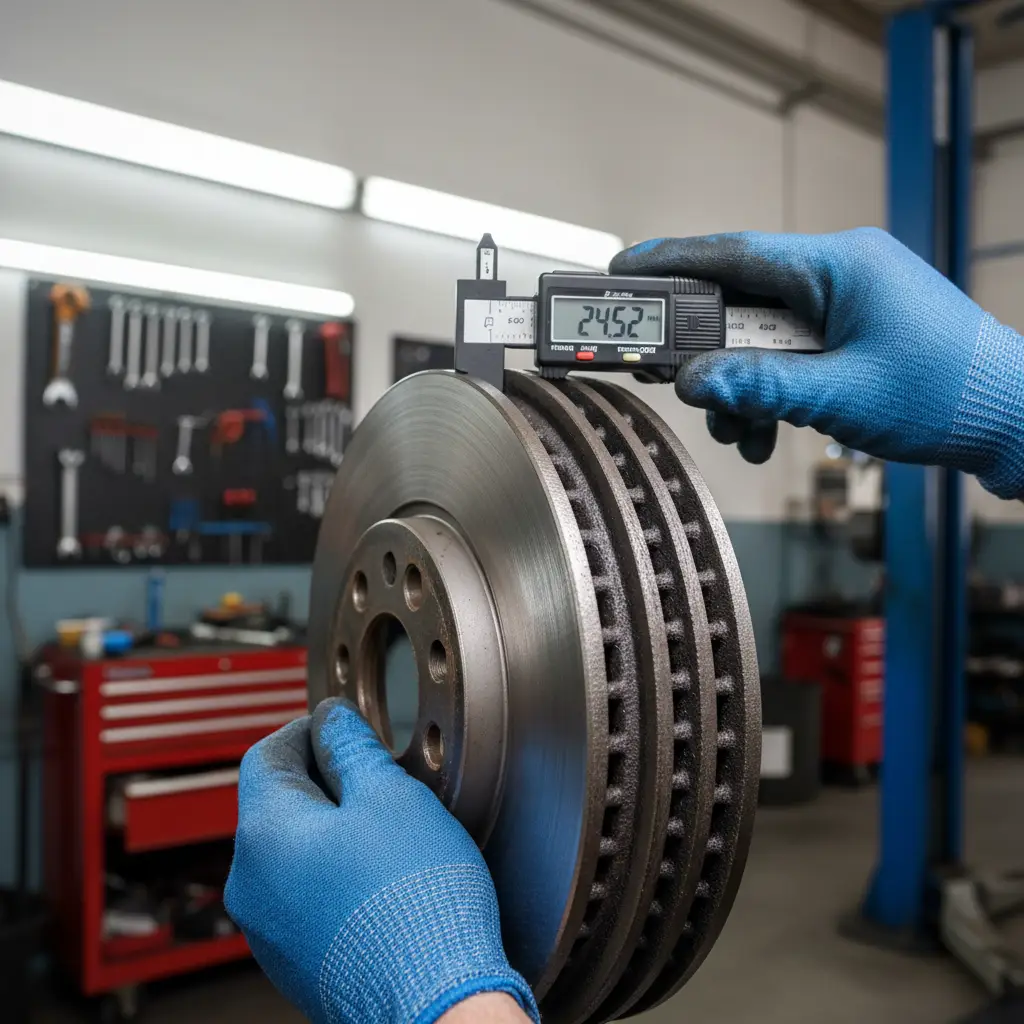
The vehicle is lifted safely using hydraulic jacks and jack stands. The wheels are removed to expose the braking system. The mechanic measures the remaining friction material on the pads and checks the thickness and run-out (warping) of the rotors using precision instruments.
3. Component Replacement and Servicing
Worn components are removed. The caliper brackets are cleaned of rust and brake dust. Guide pins are lubricated with high-temperature caliper grease—a critical step often skipped by budget operators. New pads and rotors (if necessary) are installed. If the brake fluid is dark or has high moisture content, a fluid flush is performed.
4. Reassembly and Final Safety Check
Once the new parts are installed, the wheels are torqued to the manufacturer’s specifications. The brake pedal is pumped to seat the pads against the rotors. A final test drive ensures the new brakes are bedded in correctly, operating silently, and providing strong stopping power.
Meeting New Zealand WOF Standards
In New Zealand, the Warrant of Fitness (WOF) is a mandatory periodic inspection that ensures vehicles meet required safety standards. The braking system is one of the most scrutinized areas during a WOF inspection.
Inspectors look for:
- Brake Balance: The brakes must operate evenly on all wheels to prevent the car from spinning during an emergency stop.
- Pedal Reserve: There must be sufficient travel remaining in the pedal after the brakes are applied.
- Component Condition: Hoses must be free of cracks and bulges; rotors must be within thickness limits.
A specialized mobile brake service ensures your vehicle is prepped to pass its WOF on the first attempt, saving you the hassle of re-inspection fees. For more details on vehicle inspection requirements, reputable sources like Wikipedia’s overview of the Warrant of Fitness provide historical and regulatory context.
Frequently Asked Questions
Below are common questions regarding brake system services in the Auckland region.
How often should I get my brakes checked in Auckland?
It is recommended to have your brakes checked at least once a year or every 10,000 to 15,000 kilometers. However, given Auckland’s stop-start traffic, more frequent checks may be necessary if you notice any changes in performance.
Can a mobile mechanic replace brake rotors on my driveway?
Yes, mobile mechanics are fully equipped to replace brake rotors and pads on a driveway or flat surface. They carry the necessary jacks, stands, and tools to perform the job safely and cleanly.
How much does a brake service cost in Auckland?
The cost varies depending on the vehicle make and model, and the extent of the repairs (e.g., just pads vs. pads and rotors). Generally, a standard brake pad replacement can range from $180 to $350, while full rotor and pad replacement will be higher. Mobile services are often competitively priced against workshops.
What is the difference between brake pads and brake shoes?
Brake pads are used in disc brake systems (usually front wheels) and clamp onto a rotor. Brake shoes are used in drum brake systems (often rear wheels on older or smaller cars) and push outward against a drum. Both generate friction to stop the car.
Why do my brakes squeak in the morning?
Morning squeaking is often caused by surface rust or moisture that accumulates on the rotors overnight, especially in humid Auckland weather. This usually clears up after the brakes are applied a few times. If the noise persists, it may indicate worn pads.
Does a mobile brake service include a warranty?
Reputable mobile mechanics in Auckland provide a warranty on both parts and labor, typically covering 12 months or 20,000 kilometers, giving you peace of mind similar to a stationary workshop.