
A mobile tyre inspection in Auckland is a professional, on-site service where a qualified mechanic travels to your location to assess the structural integrity, tread depth, and air pressure of your vehicle’s tyres. This service ensures compliance with New Zealand road safety regulations, optimizes fuel efficiency, and identifies potential hazards before they result in a blowout or accident.
Maintaining the health of your tyres is not merely a matter of vehicle performance; it is a critical aspect of road safety. In a bustling metropolis like Auckland, where traffic congestion and variable weather conditions are the norm, the condition of your tyres is the only thing connecting your vehicle to the road. Many drivers underestimate the complexity of tyre maintenance, often waiting until a visible flat occurs before taking action. However, proactive monitoring through a mobile tyre inspection in Auckland can save significant time, money, and potentially lives.
This comprehensive guide delves into the intricacies of tyre pressure, the subtleties of wear patterns, and the immense value provided by mobile mechanics who bring the workshop to your driveway. Whether you are commuting over the Harbour Bridge or navigating the winding roads of the Waitakere Ranges, understanding your tyres is essential for every Auckland driver.
The Critical Importance of Correct Tyre Pressure
Tyre pressure is often the most neglected aspect of vehicle maintenance, yet it has the most immediate impact on how a car handles. Air pressure supports the weight of the vehicle, not the rubber tyre itself. When pressure levels deviate from the manufacturer’s specifications, the vehicle’s dynamics change drastically.
Impact on Fuel Efficiency and Handling
In an era of rising fuel costs across New Zealand, maintaining correct tyre pressure is one of the easiest ways to improve fuel economy. Under-inflated tyres increase rolling resistance. Essentially, the engine must work harder to push the vehicle forward because the tyre footprint is larger and “draggier” on the asphalt. Studies suggest that for every 1 PSI drop in pressure across all four tyres, fuel efficiency can decrease by approximately 0.3%.
Furthermore, handling is compromised. Correct pressure ensures the tyre maintains its intended shape during cornering and braking. In emergency situations—such as a sudden stop on the Southern Motorway—proper inflation ensures the tread remains in optimal contact with the road surface, minimizing braking distances.
Risks of Under-inflation vs. Over-inflation
Both extremes pose significant dangers:
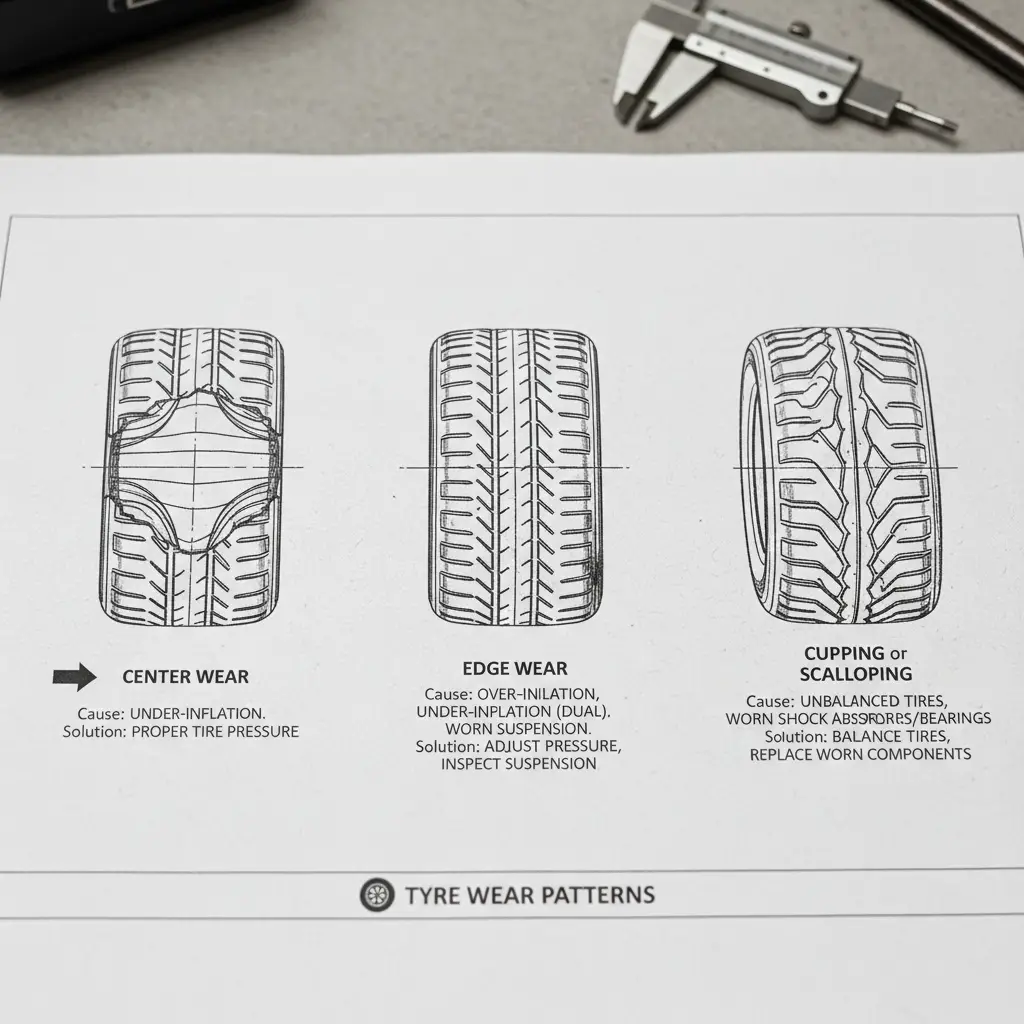
- Under-inflation: This is the most common issue. It causes excessive flexing of the tyre sidewalls, leading to heat buildup. Over time, this heat can degrade the internal components of the tyre, leading to a sudden blowout. Additionally, under-inflation causes the outer edges of the tread to wear out faster than the center.
- Over-inflation: Putting too much air in the tyre causes the center of the tread to bulge outward, reducing the contact patch with the road. This leads to a harsh, bumpy ride and reduced traction. It also makes the tyre more susceptible to damage from potholes or debris, as the stiffened structure cannot absorb impacts effectively.
Identifying Key Signs of Tyre Wear
Tyres tell a story. The way a tyre wears down provides a certified mechanic with a wealth of information regarding the vehicle’s suspension, alignment, and the driver’s habits. Recognizing these signs early can prevent costly repairs elsewhere on the vehicle.
Tread Depth Regulations in New Zealand
In New Zealand, the legal minimum tread depth is 1.5mm across three-quarters of the tread width. However, relying on the minimum is dangerous, particularly in wet conditions. Most industry experts and mobile mechanics recommend considering replacement when tread depth reaches 3mm. Below 3mm, the tyre’s ability to disperse water diminishes rapidly, significantly increasing the risk of hydroplaning.
According to the NZ Transport Agency (Waka Kotahi), checking your tread depth regularly is a legal requirement for vehicle roadworthiness. Failure to meet these standards can result in a failed Warrant of Fitness (WoF) and fines.
Uneven Wear Patterns and Alignment Issues
During a mobile tyre inspection in Auckland, a mechanic looks for specific irregularities:
- Feathering: This occurs when tread ribs are worn lower/smoother on one side and sharper on the other. This is a classic sign of incorrect toe setting (alignment).
- Camber Wear: If the inside or outside edge of the tyre is significantly more worn than the rest, the suspension may be misaligned, causing the wheel to lean inward or outward.
- Cupping (Scalloping): Dips or cups appearing around the edge of the tread usually indicate worn suspension parts, such as shock absorbers or struts, causing the tyre to bounce on the road.
Sidewall Damage and Bulges
While tread wear is gradual, sidewall damage can happen instantly. Hitting a curb in the CBD or a deep pothole can pinch the sidewall against the rim. This may create a “bubble” or bulge. A bulge indicates that the internal structural cords have been destroyed, and the tyre is relying solely on the outer rubber to hold the air pressure. This is a critical safety failure; the tyre is a ticking time bomb and must be replaced immediately.
What to Expect During a Mobile Tyre Inspection in Auckland
The rise of the mobile mechanic in Auckland has revolutionized vehicle maintenance. Instead of waiting in a cold workshop waiting room, the service comes to you. But what actually happens during this inspection?
Visual Checks and Physical Measurements
A professional mobile inspection is systematic. The technician will start with a visual sweep of all four tyres (plus the spare). They check for embedded objects like nails, glass, or screws that may be plugging a slow leak. Following this, they use calibrated digital tread depth gauges to measure wear at multiple points across the tyre surface to detect uneven patterns.
The Convenience of Mobile Mechanics
For Aucklanders, time is a premium commodity. A mobile tyre inspection eliminates the need to drive to a garage, arrange a ride to work, or wait for hours. Whether you are parked at your office in Penrose or your driveway in North Shore, the mechanic arrives fully equipped. This is particularly beneficial for fleets or families with multiple vehicles, as several inspections can be conducted in a single visit.
Pressure Checks and Adjustments
The mechanic will check the pressure of all tyres using a high-precision gauge. They will reference the manufacturer’s placard (usually found on the driver’s door jamb) rather than the “Max PSI” listed on the tyre sidewall. They will then inflate or deflate the tyres to the optimal level, often accounting for the temperature of the tyres (hot tyres read higher pressure) to ensure accuracy.

When to Replace Your Tyres
Knowing when to say goodbye to a set of tyres is vital. While tread depth is the most common indicator, it is not the only factor.
Age of the Tyre (The 5-Year Rule)
Rubber degrades over time due to oxidation and UV exposure, regardless of whether the car is driven. This is known as “dry rot.” Most manufacturers recommend inspecting tyres annually once they are five years old and replacing them absolutely after ten years, regardless of remaining tread. You can check the age of your tyre by looking for the DOT code on the sidewall; the last four digits represent the week and year of manufacture (e.g., 3220 means the 32nd week of 2020).
Structural Integrity Failures
If an inspection reveals deep cuts exposing the ply or cord, significant cracking in the tread grooves, or any sidewall bulges, the tyre is structurally compromised. These defects cannot be repaired safely. A mobile mechanic will advise immediate replacement to prevent catastrophic failure on the road.
Auckland-Specific Driving Conditions and Tyre Health
Auckland’s unique geography and climate present specific challenges for tyres. Understanding these local factors explains why regular inspections are necessary.
Wet Weather Performance
Auckland is known for its frequent and sudden rain showers. When roads are wet, the tyre’s tread grooves act as channels to evacuate water from beneath the contact patch. As tread depth decreases, the volume of water the tyre can displace drops drastically. At highway speeds, worn tyres on wet Auckland motorways can lead to hydroplaning, where the tyre rides on top of the water rather than the road, resulting in a total loss of steering control.
Urban vs. Motorway Driving in Auckland
Stop-start traffic in the city center accelerates wear on the tyre shoulders due to frequent turning and braking. Conversely, long commutes on the coarse chip-seal surfaces common on New Zealand highways can cause abrasive wear. A mobile tyre inspection Auckland expert will be able to tell if your driving environment is causing accelerated degradation and may recommend specific tyre types (e.g., touring vs. performance) better suited to your daily route.
DIY Checks vs. Professional Mobile Assessment
While every driver should perform basic checks, they do not replace the trained eye of a professional.
How to Check Your Own Pressure
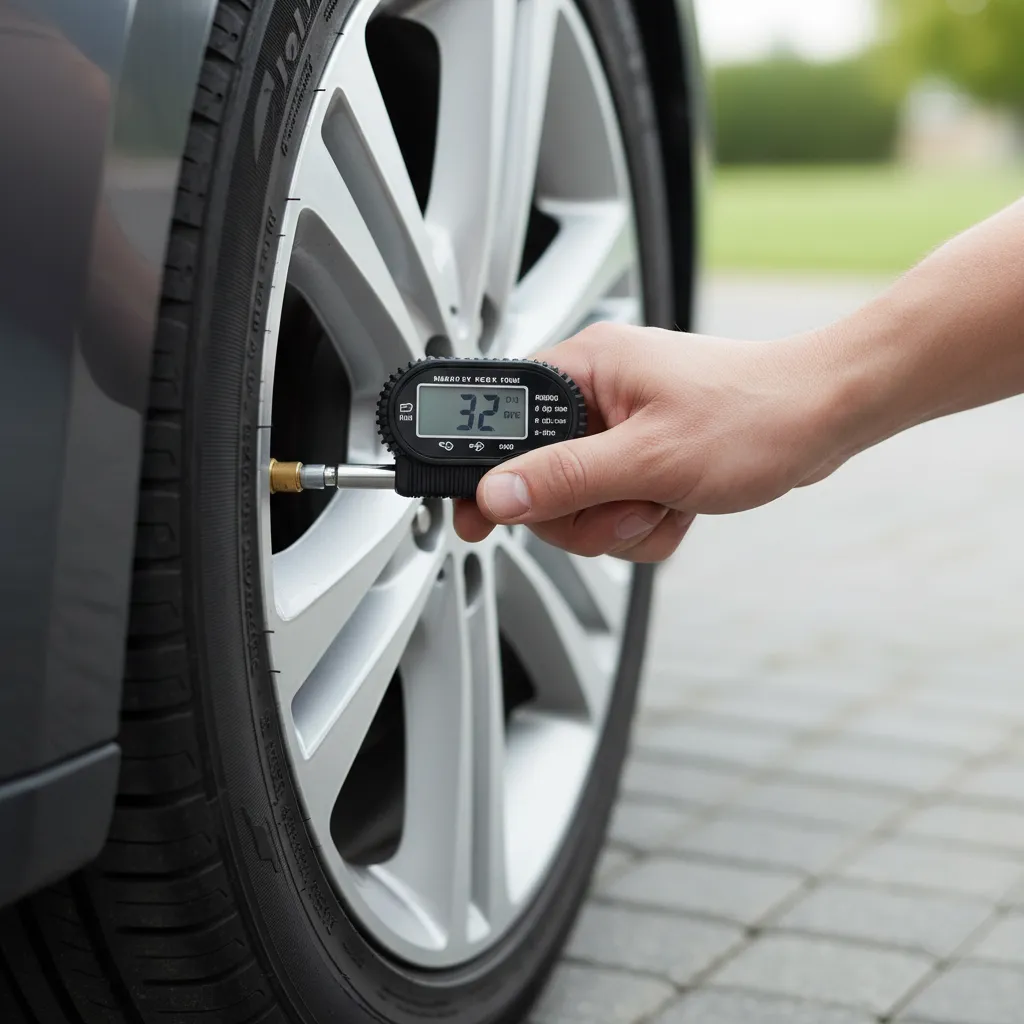
Drivers should check their pressure once a month and before long trips. You can buy a simple stick or digital gauge at any automotive store. Always check pressures when the tyres are “cold” (driven less than 2km) for the most accurate reading. Unscrew the valve cap, press the gauge onto the valve stem, and compare the reading to your vehicle’s manual.
Why Professional Eyes Are Needed
A DIY check usually misses the subtle signs of internal damage or alignment issues. A professional mobile mechanic understands suspension geometry and rubber compounds. They can differentiate between normal wear and signs of a dangerous mechanical fault. Furthermore, they can spot issues on the inner sidewall of the tyre, an area often invisible to a casual observer standing beside the car.
Conclusion
Your tyres are the foundation of your vehicle’s safety. In a city as dynamic as Auckland, ensuring they are in peak condition is a responsibility that cannot be ignored. While checking your own pressure is a good habit, it is not a substitute for a comprehensive mobile tyre inspection Auckland service. By utilizing mobile mechanics, you gain the peace of mind that comes with expert assessment without the inconvenience of visiting a workshop. Prioritize your safety, improve your fuel economy, and extend the life of your vehicle by scheduling a professional tyre assessment today.
People Also Ask
How much does a mobile tyre inspection cost in Auckland?
The cost of a mobile tyre inspection in Auckland typically ranges from $80 to $150 NZD, depending on the provider and your location. Some mobile mechanics may waive the inspection fee if you proceed with purchasing new tyres or booking repairs with them during the same visit.
Can a mobile mechanic change a tyre on the side of the road?
Yes, mobile mechanics are fully equipped to change tyres on the roadside. They carry jacks, impact wrenches, and balancing equipment in their vans, allowing them to replace a flat or damaged tyre safely at your breakdown location or home.
How often should I get my tyres inspected?
It is recommended to have a professional tyre inspection every 6 months or every 10,000 kilometers. However, you should check your own tyre pressure monthly and look for visible damage. If you hit a severe pothole or curb, schedule an inspection immediately.
Is it safe to repair a punctured tyre?
Puncture repairs are safe only if the damage is located in the central tread area and is less than 6mm in diameter. Punctures on the sidewall or shoulder of the tyre cannot be safely repaired and require the tyre to be replaced. A professional assessment is required to make this determination.
What is the minimum legal tread depth in New Zealand?
The minimum legal tread depth in New Zealand is 1.5mm across three-quarters of the tread width and around the entire circumference of the tyre. However, for safety reasons, especially in wet Auckland weather, it is highly recommended to replace tyres when they reach 3mm.
Do mobile tyre services include wheel balancing?
Yes, reputable mobile tyre services in Auckland include electronic wheel balancing as part of the fitting process. Their vans are equipped with compact balancing machines to ensure your new or repaired tyres spin without vibration, preventing premature wear and ensuring a smooth ride.