
A vehicle inspection for WOF (Warrant of Fitness) in Auckland, particularly through a mobile service, involves a comprehensive pre-assessment of your vehicle’s safety features and structural integrity. This service helps identify potential issues before an official WOF inspection, significantly increasing your chances of passing and avoiding costly re-inspection fees and delays.
Understanding WOF Requirements in NZ
In New Zealand, a Warrant of Fitness (WOF) is a periodic safety inspection required for light vehicles to ensure they meet the national safety standards. It’s a legal requirement designed to keep all vehicles on the road safe for drivers, passengers, and other road users. Failing to have a current WOF can result in fines and, more importantly, can mean you’re driving a potentially unsafe vehicle.
What is a WOF and Why is it Important?
The WOF is essentially a regular check of your vehicle to ensure it complies with safety standards at the time of inspection. It is not a guarantee that your vehicle will remain safe until the next WOF, but it significantly reduces the risk of mechanical failure due to wear and tear or neglect. Key components are checked, including brakes, tyres, lights, steering, suspension, and structural integrity. The importance of a WOF cannot be overstated; it’s a critical component of road safety regulations, protecting lives and preventing accidents.
Key Areas Checked During an Official WOF
An official WOF inspection covers a wide range of vehicle components. Understanding these areas is crucial for proactive maintenance. They include:
- Tyres: Checking for adequate tread depth, correct pressure, and absence of damage or perishing.
- Brakes: Assessing the condition of brake pads, discs, calipers, lines, and overall braking efficiency.
- Lights: Ensuring all lights (headlights, tail lights, brake lights, indicators) are operational, correctly aligned, and free from cracks.
- Steering and Suspension: Checking for wear in ball joints, bushes, shock absorbers, and steering linkages.
- Windscreen and Wipers: Inspecting the windscreen for chips or cracks that impede vision, and ensuring wipers effectively clear the screen.
- Seatbelts: Verifying all seatbelts are in good condition, function correctly, and are securely anchored.
- Doors and Latches: Ensuring doors open and close properly and latches are secure.
- Exhaust System: Checking for leaks, corrosion, and secure mounting.
- Structural Integrity: Inspecting for significant rust or damage to the vehicle’s chassis or body structure, particularly in safety-critical areas.
- Fluid Levels: While not a primary failure point, fluid levels for brakes and power steering are often noted.
Frequency of Inspection
The frequency of WOF inspections depends on the age of your vehicle:
- New Vehicles: For vehicles registered on or after 1 January 2000, a WOF is required annually.
- Older Vehicles: For vehicles registered before 1 January 2000, a WOF is required every six months.
Adhering to these schedules is not just a legal obligation but a commitment to maintaining vehicle safety.
What Our Mobile WOF Pre-Check Covers
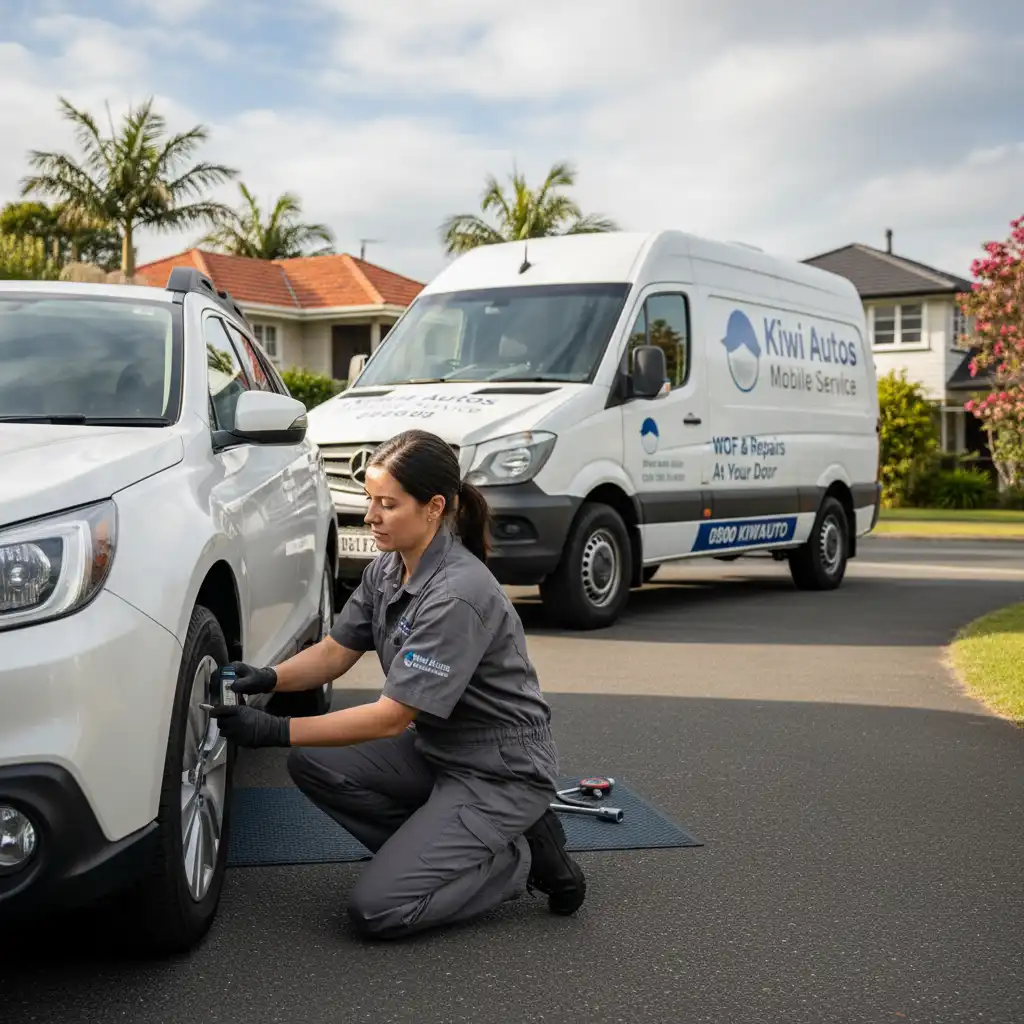
Our mobile WOF pre-check service in Auckland is designed to bring the inspection to you, offering unparalleled convenience and peace of mind. Instead of driving to a workshop and waiting, our certified technicians come to your home or workplace at a time that suits you. This service is a thorough, preventative measure, distinct from the official WOF inspection, yet crucial for achieving a first-time pass.
The Convenience of Mobile Service in Auckland
Auckland is a bustling city, and time is a precious commodity. Our mobile service eliminates the hassle of scheduling appointments, commuting to a garage, and waiting rooms. We perform a detailed pre-inspection wherever your vehicle is located, be it your driveway, office car park, or any other accessible location within Auckland. This saves you valuable time and reduces disruption to your daily routine.
Detailed Inspection Points of Our Mobile Pre-Check
Our mobile WOF pre-check covers the vast majority of items an official WOF inspection will scrutinise, but with the added benefit of being able to provide immediate feedback and advice. Our technicians meticulously examine:
- Exterior Lights: Headlights (high/low beam), tail lights, brake lights, indicators, hazard lights, fog lights (if applicable), and number plate lights are all checked for functionality and correct colour.
- Fluid Levels: Brake fluid, power steering fluid, engine oil, and coolant levels are checked and noted, with recommendations for top-ups if needed.
- Belts and Hoses: Visual inspection for cracks, fraying, or leaks in drive belts and engine hoses.
- Battery Condition: Terminal integrity, mounting, and general health of the battery are assessed.
- Exhaust System: Checked for excessive noise, leaks, corrosion, and secure mounting.
- Tyres: Tread depth is measured (to ensure above 1.5mm minimum), sidewalls are inspected for bulges or damage, and tyre pressure is checked and adjusted if necessary.
- Wipers and Washer Jets: Functionality of wipers, condition of blades, and effectiveness of washer jets are tested.
- General Body Condition: Inspection for significant rust or structural damage that could lead to an official WOF failure.
Difference Between Pre-Check and Official WOF
It’s important to understand that a mobile WOF pre-check is not an official WOF. We do not issue WOF certificates. Our service is a diagnostic and advisory one, designed to mirror the official inspection to identify potential failure points. An official WOF must be conducted by an NZ Transport Agency (NZTA) approved inspection organisation. Our goal is to equip you with the knowledge and actionable insights to confidently take your vehicle to an approved WOF centre knowing it stands a much higher chance of passing the first time.
Benefits of a Mobile WOF Pre-Check in Auckland
Opting for a mobile WOF pre-check offers numerous advantages, especially for busy Aucklanders who value convenience and efficiency. This proactive approach can save you time, money, and unnecessary stress associated with official WOF inspections.
Time-Saving and Unparalleled Convenience
The most immediate benefit is the time saved. Instead of taking time off work or sacrificing your weekend, our mobile service comes to you. You can continue with your day while our experienced technician performs the pre-inspection at your preferred location. This level of convenience is invaluable in a bustling city like Auckland.
Expert Advice at Your Location
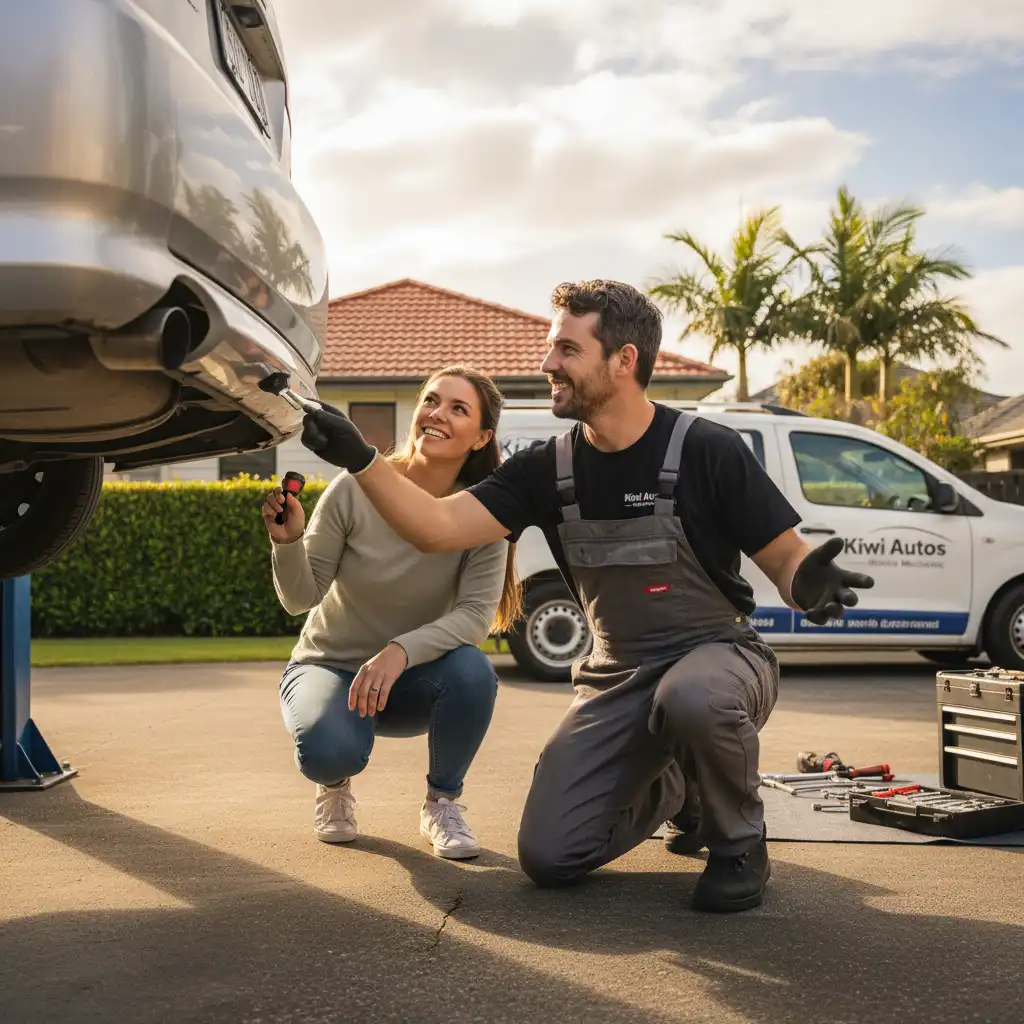
Our technicians are highly skilled and knowledgeable about WOF requirements. During the pre-check, they provide on-the-spot, clear explanations of any identified issues. You receive expert advice directly from the professional inspecting your vehicle, allowing you to ask questions and understand the necessary rectifications without needing to interpret a generic report from a workshop.
Avoiding Re-inspection Fees and Delays
If your vehicle fails an official WOF, you’re typically given a certain period (e.g., 28 days) to fix the issues and get a free re-inspection. However, if you miss this window or the repairs are extensive, you might incur additional fees for a second full inspection. A pre-check helps you identify and fix these issues beforehand, dramatically increasing your chances of passing the first time and avoiding these extra costs and inconvenient delays. For more information on WOF requirements and re-inspections, you can refer to the official NZTA website.
Stress Reduction and Peace of Mind
Driving a vehicle that might not pass its WOF can be a source of anxiety. A pre-check offers peace of mind by confirming your vehicle’s condition or highlighting areas that need attention. Knowing what to expect and having addressed potential problems before the official inspection significantly reduces stress levels.
Identifying Issues Before Your Official Inspection
Proactive identification of vehicle issues is a cornerstone of responsible vehicle ownership and crucial for passing your WOF. While a professional mobile pre-check offers the most comprehensive assessment, there are several common red flags drivers can look for themselves.
Common Red Flags Drivers Can Look For
Many potential WOF failure points can be spotted with a quick visual or auditory check:
- Unusual Noises: Squealing brakes, clunking over bumps (suspension), or a loud exhaust could indicate significant problems.
- Dashboard Warning Lights: Any illuminated warning light (e.g., check engine, ABS, airbag) warrants immediate investigation.
- Fluid Leaks: Puddles under your car, or visible drips, can indicate issues with oil, coolant, brake fluid, or power steering fluid.
- Tyre Condition: Visually inspect tyres for low tread (use the 20c coin test), cracks in the sidewall, or uneven wear patterns.
- Light Malfunctions: Ask a friend to help you check all exterior lights are working, including brake lights and indicators.
- Wiper Effectiveness: If your wipers streak or don’t clear the windscreen efficiently, the blades likely need replacing.
- Cracks/Chips in Windscreen: Pay attention to any damage that might be in the critical vision area.
Importance of Early Detection for Cost Savings and Safety
Addressing minor issues early can prevent them from escalating into major, more expensive repairs. For example, replacing worn brake pads promptly is far cheaper than having to replace pads and damaged discs. Furthermore, ensuring your vehicle is in top condition is paramount for safety, reducing the risk of accidents caused by mechanical failure.
DIY Checks vs. Professional Pre-Check
While DIY checks can help you catch obvious problems, they are not a substitute for a professional pre-check. A qualified technician has the tools, experience, and knowledge to identify subtle issues that might be missed by an untrained eye. A professional mobile pre-check provides a much more thorough assessment, giving you a detailed report and actionable recommendations.
Common WOF Failures and How to Avoid Them
Understanding the most frequent reasons vehicles fail their WOF can help you be proactive and significantly reduce your chances of being issued a failed inspection certificate. Many common failures are easily preventable with regular checks and timely maintenance.
Tyres: Tread Depth, Damage, and Pressure
- Failure Reason: Insufficient tread depth (below 1.5mm), sidewall damage (cuts, bulges), exposed cords, or incorrect tyre pressure.
- How to Avoid: Regularly check tread depth with a 20c coin (if the gold band is visible, your tread is too low). Inspect sidewalls for damage. Maintain correct tyre pressure as specified in your vehicle’s manual. Rotate and balance tyres regularly to ensure even wear.
Lights: Bulbs, Alignment, and Cracks
- Failure Reason: Blown bulbs, incorrect headlight alignment, cracked or missing lens covers, or incorrect colour lights.
- How to Avoid: Periodically check all lights (headlights, high beams, indicators, brake lights, reverse lights, number plate lights). Ensure lens covers are intact. If you suspect alignment issues, have them checked by a professional.
Brakes: Pads, Discs, Fluid, and Hoses
- Failure Reason: Worn brake pads or discs, leaking brake fluid, corroded brake lines, or insufficient braking efficiency.
- How to Avoid: Listen for squealing or grinding noises when braking. Have your brake fluid checked and flushed as per manufacturer recommendations. Get brakes inspected by a professional regularly, especially if you notice any changes in braking performance.
Windscreen: Chips, Cracks, and Wipers
- Failure Reason: Chips or cracks larger than 10mm in the critical vision area (the area swept by the wipers), wipers not clearing the screen effectively, or damaged wiper blades.
- How to Avoid: Repair small chips immediately before they spread. Replace wiper blades annually or if they show signs of streaking or chattering.
Suspension and Steering Components
- Failure Reason: Worn ball joints, bushes, shock absorbers, tie rod ends, or steering rack issues.
- How to Avoid: Pay attention to unusual noises (clunking, knocking) when going over bumps. Notice if your vehicle pulls to one side or if the steering feels loose. Get these components professionally checked during routine servicing.
Exhaust System
- Failure Reason: Exhaust leaks, excessive noise, or an insecurely mounted system.
- How to Avoid: Listen for unusual loud noises from under the vehicle. Visually inspect for rust or holes. Ensure it’s securely attached.
Rust and Structural Integrity
- Failure Reason: Significant rust or corrosion in safety-critical areas of the vehicle’s body or chassis, which compromises structural integrity.
- How to Avoid: Regularly wash your vehicle, especially if you live near the coast. Address any minor rust spots promptly before they spread. Ensure any bodywork repairs are done to a high standard.
Ensuring Your Vehicle Passes WOF First Time
The ultimate goal of a mobile WOF pre-check is to ensure your vehicle sails through its official Warrant of Fitness inspection without a hitch. Achieving a first-time pass saves you not only money but also precious time and unnecessary stress.
The Indisputable Benefits of a Pre-Check
A comprehensive pre-check, especially from a mobile service, is your best ally in securing a first-time WOF pass. It provides an independent, expert assessment of your vehicle’s condition against WOF standards. This allows you to identify and rectify any potential issues at your convenience, before the official inspection. Without a pre-check, you run the risk of unforeseen failures, leading to re-inspection fees and the inconvenience of having to return your vehicle for another check after repairs.
Addressing Minor Issues Proactively
Many WOF failures stem from minor, easily fixable issues like a blown bulb, a worn wiper blade, or low tyre pressure. Our mobile pre-check identifies these small problems before they become critical. By tackling them proactively, you prevent them from becoming reasons for a failed WOF. This might involve simple DIY fixes or minor repairs that can be quickly arranged based on the pre-check report.
Preparing for the Official Inspection
After a mobile pre-check, you’ll receive a detailed report outlining any identified issues and recommendations for repair. This allows you to either perform simple fixes yourself or schedule necessary repairs with a trusted mechanic. Once these issues are addressed, you can confidently take your vehicle to an approved WOF inspection centre. Our pre-check acts as a strategic roadmap, guiding you to a guaranteed first-time pass, ensuring your vehicle is not only compliant but also genuinely safe on Auckland’s roads.
Choosing the Right WOF Inspection Service in Auckland
When it comes to vehicle safety and compliance, selecting the right WOF inspection service is paramount. While our mobile service provides the pre-check, for the official WOF, you need an accredited provider. Here’s what to look for.
Accredited Inspectors and Facilities
Ensure that any service you choose for your official WOF is an NZTA-approved inspection organisation. This guarantees that their inspectors are certified and follow the strict guidelines set by the transport agency. Accreditation confirms their competence and adherence to national safety standards. You can often find a list of approved WOF inspection sites on the official NZTA website or through their approved service providers.
Reputation and Customer Reviews
A good reputation is built on trust and consistent service. Before committing to an official WOF provider, check online reviews and testimonials. Look for feedback regarding their thoroughness, transparency, customer service, and efficiency. A service with a strong positive reputation in Auckland is often a reliable choice. For general car maintenance advice and choosing mechanics, reputable sources like the Consumer NZ website can offer guidance.
Transparency in Reporting and Recommendations
A trustworthy WOF provider will offer clear and transparent reporting. They should be able to explain any failed items in an understandable manner and provide clear recommendations for repairs without pressuring you into unnecessary services. A good inspector will empower you with information, allowing you to make informed decisions about your vehicle’s maintenance. Our mobile pre-check aims to give you exactly this level of transparency even before you get to the official inspection.
By choosing a reputable and accredited service for your official WOF, and coupling that with the preventative measures of a mobile pre-check, you ensure your vehicle remains safe, compliant, and ready for the roads of Auckland.
People Also Ask
How often do I need a WOF in Auckland?
For vehicles registered on or after 1 January 2000, a WOF is required annually. For vehicles registered before 1 January 2000, a WOF is required every six months. This frequency ensures your vehicle maintains safety standards.
What happens if my car fails its WOF in Auckland?
If your car fails its WOF, you will receive a list of defects. You typically have 28 days to repair these issues and get a free re-inspection at the same inspection centre. If you exceed this period, or if the repairs are extensive, you may need a new full inspection, incurring additional costs.
Can I get a WOF inspection at my home or workplace in Auckland?
While you cannot get an official WOF issued at your home or workplace, you can get a comprehensive mobile WOF pre-check service. This service identifies potential failure points before your official inspection at an approved WOF centre, saving you time and hassle.
What are the most common reasons for WOF failure?
Common WOF failure reasons include worn tyres (insufficient tread, damage), faulty lights (blown bulbs, cracked lenses), worn brakes (pads, discs, fluid), chips or cracks in the windscreen, and issues with steering or suspension components.
How long does a mobile WOF pre-check take?
A comprehensive mobile WOF pre-check typically takes between 45 minutes to 1 hour, depending on the vehicle type and its condition. This allows the technician to thoroughly inspect all critical safety components.
Is a mobile WOF pre-check a legal requirement?
No, a mobile WOF pre-check is not a legal requirement. It is an optional, preventative service designed to help you identify and rectify issues before your official Warrant of Fitness inspection, increasing your chances of passing first time and avoiding re-inspection fees.