
The alternator is a crucial component of your vehicle’s charging system, responsible for generating electricity to power electrical components and recharge the battery while the engine is running. When this vital part begins to fail, it can lead to a cascade of electrical problems, leaving you stranded. For car owners in Auckland, understanding the nuances of alternator repair versus replacement, along with associated costs, is essential for making informed decisions about vehicle maintenance. This comprehensive guide will delve into the tell-tale signs of a failing alternator, help you decide between repair and replacement, highlight the convenience of mobile mechanic services in Auckland, and offer tips for maintaining your car’s charging system.
Alternator repair in Auckland typically involves diagnosing and addressing specific issues within the charging system that prevent the alternator from functioning correctly, rather than replacing the entire unit. This service is crucial for maintaining your vehicle’s electrical health, ensuring components like lights, radio, and air conditioning operate, and keeping your battery charged, ultimately preventing inconvenient breakdowns.
Symptoms of a Failing Alternator
Recognizing the early warning signs of an alternator problem can save you from significant inconvenience and potentially more expensive repairs. While some symptoms might seem minor, they often indicate a deeper issue within the vehicle’s electrical charging system. Ignoring these signs can lead to a dead battery and a car that won’t start.
Dimming or Flickering Lights
One of the most common indicators of an alternator issue is inconsistencies in your vehicle’s lighting. If you notice your headlights dimming, especially at lower engine RPMs, or flickering interior lights, it suggests that the alternator isn’t consistently supplying enough power. This happens because the electrical system is trying to draw power directly from the battery, which isn’t designed for sustained, high-power output without constant recharging from the alternator. As the battery depletes, the lights grow weaker.
Battery Warning Light on Dashboard
Perhaps the most direct warning, your dashboard’s battery light (often shaped like a battery icon) is specifically designed to alert you to problems within the charging system. While it’s commonly perceived as a “battery light,” it often signifies that the voltage output from the alternator is either too low or too high, indicating a charging fault. If this light illuminates while driving, it means the alternator is no longer effectively charging the battery, and you’re running solely on battery power. This is a critical signal that demands immediate attention.
Strange Noises from Under the Hood
An alternator that is failing can sometimes produce unusual sounds. A whining or grinding noise often points to worn-out bearings within the alternator. If the serpentine belt (which drives the alternator) is loose or misaligned, it might squeal, especially upon starting the engine or when accelerating. These mechanical noises are a clear indication that internal components are struggling or that the belt isn’t operating correctly, both of which can lead to a complete alternator failure.
Stalling or Difficulty Starting
Because the alternator recharges the battery, a failing unit will eventually lead to a depleted battery. If your car struggles to start, cranks slowly, or eventually won’t start at all, it’s often a symptom of a battery that hasn’t been properly charged. Similarly, if your car stalls frequently while driving, it could be due to the engine not receiving enough consistent electrical power from the alternator to maintain operation. This is particularly noticeable in modern cars with extensive electronic systems that demand a constant power supply.
Electrical Component Failures
Beyond lights, other electrical accessories can malfunction or cease to work when an alternator is faulty. This could include issues with your power windows operating slowly, the radio cutting out, the air conditioning struggling, or even dashboard gauges behaving erratically. These are all signs that the electrical system isn’t receiving the stable voltage it requires, impacting the performance and reliability of various components throughout the vehicle.
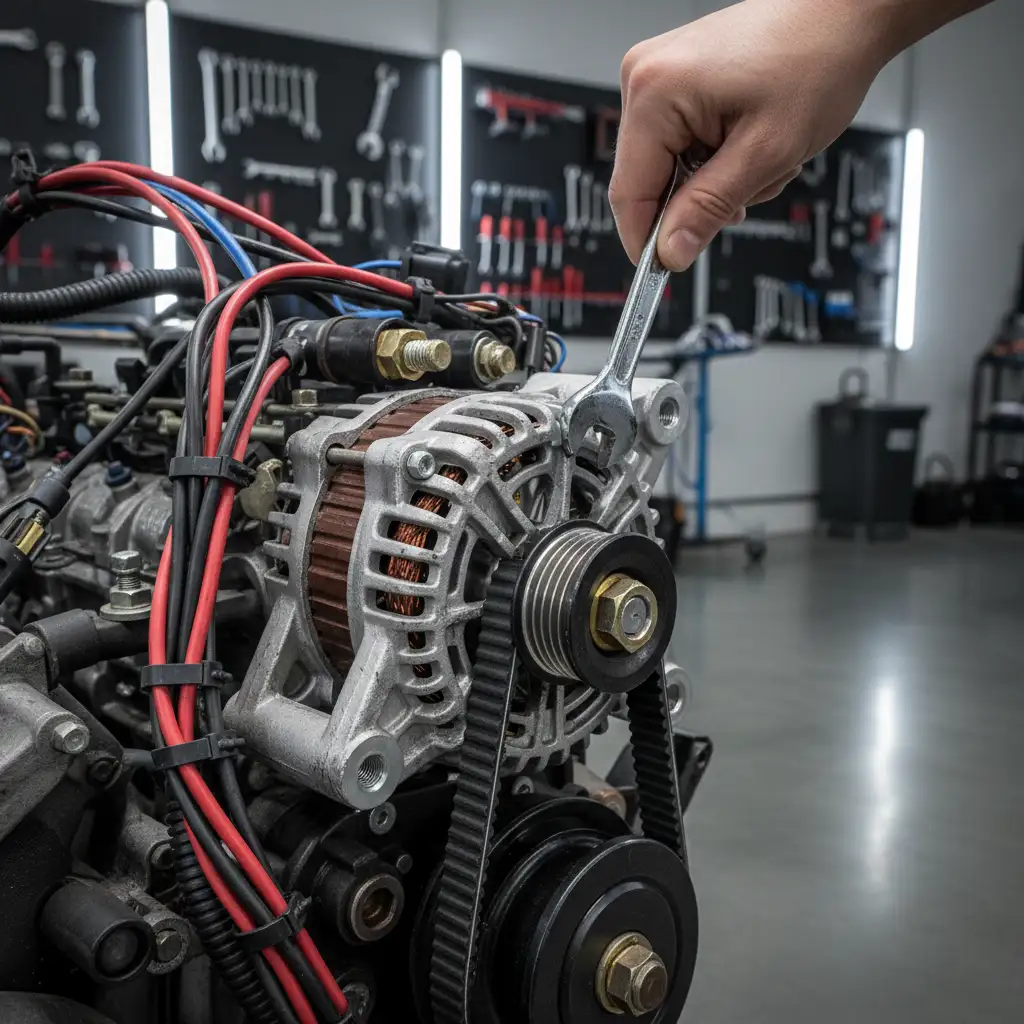
Alternator Repair vs. Replacement: Making the Right Choice in Auckland
When faced with an alternator issue, one of the most pressing questions for car owners in Auckland is whether to opt for a repair or a complete replacement. This decision hinges on several factors, including the specific nature of the fault, the overall condition and age of your vehicle, and, of course, the associated costs. A reputable Auckland mobile mechanic can provide expert diagnostics to guide you through this choice.
Understanding the Core Issue
The first step is a thorough diagnosis. Not all charging system problems originate within the alternator itself. Sometimes, the issue might be a loose or corroded battery cable, a faulty serpentine belt, or even a problem with the battery itself. If the problem is something simple like a loose connection, a worn belt that can be tightened or replaced, or a rectifier diode that can be individually serviced (though less common in modern alternators), a repair might be viable and more cost-effective. However, if internal components like the stator, rotor, or voltage regulator are extensively damaged, or if the alternator bearings are completely seized, replacement is almost always the more practical and reliable solution.
Cost Considerations in Auckland
The cost difference between repair and replacement can be substantial. For minor repairs, such as replacing a worn belt or tightening connections, the cost will primarily be labor, often ranging from NZD $80 to $200. However, actual internal alternator repairs are rarely performed on modern vehicles outside of specialized rebuilders due to the complexity and availability of parts. Instead, a full replacement unit is typically installed. In Auckland, the cost for a new or reconditioned alternator can vary widely depending on your vehicle’s make and model, ranging from approximately NZD $300 to $800 for the part alone. Labor costs for a replacement can add another NZD $150 to $400, depending on accessibility and the mechanic’s hourly rate. Therefore, a complete alternator replacement in Auckland, including parts and labor, generally falls in the range of NZD $450 to $1200 or more. Always get a detailed quote from your mobile mechanic.
Vehicle Age and Value
The age and current market value of your vehicle are significant factors. For an older car with high mileage, investing in a costly alternator replacement might not be the most economical decision if the vehicle is nearing the end of its life or requires other significant repairs. In such cases, a less expensive repair, if feasible, or even considering selling the car “as is” might be better. Conversely, for a newer, well-maintained vehicle, investing in a quality replacement ensures its continued reliability and protects your investment.
Time and Convenience
Modern alternators are often designed as sealed units, making internal repairs complex and time-consuming. A replacement, especially when performed by an efficient mobile mechanic in Auckland, can often be a quicker process, getting you back on the road sooner. While a repair might seem appealing from a cost perspective initially, the potential for prolonged downtime or the risk of further issues if the repair isn’t comprehensive can outweigh the initial savings.
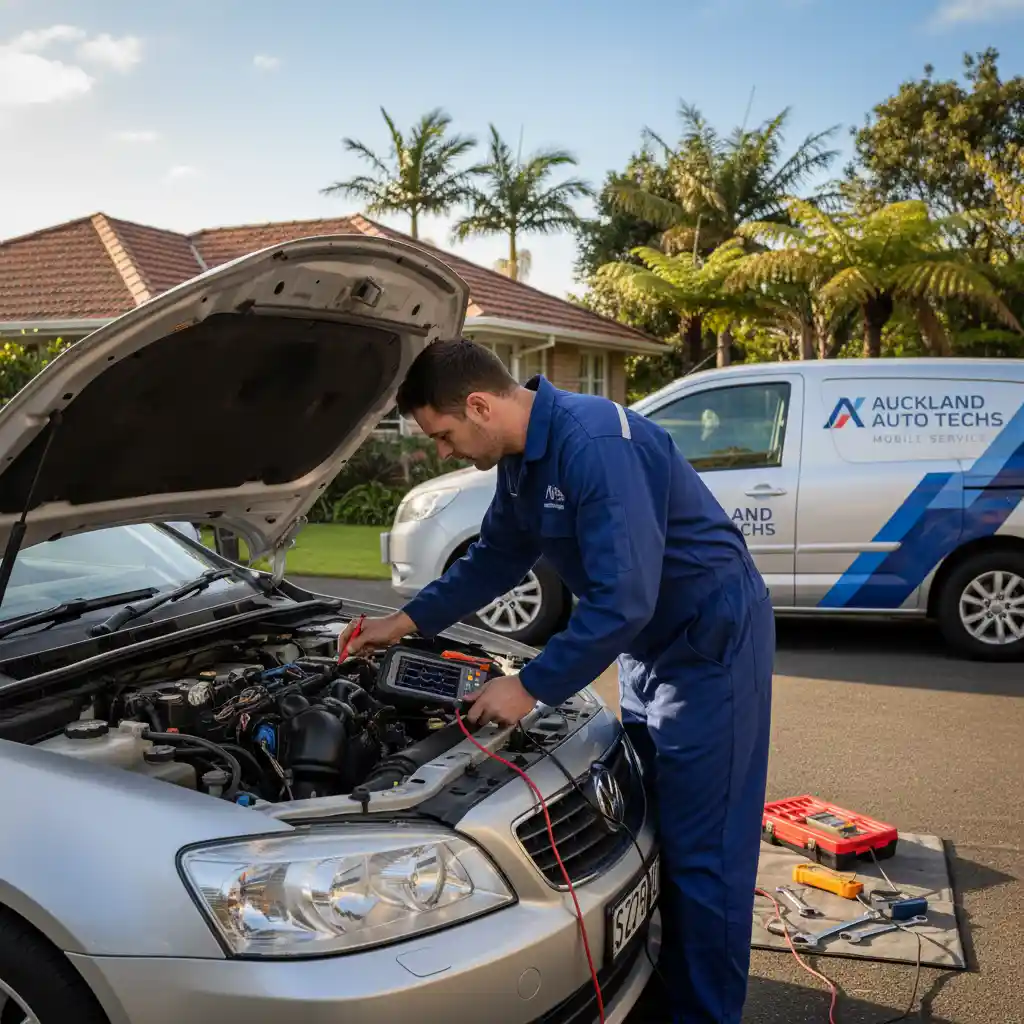
On-Site Alternator Diagnostics and Mobile Mechanic Service in Auckland
Dealing with a car breakdown, especially due to an electrical issue like a failing alternator, is incredibly inconvenient. This is where the service of an Auckland mobile mechanic truly shines, offering unparalleled convenience and efficiency for diagnosing and rectifying charging system problems right at your location.
The Convenience of Mobile Mechanics
Imagine your car won’t start in your driveway or breaks down at work. Instead of arranging a tow truck, incurring additional costs and hassle, a mobile mechanic comes directly to you. This “workshop on wheels” concept is particularly valuable for alternator issues, as a non-charging battery often renders a vehicle immobile. Mobile mechanics in Auckland eliminate the need for towing, save you travel time to and from a garage, and allow you to continue with your day while your vehicle is being serviced. This focus on customer convenience makes mobile mechanic services an increasingly popular choice for urgent and routine car repairs.
Diagnostic Process for Alternators
Upon arrival, a professional mobile mechanic will typically perform a series of tests to accurately pinpoint the source of your charging system problem. This includes:
- Battery Test: Checking the battery’s voltage and cold-cranking amps to ensure it’s healthy and holding a charge. A weak battery can mimic alternator issues.
- Charging System Test: Using a multimeter to measure the voltage output of the alternator while the engine is running. This determines if the alternator is producing the correct voltage (typically between 13.5 and 14.8 volts) to charge the battery and power the electrical system.
- Load Test: Activating various electrical components (headlights, AC, radio) to see if the alternator can maintain adequate voltage under load.
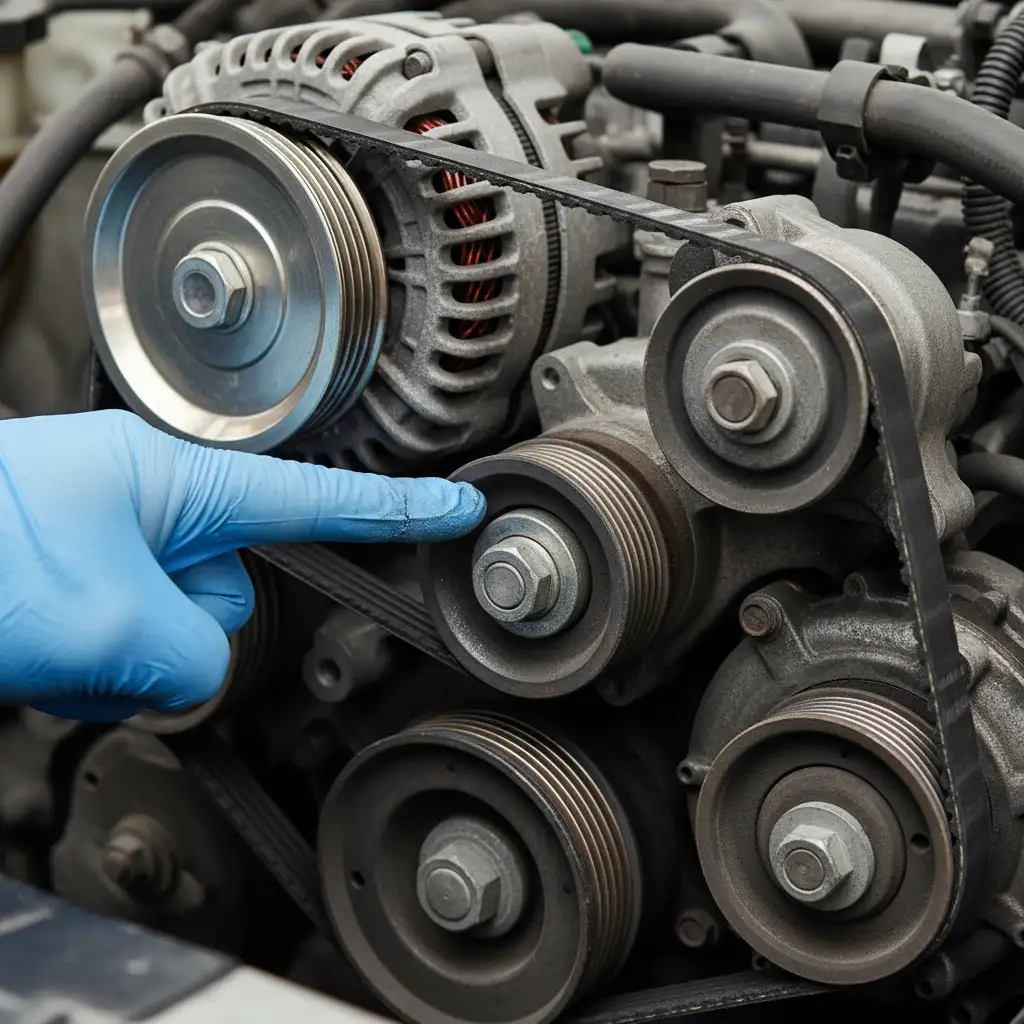
- Belt Inspection: Examining the serpentine belt for signs of wear, cracks, fraying, or incorrect tension, as this belt drives the alternator.
- Wiring and Connection Checks: Inspecting all wiring and connections to the alternator and battery for corrosion, looseness, or damage.
These comprehensive diagnostics ensure that the problem isn’t misdiagnosed, saving you unnecessary expenses.
Alternator Repair Services On-Site
While full internal alternator repairs are less common, mobile mechanics are adept at addressing external issues. This includes:
- Belt Replacement/Adjustment: A worn or loose serpentine belt can be quickly replaced or tightened on-site, restoring the alternator’s function.
- Wiring and Terminal Cleaning/Repair: Corroded or loose connections can be cleaned and secured, resolving power flow issues.
- Fuse Replacement: Occasionally, a blown fuse in the charging circuit can prevent the alternator from working, which is a simple fix.
For more complex internal failures, the mobile mechanic will recommend and perform an alternator replacement.
Alternator Replacement Services On-Site
When replacement is necessary, an Auckland mobile mechanic can efficiently source and install a new or reconditioned alternator. They come equipped with the necessary tools and expertise to perform the replacement at your home or workplace. This process typically involves:
- Disconnecting the battery to ensure safety.
- Removing the serpentine belt.
- Disconnecting the electrical connections and mounting bolts.
- Removing the old alternator.
- Installing the new alternator, ensuring proper fitment and connections.
- Reattaching the serpentine belt and verifying its tension.
- Reconnecting the battery and performing a final charging system test to confirm successful operation.
The efficiency of this on-site service minimizes your vehicle’s downtime and maximizes your convenience.
Proactive Maintenance: Ensuring Your Car’s Charging System Longevity
Preventative maintenance is key to avoiding sudden alternator failures and extending the life of your entire charging system. By taking a few simple steps, you can significantly reduce the likelihood of needing emergency alternator repair or replacement in Auckland.
Regular Battery Checks
Your battery and alternator work in tandem. A weak or failing battery puts extra strain on the alternator, forcing it to work harder to maintain the necessary voltage. Regularly check your battery’s terminals for corrosion and ensure they are clean and tight. Consider having your battery tested periodically, especially before the colder months, to ensure it’s holding a charge efficiently. A healthy battery reduces the workload on your alternator.
For more information on battery maintenance and its impact on your vehicle’s electrical system, resources like Wikipedia’s article on Car Batteries provide comprehensive details on their function and care.
Belt Inspection and Tension
The serpentine belt, which drives the alternator, is a wear item. Inspect it regularly for cracks, fraying, glazing, or missing ribs. Also, check its tension; a loose belt can slip, preventing the alternator from spinning at the correct speed and thus undercharging the battery. A belt that is too tight can put excessive strain on the alternator bearings, leading to premature failure. If you’re unsure, have a professional mobile mechanic inspect and adjust or replace the belt as part of your routine service.
Avoiding Electrical Overloads
Be mindful of the electrical load you place on your vehicle, especially when the engine is off or idling for extended periods. Running numerous high-power accessories (like powerful audio systems, multiple phone chargers, or aftermarket lights) can tax the alternator unnecessarily. While modern alternators are robust, continuous high demand can shorten their lifespan. Always ensure any aftermarket electrical installations are professionally done and don’t exceed your vehicle’s charging system capacity. For general vehicle care and maintenance tips, consider consulting resources from trusted automotive associations, such as AA New Zealand Car Maintenance.
Professional Inspections
Including a charging system check as part of your routine vehicle servicing is highly recommended. Many Auckland mobile mechanics offer this as a standard part of their comprehensive service. During these inspections, they can identify potential issues early on, such as slight voltage drops or minor belt wear, before they escalate into significant problems requiring costly repairs or replacements. Early detection is often the most cost-effective approach to vehicle maintenance.
Understanding your car’s alternator and its role in the charging system is fundamental for any Auckland car owner. From recognizing the early warning signs of failure to making an informed decision between repair and replacement, proactive knowledge can save you time, money, and stress. The convenience and expertise offered by Auckland mobile mechanics provide an invaluable service, ensuring your vehicle’s electrical heart remains in optimal condition. By prioritizing regular maintenance and addressing issues promptly, you can ensure your car remains reliable on the roads of Auckland.
People Also Ask About Alternator Services in Auckland
What are the average costs for alternator replacement in Auckland?
The average cost for an alternator replacement in Auckland, including parts and labor, typically ranges from NZD $450 to $1200 or more. This wide range depends on your vehicle’s make, model, the specific type of alternator required, and the labor rates of the mechanic. A mobile mechanic can provide a precise quote after diagnosis.
How long does it take for a mobile mechanic to replace an alternator in Auckland?
The time it takes for a mobile mechanic to replace an alternator varies depending on the vehicle’s make and model, as accessibility to the alternator differs. Generally, the process can take anywhere from 1 to 3 hours. More complex installations might take longer. Mobile mechanics are often efficient, aiming to complete the job swiftly at your chosen location.
Can I drive my car with a failing alternator to a mechanic?
It is generally not recommended to drive your car with a failing alternator for any significant distance. Once the alternator stops charging, your car relies solely on battery power. Depending on the battery’s charge and your vehicle’s electrical demands, you might only have 15-30 minutes of driving time before the battery completely drains, leading to a breakdown. It’s best to call a mobile mechanic or arrange for a tow.
What’s the difference between a new and a reconditioned alternator?
A new alternator is a brand-new unit manufactured from scratch. A reconditioned (or remanufactured) alternator is a used unit that has been disassembled, cleaned, inspected, and had all worn or faulty components (like bearings, brushes, voltage regulator) replaced with new ones. Reconditioned alternators are often a more cost-effective option, providing similar performance and warranty to new ones, making them a popular choice in Auckland.
How can I tell if my battery or alternator is the problem?
A simple test involves starting your car. If it starts, then remove the positive battery cable. If the car immediately dies, your alternator is likely faulty, as it’s not generating power to run the engine. If the car continues to run, the battery might be the issue (though this test can be risky for modern vehicles and is best performed by a professional). A mobile mechanic can perform accurate diagnostic tests using specialized equipment to determine the exact fault.
Do mobile mechanics in Auckland offer warranty on alternator replacements?
Reputable mobile mechanics in Auckland, like traditional workshops, typically offer a warranty on both parts and labor for alternator replacements. The warranty period can vary, usually ranging from 12 to 24 months for parts, and a similar duration for labor. Always confirm the warranty terms with your chosen mobile mechanic before proceeding with any service to ensure peace of mind.