
Differential service in Auckland is a critical maintenance task for your vehicle’s drivetrain, ensuring smooth power delivery to the wheels, especially during turns. An Auckland mobile mechanic provides the convenience of expert inspection, fluid changes, and necessary repairs directly at your location, preventing costly damage and maintaining optimal vehicle performance.
The Crucial Function of Your Vehicle’s Differential
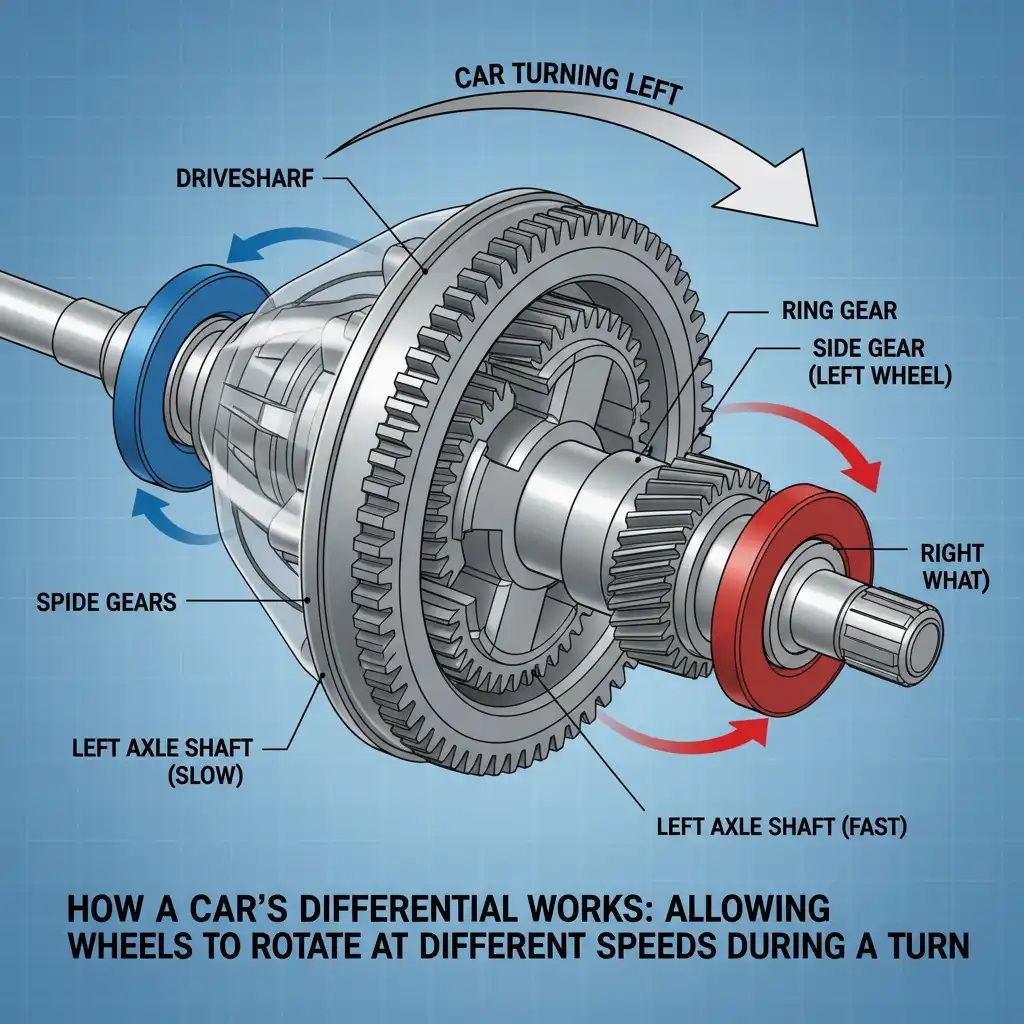
The differential is a vital component within your vehicle’s drivetrain, often overlooked until problems arise. Its primary function is to allow the drive wheels to rotate at different speeds while still receiving power from the engine. This capability is absolutely essential, particularly when your vehicle navigates a turn. When turning, the wheel on the outside of the curve travels a greater distance than the wheel on the inside. Without a differential, both wheels would be forced to spin at the same rate, causing one wheel to drag or slip, leading to increased tire wear, strain on the drivetrain, and compromised handling.
Housed within an axle assembly, the differential uses a complex arrangement of gears – including a ring gear, pinion gear, and spider gears – to achieve this differential speed. Power from the transmission is transmitted to the pinion gear, which then rotates the larger ring gear. The ring gear, in turn, drives the carrier, which holds the spider gears. These spider gears are the genius behind the differential action, allowing varying rotational speeds between the output shafts to each wheel. Understanding this intricate mechanism highlights why its proper functioning is paramount for safe and efficient driving.
Different vehicles employ various types of differentials, such as open differentials (most common), limited-slip differentials (LSDs) for improved traction, and locking differentials for extreme off-road conditions. Regardless of the type, the fundamental principle remains the same: manage wheel speed differences to maintain traction and control. A malfunctioning differential can severely impact your vehicle’s stability, cornering ability, and overall driving experience. Moreover, neglecting differential maintenance can lead to a cascade of issues, affecting other drivetrain components like axles and even the transmission, culminating in expensive repairs.
Why Your Differential is Critical for Performance and Safety
Beyond simply enabling turns, a properly functioning differential contributes significantly to your vehicle’s overall performance and safety. It ensures that power is distributed smoothly and efficiently to the wheels that need it most, optimizing traction under various driving conditions, from dry tarmac to wet Auckland roads. Without this crucial component, you would experience a noticeable struggle when attempting even gentle turns, feeling a resistance from the vehicle as the tires fight against each other. This stress not only degrades your tires rapidly but also puts undue strain on other vital parts of your car’s powertrain, including the transmission and drive shafts.
Moreover, the differential helps to maintain the vehicle’s balance and stability, especially during cornering at speed. Any internal wear or fluid degradation can lead to inconsistent power delivery, which might manifest as unpredictable handling or a loss of control in challenging situations. Regular inspection and service, therefore, are not just about maintaining mechanical integrity; they are fundamentally about preserving your vehicle’s predictable handling characteristics and ensuring your safety on the road. The longevity of your tires and other expensive drivetrain components also directly benefits from a healthy differential, making its maintenance a wise investment.
Recognizing Symptoms of Differential Problems
Early detection of differential issues can save you significant time and money on repairs. While differentials are built to be robust, they are subjected to immense stress, especially in vehicles that frequently tow, carry heavy loads, or drive in stop-and-go traffic. Being attuned to your vehicle’s sounds, smells, and handling characteristics is key to identifying problems before they escalate. Ignoring these warning signs can lead to complete differential failure, which often necessitates a much more extensive and costly rebuild or replacement.
Common Noises and What They Mean
One of the most common indicators of a failing differential is unusual noise. These noises can vary in type and intensity, often providing clues about the nature of the problem:
- Whining or Howling: A high-pitched whine or howl that typically becomes louder with vehicle speed can indicate worn pinion bearings or gear sets. This sound is often most noticeable when accelerating or decelerating and can change pitch depending on the load on the drivetrain.
- Clunking or Banging: A distinct clunking or banging sound, especially when shifting gears (from drive to reverse or vice versa), or when starting from a stop, often points to excessive play in the spider gears, worn universal joints (U-joints), or loose companion flanges.
- Grinding: A grinding noise, particularly during turns, suggests severe wear or damage to the internal gears or bearings, possibly due to insufficient lubrication or contamination. This can also indicate issues with the limited-slip clutch packs if your vehicle is equipped with one.
Fluid Leaks and Their Significance
Differential fluid, also known as gear oil, is essential for lubricating the gears and bearings within the differential and dissipating heat. A leak can quickly lead to insufficient lubrication, causing components to overheat and wear prematurely. Signs of a leak include:
- Puddles under the vehicle: Dark, viscous fluid appearing under the rear or front axle housing (depending on whether it’s a rear-wheel drive, front-wheel drive, or all-wheel drive vehicle). Differential fluid has a distinct, often pungent smell.
- Oil residue on the differential housing: Visual inspection of the differential housing might reveal a coating of fluid, especially around the seals (pinion seal, axle seals) or cover gasket. This indicates a breach where fluid is escaping.
- Burning Smell: If the differential fluid level becomes too low due to a leak, the remaining fluid can overheat and burn, producing a strong, acrid smell similar to burnt sulfur. This is a serious warning sign that severe internal damage is occurring.
Other symptoms include vibrations that can be felt through the floorboards or steering wheel, especially at certain speeds, which might indicate a worn U-joint or driveshaft issue connected to the differential. Additionally, difficulty in handling, such as resistance during turns or a feeling of ‘binding,’ can also point to differential trouble. If you notice any of these symptoms in your vehicle, it’s crucial to seek professional differential service in Auckland immediately to prevent further damage.
On-Site Differential Fluid Change & Inspection Services in Auckland
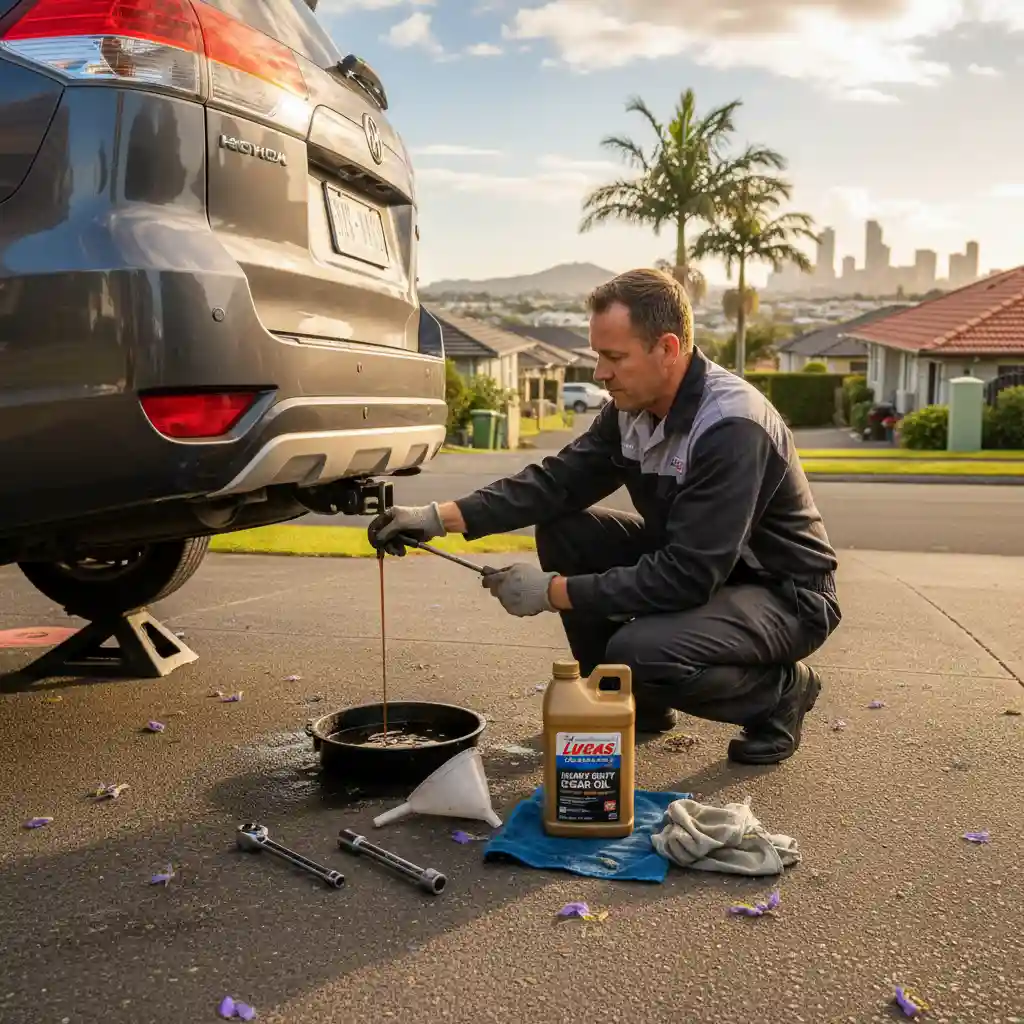
Just like engine oil, differential fluid degrades over time and loses its lubricating properties. It collects metallic particles from normal wear and tear of the gears, and its additives break down under extreme heat and pressure. Regular differential fluid changes are a cornerstone of preventative maintenance, ensuring the longevity and efficient operation of your vehicle’s drivetrain. An Auckland mobile mechanic brings this essential service directly to your driveway, workplace, or any convenient location, eliminating the hassle of dealership visits and providing unparalleled convenience.
The Importance of Differential Fluid
Differential fluid (gear oil) is a highly specialized lubricant formulated to withstand extreme pressure and high temperatures. It performs several critical functions:
- Lubrication: It coats the intricate gear sets and bearings, reducing friction and preventing metal-on-metal contact that leads to wear.
- Cooling: As gears mesh and spin at high speeds, they generate significant heat. The fluid helps dissipate this heat, preventing components from overheating and warping.
- Cleaning: It carries away microscopic metal particles and other contaminants, keeping the internal components clean.
- Corrosion Protection: Additives in the fluid protect metal surfaces from rust and corrosion, especially in humid environments like Auckland.
Over time, the fluid becomes saturated with these contaminants, and its viscosity and protective qualities diminish. This significantly increases friction and wear, leading to noise, excessive heat, and eventually component failure. Vehicle manufacturers provide recommended service intervals, typically ranging from 50,000 to 100,000 kilometres, though harsh driving conditions (towing, off-roading, frequent short trips) may necessitate more frequent changes. Consult your vehicle’s owner’s manual for specific recommendations. For more information on the general principles of vehicle differentials, you can refer to Wikipedia’s detailed explanation of mechanical differentials.
What to Expect During a Mobile Differential Fluid Service
When you schedule a mobile differential fluid service in Auckland, a qualified mechanic arrives at your location equipped with all the necessary tools and fluids. The process typically involves:
- Initial Inspection: The mechanic will visually inspect the differential housing for any signs of leaks, damage, or wear on the seals and gaskets. They will also check for excessive play in the pinion and axle shafts.
- Fluid Drainage: The old, degraded differential fluid is carefully drained into a waste container. This allows the mechanic to observe the fluid’s condition – its colour, consistency, and the presence of any metal shavings, which can indicate internal wear.
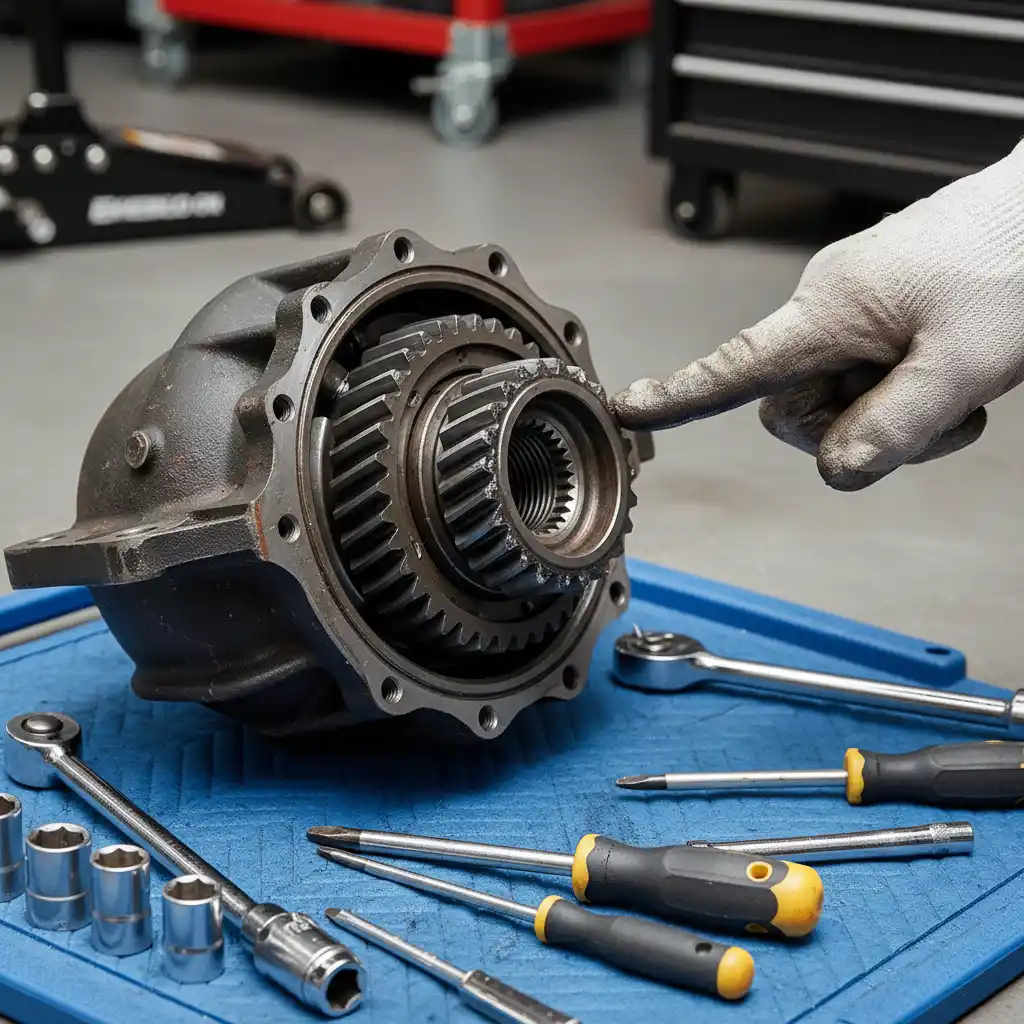
- Housing Cleaning & Inspection: After draining, the differential cover (if applicable) may be removed for a more thorough internal inspection of the gears, bearings, and clutch packs (for LSDs). The housing will be cleaned of any sludge or metallic debris.
- Gasket/Seal Replacement: If the differential has a cover, a new gasket is typically installed, or sealant applied, to ensure a tight, leak-free seal. Worn axle or pinion seals identified during the initial inspection would also be replaced at this stage.
- Refill with Correct Fluid: The differential is then refilled with the manufacturer-specified type and quantity of new, high-quality gear oil. Using the correct fluid is paramount, as different differentials require specific viscosities and additive packages (e.g., limited-slip additive).
- Final Check: Once refilled, the differential is checked for proper fluid level and any immediate leaks. The mechanic will also provide insights into the condition of your differential and any recommendations for future maintenance or repairs.
The convenience of this on-site service means minimal disruption to your day, allowing you to carry on with your work or home life while your vehicle receives professional attention. This streamlined approach makes preventative differential maintenance easier than ever for Auckland residents.
Expert Differential Repair for Optimal Drivetrain Health
While preventative maintenance like fluid changes is crucial, sometimes differentials develop more complex issues that require expert repair. These problems often stem from prolonged neglect, heavy usage, or manufacturing defects, and they typically go beyond what a simple fluid change can address. Addressing these issues promptly is vital to prevent catastrophic failure, which could leave your vehicle immobilised and lead to even more significant repair bills involving other drivetrain components.
Advanced Diagnostics for Differential Issues
When symptoms like persistent noise, vibration, or leakage continue after a fluid service, or if the initial inspection reveals more severe damage, advanced diagnostics become necessary. An experienced Auckland mobile mechanic will employ a systematic approach:
- Road Testing: Replicating conditions where symptoms are most apparent (e.g., specific speeds, turns, acceleration/deceleration) helps pinpoint the source of the problem.
- Lift Inspection: A thorough visual inspection on a lift allows the mechanic to check for play in universal joints, driveshaft bearings, axle shafts, and the differential housing itself.
- Pinion Bearing Preload Test: This measures the resistance required to turn the pinion gear, indicating the condition of the bearings and shims. Incorrect preload can lead to noise and premature wear.
- Backlash Measurement: Checking the amount of play between the ring and pinion gears is critical. Incorrect backlash can cause howling noises, rapid wear, and even gear tooth breakage.
- Fluid Analysis: Examining the drained fluid for specific types and amounts of metal particles can indicate which internal components (e.g., bearings, gears, clutch packs) are experiencing wear.
Accurate diagnosis is the foundation of effective repair, ensuring that the correct components are identified and addressed, rather than simply guessing or replacing parts unnecessarily.
Common Differential Repairs Handled by Mobile Mechanics
Depending on the severity and nature of the problem, an Auckland mobile mechanic can perform various differential repairs. While some extensive overhauls might require a workshop setting, many common and critical repairs can be completed efficiently on-site:
- Seal Replacement: This is a very common repair. Leaking pinion seals or axle seals are often replaced on-site to stop fluid loss and prevent internal damage from low fluid levels. This is a crucial first step when addressing fluid leaks.
- Bearing Replacement: Worn pinion bearings or carrier bearings are a frequent cause of whining or howling noises. Replacing these bearings, along with setting proper preload, can often resolve the issue and extend the life of the differential significantly.
- Gasket and Cover Repair: If the differential cover gasket is leaking, a mobile mechanic can remove the cover, clean mating surfaces, replace the gasket, and refill with new fluid.
- U-Joint and Driveshaft Repair: While not strictly internal differential components, worn universal joints or centre support bearings on the driveshaft often mimic differential noises and vibrations. An Auckland mobile mechanic can diagnose and replace these components to eliminate the symptoms.
- Limited-Slip Differential (LSD) Service: For vehicles with LSDs, clutch pack wear can lead to chattering or groaning during turns. A mobile mechanic can inspect and often replace these clutch packs to restore proper LSD function, using specialized friction modifier additives.
For more complex repairs involving gear set replacement or full differential rebuilds where specialized pressing equipment or prolonged work is needed, a mobile mechanic can provide an initial diagnosis and advise on the best course of action, which might include recommending a trusted workshop. However, their ability to perform a wide range of critical repairs on-site offers immense value and convenience for Auckland motorists.
Why Choose an Auckland Mobile Mechanic for Your Differential Needs?
The choice to use a mobile mechanic for your differential service and repair in Auckland offers a compelling array of benefits that traditional workshops simply cannot match. In today’s fast-paced world, convenience and efficiency are paramount, and a mobile service delivers exactly that, directly to your doorstep.
Unparalleled Convenience and Flexibility
The most obvious advantage is the sheer convenience. Instead of taking time out of your busy schedule to drive to a garage, wait for the service, and then arrange transport, an Auckland mobile mechanic comes to you. Whether you’re at home, at work, or even stuck on the roadside, they can perform the necessary service or diagnosis. This flexibility minimises disruption to your day, allowing you to continue with your obligations while your vehicle is expertly cared for. For businesses relying on their fleet, on-site service translates to less downtime and greater productivity.
Transparency and Trust in Service
When a mechanic works on your vehicle right in front of you, the level of transparency is significantly higher. You can observe the process, ask questions, and see first-hand the condition of your differential components and the work being performed. This direct interaction fosters a greater sense of trust and understanding, eliminating the mystery often associated with traditional garage visits. You’ll receive clear explanations and honest advice without the pressure of a sales-driven environment.
Specialized Expertise and Equipment
A reputable Auckland mobile mechanic specialising in drivetrain components will possess the specific knowledge and diagnostic tools required for differential service and repair. They are not just generalists; they have often honed their skills in complex automotive systems. Despite operating mobile, they are equipped with professional-grade tools, quality parts, and diagnostic equipment necessary to accurately assess and remedy differential issues, from fluid analysis to precise bearing adjustments.
Cost-Effectiveness and Time Savings
While the service quality is premium, mobile mechanics often offer competitive pricing due to lower overheads compared to large workshops. More importantly, the time saved by not having to travel to and from a garage, waiting for your car, or arranging alternative transport, adds up to significant overall savings. This makes mobile differential service not just convenient but also an economically smart choice for Auckland vehicle owners.
Conclusion: Proactive Differential Care with Auckland Mobile Mechanics
Maintaining the health of your vehicle’s differential is not merely an optional task; it is a fundamental aspect of ensuring your car’s longevity, performance, and safety. From allowing smooth turns to distributing power efficiently, the differential plays an indispensable role in your driving experience. Recognizing early symptoms of wear or malfunction and addressing them promptly through professional service is key to avoiding costly and extensive repairs down the line.
An Auckland mobile mechanic offers an unparalleled solution for all your differential service and repair needs. They combine the convenience of on-site service with the expertise required for accurate diagnosis and effective repair, providing transparent, trustworthy, and high-quality care. By choosing a mobile mechanic, you’re not just getting your differential serviced; you’re investing in peace of mind, knowing that your vehicle’s critical drivetrain components are in expert hands, right at your chosen location in Auckland. Don’t wait for a small symptom to become a major problem; schedule your differential inspection or service today.
People Also Ask
How often should differential fluid be changed?
Differential fluid change intervals vary by vehicle manufacturer and driving conditions. Generally, it’s recommended every 50,000 to 100,000 kilometres. Vehicles used for heavy towing, off-roading, or frequent stop-and-go driving may require more frequent changes. Always consult your vehicle’s owner’s manual for specific recommendations.
What does it sound like when a differential is going bad?
Common sounds of a failing differential include a whining or howling noise that gets louder with speed, clunking sounds when shifting gears or starting from a stop, or a grinding noise, especially during turns. These noises often indicate worn gears, bearings, or insufficient lubrication.
Can a mobile mechanic replace a differential?
While mobile mechanics are highly skilled and can perform many differential repairs on-site, a complete differential replacement or rebuild is a complex job that often requires specialized heavy lifting equipment and presses, making a workshop setting more suitable. However, a mobile mechanic can accurately diagnose the issue and advise on the best course of action, often handling smaller repairs like seal or bearing replacements on-site.
What happens if you don’t change differential fluid?
Failing to change differential fluid can lead to several problems. The fluid degrades, losing its lubricating and cooling properties, leading to increased friction, heat, and wear on the internal gears and bearings. This can result in excessive noise, vibrations, and eventually, catastrophic differential failure, requiring expensive replacement.
Is differential service expensive?
The cost of differential service varies depending on whether it’s just a fluid change or a more extensive repair. A fluid change is a routine maintenance item and is relatively inexpensive compared to major repairs. Neglecting maintenance can lead to full differential replacement, which can be very costly. Mobile mechanics often offer competitive pricing due to lower overheads.
How long does a differential service take?
A standard differential fluid change and inspection by a mobile mechanic typically takes about 30-60 minutes, assuming there are no unforeseen complications or additional repairs needed. More complex repairs like seal or bearing replacement can take longer, potentially a few hours, depending on the specific repair.