
Clutch replacement in Auckland is a crucial automotive service addressing the wear and tear of a vehicle’s clutch system, essential for smooth gear changes and power transmission. When symptoms like slipping, grinding, or a spongy pedal emerge, it indicates the need for professional inspection and timely replacement to prevent further damage and ensure safe driving on Auckland’s roads.
Signs You Need a New Clutch
Identifying the early warning signs of a failing clutch is paramount for vehicle owners in Auckland to avoid breakdowns and costly secondary repairs. A clutch is a vital component in manual transmission vehicles, connecting the engine to the gearbox, enabling you to change gears smoothly. Over time, constant use leads to wear, and eventually, the clutch plates can lose their friction material, springs can weaken, or hydraulic systems can fail. Recognizing these indicators promptly can save you significant hassle and expense, ensuring your vehicle remains reliable and safe.
Slipping Clutch: Understanding the Loss of Power
One of the most common and tell-tale signs of a worn clutch is slipping. This occurs when the clutch disc fails to fully engage with the flywheel, causing a momentary loss of power, particularly when accelerating or driving uphill. You might notice your engine’s RPMs increase significantly without a corresponding increase in vehicle speed. The car feels sluggish, as if it’s struggling to transfer power to the wheels efficiently. This often starts subtly and worsens over time. If left unaddressed, a slipping clutch can overheat, glaze the flywheel, and cause extensive damage to other transmission components.
Burning Smell: An Ominous Aroma
A distinct burning smell, often likened to burnt toast or rubber, emanating from your vehicle is a strong indicator of clutch issues. This smell is typically produced when the clutch is slipping excessively, generating intense friction and heat. This can happen during heavy acceleration, extended hill climbs, or when the driver rides the clutch. While an occasional faint smell might not be immediately alarming, persistent or strong burning odours are a definitive sign that the clutch material is overheating and wearing down rapidly, necessitating immediate inspection.
Difficulty Changing Gears: The Grinding Truth
Smooth gear changes are a hallmark of a healthy clutch system. If you find yourself struggling to shift gears, experiencing resistance, or hearing grinding noises when attempting to engage a gear, your clutch is likely failing. This can be due to a worn-out clutch disc, a failing pressure plate, or issues with the hydraulic system (master or slave cylinder). In some cases, it could also indicate problems with the transmission fluid or synchronization. Ignoring grinding gears can lead to significant damage to your gearbox, escalating repair costs considerably. Timely intervention ensures that a minor clutch issue doesn’t become a major transmission overhaul.
Spongy or Sticky Clutch Pedal: Feedback from Your Foot
The feel of your clutch pedal provides crucial feedback about its health. A healthy clutch pedal should offer consistent resistance and return smoothly to its original position. If your pedal feels unusually soft, spongy, or requires excessive force to depress, there’s likely a problem with the hydraulic system or the pressure plate. Conversely, a pedal that sticks to the floor after being pressed down indicates a severe issue, often with the master or slave cylinder, preventing the clutch from disengaging properly. These issues directly impact your ability to control the vehicle, making driving unsafe.

The Symptoms Unpacked: Recognising Clutch Failure
Beyond the primary symptoms, understanding the nuances of clutch failure can help Auckland drivers pinpoint issues more accurately. Each symptom tells a story about the specific component of the clutch system that might be compromised.
Noisy Clutch: When to Worry About Sounds
Unusual noises when operating the clutch are never a good sign. A high-pitched squealing or chirping sound when you press the clutch pedal could indicate a worn-out pilot bearing or release bearing. A rattling noise, particularly when the pedal is released, might point to problems with the clutch’s springs or a dual-mass flywheel. These sounds are not just annoying; they are indicators of metal-on-metal friction or loose components that can lead to catastrophic failure if not addressed. Listening carefully to your vehicle’s sounds can provide early warnings.
Vibrating Clutch Pedal: What It Means
A vibrating clutch pedal, especially when pressed, can be a symptom of various issues, from a warped flywheel to a damaged pressure plate or worn clutch disc. These vibrations are usually caused by an uneven surface or an imbalance within the clutch assembly, leading to inconsistent contact and excessive heat. While minor vibrations might be tolerable, persistent or intensifying vibrations warrant immediate investigation, as they signify components that are not operating smoothly and are under undue stress. This could compromise the integrity of the entire drivetrain.
Why Regular Clutch Checks Are Vital for Your Vehicle’s Health
Proactive maintenance is the cornerstone of vehicle longevity and reliability, and the clutch system is no exception. Given the constant engagement and disengagement cycles, especially in stop-and-go traffic prevalent in areas like Auckland, the clutch is subject to significant wear. Regular checks, even if no obvious symptoms are present, can extend the life of your clutch and prevent unexpected, costly repairs. A professional inspection can identify minor issues before they escalate, saving you time, money, and stress.
Preventing Costly Breakdowns and Repairs
A failing clutch can lead to complete vehicle immobilisation, leaving you stranded. This often results in expensive towing services and emergency repairs. By adhering to a schedule of regular clutch inspections, a skilled mechanic can assess the wear on components, check for hydraulic fluid leaks, and ensure all parts are functioning optimally. Addressing minor adjustments or component replacements, such as a worn release bearing or a leaking slave cylinder, can prevent a complete clutch overhaul, which is a significantly more expensive and time-consuming procedure. For more information on common vehicle maintenance practices, you can refer to resources like Wikipedia’s guide on car maintenance.
Extending Clutch Lifespan and Vehicle Performance
Proper driving habits, combined with regular maintenance, play a crucial role in maximising the lifespan of your clutch. Avoiding riding the clutch, excessive revving, and quick releases can significantly reduce wear. During a routine check, a mechanic can also offer advice on driving techniques that promote clutch longevity. Furthermore, ensuring your clutch system is in prime condition contributes to overall vehicle performance, providing smooth gear transitions, optimal fuel efficiency, and a more enjoyable driving experience. A well-maintained clutch also reduces strain on other drivetrain components, like the gearbox, further extending the life of your vehicle.
Efficient On-Site Clutch Replacement in Auckland
For Auckland vehicle owners, convenience and efficiency are key when it comes to automotive repairs. The traditional process of taking your car to a workshop, arranging alternative transport, and waiting for days can be disruptive. This is where mobile mechanic services offer a superior solution, bringing expert clutch replacement directly to your home or workplace. This on-site service minimises downtime and eliminates the logistical challenges associated with traditional garage visits, making clutch replacement in Auckland more accessible and less stressful.
The Convenience of Mobile Clutch Service
Imagine your vehicle needing a clutch replacement, but instead of coordinating a tow or finding a ride to the mechanic, the mechanic comes to you. Auckland’s mobile mechanics are equipped with all the necessary tools and expertise to perform complex repairs, including full clutch replacements, right where your vehicle is located. This service saves you valuable time and eliminates the inconvenience of transportation. Whether you’re at home, at work, or even experiencing a breakdown on the roadside, a mobile mechanic can provide prompt and professional service, getting you back on the road faster.
Expert Technicians and Specialised Equipment
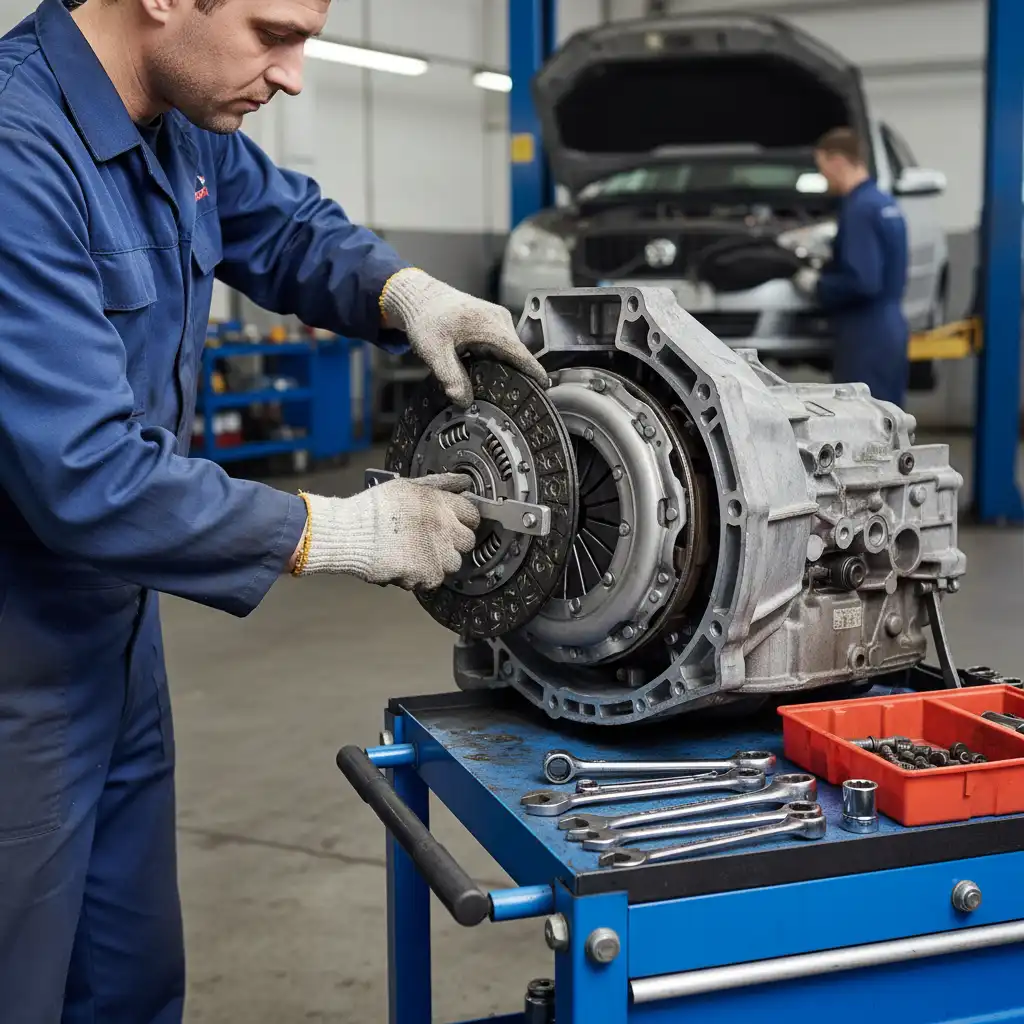
Mobile mechanics specialising in clutch replacement in Auckland are highly trained and experienced in working with various makes and models of vehicles. They understand the intricacies of different clutch systems, from conventional to hydraulic, and are equipped with the specialised diagnostic tools and lifting equipment required for a thorough and accurate replacement. Their expertise ensures that the job is done correctly the first time, adhering to manufacturer specifications and industry best practices. They conduct comprehensive checks post-replacement to ensure optimal performance and safety, providing peace of mind to vehicle owners. Understanding proper vehicle maintenance, which includes professional servicing, is crucial for road safety, as highlighted by organisations such as NZTA (Waka Kotahi NZ Transport Agency).
Genuine Parts for Lasting Performance and Peace of Mind
The quality of parts used in a clutch replacement significantly impacts the longevity, reliability, and overall performance of your vehicle. Opting for genuine or high-quality OEM (Original Equipment Manufacturer) equivalent parts is a non-negotiable aspect of any professional clutch service. These parts are designed to meet the exact specifications of your vehicle, ensuring perfect fitment and optimal operation. In Auckland, reputable mobile mechanics prioritise the use of such components, offering vehicle owners confidence in their repair investment.
The Importance of High-Quality Clutch Components
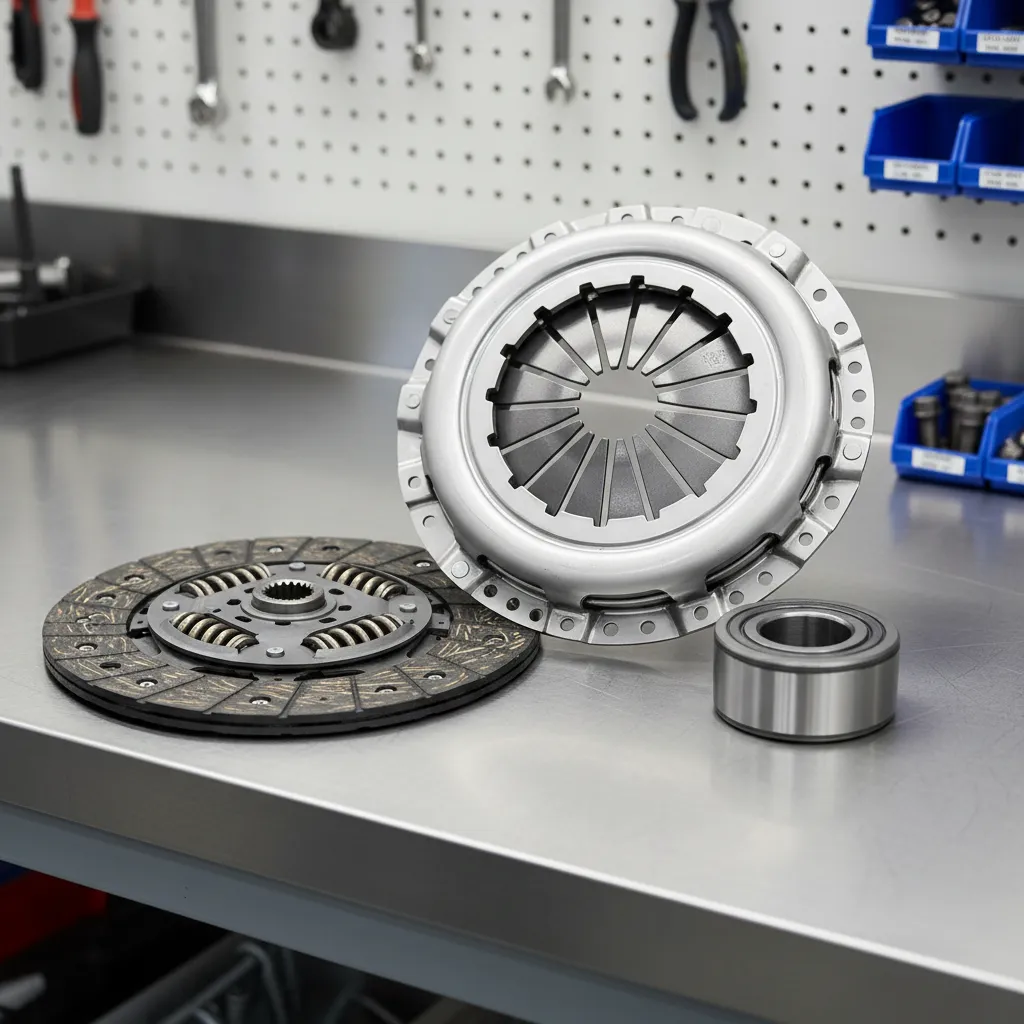
A clutch assembly comprises several critical components: the clutch disc, pressure plate, release bearing (or throw-out bearing), and often a pilot bearing. Each part plays a vital role in the system’s function. Inferior or counterfeit parts may have lower-grade friction materials, weaker springs, or less durable bearings. These can lead to premature wear, inefficient power transfer, and even complete failure shortly after replacement. Genuine parts, on the other hand, are engineered for durability and performance, ensuring that your new clutch lasts for many thousands of kilometres.
Warranty and Reliability: Your Guarantee of Quality
Choosing a service that uses genuine or OEM-quality parts typically comes with the added benefit of a warranty on both the parts and the labour. This provides an invaluable layer of protection and assurance. If any issues arise post-replacement, you have recourse and peace of mind knowing that the repair is covered. In Auckland, trusted mobile mechanics stand by the quality of their work and the parts they install, offering warranties that reflect their commitment to customer satisfaction and the enduring reliability of their repairs. This focus on quality means your vehicle receives the best possible care, leading to a long-lasting and efficient clutch system.
People Also Ask About Clutch Replacement
How much does clutch replacement cost in Auckland?
The cost of clutch replacement in Auckland can vary significantly based on the vehicle’s make and model, the type of clutch kit required, and whether you opt for a mobile service or a traditional garage. Generally, prices can range from NZD $800 to $2000 or more, including parts and labour. It’s best to get a detailed quote from a reputable mechanic.
How long does a clutch replacement take?
A standard clutch replacement typically takes between 4 to 8 hours for an experienced mechanic. However, this can extend depending on the complexity of the vehicle’s design and any unforeseen issues encountered during the process. Mobile mechanics often aim to complete the job within a single day to minimise inconvenience.
What is the lifespan of a clutch?
The lifespan of a clutch varies greatly depending on driving habits, vehicle type, and conditions. On average, a clutch can last anywhere from 80,000 to 160,000 kilometres (50,000 to 100,000 miles). Aggressive driving, heavy traffic, and towing can significantly reduce its lifespan, while smooth driving can extend it.
Can I drive with a slipping clutch?
While it might be possible to drive short distances with a slipping clutch, it is not recommended. Driving with a slipping clutch can rapidly accelerate wear, generate excessive heat, and lead to further damage to the flywheel, pressure plate, and even the transmission. It significantly compromises safety and control, increasing the risk of breakdown. Immediate repair is advisable.
What are the main symptoms of a worn clutch?
The main symptoms of a worn clutch include a slipping clutch (engine revs without increased speed), a burning smell, difficulty shifting gears (grinding noises), a soft/spongy or sticky clutch pedal, and unusual noises or vibrations when operating the clutch. Any of these signs warrant professional inspection.
Is it better to replace the whole clutch kit or just the worn part?
It is almost always recommended to replace the entire clutch kit, which typically includes the clutch disc, pressure plate, and release bearing. While only one component might show obvious wear, the others are often close to the end of their lifespan. Replacing the complete kit ensures all parts are new, preventing future issues and saving on labour costs associated with doing the job twice.