
Engine mount replacement in Auckland involves identifying and addressing failing components that secure your vehicle’s engine and transmission to the chassis. This crucial service restores ride comfort, reduces excessive vibrations, and prevents potential damage to other critical automotive systems, ensuring optimal vehicle performance and safety on Auckland’s roads.
Signs of Worn Engine Mounts
Recognizing the early warning signs of worn engine mounts is vital for preventing more severe and costly damage to your vehicle. These crucial components are designed to absorb vibrations and support the engine’s weight, and when they begin to fail, the symptoms are often noticeable. Ignoring these indicators can lead to a cascade of problems, impacting everything from your car’s comfort to its structural integrity and safety.
Excessive Vibrations
One of the most common and immediate indicators of failing engine mounts is an increase in vibrations throughout the vehicle. Initially, these might be subtle, felt primarily through the steering wheel, accelerator pedal, or floorboards. As the mounts deteriorate further, these vibrations become more pronounced, especially when the vehicle is idling, accelerating, or braking. The engine’s natural movements, normally dampened by the mounts, are now directly transferred to the chassis, leading to an uncomfortable and noisy ride experience. This is particularly noticeable at lower RPMs or when shifting gears, as the engine’s torque can exacerbate the movement.
Loud Clunking or Banging Noises
When engine mounts are severely worn or broken, the engine can physically shift and make contact with other components or the vehicle’s frame. This typically manifests as loud clunking, banging, or thudding noises, especially when accelerating rapidly, shifting gears (particularly in manual transmissions), or going over bumps. These sounds are often distinct and can be alarming, indicating that the engine is not securely held in place. In some cases, you might even hear a popping sound as the engine torques and then drops back into place, signalling a complete failure of one or more mounts.

Engine Movement
A tell-tale sign that requires a visual inspection is observing the engine itself. If you pop the hood and have someone briefly rev the engine (while the vehicle is in park and the brakes are applied), you might notice excessive engine movement. A healthy engine should have minimal movement, mainly a slight rocking motion. However, if the engine visibly lurches, lifts significantly, or appears to shift more than a few centimetres, it’s a strong indication that the mounts are no longer effectively restraining it. This movement can be dangerous, potentially straining hoses, wires, and other connections, leading to secondary failures.
Visual Deterioration
Direct visual inspection of the engine mounts, if accessible, can also reveal problems. Look for cracks, tears, or separation in the rubber components of the mounts. Hydraulic mounts might show signs of fluid leakage. Metal mounts could exhibit corrosion or damage. While not all mounts are easily visible without lifting the vehicle, a professional mobile mechanic in Auckland can quickly identify these issues during an on-site inspection. The rubber material, designed to absorb shock, naturally degrades over time due to heat cycles, exposure to oils and chemicals, and constant stress.
Fluid Leaks (Hydraulic Mounts)
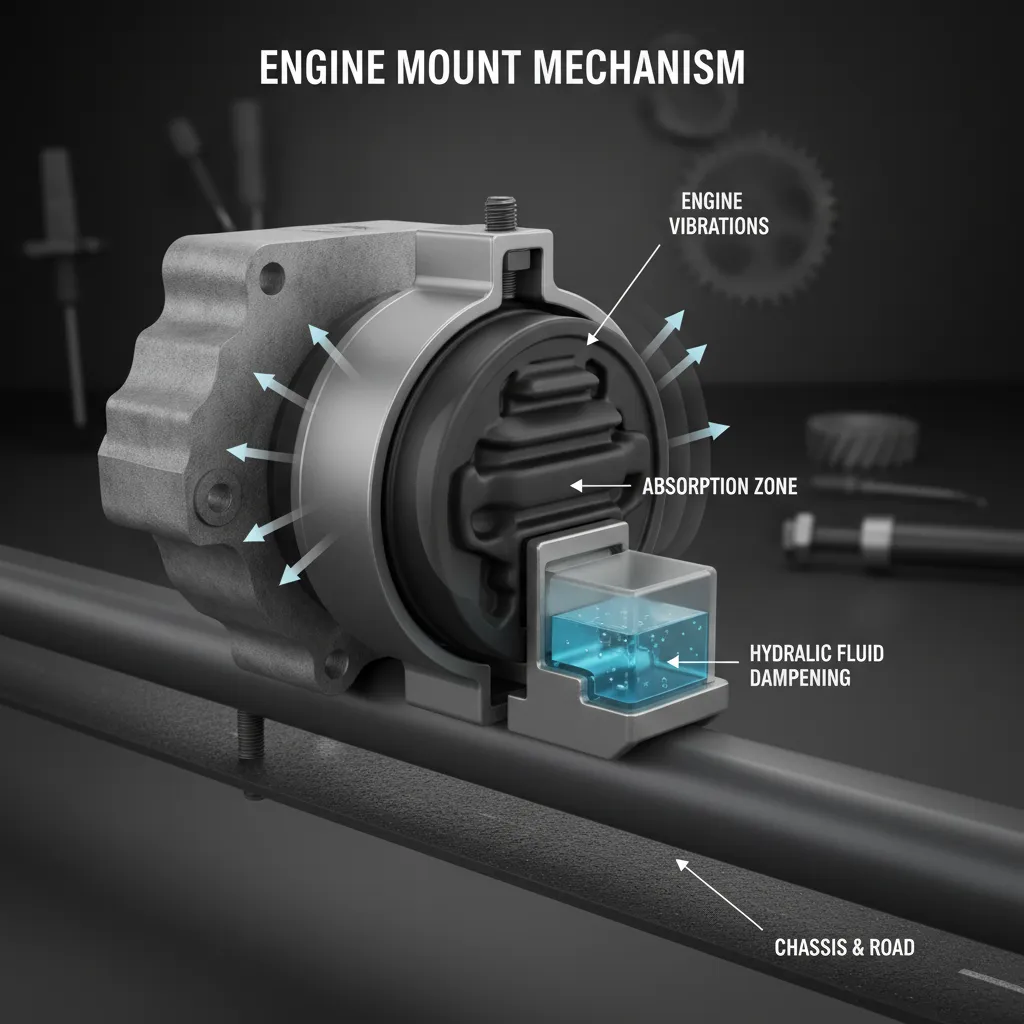
Some modern vehicles use hydraulic engine mounts, which are filled with fluid to provide enhanced damping capabilities. If these mounts fail, they can develop leaks. You might notice a greasy, dark stain on the driveway or underneath the engine, near where the mounts are located. A leaking hydraulic mount not only loses its dampening ability but can also be a sign of internal structural failure, necessitating immediate replacement to restore proper function and prevent further issues.
Why Engine Mounts Are Crucial
Engine mounts are often overlooked components, yet their role in your vehicle’s overall performance, comfort, and safety is paramount. These seemingly simple parts are engineering marvels designed to handle immense stress and ensure a smooth, stable driving experience. Understanding their function highlights why timely engine mount replacement in Auckland is not just about comfort but also about maintaining the integrity of your entire vehicle system.
Engine Stability and Support
At their core, engine mounts serve as the anchors that secure your engine and transmission to the vehicle’s chassis. Without them, the engine, a heavy and powerful component, would simply rest precariously in the engine bay, constantly shifting with every acceleration, turn, or bump. This secure attachment is vital for maintaining the engine’s correct position relative to the drivetrain components, ensuring that power is efficiently transferred to the wheels. Properly functioning mounts prevent the engine from moving excessively, which could otherwise lead to misalignment of drive shafts, wear on universal joints, and strain on connecting hoses and wires.
Vibration Dampening
Engines, especially internal combustion engines, produce significant vibrations as they operate. These vibrations are a natural byproduct of the combustion process, piston movement, and crankshaft rotation. Engine mounts are specifically designed with rubber or fluid-filled components to absorb and dissipate these vibrations before they reach the passenger cabin. This dampening effect is crucial for a comfortable ride, transforming what would otherwise be a jarring and noisy experience into a smooth and quiet one. When mounts wear out, their ability to absorb these vibrations diminishes, leading to the excessive cabin vibrations mentioned earlier.
Ensuring Drivetrain Alignment
The engine and transmission form a single unit that needs to maintain precise alignment with the rest of the drivetrain components, such as the driveshaft (in rear-wheel drive vehicles) or CV axles (in front-wheel drive vehicles). Worn engine mounts allow the engine to sag or shift, throwing off this critical alignment. This misalignment can lead to increased wear on other drivetrain components, accelerate the degradation of universal joints and constant velocity (CV) joints, and even cause premature failure of other expensive parts. Correct alignment is essential for efficient power transfer and longevity of mechanical parts.
Safety Implications of Failed Mounts
While comfort and component longevity are important, the safety implications of severely failed engine mounts cannot be overstated. An engine that is not properly secured can pose a significant hazard. In extreme cases, a completely failed mount could allow the engine to shift so violently that it impacts steering components, brake lines, or even become dislodged during a collision. This could lead to a loss of control or exacerbate crash damage. Furthermore, the strain on hoses and wires due to excessive engine movement can lead to leaks, electrical shorts, or other failures that compromise vehicle operation. For more detailed technical insights into how engine mounts function and their various designs, you can refer to authoritative sources like Wikipedia’s entry on Engine Mounts.
On-Site Inspection and Replacement
When facing potential engine mount issues in Auckland, the convenience and efficiency of an on-site inspection and replacement service cannot be overstated. Mobile mechanics bring the workshop to you, eliminating the hassle of towing, waiting rooms, and disrupted schedules. This approach is particularly beneficial for engine mount diagnostics and repairs, given the specialized nature of the work.
The Mobile Mechanic Advantage in Auckland
For Auckland drivers, opting for a mobile mechanic for engine mount replacement offers unparalleled convenience. Instead of taking time off work, arranging transportation, or dealing with the logistics of dropping off and picking up your car, the service comes directly to your home or workplace. This means less downtime for you and your vehicle. Our mobile mechanics are equipped with all the necessary tools and diagnostic equipment to perform a thorough inspection and replacement on-site, providing a seamless and stress-free experience. This service is ideal for busy individuals and families who rely on their vehicle daily and cannot afford prolonged garage visits.
Comprehensive Diagnostic Process
Our experienced mobile mechanics begin with a comprehensive diagnostic process to accurately pinpoint the source of your vehicle’s symptoms. This typically involves:
- Visual Inspection: A thorough visual check of all accessible engine mounts for signs of wear, cracks, fluid leaks (for hydraulic mounts), and separation.
- Engine Movement Test: Carefully observing engine movement while the vehicle is stationary and the engine is briefly revved, identifying any excessive lurching or shifting.
- Road Test: In some cases, a brief road test may be conducted to replicate symptoms under various driving conditions, such as acceleration, braking, and turning, to confirm the diagnosis.
- Under-Vehicle Inspection: Lifting the vehicle safely to gain better access and visibility to all engine and transmission mounts, allowing for a detailed examination of their condition and mounting hardware.
This meticulous approach ensures that all failing mounts are identified, preventing partial repairs that might leave underlying issues unaddressed.
The Replacement Procedure Explained
Once the failing engine mounts are identified, our mobile mechanics proceed with the replacement. The exact procedure can vary depending on your vehicle’s make, model, and the specific mounts needing replacement, but generally involves:
- Securing the Vehicle: Safely lifting and supporting the vehicle on jack stands or a lift, then adequately supporting the engine from below or above to relieve pressure on the mounts.
- Accessing the Mounts: This may require removing various components such as air intake ducts, battery trays, or other obstructions to gain clear access to the faulty mounts.
- Removing Old Mounts: Unbolting and carefully removing the deteriorated engine mounts, taking care not to damage surrounding components.
- Installing New Mounts: Placing new, high-quality replacement mounts into position, ensuring they are correctly aligned and torqued to manufacturer specifications.
- Reassembling: Reinstalling any components that were removed to access the mounts.
- Final Checks: Lowering the vehicle, starting the engine to verify proper function, and conducting a final visual inspection to ensure everything is secure and operating correctly.
Our mechanics adhere strictly to manufacturer guidelines and best practices to ensure a durable and reliable repair.
Types of Engine Mounts and Their Impact on Cost
The type of engine mounts your vehicle uses can significantly influence the complexity and cost of replacement. Common types include:
- Rubber Mounts: The most basic type, consisting of a rubber insulator bonded between two metal plates. They are generally the least expensive to replace.
- Hydraulic Mounts: Filled with fluid (often glycol or oil) to provide superior vibration dampening. These are more complex and thus more expensive.
- Vacuum-Controlled Mounts: Some hydraulic mounts are vacuum-controlled, allowing the engine’s computer to adjust their stiffness based on driving conditions, further increasing complexity and cost.
- Active Engine Mounts: Found in high-end vehicles, these use electronic controls to actively counteract vibrations, offering the highest level of refinement but also the most costly replacement.
Our mobile mechanics are proficient in working with all types of engine mounts, ensuring that you receive expert service regardless of your vehicle’s specifications.
Affordable Engine Mount Solutions
Understanding the cost associated with engine mount replacement in Auckland is crucial for vehicle owners. While the service is essential for your car’s health and your driving comfort, finding an affordable yet high-quality solution is often a top priority. Our aim is to provide transparent pricing and exceptional value, ensuring you receive the best mobile mechanic service without breaking the bank.
Transparent Pricing: What to Expect in Auckland
The cost of engine mount replacement in Auckland can vary significantly, typically ranging from NZD $350 to NZD $1200 or more per mount, depending on several factors. This range primarily covers the cost of parts and labour. For a comprehensive service, including multiple mounts, the total could be higher. We believe in complete transparency, providing a detailed quote before any work begins. This ensures you understand exactly what you’re paying for, with no hidden fees or surprises. Our mobile service model often allows us to offer competitive pricing compared to traditional garages, as we have lower overheads.
Factors Influencing Engine Mount Replacement Cost
Several key factors contribute to the overall cost of engine mount replacement:
- Vehicle Make and Model: Luxury or high-performance vehicles often use more sophisticated and expensive mounts, and their engine bays can be more complex, requiring more labour.
- Type of Engine Mounts: As discussed, hydraulic or active mounts are more expensive than standard rubber mounts.
- Number of Mounts to Replace: Most vehicles have between 3 to 5 engine and transmission mounts. Replacing all of them simultaneously can increase the total cost but is often more cost-effective in the long run than piecemeal repairs.
- Labour Time: The accessibility of the mounts greatly influences labour time. Some mounts are easily reached, while others require extensive disassembly of surrounding components.
- Part Quality: You can choose between OEM (Original Equipment Manufacturer) parts, which are often the most expensive but guarantee exact fit and performance, or aftermarket parts, which can be more affordable. Our mobile mechanics can discuss these options with you to find the best balance of quality and cost.

Getting a Quote: What to Look For
When requesting an engine mount replacement quote in Auckland, ensure it includes:
- Itemized Parts Cost: A clear breakdown of the cost for each engine mount required, specifying whether they are OEM or quality aftermarket parts.
- Labour Charges: The estimated number of labour hours and the hourly rate.
- Diagnostic Fees: If a separate diagnostic fee applies, ensure it’s clearly stated and ideally waived if you proceed with the repair.
- Warranty Information: Reputable mobile mechanics should offer a warranty on both parts and labour for your peace of mind.
We pride ourselves on providing comprehensive and easy-to-understand quotes, ensuring you make an informed decision about your vehicle’s repair needs. Don’t hesitate to ask questions; a good mechanic will always be happy to explain the details.
Preventative Maintenance Tips
While engine mounts eventually wear out due to normal use, you can extend their lifespan with a few preventative measures:
- Smooth Driving: Avoid aggressive acceleration and sudden braking, which put excessive strain on engine mounts.
- Address Fluid Leaks Promptly: Oil or other fluid leaks can degrade rubber mounts, so address any leaks as soon as they are discovered.
- Regular Inspections: Include engine mount checks in your routine vehicle maintenance schedule. A professional mobile mechanic can spot early signs of wear before they become major issues.
By being proactive, you can potentially defer the need for engine mount replacement and keep your vehicle running smoothly on Auckland’s roads.
People Also Ask
How much does it cost to replace engine mounts in Auckland?
In Auckland, the cost to replace engine mounts can range significantly, typically from NZD $350 to over NZD $1200 per mount. The total price depends on your vehicle’s make and model, the type and number of mounts needing replacement, and labour time. Our mobile mechanics provide transparent, itemized quotes.
What are the symptoms of a bad engine mount?
Common symptoms of a bad engine mount include excessive vibrations felt in the cabin, loud clunking or banging noises when accelerating or going over bumps, visible excessive engine movement under the hood, and sometimes fluid leaks if they are hydraulic mounts.
Can I drive with a bad engine mount?
While you might be able to drive with a bad engine mount for a short period, it is not recommended. Driving with failed mounts can lead to increased stress and damage to other expensive components like the transmission, axles, and exhaust system, and can also pose a safety risk due to uncontrolled engine movement.
How long does an engine mount replacement take?
The time required for an engine mount replacement varies depending on the vehicle and the accessibility of the mounts. It can take anywhere from 1 to 4 hours per mount, and sometimes longer if significant disassembly is required. Our mobile mechanics work efficiently to get you back on the road quickly.
Do all engine mounts need to be replaced at once?
Not necessarily all at once, but if one mount fails, others are often not far behind due to similar wear and tear. It’s often recommended to replace them in pairs or as a set, especially if multiple mounts show significant signs of wear, to ensure balanced support and avoid repeated labour costs.
What is the lifespan of an engine mount?
The lifespan of engine mounts can vary greatly depending on driving conditions, vehicle type, and mount quality, typically ranging from 5 to 7 years or 100,000 to 150,000 kilometres. Aggressive driving, fluid contamination, and extreme temperatures can accelerate their wear.