
The importance of car service history lies in its ability to validate a vehicle’s maintenance, verify odometer accuracy, and significantly increase resale value. A complete service record serves as tangible proof that the car has been regularly maintained, reducing the risk of hidden mechanical issues for potential buyers and preserving the manufacturer’s warranty.
When it comes to automotive ownership, few documents are as critical as the service logbook. Whether you are driving a luxury sedan, a rugged SUV, or an economical hatchback, the pedigree of that vehicle is defined by how well it has been maintained. For many owners, servicing is seen merely as an operational cost—a necessary evil to keep the engine running. However, viewing maintenance solely through the lens of immediate functionality is a mistake. A comprehensive service history is an investment asset that pays dividends when it is time to sell or trade-in the vehicle.
In this definitive guide, we will explore the multifaceted importance of car service history, analyzing its direct correlation to market value, its role in fraud prevention, and the transition from paper to digital records.
The Financial Impact: How Service History Affects Resale Value
The most immediate and tangible benefit of a complete service history is the impact on the vehicle’s residual value. In the used car market, information is the currency of trust. When a seller can provide a documented history of care, they bridge the gap of uncertainty that plagues most private sales and dealership trade-ins.
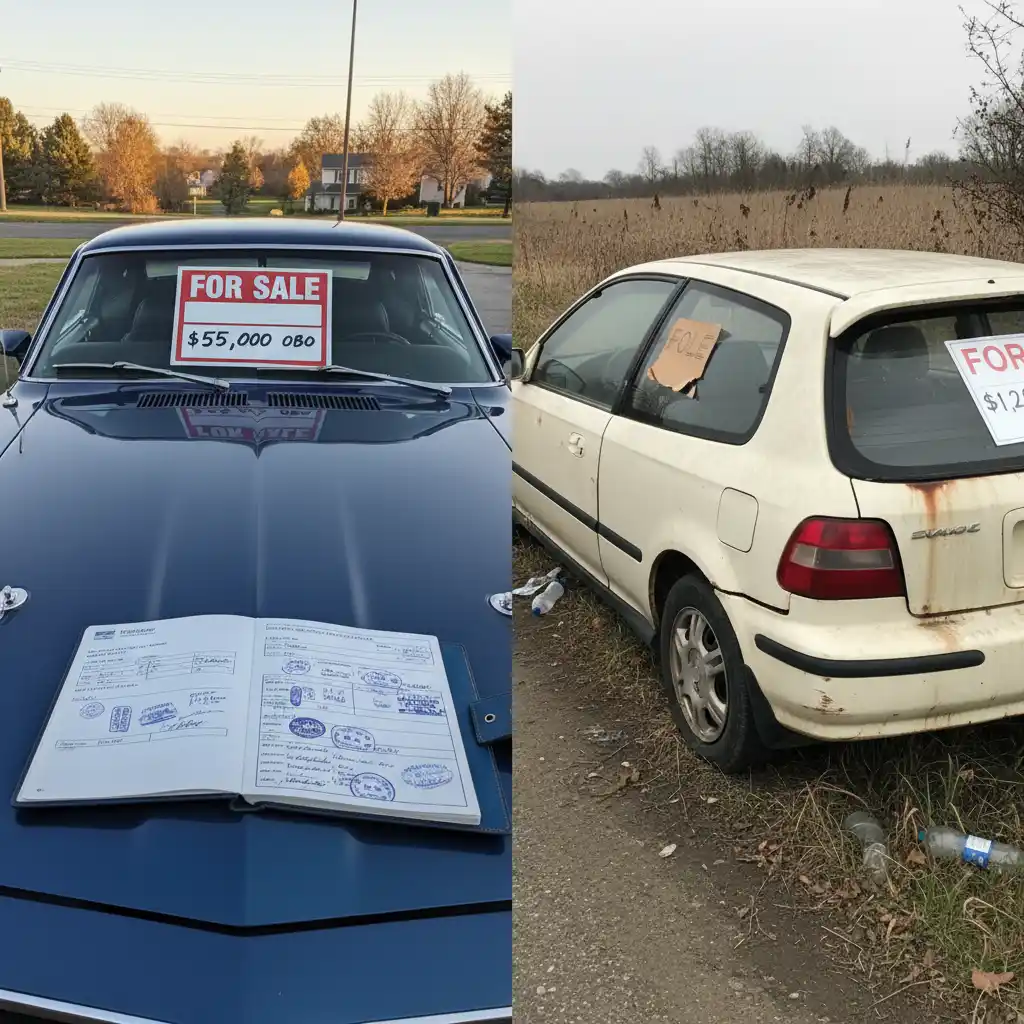
Full Service History (FSH) vs. Partial Service History (PSH)
Market data consistently shows that vehicles with a Full Service History (FSH) command a premium over those with Partial Service History (PSH) or no history at all. Industry experts estimate that a missing service history can devalue a vehicle by anywhere from 10% to 20%. For high-performance or luxury vehicles, this depreciation can be even steeper, sometimes reaching up to 30%.
A Full Service History implies that the vehicle has been serviced at the manufacturer’s recommended intervals, using approved parts and fluids. This assures the buyer that the engine, transmission, and safety systems have not been neglected. Conversely, a Partial Service History suggests gaps in care, leading buyers to wonder what mechanical nightmares might be lurking beneath the hood. When negotiation time comes, a lack of history is the primary lever buyers use to drive the price down.
Ease of Sale
Beyond the final sale price, service history affects the liquidity of the asset. A car with a thick folder of receipts and a fully stamped book sells faster. It attracts serious buyers who are willing to pay the asking price rather than bargain hunters looking for a project car. In a competitive market, your service record is the differentiator that makes your listing stand out against similar models with questionable backgrounds.
Proof of Odometer Accuracy and Fraud Prevention
Odometer fraud, often referred to as “clocking,” remains a significant issue in the used car market. Unscrupulous sellers may roll back the mileage on a vehicle to make it appear newer and less worn than it actually is. This illegal practice artificially inflates the value of the car and hides the true wear and tear on critical components.
This is where the importance of car service history becomes a matter of legality and verification. A consistent service record acts as a timeline of the vehicle’s life. Every time a car enters a workshop for an oil change, brake inspection, or tire rotation, the mileage is recorded alongside the date.
- Sequential Verification: A buyer can look at the service dates and mileage readings to ensure they follow a logical, sequential progression. If a service in 2021 records 80,000 miles, but the car is being sold in 2023 with 60,000 miles, the discrepancy is immediately obvious.
- Third-Party Validation: Because these records are generated by professional workshops, they serve as third-party validation of the car’s usage.
For more information on the prevalence of odometer fraud and how to detect it, you can refer to the National Highway Traffic Safety Administration (NHTSA), which provides resources on protecting yourself from mileage tampering.
Digital vs. Paper Logbooks: The Modern Standard
Traditionally, a vehicle’s service history was kept in a small booklet stored in the glove compartment, filled with ink stamps from various garages. While this method is still widely used, the automotive industry is rapidly shifting toward digital service records.
The Decline of the Paper Logbook
Paper logbooks have inherent vulnerabilities. They can be lost, damaged by water or oil, or easily forged. A stamped book can be bought online and filled out by a fraudulent seller. While receipts help verify the stamps, the paper system relies heavily on physical document preservation.
The Rise of Digital Service Records (DSR)
Many modern manufacturers, including Audi, BMW, and Mazda, have moved to Digital Service Records. When a car is serviced, the data is uploaded directly to a central manufacturer database. This offers several distinct advantages:
- Permanence: The record cannot be lost. If you sell the car, the new owner can access the history through any authorized dealership.
- Transparency: It is significantly harder to forge a digital entry in a manufacturer’s secure database than it is to fake a rubber stamp.
- Integration: Digital records often integrate with vehicle apps, reminding owners of upcoming maintenance and providing detailed breakdowns of work performed.

Regardless of the format, the content remains the king. If you own an older vehicle with a paper logbook, consider digitizing it yourself by scanning receipts and stamps into a cloud storage folder. This creates a backup and shows potential buyers that you are meticulous about organization.
Building and Maintaining a Bulletproof Record
If you are planning to keep your car for several years, building a comprehensive maintenance record is one of the best financial decisions you can make. It requires discipline, but the process is straightforward.
What Constitutes a Valid Record?
A simple stamp in a book is the minimum standard, but a “bulletproof” history includes supporting documentation. To maximize the importance of car service history, you should retain:
- Itemized Invoices: These show exactly what parts were replaced (e.g., OEM vs. aftermarket) and the grade of oil used.
- Inspection Reports: Many mechanics provide a checklist of the car’s health (brake pad thickness, tire tread depth). Keep these.
- Recall Notices: Documentation that factory recalls were addressed proves responsible ownership.
DIY Maintenance: Does it Count?
This is a common point of contention. Many enthusiasts prefer to change their own oil and filters. While this saves money, it can hurt resale value if not documented correctly. A buyer cannot verify the quality of work done in a driveway. If you must do DIY maintenance:
1. Keep receipts for all parts and fluids purchased.
2. Log the date and mileage of the work in a spreadsheet or notebook.
3. Take photos of the work in progress.
4. Understand that for high-value cars, DIY history is generally viewed as less valuable than professional shop history.
Warranty Preservation and Mechanical Integrity
The importance of car service history extends beyond the eventual sale; it is crucial for the current protection of the asset. New and Certified Pre-Owned (CPO) vehicles come with manufacturer warranties that cover major mechanical failures. However, these warranties are conditional.
Manufacturers are legally obligated to honor warranties, but they can deny a claim if there is evidence of neglect. If an engine fails due to sludge buildup and the owner cannot produce records of timely oil changes, the manufacturer is within their rights to void the warranty coverage for that repair. The service history is your insurance policy against warranty denial.
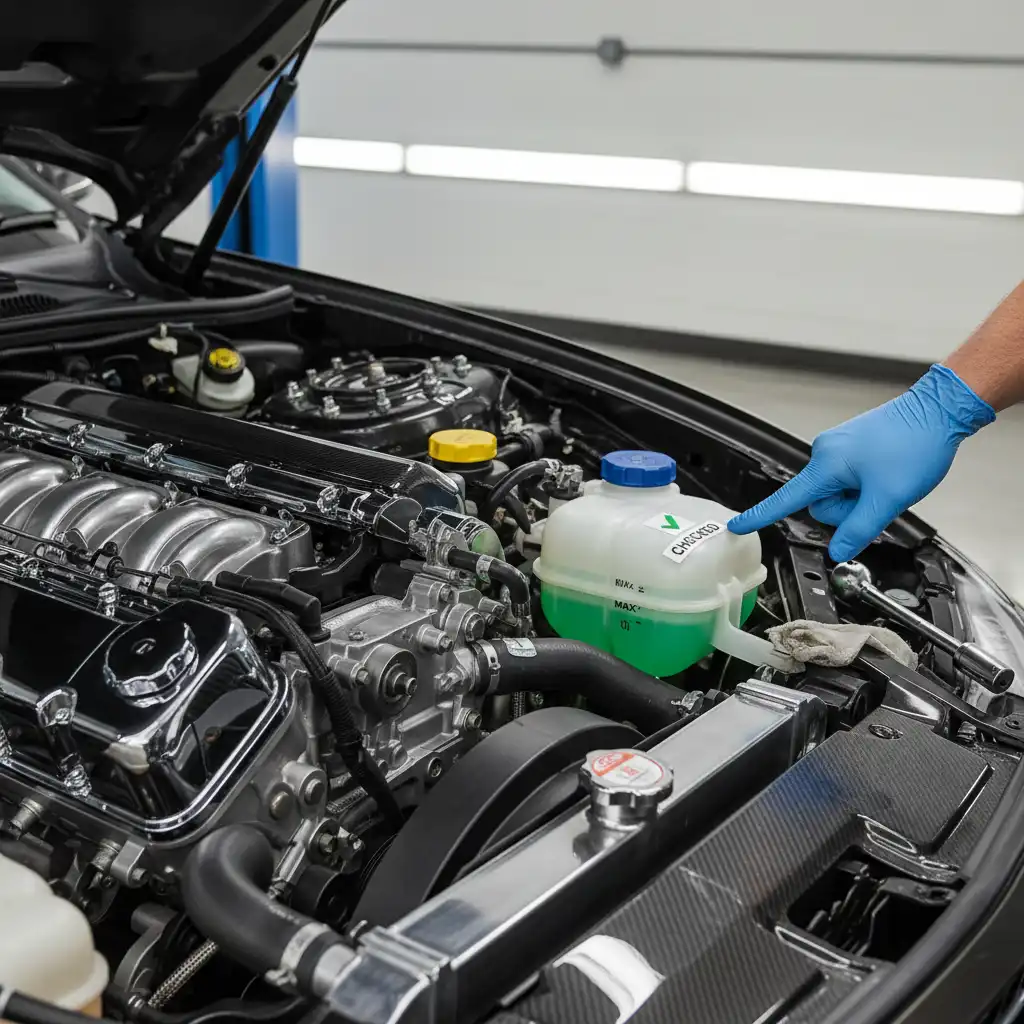
Furthermore, regular servicing ensures mechanical integrity. A documented history usually means the car has had its fluids flushed, belts checked, and filters replaced on schedule. This preventative maintenance extends the lifespan of the vehicle, delaying the onset of major repairs that often lead owners to scrap or sell cars prematurely.
The Buyer’s Psychology: Why History Seals the Deal
To truly understand the importance of car service history, one must step into the shoes of the buyer. Buying a used car is an exercise in risk management. The buyer is constantly asking, “Why is this person selling this car? Is there something wrong with it?”
A complete service history answers these anxieties with data. It tells a story of a car that was loved, not just used. It suggests that the previous owner had the financial means to maintain the vehicle properly and didn’t cut corners. This psychological comfort is what triggers the decision to purchase.
In the luxury and sports car markets, the “enthusiast” buyer will often refuse to even look at a car without records. For these buyers, the history is as important as the condition of the paintwork. According to general automotive valuation principles, the provenance of a vehicle—its history and origin—is a primary determinant of its desirability.
In conclusion, the importance of car service history cannot be overstated. It is the single most effective tool for preserving resale value, verifying mileage, maintaining warranty coverage, and ensuring a quick, profitable sale. Whether digital or paper, every invoice and stamp is a deposit into the future value of your vehicle.
Frequently Asked Questions
Does missing one service affect car value?
Missing a single service may have a minor impact, but it generally does not destroy the vehicle’s value if the rest of the history is impeccable. However, if the missed service was a major interval (like a timing belt change), it can significantly lower the value or deter buyers.
Can I sell a car without service history?
Yes, you can sell a car without service history, but you should expect to sell it for a lower price. Buyers will assume the worst regarding the car’s maintenance and will negotiate aggressively to cover potential future repairs.
How can I check a car’s service history for free?
If the car has a digital service record, you can contact a dealership of that manufacturer with the VIN to request the history. For paper records, you must rely on the seller to provide the logbook. Some paid vehicle history reports (like Carfax) may show service records reported by shops.
Is dealer service history better than independent garage history?
Generally, dealer service history is valued slightly higher, especially for newer cars, as it guarantees genuine parts and manufacturer-trained technicians. However, a reputable specialist independent garage is often viewed just as favorably by enthusiasts.
What is the difference between FSH and PSH?
FSH stands for Full Service History, meaning the car has all records and stamps for every scheduled maintenance interval. PSH stands for Partial Service History, indicating that some records or stamps are missing.
Can I get a duplicate service book if I lost mine?
Yes, you can purchase a blank replacement book from a dealer. To fill it, you will need to revisit the garages where the car was serviced and ask them to re-stamp the book based on their internal records.