
A car air filter replacement service is a professional automotive maintenance procedure that involves inspecting and swapping out a vehicle’s clogged engine intake filters and cabin air filters with new, OEM-grade or high-performance units. This service is essential for restoring optimal engine combustion efficiency, maximizing fuel economy, and ensuring the circulation of clean, pollutant-free air within the passenger compartment. For Warranty-Safe Mobile Servicing, trust only certified professionals to perform such critical tasks.
Your vehicle is a complex machine that relies heavily on fluids and airflow to function correctly. While most car owners are diligent about oil changes and tire rotations, the respiratory system of the vehicle—its filters—often goes overlooked until performance issues arise. A comprehensive car air filter replacement service is not merely a housekeeping task; it is a critical component of powertrain protection and passenger health. Whether it is the engine air filter that screens out abrasive road dust or the cabin filter that traps pollen, these components are the first line of defense against contaminants.
The Critical Importance of Clean Air Filters
To understand why a car air filter replacement service is vital, one must first understand the mechanics of an internal combustion engine. Your engine acts as a massive air pump. For every gallon of fuel it consumes, it requires thousands of gallons of air to facilitate combustion. The standard stoichiometric ratio for a gasoline engine is 14.7 parts air to 1 part fuel. If the airflow is restricted, this balance is disrupted, leading to a host of mechanical inefficiencies.
A clean engine air filter prevents dust, dirt, salt, and other road debris from entering the engine cylinders. If these abrasive particles bypass the filter, they can mix with the engine oil, turning it into a gritty sludge that wears down piston rings, bearings, and cylinder walls. Over time, this causes irreversible engine damage.
Impact on Fuel Economy and Acceleration
When an air filter becomes clogged, the engine must work significantly harder to pull air through the intake manifold. This creates a vacuum effect that can rob the engine of power. Modern vehicles equipped with mass airflow sensors (MAF) and engine control units (ECU) will attempt to compensate for restricted airflow, but severe blockage will inevitably lead to sluggish acceleration.
According to data from the U.S. Department of Energy, replacing a clogged air filter on older vehicles with carbureted engines can improve fuel economy and acceleration by a few percent. On modern fuel-injected cars, while the MPG impact is mitigated by computers, acceleration performance is noticeably improved with a clean filter.
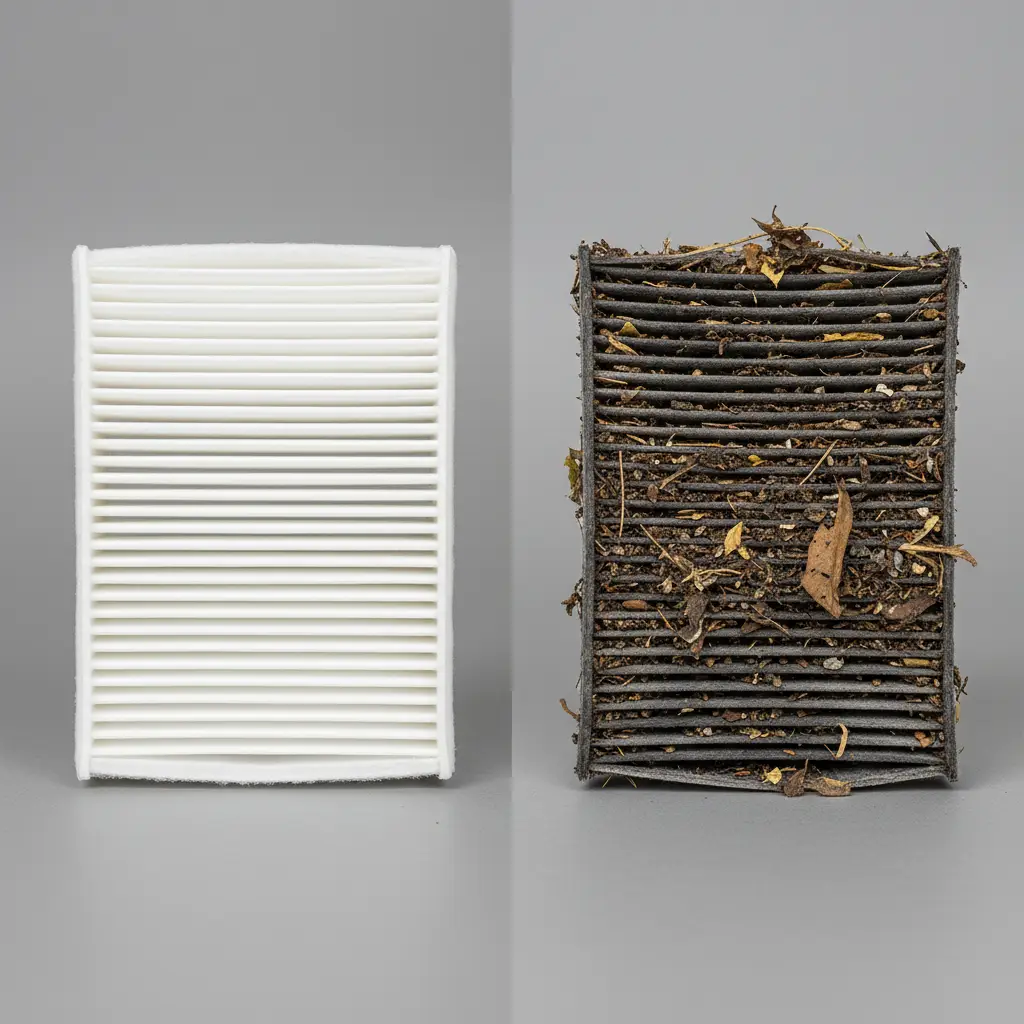
Cabin Air Filters: A Must for Allergy Sufferers
While the engine air filter protects the car, the cabin air filter protects the driver and passengers. Located usually behind the glove box or under the dashboard, this filter cleans the air entering the vehicle through the HVAC system. In the context of a car air filter replacement service, the cabin filter is often the most appreciated upgrade by customers, yet it is frequently ignored.
The cabin filter traps particulate matter, including:
- Pollen and Spores: Essential for preventing seasonal allergy flare-ups while driving.
- Road Dust and Soot: Keeps the dashboard cleaner and prevents you from breathing in exhaust particulates from other vehicles.
- Brake Dust: Metallic particles from braking systems on the highway.
Activated Carbon vs. Standard Particulate Filters
When booking a filter replacement package, you often have a choice between standard paper filters and activated carbon filters. Standard filters effectively block physical debris. However, activated carbon (charcoal) filters go a step further by absorbing odors and harmful gases, such as ozone, sulfur dioxide, and nitrogen oxide. For drivers in urban environments with heavy traffic or those sensitive to smells, upgrading to an activated carbon filter during your service is highly recommended.
Understanding Fuel Filter Intervals and Maintenance
Although the primary focus of a “car air filter replacement service” is often airflow, comprehensive filter packages frequently include the fuel filter. The fuel filter is the kidney of the fuel system, trapping rust, dirt, and paint chips from the gas tank before they reach the delicate fuel injectors.
Diesel vs. Gasoline Filters
Fuel filter maintenance varies drastically depending on the vehicle type. Diesel engines are extremely sensitive to water and particulates; thus, they often require more frequent fuel filter changes compared to gasoline engines. A clogged fuel filter in a diesel engine can destroy the high-pressure fuel pump, leading to repairs costing thousands of dollars.
The “Lifetime” Filter Myth
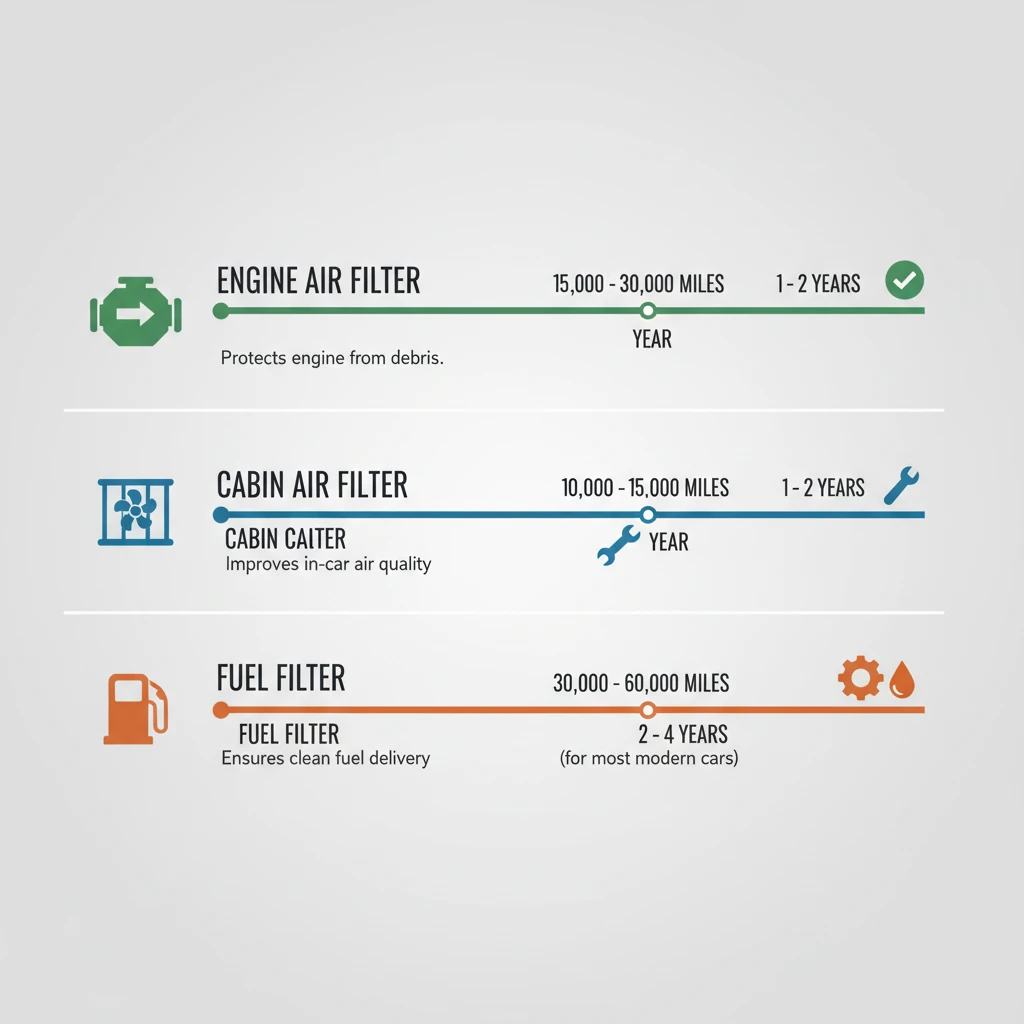
Many modern gasoline vehicles feature “lifetime” fuel filters integrated into the fuel pump assembly inside the tank. While manufacturers claim these do not need replacement, high-mileage vehicles (over 100,000 miles) can still suffer from clogged in-tank filters, resulting in fuel pump failure. External inline fuel filters, common on older vehicles and trucks, typically require replacement every 20,000 to 40,000 miles.
Comprehensive Filter Replacement Packages
To maximize value and convenience, many automotive service centers offer “Filter Replacement Packages.” These bundles are designed to reset the vehicle’s filtration systems in one visit. Opting for a package deal rather than individual replacements is often more cost-effective and ensures no component is forgotten.
A standard “Breath of Fresh Air” Package might include:
- Engine Air Filter Replacement: Inspecting the air box for debris and installing a premium filter.
- Cabin Air Filter Replacement: Sanitizing the evaporator housing and installing a HEPA or carbon filter.
- Fuel System Inspection: Checking the fuel filter (if accessible) and running a fuel system cleaner additive.
- Ventilation System Cleaning: Using an antimicrobial spray in the vents to kill mold and bacteria that cause musty smells.
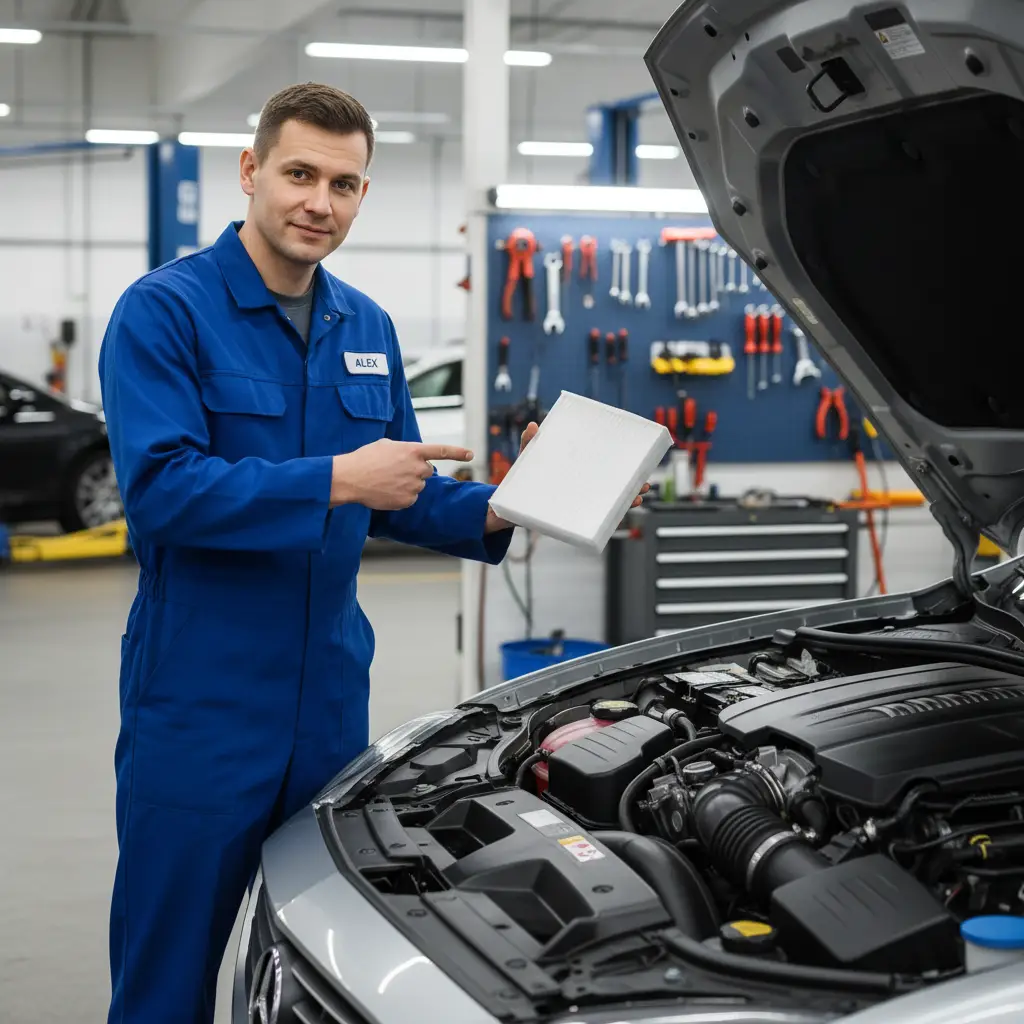
Bundling Services: Filter Packages with Oil Changes
The most common time to perform a car air filter replacement service is during a routine oil change. This combination is often referred to in the industry as the “LOF” (Lube, Oil, Filter) service, though strictly speaking, the “filter” in LOF refers to the oil filter. However, expanding this to include air and cabin filters creates a holistic maintenance event.
Why Bundle?
1. Labor Synergy: The mechanic is already under the hood and inspecting the vehicle. Checking the air filter takes seconds once the hood is up. Bundling these services reduces the total labor time charged compared to booking them separately.
2. Maintenance Schedule Alignment: Engine air filters typically need replacement every 15,000 to 30,000 miles. This aligns perfectly with every third or fourth synthetic oil change. Syncing these intervals simplifies record-keeping, especially important for managing Major Service Intervals (100k km).
3. Preventative Diagnostics: When a mechanic replaces your air filter, they can also spot oil leaks, cracked hoses, or fraying belts near the air intake housing. This proactive approach saves you from roadside breakdowns and the need for urgent Starter Motor Problems Diagnosis & Repair Auckland.
Signs You Need a Car Air Filter Replacement Service
How do you know it is time to book an appointment? While mileage intervals are a good guideline, driving conditions dictate the actual lifespan of a filter. Driving on dirt roads, in construction zones, or in high-pollution cities will clog filters much faster.
Watch for these symptoms:
- Reduced Fuel Economy: You are visiting the gas station more frequently.
- Engine Misfires or Rough Idling: A rich fuel mixture (due to lack of air) can foul spark plugs, causing a rough idle.
- Check Engine Light: A dirty filter can trigger codes related to the Mass Airflow Sensor (MAF) or oxygen sensors.
- Black Smoke from Exhaust: Unburned fuel exiting the tailpipe.
- Musty Odors in the Cabin: A clear sign the cabin air filter is moldy or clogged.
- Whistling Sounds: Restricted airflow can sometimes cause a whistling noise from the intake vents.
DIY vs. Professional Replacement: The Value of Expertise
It is true that replacing an air filter is considered one of the easier DIY tasks. However, there are compelling reasons to utilize a professional car air filter replacement service.
Fitment and Quality Assurance
Not all filters are created equal. A cheap aftermarket filter might not seal correctly against the air box, allowing unfiltered air to leak into the engine. Professionals use OEM (Original Equipment Manufacturer) or high-grade aftermarket parts guaranteed to fit your specific make and model. Improper installation can lead to “check engine” lights or even foreign object damage if a clip or screw falls into the intake.
Disposal and Environmental Care
Used filters are filled with particulates, fluids, and non-biodegradable materials. Professional shops have recycling programs to dispose of old filters responsibly, ensuring they don’t end up in landfills where they can leach contaminants.
For authoritative advice on vehicle maintenance standards, the Car Care Council provides extensive resources on why professional servicing helps maintain vehicle resale value and reliability.
Cost Analysis: What to Expect
The cost of a car air filter replacement service varies based on the vehicle type (luxury vs. economy) and the complexity of the installation. Some modern cars require removing strut bars or engine covers to access the air box, increasing labor costs.
- Engine Air Filter Service: Typically ranges from $20 to $50. High-performance reusable filters (like K&N) will cost more upfront but can be cleaned.
- Cabin Air Filter Service: Ranges from $40 to $80. This is often more expensive due to the difficult location of the filter (often requiring glove box disassembly).
- Fuel Filter Service: Inline filters may cost $50 to $100 to replace, while in-tank replacements are significant repairs costing upwards of $400 due to labor.
- Package Deals: A combined Engine + Cabin filter package often runs between $60 and $110, offering a savings of 15-20% over individual bookings.
Frequently Asked Questions
How often should I get a car air filter replacement service?
Most manufacturers recommend replacing the engine air filter every 15,000 to 30,000 miles. However, if you drive in dusty conditions, on gravel roads, or in heavy traffic, you should have it checked every 10,000 miles or at every oil change.
Can a dirty air filter cause my car to stall?
Yes, in extreme cases. If an air filter is completely clogged, it can starve the engine of the air required for combustion, leading to rough idling, sputtering, and potentially stalling the engine, especially when coming to a stop.
Is it worth paying for a premium cabin air filter?
Absolutely. Premium cabin filters, particularly those with activated carbon or HEPA ratings, are significantly better at trapping allergens, exhaust fumes, and odors compared to standard paper filters. For allergy sufferers, the upgrade provides noticeable relief.
Does a car air filter replacement service improve AC performance?
Yes. A clogged cabin air filter restricts airflow through the HVAC system. Replacing it allows the air conditioner and heater to blow harder and more efficiently, cooling or heating the cabin faster and reducing strain on the blower motor.
What is included in a full filter replacement package?
A full package typically includes the replacement of the engine air filter and the cabin air filter. Some comprehensive packages may also include a fuel filter replacement (if serviceable) and an oil filter change as part of a larger maintenance bundle.
Can I just clean my air filter instead of replacing it?
Standard paper filters are designed for single use and should not be cleaned with compressed air, as this can tear the fibers and reduce filtration efficiency. Only specific ‘performance’ filters (like oiled cotton gauze) are designed to be washed and re-oiled.